

Mills for 800-1000 mesh mineral powder
Published: October 26, 2023
Producing mineral powders in the demanding 800-1000 mesh range presents significant challenges in efficiency, energy consumption, and equipment longevity. For industries from plastics and paints to advanced composites, achieving this ultra-fine fineness consistently is a critical benchmark. Shanghai SBM Machinery Equipment Co., Ltd. addresses these challenges head-on with a portfolio of advanced grinding solutions. By integrating deep process expertise with innovative mill designs—such as the high-capacity Vertical Roller Mill for integrated drying and grinding, and the specialized Ultrafine Mill for precision fine-tuning—SBM provides tailored systems that optimize output, minimize operational costs, and ensure environmental compliance. This article explores the technical pathways to mastering ultra-fine powder production, focusing on practical solutions for common client pain points.
The journey to 800-1000 mesh powder is not a one-size-fits-all process. It requires a careful selection of technology based on raw material characteristics, desired capacity, and overall system integration. Traditional ball mills, while robust, often struggle with the high energy intensity and media wear associated with achieving such fine sizes. Recognizing this, SBM's engineering philosophy centers on developing mills that enhance grinding efficiency at its core, reduce the number of process stages, and incorporate intelligent control for stability.
For large-scale production where raw materials may contain moisture, the LM Vertical Roller Mill emerges as a powerhouse solution. Its integrated design combines crushing, drying, grinding, and classification in a single compact unit. The principle of material bed grinding, where rollers compress materials on a rotating table, is inherently more efficient than the impact and attrition of tumbling balls. This translates to energy savings reported to be 30-40% lower than traditional ball milling systems for the same output. Furthermore, the direct grinding mechanism and use of high-quality materials for rollers and plates drastically reduce wear rates, directly tackling the pain point of high maintenance costs for consumable parts.
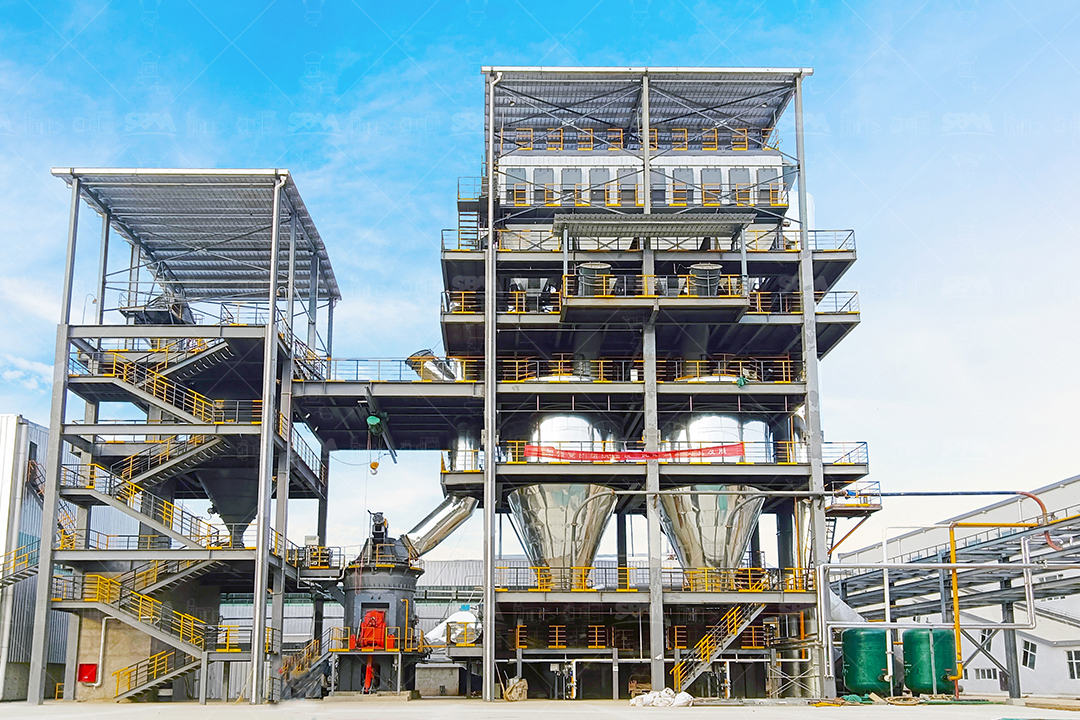 The system's fully sealed, negative-pressure operation is a key advantage for ultra-fine processing, as it contains dust completely—a critical concern for both product loss and workplace safety. With an output range that comfortably reaches 400 mesh and adjustable parameters, the LM Vertical Mill often serves as an ideal primary grinder, preparing material for further refinement in a dedicated ultra-fine circuit.
When the target fineness pushes firmly into the 800-1000 mesh (approximately 15-10 microns) and beyond, specialized ultra-fine grinding technology becomes essential. This is the domain of SBM's SCM Series Ultrafine Mill and LUM Ultrafine Vertical Mill. These mills are engineered for precision. The SCM series, for instance, utilizes a high-speed mechanical grinding principle combined with an advanced vertical turbine classifier. The classifier's precise cut-point control ensures that only particles meeting the target fineness leave the grinding chamber, preventing coarse powder spillover and guaranteeing a consistently sharp particle size distribution.
A major client concern in ultra-fine grinding is the trade-off between fineness and capacity, often accompanied by excessive heat generation. SBM's ultrafine mills address this through optimized grinding curve designs for rollers and rings, promoting stable material bed formation and efficient particle fracture. The LUM Ultrafine Vertical Mill, incorporating advanced powder separation technology, allows for the custom tuning of finished product fineness within a wide spectrum. Its intelligent PLC/DCS control system automatically maintains optimal grinding pressure and classifier speed, ensuring stable operation and consistent product quality even with variations in feed material.
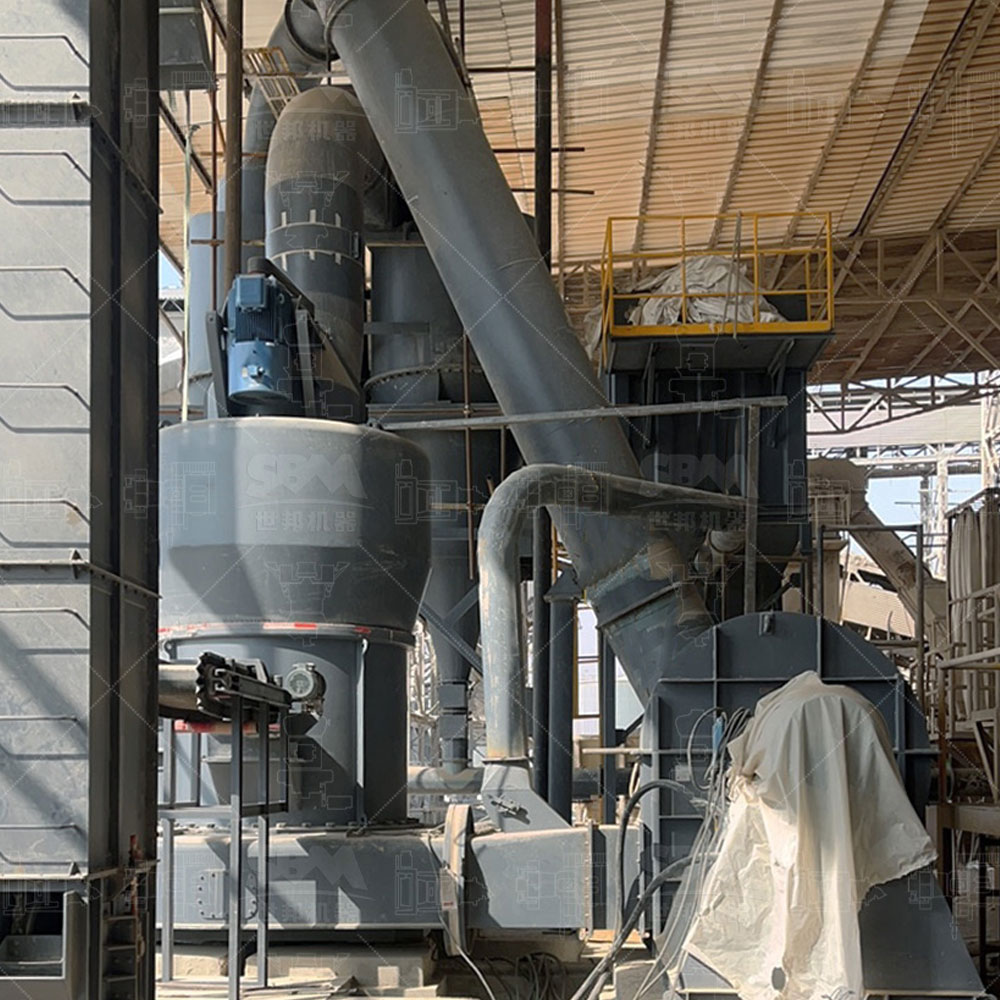 For operations focused on dry, non-metallic minerals like calcite, marble, or barite for masterbatch or high-end filler applications, these ultrafine mills offer a decisive advantage. Their high-efficiency pulse dust collection systems not only meet but exceed international environmental standards, transforming a potential pollution headache into a non-issue. The heavy-duty rotor design and balanced construction mitigate vibration, a common source of mechanical failure and product inconsistency in high-precision grinding.
Ultimately, selecting the right mill for 800-1000 mesh production is a strategic decision. It involves analyzing the total cost of ownership—not just the initial investment, but the long-term costs of energy, wear parts, maintenance labor, and system uptime. SBM's approach as a total solution provider means supporting clients from initial particle size analysis and system design to installation and optimization. With equipment operating in over 180 countries, their mills are proven under diverse conditions, offering reliability that minimizes the risk of production bottlenecks. By leveraging technologies that offer higher efficiency, smarter control, and robust environmental performance, producers can turn the challenge of ultra-fine powder manufacturing into a competitive edge.
Frequently Asked Questions (FAQs)
- What are the main operational cost drivers when grinding to 800-1000 mesh?
The primary drivers are energy consumption and wear part replacement. Inefficient mills consume excessive power, while poor material selection in grinding elements leads to frequent, costly downtime for maintenance. Choosing a mill designed for energy efficiency (like vertical roller mills) with durable, long-life wear parts is crucial for controlling operational expenses. - How do I prevent product contamination and ensure consistent fineness at this level?
Consistent fineness relies on precise classification and stable grinding conditions. Mills equipped with advanced, multi-rotor classifiers (like the LUM series) offer accurate particle size cuts. Contamination is minimized through fully sealed, negative-pressure systems that prevent dust leakage and often feature internal materials suitable for the product being ground. - Our current system has high vibration and noise issues when pushing for finer powder. Is this normal?
While some vibration is expected, excessive levels are not normal and indicate imbalance, wear, or design flaws. They lead to mechanical stress, product inconsistency, and safety concerns. Modern mills like the SCM Ultrafine series incorporate heavy, balanced rotors and sound insulation specifically to operate smoothly and quietly at high precision levels. - Can one mill handle both drying moist feed material and achieving ultra-fine grind?
Yes, integrated mills like the LM Vertical Roller Mill are specifically designed for this. They feature built-in hot air ducts that dry the material during the grinding process, eliminating the need for a separate, energy-intensive drying stage and streamlining the production line for moist raw materials. - We need to switch between different product finenesses (e.g., 800 mesh and 1250 mesh) regularly. Is this a complex process?
With older mills, adjusting fineness can be slow and imprecise. Modern mills with intelligent control systems and frequency-converter driven classifiers simplify this. Parameters like classifier speed and grinding pressure can be stored as recipes in the PLC, allowing for quick, stable, and repeatable shifts between different target fineness levels with minimal manual intervention.


