

Turquoise processing equipment in hubei?
Published on: October 26, 2023
The turquoise processing industry in Hubei, a region rich in this vibrant blue-green mineral, demands precision, efficiency, and reliability. For processors seeking to enhance yield, product quality, and operational sustainability, selecting the right grinding and milling technology is paramount. Shanghai SBM Machinery, with its global footprint serving over 180 countries, offers a comprehensive portfolio of advanced grinding solutions specifically engineered to address the unique challenges of processing non-metallic minerals like turquoise. From achieving ultra-fine finishes for high-value applications to managing throughput and energy consumption, SBM's equipment—including the MTW European Trapezium Mill, LUM Ultrafine Vertical Mill, and specialized Ball Mills—provides tailored, technologically superior pathways to optimize turquoise beneficiation and powder production in Hubei's competitive market.
The journey of turquoise from rough stone to a consistent, fine powder used in pigments, ceramics, or jewelry inlays involves critical size reduction stages. General-purpose crushers and mills often fall short, leading to inconsistent particle size distribution, excessive energy use, and high wear part costs—directly impacting profitability. SBM's approach is rooted in deep application knowledge. For instance, the MTW Series European Trapezium Grinding Mill incorporates an innovative cone gear whole transmission and arc air duct design. These features are not mere specifications; they translate to higher transmission efficiency, minimized air energy loss, and significantly reduced vibration. For a turquoise processor, this means more stable operation, lower noise levels—a crucial consideration for local environmental compliance—and consistent output quality batch after batch.
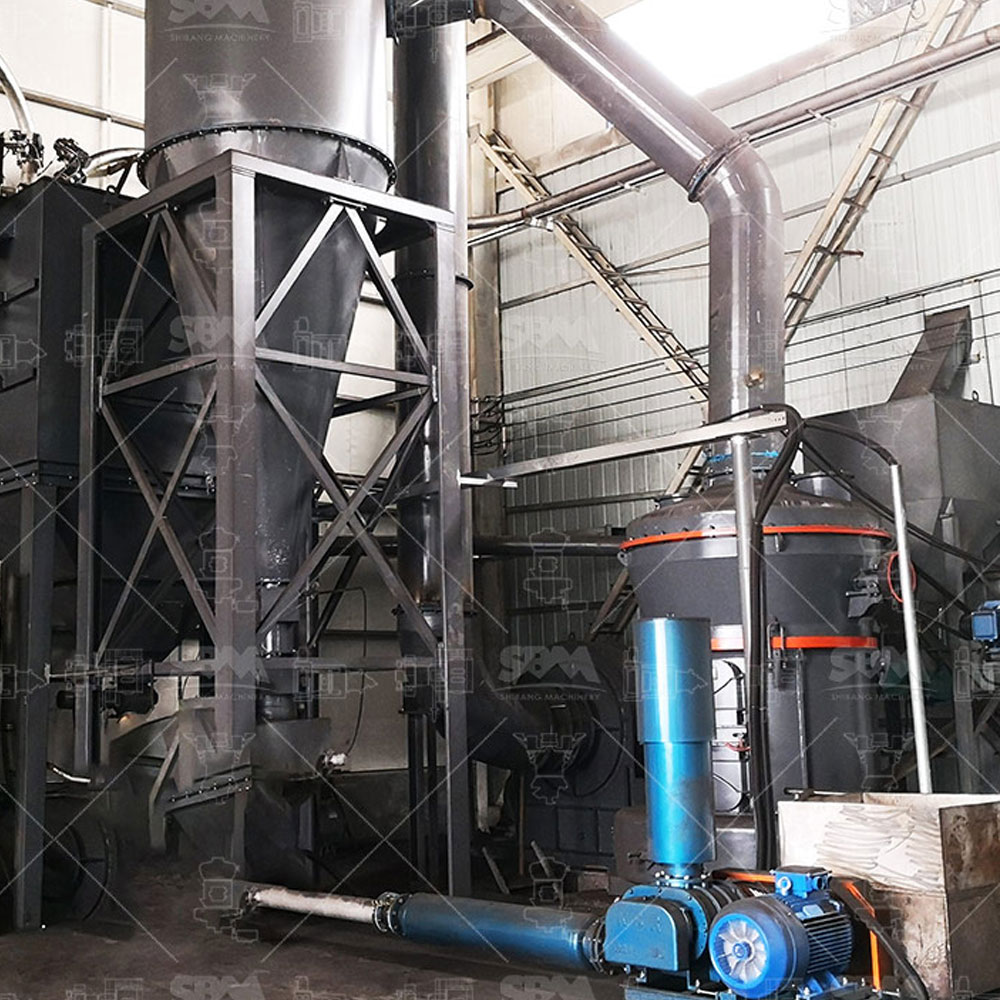
When the application calls for extremely fine powders, such as those used in premium cosmetics or specialized composites, Hubei's processors turn to ultrafine grinding. Here, SBM's SCM Ultrafine Mill and LUM Ultrafine Vertical Roller Mill shine. The LUM series, integrating German powder-separating technology, is particularly adept. Its multi-rotor powder classifiers allow precise customization of fineness up to 4000 mesh, ensuring no low-grade coarse powder contaminates the final product—a common pain point in high-value turquoise processing. Moreover, its intelligentized PLC control system automates critical parameters like grinding pressure and classifier speed. This automation directly addresses the operational headache of manual adjustments and skill shortages, ensuring repeatable quality while saving on labor costs.
For larger-scale processing or where wet grinding is preferred, the modernized Ball Mill solutions from SBM offer a robust answer. Acknowledging the historical challenges of high liner and ball wear, SBM has optimized these mills with improved structural designs and advanced materials. This focus on durability directly tackles the client's pain point of frequent downtime and high spare parts expenditure. The equipment's versatility allows it to be integrated into various stages of the turquoise processing workflow in Hubei, from initial size reduction to final refinement.
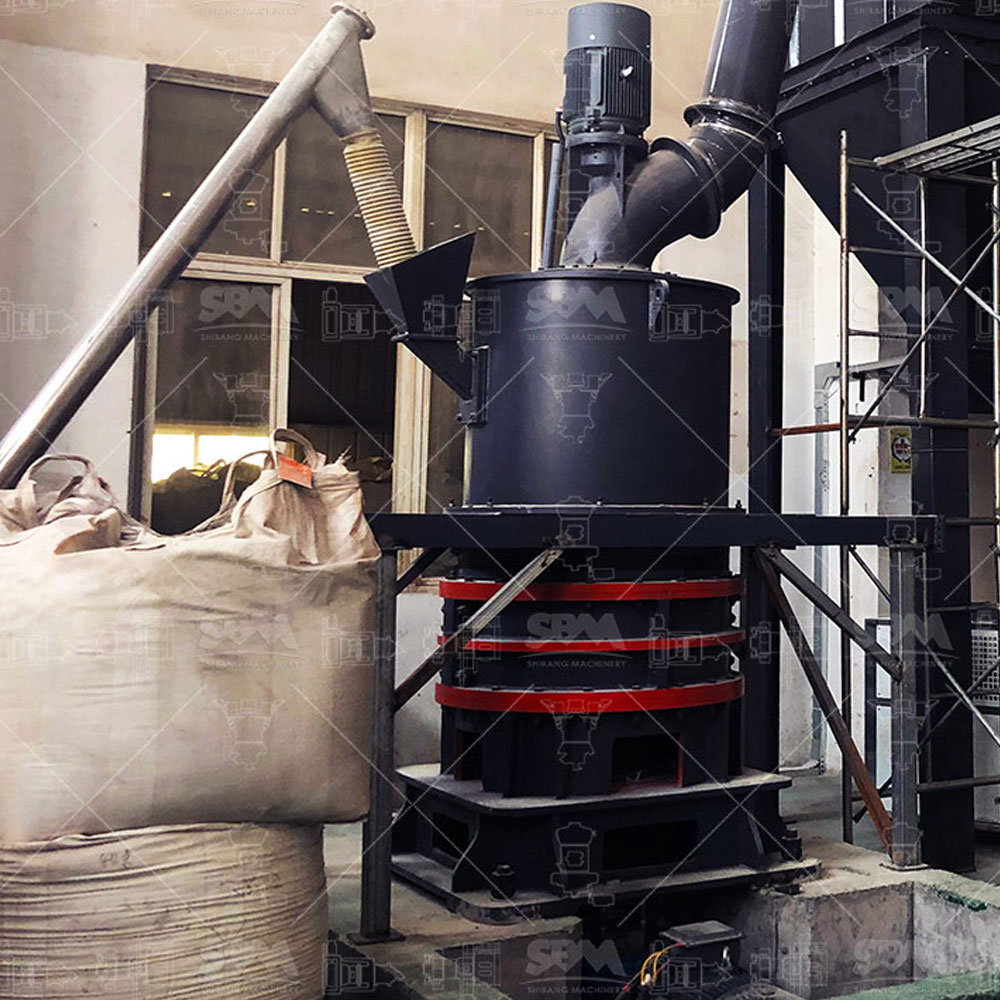
Beyond the machine itself, SBM's strength lies in its role as a total solution provider. A turquoise processing plant in Hubei faces systemic challenges: space constraints, the need for dust containment to protect workers and meet strict environmental standards, and the goal of minimizing overall energy footprint. SBM's LM Vertical Roller Mill, for example, presents a compelling case with its integrated drying, grinding, and separation functions. Its compact layout reduces floor space by approximately 50% compared to traditional ball mill systems, and its fully sealed, negative-pressure operation virtually eliminates dust spillage. This holistic design philosophy ensures that the equipment not only performs its core function but also contributes to a safer, more sustainable, and more space-efficient plant operation—key considerations for modernizing Hubei's mineral processing facilities.
In conclusion, the evolution of turquoise processing in Hubei is inextricably linked to technological advancement in milling. By leveraging SBM's suite of grinding equipment—each designed with specific client pain points in mind—processors can achieve superior product quality, enhanced operational efficiency, and robust environmental compliance. The combination of patented technologies, intelligent automation, and a global perspective on mineral processing makes this equipment a strategic investment for securing a competitive edge in the delicate and valuable world of turquoise.
Frequently Asked Questions (FAQs)
1. What is the main challenge in achieving consistent ultra-fine fineness for turquoise powder, and how is it addressed?
Inconsistent particle size and the presence of coarse particles are major issues. SBM's LUM and SCM mills feature advanced multi-rotor or turbine powder classifiers with precise cutting technology. This, combined with intelligent PLC control that automates key parameters, ensures tight fineness distribution (e.g., D97≤5μm) and eliminates coarse powder spillover, delivering batch-to-batch consistency.
2. Our plant has limited space and strict environmental regulations. Is there a compact and clean solution?
Yes. The LM Vertical Roller Mill integrates crushing, drying, grinding, and separation into a single unit, reducing footprint by about 50%. It operates under full-seal, negative pressure, preventing dust escape and ensuring emissions meet national standards. Its low-vibration design also minimizes noise pollution.
3. Wear part consumption and maintenance downtime are hurting our profitability. How can we reduce these costs?
SBM equipment is designed for durability and easy maintenance. The MTW Mill's combined-type shovel blade allows only the blade tip to be replaced, not the whole part. Vertical mills like the LM and LUM use rollers that do not directly contact the grinding plate, and both are made from special wear-resistant materials, extending service life dramatically and lowering operating costs.
4. We struggle with high and unpredictable energy consumption. What options are most energy-efficient?
Vertical roller mills (LM, LUM) are significantly more energy-efficient than traditional ball mills, typically reducing energy consumption by 30% to 40%. They grind material directly on the plate, which is a more efficient process. The Ultrafine Mills also offer high output with energy consumption lower than jet mill alternatives.
5. Our operation lacks highly skilled technicians. Is the equipment easy to operate and control?
Absolutely. SBM's advanced mills feature expert automatic control systems (PLC/DCS) that enable simple local operation or remote monitoring. Key processes are automated, with systems allowing free switching between modes. This reduces reliance on specialized manual labor, minimizes human error, and ensures stable, optimal operation.


