

Maximum fineness for talc powder?
Published on: October 26, 2023
For industries relying on high-purity talc powder, achieving maximum fineness is not merely a specification—it’s a critical determinant of product performance, efficiency, and market competitiveness. This article explores the technological pathways to ultra-fine talc production, analyzing equipment capabilities, process optimizations, and practical solutions to common production challenges, with insights drawn from SBM Machinery's extensive expertise in global mineral processing.
The pursuit of finer talc powder is driven by its enhanced properties: improved opacity, brightness, lubricity, and reinforcement in applications ranging from plastics and paints to cosmetics and pharmaceuticals. However, pushing fineness boundaries introduces technical hurdles, including energy intensity, particle size distribution control, and equipment wear. Traditional grinding mills often hit a plateau in both efficiency and achievable fineness, necessitating a new generation of technology.
At the core of modern ultra-fine talc processing are advanced milling systems designed to overcome these limitations. SBM Machinery’s engineering focus has been on developing solutions that integrate high-efficiency grinding, precise classification, and intelligent control. For instance, the SCM Series Ultrafine Grinding Mill and the LUM Ultrafine Vertical Roller Mill represent significant leaps forward. These mills are engineered to handle feed sizes of 0-20mm and deliver powders in the range of 325 to 4000 mesh, with top-tier models achieving a one-time fineness of D97 ≤ 5µm. This capability is paramount for producers aiming to supply into high-value sectors where consistent, sub-micron particles are mandatory.
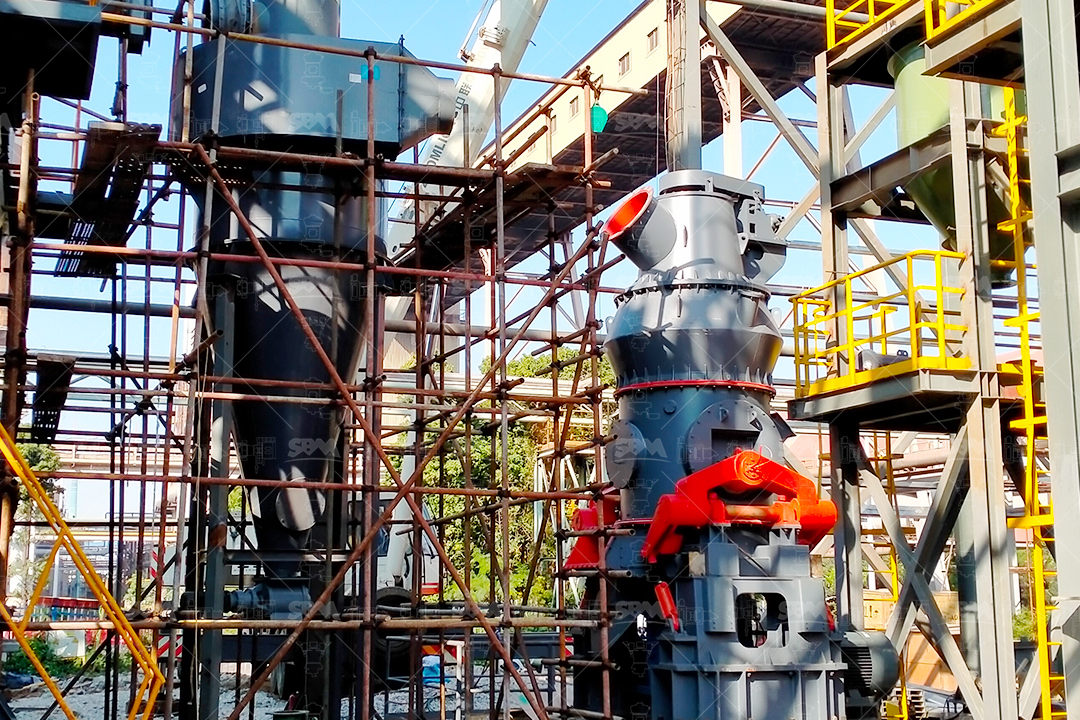
Key to maximizing fineness is the synergy between grinding mechanics and separation technology. The LUM mill, for example, incorporates multi-rotor powder classifiers based on advanced German technology. This allows for precise cut-point control, ensuring that the final product contains no low-grade, coarse particles—a common pain point that can degrade batch quality. Furthermore, the grinding curves of the roller and lining plate are uniquely designed to promote stable material bed formation, enhancing grinding efficiency and increasing the yield of in-spec powder from the first pass.
Operational efficiency remains a major concern. High energy consumption has traditionally been the trade-off for higher fineness. Modern systems address this directly. The vertical roller mill design, as seen in the LM and LUM series, integrates drying, grinding, and separation into a single, compact unit. This not only reduces footprint by up to 50% compared to ball-milling systems but also lowers energy consumption by 30-40%. Features like cone gear whole transmission and inner oil absorption lubrication minimize mechanical losses, while intelligent PLC/DCS control systems automatically optimize parameters like grinding pressure and classifier speed for the lowest specific energy consumption per ton of product.
Durability and maintenance costs are another focal point. The ultra-fine grinding of abrasive minerals like talc can accelerate wear. SBM’s approach includes proprietary material science, such as special alloys for rollers and rings, and design innovations like the combined-type shovel blade in the MTW European Trapezium Mill. These features extend service life significantly, reducing the frequency of shutdowns and the cost of wearing parts. The robust construction and balanced rotor design in ultrafine mills also ensure stable, vibration-free operation, which is essential for maintaining consistent particle size over long production runs.
_1770221866310.jpg)
Finally, environmental and operational standards are inseparable from modern performance. All advanced mills are designed for full-system sealing and operation under negative pressure, eliminating dust spillage. Noise is controlled through optimized sound insulation and mufflers. The automated control systems not only save labor but also enable remote monitoring and operation, providing producers with real-time data to fine-tune processes for maximum fineness and throughput.
In conclusion, the maximum fineness for talc powder is no longer constrained by equipment capability but by selecting the right technology partner. By leveraging integrated systems that prioritize precision classification, energy efficiency, and operational intelligence, producers can reliably achieve 4000-mesh fineness, turning a premium material into a high-performance product that commands market leadership.
Frequently Asked Questions (FAQs)
Q1: We struggle with inconsistent fineness and coarse particles in our final talc batch. What's the main cause?
A: This is often due to inefficient particle classification within the grinding circuit. Advanced mills with high-precision, multi-rotor classifiers (like those in the LUM series) ensure accurate size cutting and prevent coarse powder spillover, delivering a uniform product.
Q2: Our energy costs for producing ultra-fine talc are unsustainable. Are there efficient options?
A: Absolutely. Modern vertical roller mills and ultrafine mills are designed for high output with low energy consumption. Integrated systems can reduce energy use by 30-40% compared to traditional ball mills, primarily through efficient grinding mechanics and direct material-bed compression.
Q3: How can we reduce frequent downtime caused by wear parts replacement when grinding abrasive talc?
A: Opt for mills featuring wear-resistant technologies. Solutions include special material rollers/rings, curved shovel blades that reduce abrasive impact, and designs where grinding components do not directly contact (like in vertical mills), dramatically extending service life.
Q4: We need to produce multiple talc grades (from coarse to ultra-fine) flexibly. Is one mill capable?
A: Yes. Mills like the MTW European Trapezium Mill and LUM Ultrafine Vertical Mill offer wide adjustable output ranges (e.g., 30-400 mesh and 325-4000 mesh). Their frequency-conversion control and adjustable classifier speed allow quick and stable product fineness changes.
Q5: Dust control and noise are significant environmental concerns at our plant. Do high-finesse grinding solutions address this?
A: Modern grinding systems are engineered for environmental compliance. Fully sealed systems operating under negative pressure prevent dust escape. Additionally, sound insulation rooms and mufflers are integrated to keep noise levels well below international standards.


