

Suitable equipment for fly ash?
Published on: October 26, 2023
Fly ash, a byproduct of coal combustion in thermal power plants, presents both a disposal challenge and a valuable resource opportunity. Effective processing transforms this industrial residue into high-value materials for construction, cement blending, and geopolymer applications. The key to unlocking this potential lies in selecting the right grinding equipment—technology that ensures optimal particle size distribution, energy efficiency, and operational reliability. For over 180 countries, Shanghai SBM Machinery has provided tailored grinding solutions, offering a portfolio of mills specifically engineered to handle the abrasive and variable nature of fly ash, turning an environmental concern into a profitable product.
Fly ash processing demands equipment capable of handling moderately abrasive materials while achieving precise fineness, often between 200 to 400 mesh for most commercial applications. The variability in feed material—from coarse, bottom ash to fine, collected fly ash—requires flexible and robust systems. SBM's expertise as a total solution provider spans the entire mineral processing workflow, ensuring that clients receive not just a machine, but a cohesive system designed for longevity and cost-effectiveness. The choice of mill impacts everything from product quality and energy consumption to maintenance downtime and environmental compliance.
For high-volume processing with a focus on reliability and proven technology, the MTW Series European Trapezium Grinding Mill stands out. Its development incorporated feedback from thousands of global users, resulting in a mill with international advanced levels. A critical advantage for fly ash is its unique wear-proof perching knife design. The combined-type shovel blade reduces wearing parts costs, as only the blade requires replacement during maintenance. This is particularly valuable for abrasive materials. Furthermore, its arc air duct design minimizes air energy loss, ensuring efficient material transportation within the system. The cone gear whole transmission offers higher efficiency in a compact footprint, reducing overall investment costs for large-scale fly ash beneficiation projects.
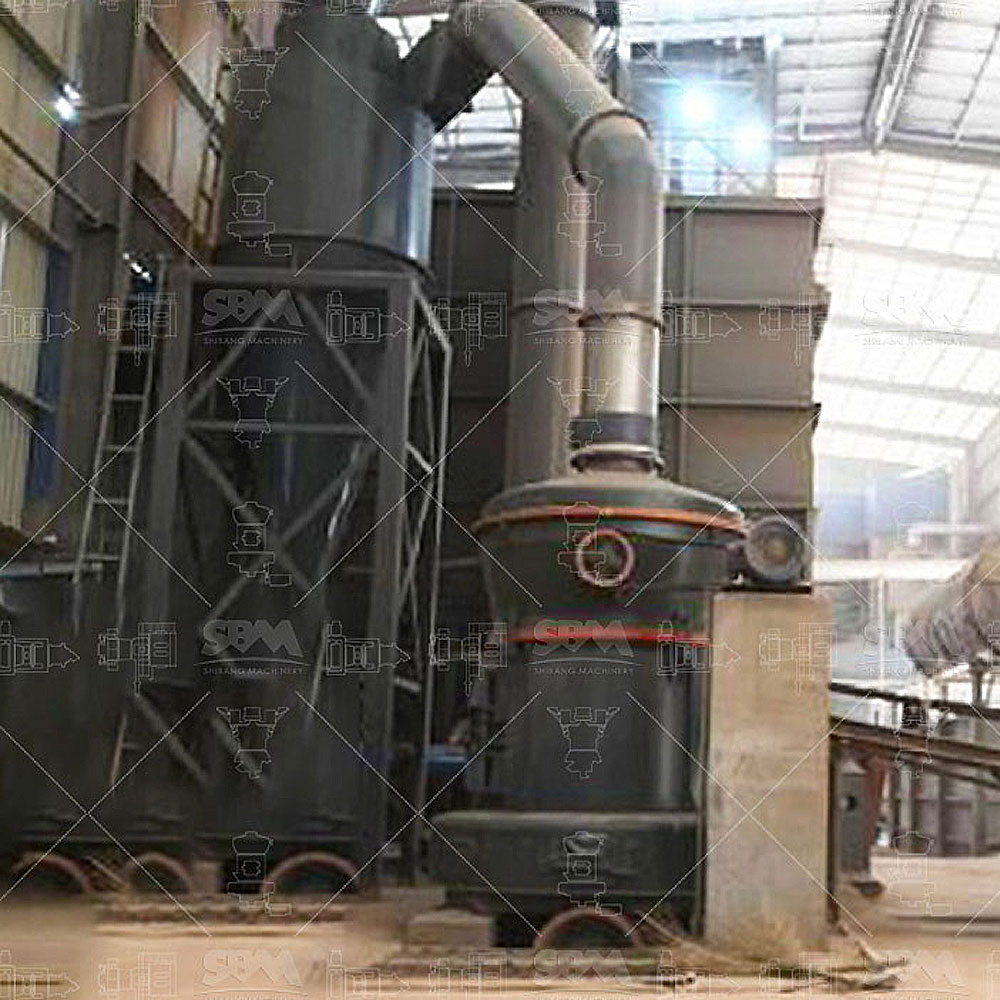
When energy efficiency and space savings are paramount, the LM Vertical Roller Mill emerges as a superior choice. This mill integrates crushing, drying, grinding, and separation into a single unit, offering a system that occupies about 50% less space than traditional ball mill circuits—a significant advantage for plant retrofits or space-constrained sites. Its operating costs are notably low due to minimal direct wear; the grinding rollers do not contact the grinding plate directly, and both are constructed from high-quality, durable materials. For fly ash, which may require some drying, this integrated approach can reduce energy consumption by 30-40% compared to conventional systems. The automated control system allows for easy operation and stable product quality, crucial for consistent fly ash specifications.
For applications demanding ultra-fine fly ash (e.g., high-performance concrete, advanced composites), the SCM Ultrafine Mill and LUM Ultrafine Vertical Mill are the technologies of choice. The SCM series can achieve fineness up to 4000 mesh, transforming ordinary fly ash into a high-value nano-material. Its design emphasizes high output with low energy consumption, offering more than twice the capacity of some jet mills while using 30% less energy. The heavy rotor design and special material selection for rollers and rings ensure exceptional durability against abrasive particles. The LUM Ultrafine Vertical Mill takes this further by integrating advanced German powder-separating technology. Its unique grinding curve design promotes stable material bed formation, enhancing efficiency and the yield of fine product from the first pass. Both mills feature sophisticated, sealed systems that operate under negative pressure, eliminating dust spillage and meeting stringent environmental standards—a non-negotiable aspect of modern industrial processing.
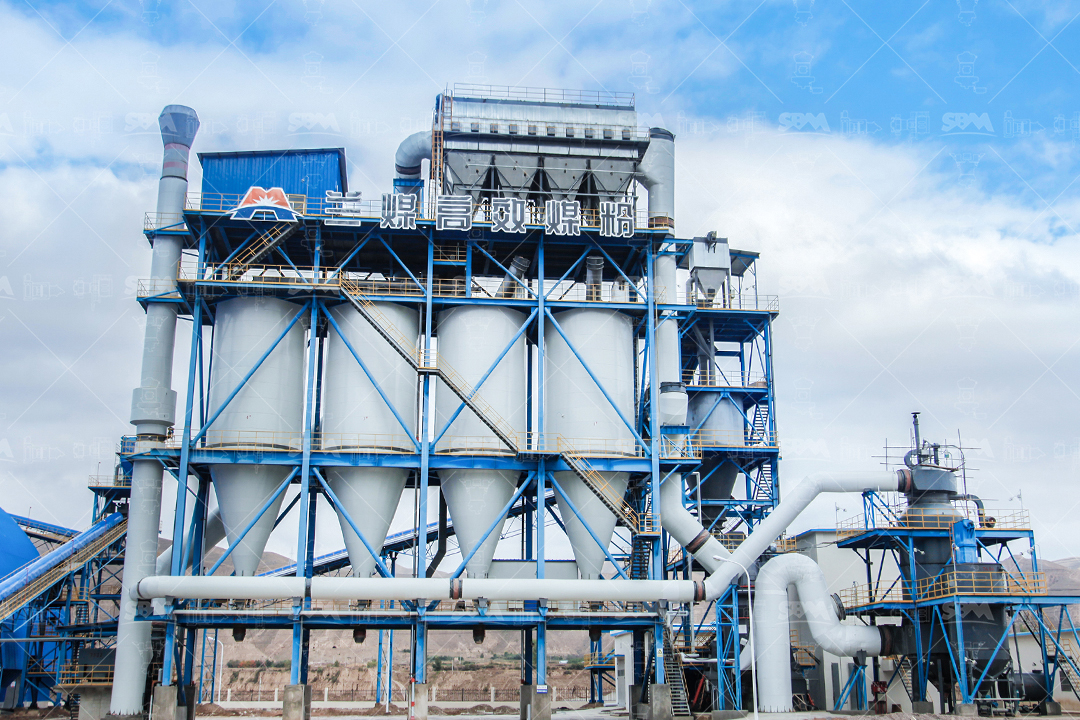
While newer technologies often take the spotlight, the optimized Ball Mill remains a viable, mature solution for certain fly ash processing circuits, particularly where cost-effective, straightforward grinding to a consistent granularity is needed. SBM's optimized ball mills address historical pain points like high liner and ball wear through improved structural designs and advanced materials. They are offered in both dry and wet configurations, providing flexibility based on the specific downstream use of the fly ash.
In conclusion, the "suitable equipment" for fly ash is not a one-size-fits-all answer. It depends on the desired fineness, required capacity, plant infrastructure, and total cost of ownership goals. From the high-volume, robust MTW Mill and the space-saving, efficient LM Vertical Mill to the precision ultra-fining capabilities of the SCM and LUM mills, SBM Machinery provides a spectrum of solutions. With a legacy of serving the global powder processing industry, SBM's equipment is engineered to transform fly ash from a waste product into a consistent, reliable, and valuable resource.
Frequently Asked Questions (FAQs)
Q1: Our current fly ash grinding system has high energy consumption and frequent wearing part replacements. What solution offers the best long-term operating cost savings?
A: The LM Vertical Roller Mill is specifically designed to address these pain points. Its grinding principle reduces energy consumption by 30-40% compared to traditional ball mill systems. Furthermore, its design minimizes direct contact and uses high-quality materials for grinding components, drastically reducing wear rates and the frequency and cost of part replacements.
Q2: We need to produce ultra-fine fly ash for specialty concrete applications but are concerned about process complexity and dust control.
A: The LUM Ultrafine Vertical Mill is an ideal choice. It integrates grinding, separation, and conveying in a fully sealed system that operates under negative pressure, ensuring no dust spillage. Its intelligent PLC/DCS control system simplifies operation, allowing for precise fineness control (up to 4000 mesh) with stable, automated operation, minimizing manual intervention.
Q3: Our plant space is very limited. Is there an efficient fly ash grinding system that doesn't require a large footprint?
A: Yes. The LM Vertical Roller Mill system has a compact, integrated design that occupies approximately 50% of the space required by a conventional ball mill system. Its vertical structure and ability to be installed outdoors make it perfect for space-constrained or retrofit projects.
Q4: The chemical composition and moisture content of our fly ash feedstock can vary. Will this affect grinding efficiency and product consistency?
A: SBM's mills, particularly the MTW and LM series, are designed with robustness in mind. The MTW Mill's arc air duct and the LM Mill's integrated drying function can handle variations in feed moisture. The advanced automatic control systems on these mills continuously monitor and adjust key parameters (like grinding pressure and classifier speed) to maintain consistent product fineness despite feed variability.
Q5: We are new to fly ash processing and need more than just equipment. What support does SBM offer?
A: As a total solution provider, SBM offers comprehensive support from initial system design and layout through installation, commissioning, and operator training. We provide expertise across the entire mineral processing workflow, ensuring your fly ash grinding plant is optimized for your specific raw material and end-product goals, guaranteeing performance and reliability.


