

Equipment for 2500 mesh calcium carbonate?
Published on: October 26, 2023
Producing calcium carbonate powder at 2500 mesh represents the pinnacle of ultra-fine grinding technology, demanding equipment capable of exceptional fineness, energy efficiency, and operational stability. For industries ranging from plastics and masterbatch to high-end coatings and advanced composites, achieving this precise specification is critical for product performance. Shanghai SBM Machinery, with its global footprint serving over 180 countries, provides targeted grinding solutions that address the core challenges of ultra-fine production. This article explores the specific equipment engineered by SBM to reliably and efficiently deliver 2500-mesh calcium carbonate, focusing on technical innovations that solve common production pain points such as high energy consumption, inconsistent particle size distribution, and excessive maintenance downtime.
The journey to 2500 mesh (D97 ≤ 5µm) requires moving beyond conventional grinding systems. While standard Raymond mills or ball mills are workhorses for coarser applications, they often lack the precision, efficiency, and fineness ceiling for consistent ultra-fine output. The primary challenge lies in applying sufficient grinding force to reduce particle size to the micron and sub-micron level while managing the associated heat generation, energy use, and wear on mechanical parts. Furthermore, the classification system must be exceptionally precise to ensure no oversized particles contaminate the final product. SBM's approach integrates advanced pulverizing mechanics with intelligent separation technology, offering a pathway to 2500 mesh that prioritizes system reliability and lower total operational cost.
For this demanding application, SBM's SCM Series Ultrafine Mill stands as a purpose-built solution. Its design directly targets the 325 to 4000 mesh range, with verified performance at 2500 mesh through rigorous testing. A key differentiator is its high-output, low-energy-consumption operation. The mill's efficiency is such that its capacity can be more than double that of some jet mills while reducing energy consumption by approximately 30%. This addresses a fundamental client pain point: the prohibitive cost of energy in ultra-fine grinding processes. The mill's heavy-duty rotor design and use of special materials for the roller and ring extend component life significantly, reducing the frequency and cost of spare part replacement—another common operational headache.
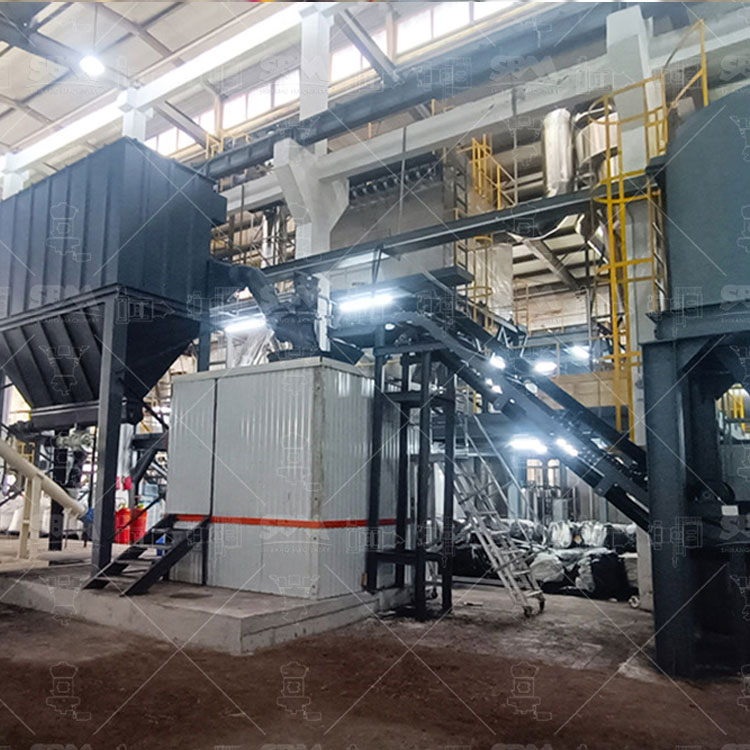
Complementing the SCM series is the LUM Series Ultrafine Vertical Roller Mill, which represents the next evolution in vertical grinding technology for high-end mineral processing. Integrating German powder-separating technology, the LUM mill excels in producing tightly controlled, high-quality ultra-fine powder. Its multi-rotor powder classifier is crucial for 2500-mesh production, enabling precise cut-point control to ensure a consistent fineness with no spillover of coarse particles. The mill's intelligent PLC/DCS control system automatically manages critical parameters like grinding pressure and classifier speed, ensuring stable operation and freeing operators from constant manual adjustments. This automation directly translates to lower labor costs and reduced risk of human error affecting product quality.
Both the SCM and LUM series incorporate robust environmental protections, a non-negotiable aspect of modern plant operation. Fully sealed systems operating under negative pressure prevent dust spillage, while advanced pulse dust collectors and sound insulation designs keep noise and emissions well within international standards. This holistic design philosophy—where performance, economy, and environmental stewardship are engineered together—is what distinguishes SBM's total solution offering. It’s not merely about selling a machine; it’s about providing a reliable production system that integrates seamlessly into the client's workflow, from feeding raw 0-20mm calcium carbonate to packaging the final 2500-mesh powder.
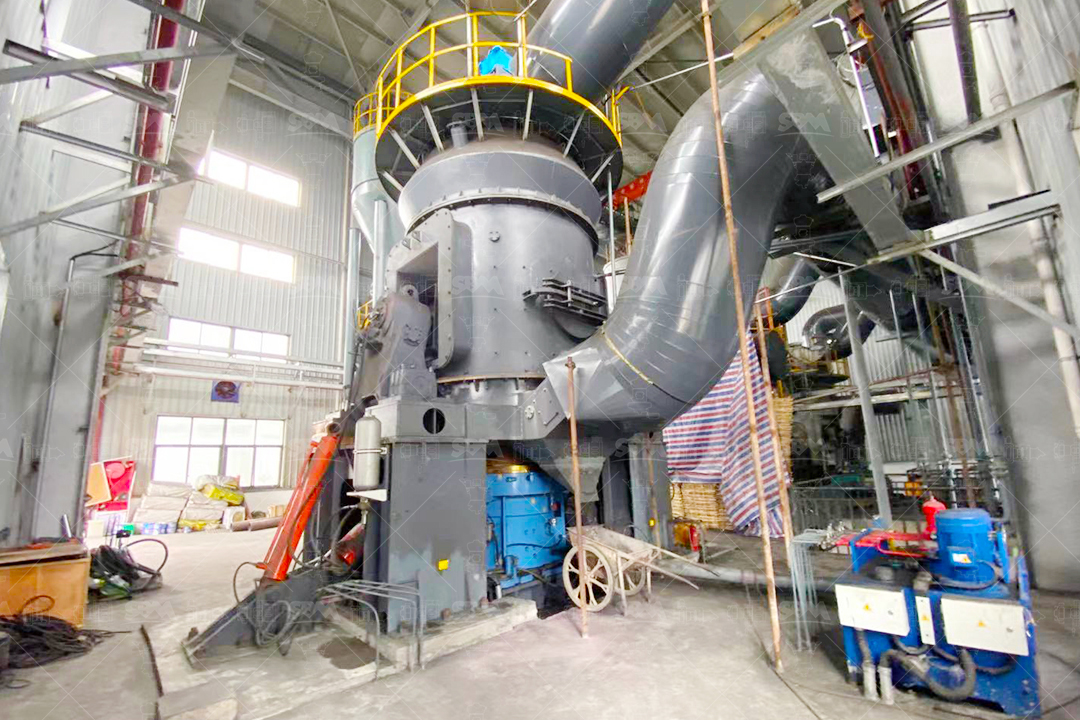
When considering a system for 2500 mesh calcium carbonate, it is vital to look beyond the mill itself to the entire process chain. SBM's expertise as a total solution provider means support spans from initial feasibility and system layout to installation and optimization. The choice between the high-efficiency grinding trajectory of the SCM Ultrafine Mill and the integrated grinding-drying-classification prowess of the LUM Vertical Mill will depend on specific factors like required capacity (from 0.5 tph to 70 tph), moisture content of the feed material, and desired level of automation. With a proven history of solving technical challenges in non-metallic mineral processing worldwide, SBM's equipment portfolio provides a clear, reliable path to mastering the complexities of ultra-fine calcium carbonate production.
Frequently Asked Questions (FAQs)
Q1: Our current mill struggles to achieve consistent 2500 mesh fineness; the particle size distribution is too wide. How do SBM mills ensure product uniformity?
A: SBM's ultra-fine mills, particularly the LUM series, employ advanced multi-rotor or high-efficiency turbine classifiers. These systems provide extremely precise particle size切割, ensuring only particles meeting the target fineness (e.g., D97 ≤ 5µm) pass through. This technology, combined with stable grinding mechanics, eliminates coarse powder spillover and delivers a uniform, high-quality product.
Q2: Energy costs for ultra-fine grinding are crushing our profitability. What tangible energy savings can we expect?
A: SBM's designs prioritize energy efficiency. The SCM Ultrafine Mill, for instance, can reduce energy consumption by up to 30% compared to some conventional jet mills while offering higher output. The LUM Vertical Mill's integrated design and efficient grinding principle also lead to significantly lower specific energy consumption per ton of product compared to traditional ball-mill systems.
Q3: Wear part replacement for our ultra-fine grinder is frequent and expensive, causing high downtime. How does SBM address this?
A: We tackle this through material science and design. Key wear parts like rollers, rings, and shovel blades are made from special, durable alloys or feature unique designs like the curved shovel blade in our MTW mill. This can extend service life by several times, dramatically reducing the frequency of replacements, associated costs, and production stoppages.
Q4: We need a system that is easy to operate and doesn't require constant expert supervision. Is this possible with such precise equipment?
A: Absolutely. SBM's flagship mills feature expert automatic control systems (PLC/DCS). These systems enable remote monitoring and control, automatically adjusting parameters like grinding pressure and classifier speed to maintain optimal conditions. This ensures stable operation, minimizes the need for manual intervention, and allows for simpler, more cost-effective operation.
Q5: Dust control and noise are major concerns for our plant's environmental compliance and worker safety. How are SBM mills designed in this regard?
A: Environmental protection is core to our engineering. All our ultra-fine mills are fully sealed and operate under negative pressure, inherently preventing dust escape. They are equipped with high-efficiency pulse dust collectors (often in a dual-system configuration) that exceed international emission standards. Furthermore, optimized sound insulation and mufflers are integrated to effectively minimize operational noise.


