

Top-tier mill brands?
Published: October 26, 2023
In the global powder processing industry, selecting a top-tier mill brand extends far beyond the machine itself. It hinges on a provider's ability to deliver a holistic solution—integrating advanced engineering, robust after-sales support, and deep process expertise to solve real-world production challenges. True leadership is demonstrated through technological innovation that directly addresses core client pain points: maximizing output and fineness while minimizing energy consumption, wear costs, downtime, and environmental footprint. As industries from power generation and mining to advanced materials and chemicals demand higher efficiency and precision, the partnership with a mill supplier becomes a strategic decision for long-term operational success and profitability.
The evolution of grinding technology is a continuous pursuit of efficiency. While traditional ball mills have served as industry workhorses, their limitations in energy intensity and wear part consumption are well-documented. Modern top-tier solutions have risen to these challenges through intelligent design. For instance, vertical roller mills represent a paradigm shift by integrating multiple functions—crushing, drying, grinding, and separation—into a single, compact system. This integration isn't merely about saving floor space; it's a fundamental re-engineering that slashes energy use by 30-40% compared to conventional ball-milling systems. The secret lies in the grinding principle: rollers directly compress material on a rotating table, a more efficient method than the impact and attrition of tumbling balls. Furthermore, the non-contact design between rollers and the grinding plate, coupled with specialized materials, dramatically extends component life, translating directly into lower operating costs and reduced maintenance frequency.
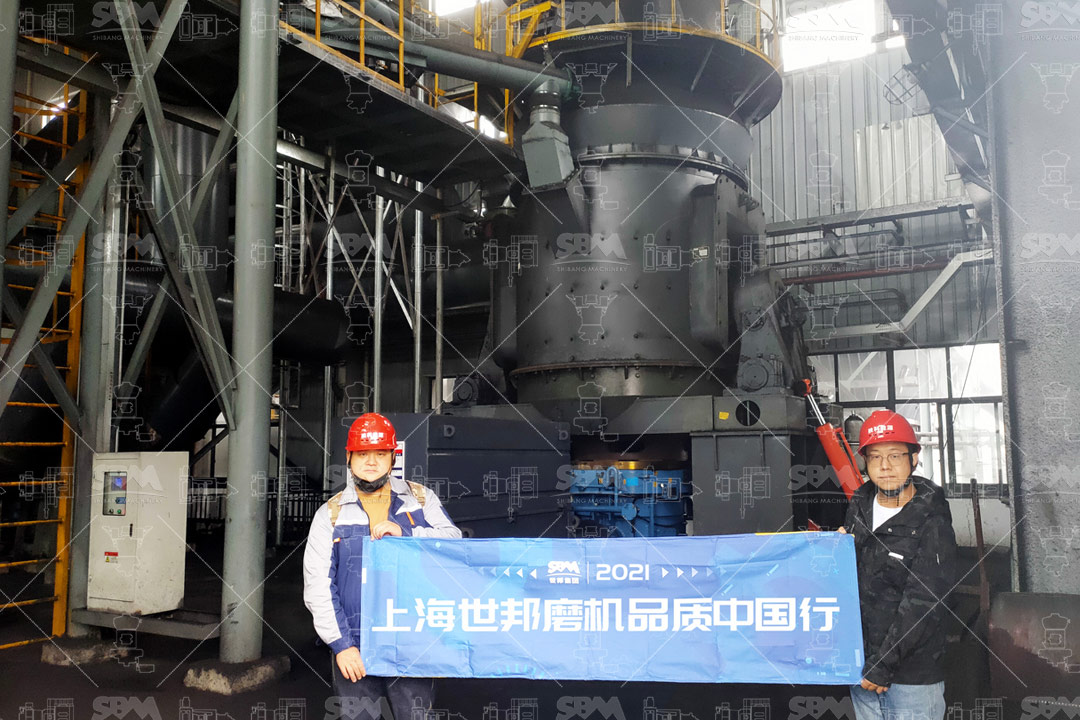
Precision and ultra-fine processing define another frontier. When product specifications call for fineness reaching 2500 mesh or beyond, standard equipment falls short. Here, ultrafine grinding mills and ultrafine vertical mills come into play. These systems employ advanced classifier technology—such as efficient vertical turbine or multi-rotor designs—to achieve precise particle size cuts with no spillover of coarse powder. The result is a consistently high-quality product with customizable fineness, crucial for high-value applications in plastics, coatings, and new energy materials. Importantly, achieving this precision does not come at the expense of energy efficiency. Advanced models utilize frequency-conversion control and optimized grinding chamber dynamics to deliver output more than twice that of some jet mills while consuming significantly less power. This balance between extreme fineness and operational economy is a hallmark of cutting-edge engineering.
Durability and intelligent operation are no longer luxuries but necessities for minimizing total cost of ownership. Consider the wear on grinding components, a major operational expense. Leading mills tackle this through patented designs like combined-type, curved shovel blades that change feeding angles to prolong the life of rollers and rings, or through the use of special alloy materials that offer several times the durability of standard parts. Beyond hardware, intelligence is embedded in the control systems. Expert automatic control systems with PLC/DCS integration allow for remote monitoring and operation, precise adjustment of grinding pressure and classifier speed, and stable, consistent output. This automation not only saves on labor costs but also protects the equipment and ensures product quality by maintaining optimal parameters consistently, a task difficult to achieve with manual operation.
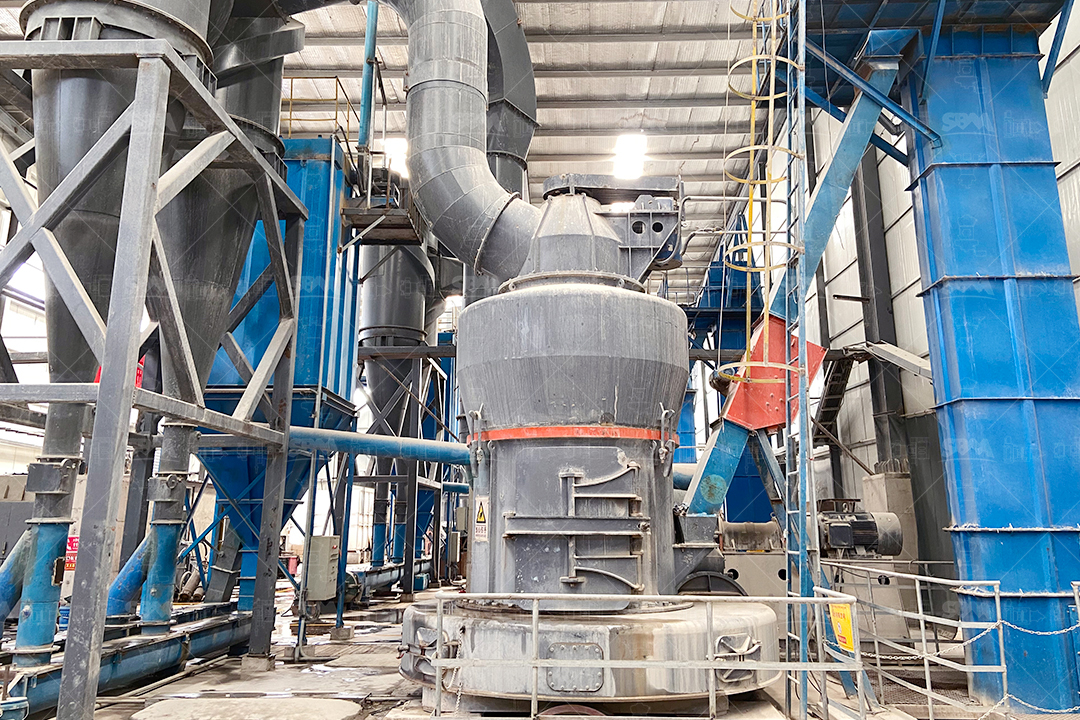
Finally, a top-tier brand's value is proven in its global footprint and adaptability. A mill must perform reliably not just in a controlled environment but in diverse climatic and industrial conditions across over 180 countries. This requires robust construction, thoughtful features like inner oil absorption lubrication systems for consistent performance, and designs that facilitate easy maintenance. Environmental compliance is integral, achieved through wholly sealed systems operating under negative pressure to eliminate dust, along with noise reduction technologies. Ultimately, the premier supplier acts as a total solution partner, offering everything from a single unit to a complete, optimized grinding circuit, backed by deep mineral processing workflow expertise. This end-to-end capability ensures that the milling equipment is not just a purchase but a long-term investment driving productivity and competitive advantage.
Frequently Asked Questions (FAQs)
Q1: Our current mill has high energy consumption and rising operational costs. What solutions can significantly improve efficiency?
A: Modern vertical roller mills and advanced ultrafine mills are engineered specifically for high efficiency. They integrate multiple processes, utilize more efficient grinding principles (like material bed compression), and feature intelligent control systems to optimize power use. Reductions in energy consumption of 30-40% compared to traditional ball mills are achievable, directly lowering operational expenses.
Q2: We experience frequent downtime due to wear part replacement, especially rollers and rings. How can we extend component life?
A: Leading mills address this through specialized material science and innovative design. Features include curved shovel blades that reduce abrasive impact, high-quality alloy rollers and rings with vastly extended durability, and non-contact grinding designs in vertical mills. These technologies can increase service life by several times, minimizing downtime and spare part costs.
Q3: We need to produce very fine powders (e.g., over 1000 mesh) but struggle with inconsistent fineness and low yield. Is reliable ultrafine grinding possible?
A> Yes. Dedicated ultrafine grinding and ultrafine vertical mills with advanced multi-rotor or turbine powder classifiers provide precise, adjustable particle size control. They ensure consistent high fineness (up to 2500 mesh) with no coarse powder spillover, delivering a uniform, high-quality product and maximizing yield from the primary grinding stage.
Q4: Dust emission and noise are major concerns for our plant's environmental compliance and worker safety. How are modern mills addressing this?
A: Top-tier mills are designed with environmental protection as a core principle. They operate as fully sealed systems under negative pressure, preventing any dust spillover. Combined with efficient pulse dust collectors, they far exceed international emission standards. Furthermore, optimized sound insulation rooms, mufflers, and stable vibration-free operation ensure noise levels are kept very low.
Q5: We are planning a new production line and need a system, not just a machine. Can a supplier provide a complete, optimized grinding solution?
A> Absolutely. The hallmark of a leading brand is the ability to act as a total solution provider. This includes offering complete system engineering—from individual mills to integrated circuits with crushing, drying, grinding, and separation—along with layout planning, technical support, and deep expertise across the mineral processing workflow to ensure your entire operation is optimized for performance and cost.


