

Effective stone mill brands?
Published: October 26, 2023
Selecting an effective stone mill is a critical decision for any operation in the powder processing industry, impacting productivity, product quality, and long-term operational costs. While numerous brands exist, the key lies in identifying equipment engineered to address core industry challenges: high energy consumption, excessive wear part costs, inconsistent fineness, complex maintenance, and stringent environmental regulations. This article explores the technical hallmarks of effective grinding solutions, drawing from the extensive expertise and global deployment of SBM Machinery's portfolio, which serves over 180 countries across sectors like mining, chemicals, building materials, and new energy. We will dissect the advanced features that define modern, efficient mills, from innovative transmission systems to intelligent automation, providing a framework for evaluating equipment that delivers not just raw power, but optimized, reliable, and sustainable performance.
The evolution of grinding technology has moved far beyond simple crushing mechanisms. Today's effective mills are integrated systems designed for specific material behaviors and end-product specifications. A primary consideration is the mill's adaptability across a range of input sizes and desired fineness. For instance, equipment capable of handling feed sizes up to 50mm and delivering outputs from coarse 30-mesh powders to superfine 4000-mesh products offers tremendous operational flexibility. This range is crucial for companies processing diverse mineral portfolios or seeking to expand their product lines without capital investment in multiple, single-purpose machines.
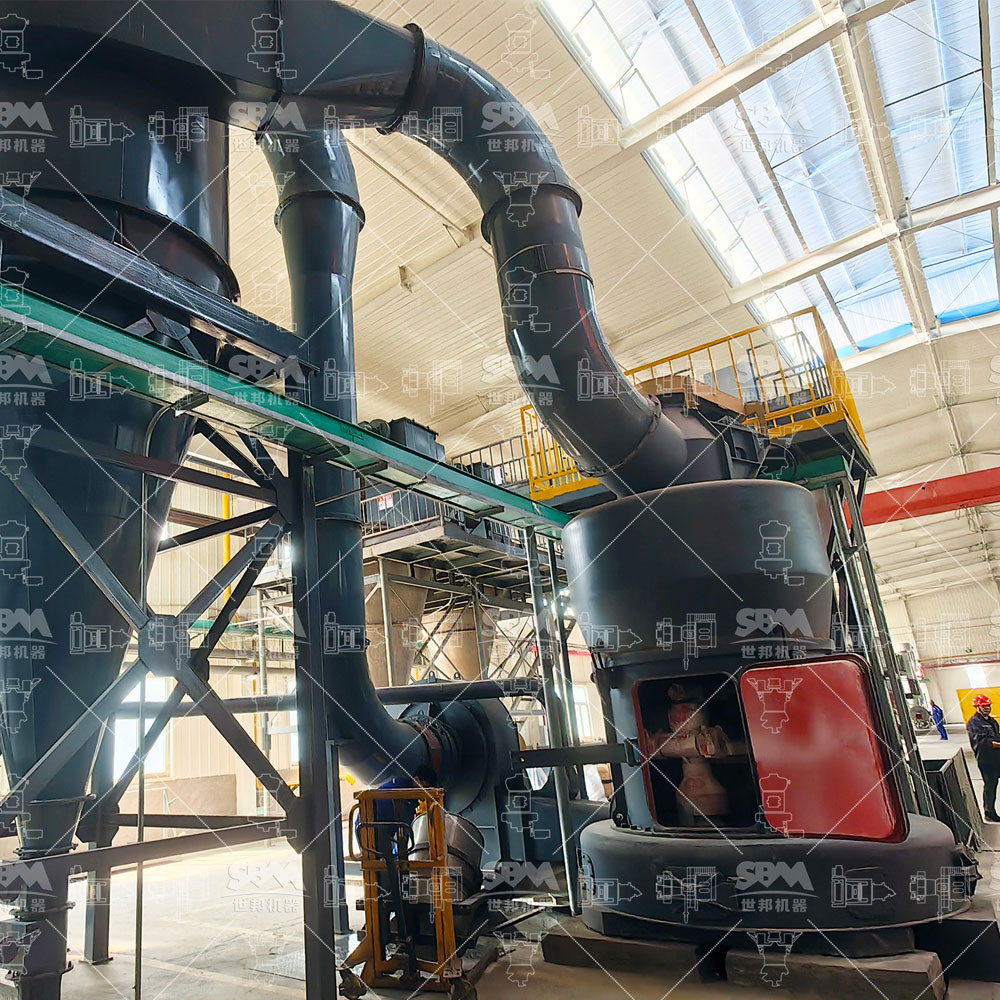
One of the most persistent pain points in milling is the cost and downtime associated with wear parts. Effective designs proactively combat this. Consider the MTW Series European Trapezium Grinding Mill. Its patented combined-type shovel blade is a paradigm of intelligent design. By allowing only the blade itself—not the entire assembly—to be replaced during maintenance, it drastically reduces spare part inventory and replacement labor. Furthermore, the curved design of these blades optimizes the feeding angle, which minimizes abrasive impact on the grinding roller and ring, extending their service life significantly and driving down the total cost of ownership. This focus on durability is complemented by engineering that enhances operational efficiency. The mill's cone gear whole transmission system eliminates traditional redundant components, achieving higher mechanical efficiency in a more compact footprint, which saves valuable plant space and reduces initial installation complexity.
For operations prioritizing high-volume throughput with integrated processing stages, vertical roller mills represent a pinnacle of efficiency. The LM Vertical Roller Mill integrates crushing, drying, grinding, and classification into a single, coherent unit. This holistic approach yields a system that occupies approximately 50% less floor space than a traditional ball-milling circuit. The direct grinding principle, where rollers compress material on a rotating table, is inherently more energy-efficient, often reducing power consumption by 30-40% compared to ball mills. This efficiency is bolstered by an expert automatic control system, enabling precise regulation of the grinding process and allowing for seamless operation via remote monitoring, which translates directly into lower labor costs and consistent product quality.
When the application demands extreme fineness, general-purpose mills fall short. The SCM Series Ultrafine Mill and LUM Ultrafine Vertical Mill are engineered for this high-end market. Achieving a fineness range from 325 to 4000 mesh, with a one-time grind reaching D97≤5μm, these mills incorporate advanced classifier technology. The efficient vertical turbine or multi-rotor powder classifiers ensure precise particle size cuts with no spillover of coarse powder, guaranteeing product uniformity. Despite their powerful performance, they are designed with operational economy in mind, offering output more than double that of some jet mills while consuming 30% less energy. Their heavy-duty rotor designs and special material selections for rollers and rings extend component life multiple times over conventional options.
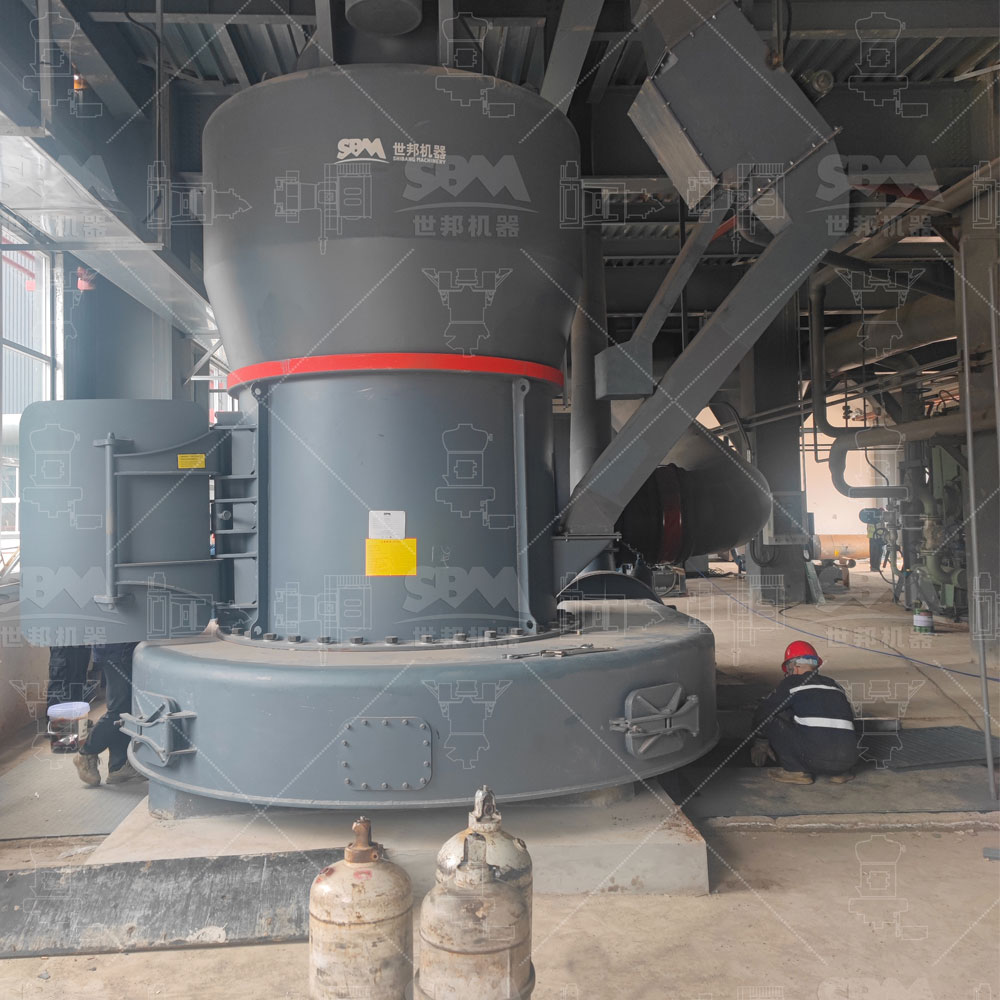
No discussion of modern industrial equipment is complete without addressing environmental and regulatory compliance. Effective stone mill brands now build environmental stewardship into their core design. Sealed systems operating under negative pressure are standard, preventing dust spillover and ensuring a cleaner, safer workplace. Innovations like arc air duct designs minimize air energy loss, while optimized sound insulation rooms and mufflers effectively contain operational noise. These features ensure that facilities can meet increasingly strict national and international emission standards without resorting to costly add-on filtration systems, making the mill itself a component of the plant's environmental solution.
Finally, the legacy technology of the ball mill has also been refined. Modern iterations address historical weaknesses like rapid metal ball wear and high energy consumption through improved structural designs and advanced materials. Whether configured for dry or wet grinding, contemporary ball mills offer reliable performance for specific applications like mineral dressing or common powder production, proving that even established technologies can evolve into effective, cost-conscious solutions when re-engineered with today's challenges in mind.
In conclusion, an effective stone mill brand is characterized not by a single model, but by a philosophy of continuous innovation targeting the real-world pain points of grinding operations. It offers a portfolio of solutions—from high-volume vertical rollers to precision ultrafine mills—each featuring intelligent wear management, energy-efficient processes, automated control, and inherent environmental protection. By prioritizing these technical advantages, businesses can invest in grinding equipment that ensures long-term reliability, superior product quality, and a sustainable, profitable operation.
Frequently Asked Questions (FAQs)
Q1: We constantly face high energy bills from our grinding operation. What type of mill is most efficient?
A: Vertical Roller Mills (VRMs) like the LM series are typically the most energy-efficient for medium to fine grinding. They integrate multiple processes and use a direct grinding method, often reducing energy consumption by 30-40% compared to traditional ball mill systems. Their compact design also reduces ancillary power needs.
Q2: Wear part replacement causes significant downtime and cost. How can this be minimized?
A: Look for mills with patented wear-part designs. For example, mills featuring combined-type, replaceable-only blades (instead of whole assemblies) and rollers/rings made from special, durable materials can extend service life by several times, drastically cutting part costs and maintenance frequency.
Q3: We need to produce very fine powders (over 2500 mesh) consistently. Is general equipment sufficient?
A: No, standard mills cannot achieve or maintain such fineness reliably. You require a dedicated ultrafine mill (like the SCM or LUM series) equipped with advanced, high-precision turbine or multi-rotor classifiers. These ensure accurate particle size cuts and prevent coarse powder contamination, guaranteeing consistent, high-fineness output.
Q4: Our plant must adhere to strict dust and noise pollution standards. Do industrial mills comply?
A: Modern, effective mills are designed for compliance. Key features include wholly sealed grinding chambers operating under negative pressure (preventing dust escape) and integrated noise reduction technologies like optimized sound insulation and mufflers. Always verify that the mill's emission and noise levels meet your local national standards.
Q5: We have limited floor space but need a full grinding circuit. What are our options?
A: An integrated Vertical Roller Mill is an excellent space-saving solution. By combining crushing, drying, grinding, and separation into one unit, it can reduce the required floor space by up to 50% compared to a multi-equipment ball mill system, and it can often be installed outdoors.


