

Beijing calcium carbonate equipment suppliers?
Published on: October 26, 2023
For businesses in Beijing and across China seeking reliable calcium carbonate processing equipment, the choice of supplier and technology is pivotal to operational success. Key challenges often revolve around achieving precise particle size control (from coarse GCC to ultrafine powders), managing high energy consumption, ensuring system stability for continuous production, and meeting stringent environmental standards. As a total solution provider with decades of global experience serving over 180 countries, we address these pain points through a portfolio of advanced grinding mills—each engineered for specific stages and fineness requirements in the calcium carbonate value chain. This article explores how modern milling technology, from robust trapezium mills to high-precision vertical and ultrafine systems, provides answers to the common dilemmas faced by producers in power generation, building materials, plastics, and paints.
The processing of calcium carbonate, from limestone to market-ready powder, demands equipment capable of versatility, efficiency, and consistency. A one-size-fits-all approach is inadequate. For initial size reduction and coarse to medium-fine grinding (30-400 mesh), the MTW Series European Trapezium Mill offers a proven, robust solution. Its design directly tackles operational cost concerns. The unique combined-type shovel blade minimizes wear part replacement—only the blade itself needs changing, not the entire assembly. Furthermore, the Cone Gear Whole Transmission system enhances mechanical efficiency, reducing energy loss compared to traditional gearing. For producers looking to consolidate process steps, this mill’s integrated arc air duct design ensures smooth material flow and pneumatic transport, reducing internal energy loss and protecting components from abrasive wear.
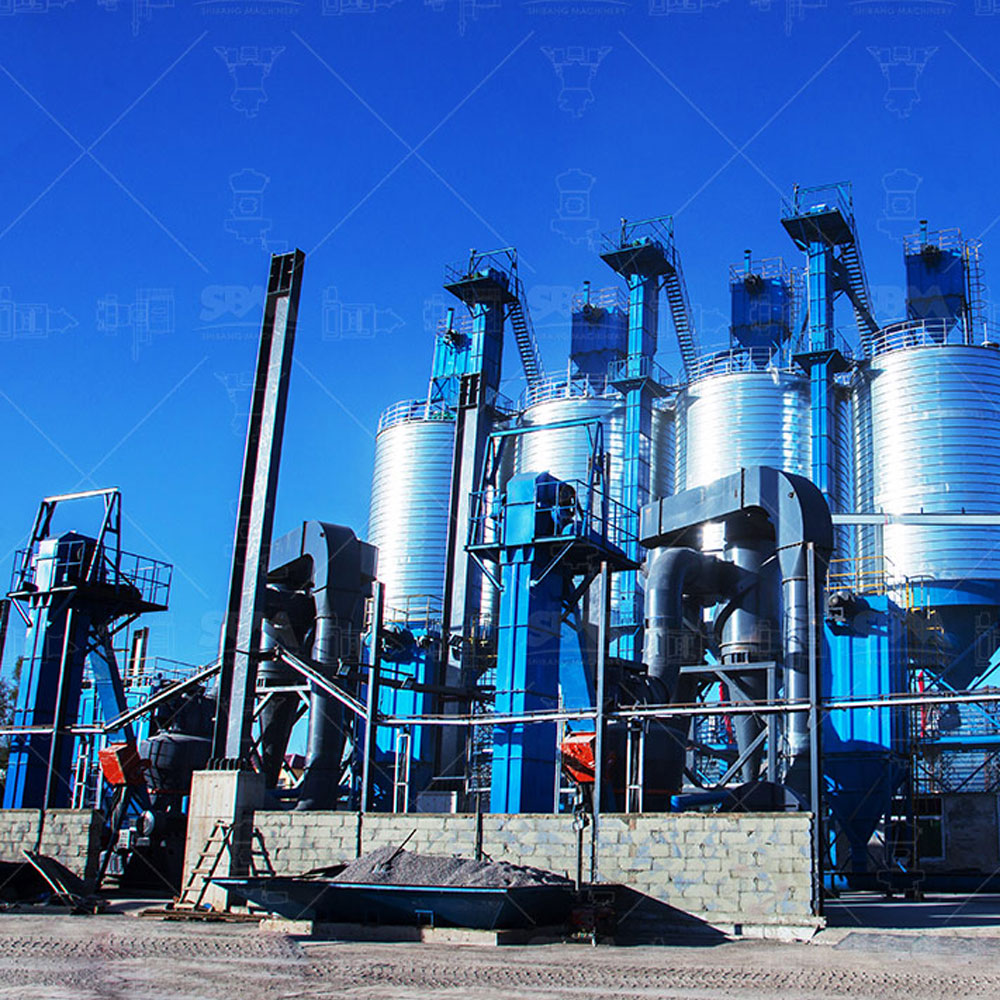
When project scales up and energy efficiency becomes the paramount concern, especially for high-volume production of ground calcium carbonate (GCC), the Vertical Roller Mill (VRM) represents a technological leap. Its core advantage lies in integration: combining drying, grinding, classification, and conveying into a single, compact unit. This significantly reduces the plant's footprint—often by 50% compared to traditional ball mill systems—and lowers comprehensive investment in auxiliary equipment. The operating cost savings are substantial. The grinding principle, where rollers compress material on a rotating table without direct metal-to-metal contact, leads to remarkably lower wear and up to 40% less energy consumption than ball milling. For Beijing-based operations mindful of energy intensity targets, this is a critical benefit. Additionally, its fully sealed, negative-pressure operation inherently controls dust, addressing a major environmental and workplace safety pain point.
The pursuit of high-value, ultrafine (325-4000 mesh) and modified calcium carbonate products requires specialized technology. Here, the SCM Series Ultrafine Mill and LUM Ultrafine Vertical Mill come to the fore. The SCM mill is designed for high-output, fine-powder production with exceptional energy economy, consuming 30% less energy than some jet mill technologies. Its heavy-duty rotor and rigid construction ensure stability, a vital factor for maintaining consistent particle size distribution (PSD) in sensitive applications like plastics and paints. For the most demanding high-end applications requiring superior product quality and process intelligence, the LUM Ultrafine Vertical Mill integrates advanced German separation technology. Its multi-rotor classifier allows precise, customizable cut points, ensuring no coarse particles contaminate the final product. The intelligent PLC/DCS control system automatically maintains optimal grinding pressure and classifier speed, guaranteeing stability and freeing operators from constant manual adjustments.
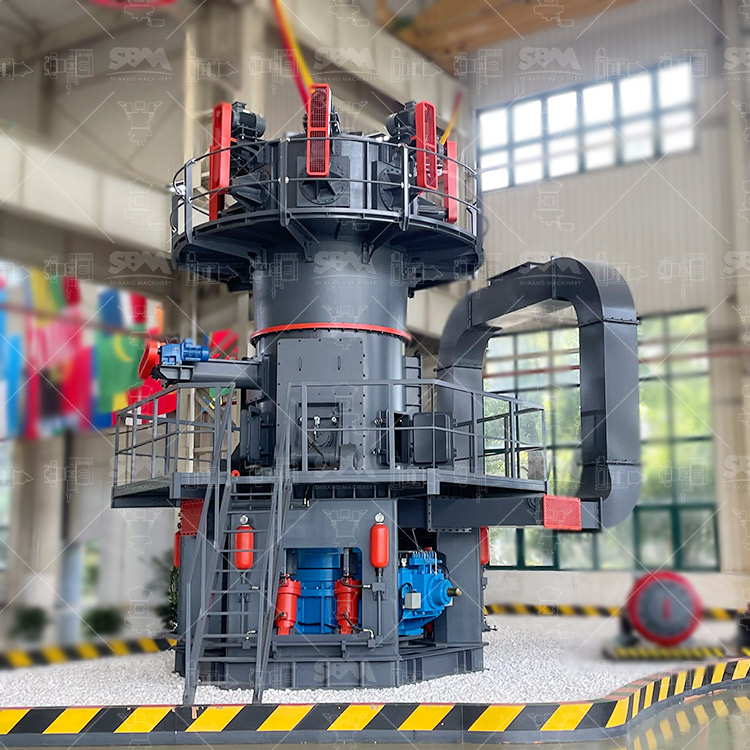
Even mature technologies like the Ball Mill have been re-engineered to address specific client grievances, such as rapid media wear and high energy use. Optimized designs and improved material specifications for liners and grinding media extend service life, reducing the frequency and cost of spare part inventory. Wet ball mills remain a cornerstone in certain mineral processing routes, offering reliability for specific slurry-based applications. The key for any calcium carbonate producer in Beijing is to partner with a supplier that offers not just isolated machines, but a coherent system solution backed by global application expertise. The right equipment choice, tailored to the specific raw material, target fineness, and capacity, transforms operational challenges into competitive advantages in quality, cost, and sustainability.
Frequently Asked Questions (FAQs)
Q1: We struggle with inconsistent particle size distribution, especially at finer meshes. How can your equipment ensure product uniformity?
A: Our LUM Ultrafine Vertical Mill and SCM Ultrafine Mill employ advanced, high-precision turbine classifiers with PLC-controlled speed regulation. This allows for exact cut-point control, ensuring a tight, consistent particle size distribution and eliminating coarse powder spillover, which is critical for high-end applications.
Q2: Energy costs are a major burden. Which solution offers the most significant reduction in power consumption?
A: For large-scale production (3-400 TPH), the Vertical Roller Mill is typically the most energy-efficient, consuming 30-40% less power than a traditional ball mill system due to its integrated grinding-drying principle and higher grinding efficiency.
Q3: Maintenance downtime for wear part replacement disrupts our production schedule. How do you address this?
A: Our mills are designed for durability and easy maintenance. For instance, the MTW Mill's patented shovel blade design allows for replacing only the wear tip, not the entire arm. Similarly, VRM rollers and tables use special alloys for extended life, and our optimized ball mills feature enhanced liner designs to reduce wear rates.
Q4: We need to expand production but have limited factory space. Is there a compact solution?
A: Yes. Vertical Roller Mills and Ultrafine Vertical Mills have a significantly smaller footprint than traditional systems (like ball mills with ancillary equipment). Their vertical, integrated design often reduces floor space requirements by approximately 50%, making them ideal for space-constrained sites.
Q5: How do your systems handle environmental compliance, particularly regarding dust emissions and noise?
A: All our modern mills (VRM, LUM, SCM) are fully sealed and operate under negative internal pressure, preventing dust escape. They are equipped with high-efficiency pulse bag dust collectors, ensuring emissions meet strict national standards. Additionally, optimized designs and sound insulation materials effectively control operational noise.


