

Sbm mills not for traditional medicine
Published on: October 26, 2023
In the global landscape of industrial powder processing, the name SBM Machinery is synonymous with precision, reliability, and technological advancement. While our grinding equipment serves a vast spectrum of industries—from power generation and building materials to mining, metallurgy, and new energy materials—it is crucial to clarify a fundamental distinction: SBM mills are engineered for industrial mineral and material processing, not for the preparation of traditional medicine. Our expertise lies in transforming raw minerals like limestone, calcite, slag, and petroleum coke into precisely graded powders that form the backbone of modern infrastructure and manufacturing. This article delves into the core technologies of our flagship grinding solutions, addressing the common industrial challenges of efficiency, cost, and environmental compliance that our equipment is designed to overcome.
The journey of raw material to refined powder is fraught with operational hurdles. Plant managers and project engineers consistently grapple with high energy consumption, excessive wear on mechanical parts leading to frequent downtime, inconsistent product fineness, sprawling system footprints, and stringent environmental regulations. These are the real-world pain points that dictate profitability and sustainability. At SBM Machinery, our R&D philosophy is directly shaped by feedback from over 9,500 clients across 180 countries, driving innovations that target these very issues.
Take, for instance, our MTW Series European Trapezium Grinding Mill. Born from extensive analysis of traditional mill shortcomings, it embodies efficiency. A key breakthrough is its Cone Gear Whole Transmission system. Unlike conventional designs with multiple moving parts prone to misalignment and energy loss, this integrated bevel gear drive ensures higher transmission efficiency, compact installation, and significantly reduced long-term investment costs. Furthermore, its Unique Wear-Proof Perching Knife Design directly tackles the pain point of high maintenance costs. The combined-type shovel blade allows for the replacement of only the blade segment, not the entire assembly, drastically cutting downtime and spare part expenses. The curved design also optimizes material feeding, extending the service life of critical components like rollers and grinding rings.
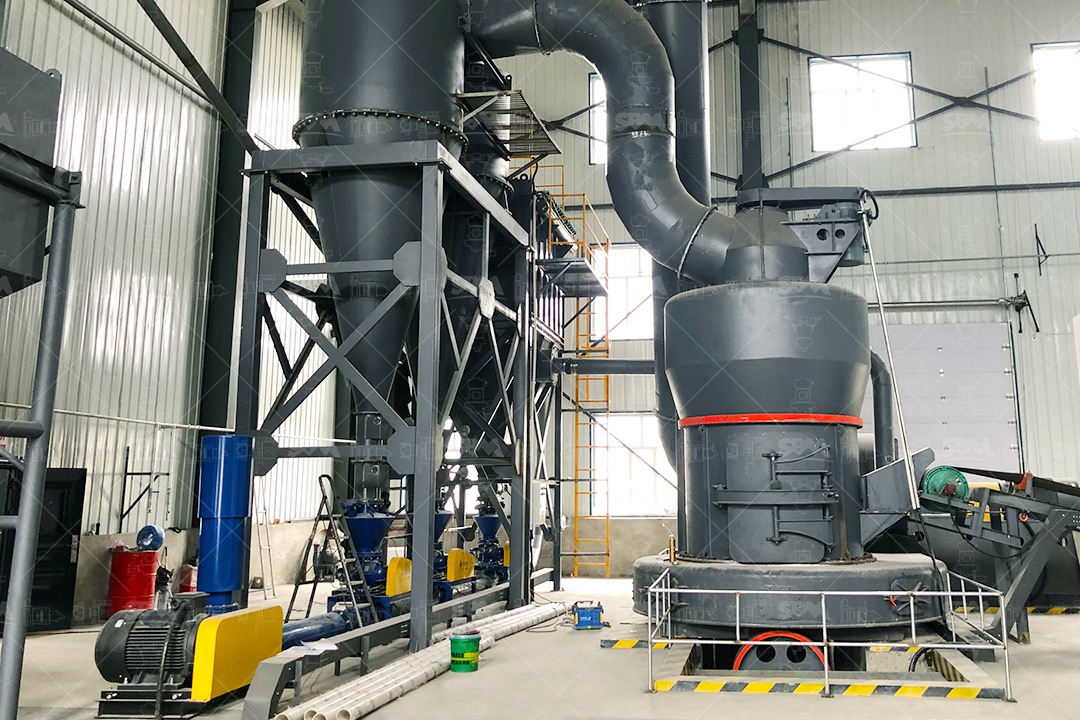
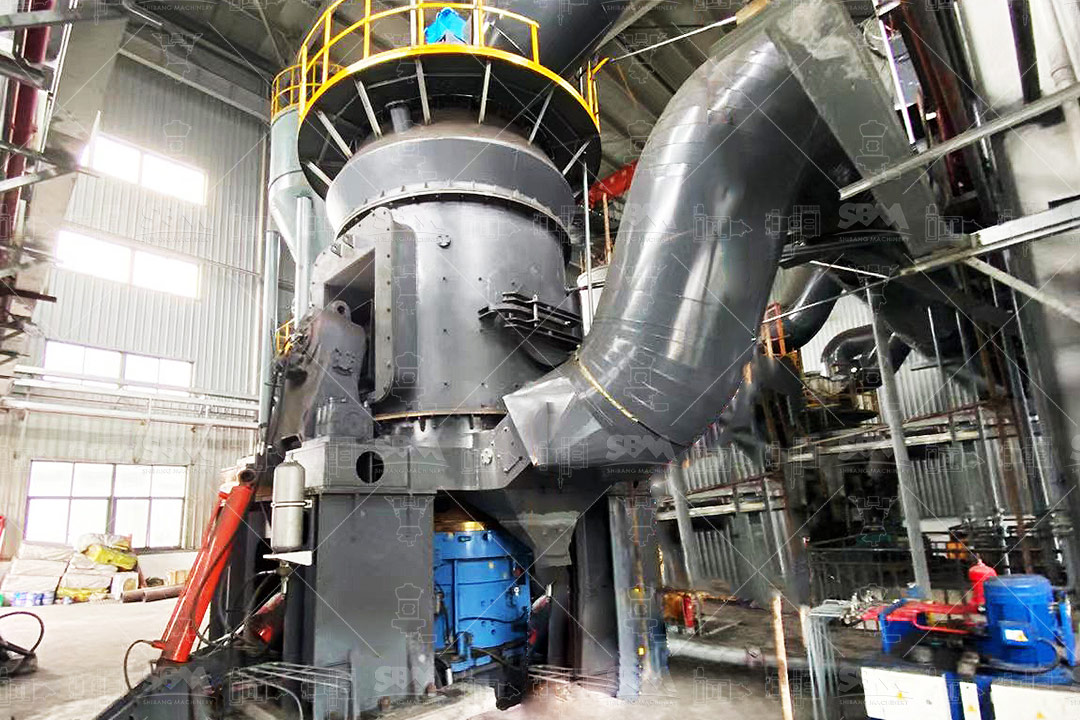
For projects demanding massive throughput within constrained spaces, the LM Vertical Roller Mill presents a paradigm shift. Its most compelling advantage is its Small Comprehensive Investment. By integrating crushing, drying, grinding, and classification into a single, vertically arranged unit, it reduces the floor space requirement by approximately 50% compared to traditional ball-mill systems. This compact, outdoor-capable design slashes civil engineering and infrastructure costs. Operationally, its Low Operating Costs are a direct response to energy and wear concerns. The grinding rollers operate on the bed of material on the plate with minimal direct metal-to-metal contact, resulting in up to 40% lower energy consumption and remarkably less wear. Coupled with an Automatic Control System for remote operation, it delivers consistent output while optimizing labor and power usage.
When the application calls for extreme fineness, general grinding mills fall short. This is the domain of our ultrafine solutions. The SCM Ultrafine Mill is engineered to produce powders ranging from 325 to 2500 meshes, achieving a disposable fineness of D97≤5µm. Its High Output and Low Energy Consumption are critical; it offers more than double the capacity of jet mills while consuming 30% less energy. For even more demanding high-volume ultrafine processing, the LUM Ultrafine Vertical Mill integrates advanced German powder-separating technology. Its Advanced Separation Technology ensures precise particle size distribution with no low-grade material spillover, guaranteeing product quality for high-end applications like plastics, cables, and artificial stone.
Finally, for robust and proven technology, our optimized Ball Mill range addresses the classic complaints of high liner/ball wear and energy use. Through structural enhancements and advanced materials, we have significantly reduced the cost and frequency of spare part replacement, offering both dry and wet process models to suit specific material characteristics.
Across all these solutions, a unifying thread is a commitment to Environmental Protection. From fully sealed systems operating under negative pressure to prevent dust spillage, to advanced pulse dust collectors and noise reduction technologies, SBM equipment is designed to help plants not only meet but exceed national and international environmental standards. This is industrial grinding, redefined for the modern age—focused on material transformation for construction, manufacturing, and energy, delivering the precision and reliability that global industry depends on.
Frequently Asked Questions (FAQs)
Q1: We struggle with frequent shutdowns due to wearing part replacement. How do SBM mills address this?
A: Our mills, like the MTW and LUM series, incorporate specialized designs such as segmented wear-proof shovel blades, high-quality roller/ring materials, and grinding principles that minimize direct metal impact. This engineering focus extends component lifecycles, reduces replacement frequency, and lowers overall operating costs.
Q2: Energy costs are crippling our profitability. Are SBM mills more efficient?
A> Absolutely. Key technologies like the integrated cone gear transmission (MTW), vertical roller grinding principle (LM, LUM), and high-efficiency classifiers can reduce energy consumption by 30% to 40% compared to traditional ball-mill or jet-mill systems, directly impacting your bottom line.
Q3: We need to produce very fine powders (over 1000 mesh) consistently. Is this possible?
A> Yes. Our SCM Ultrafine Mill and LUM Ultrafine Vertical Mill are specifically designed for this purpose, offering adjustable fineness up to 2500 meshes and D97≤5µm with stable output and advanced classification to ensure consistent quality.
Q4: Our plant space is limited. Can we still install a high-capacity grinding system?
A> The compact, vertical design of our LM and LUM mills is the ideal solution. They integrate multiple processes, reducing the required floor space by up to 50% compared to horizontal systems and can even be installed outdoors, minimizing your footprint and civil costs.
Q5: How do SBM mills help us comply with strict environmental regulations on dust and noise?
A> All our mills feature wholly sealed systems operating under negative pressure to contain dust. They are equipped with high-efficiency dust collectors (like pulse jet filters) and are designed for low vibration and noise, often incorporating sound insulation. This ensures your operation meets stringent environmental standards.


