

Sbm: mill investment considerations
Published: October 26, 2023
Investing in industrial grinding equipment is a significant capital decision that extends far beyond the initial purchase price. A truly strategic investment requires a holistic evaluation of operational efficiency, long-term reliability, total cost of ownership, and adaptability to future market demands. For over 180 countries and regions, Shanghai SBM Machinery has proven to be a partner in this complex decision-making process, offering a portfolio of advanced milling solutions—from the robust MTW European Trapezium Mill and high-capacity LM Vertical Roller Mill to the precision-focused Ultrafine Mill and LUM Ultrafine Vertical Mill, alongside the optimized traditional Ball Mill. This article explores the critical considerations for mill investment, framed through the lens of SBM's engineering philosophy and technological innovations designed to address core industry challenges.
The journey begins with a fundamental understanding of your raw material and desired product specifications. Parameters like feed size, required fineness (from coarse 30-mesh powders to ultra-fine 4000-mesh products), and desired capacity (from pilot-scale 0.5 tph to industrial-scale 400 tph) dictate the initial technology selection. However, the astute investor looks deeper. Operational costs, primarily driven by energy consumption and wear part replacement, can quickly eclipse the initial equipment investment. This is where SBM's design philosophy shines. For instance, the LM Vertical Roller Mill integrates crushing, drying, grinding, and separation into a single, compact unit, reducing footprint by approximately 50% compared to traditional ball-milling systems and lowering energy consumption by 30-40%. Its grinding rollers operate without direct metal-to-metal contact with the plate, dramatically reducing wear and extending component life.
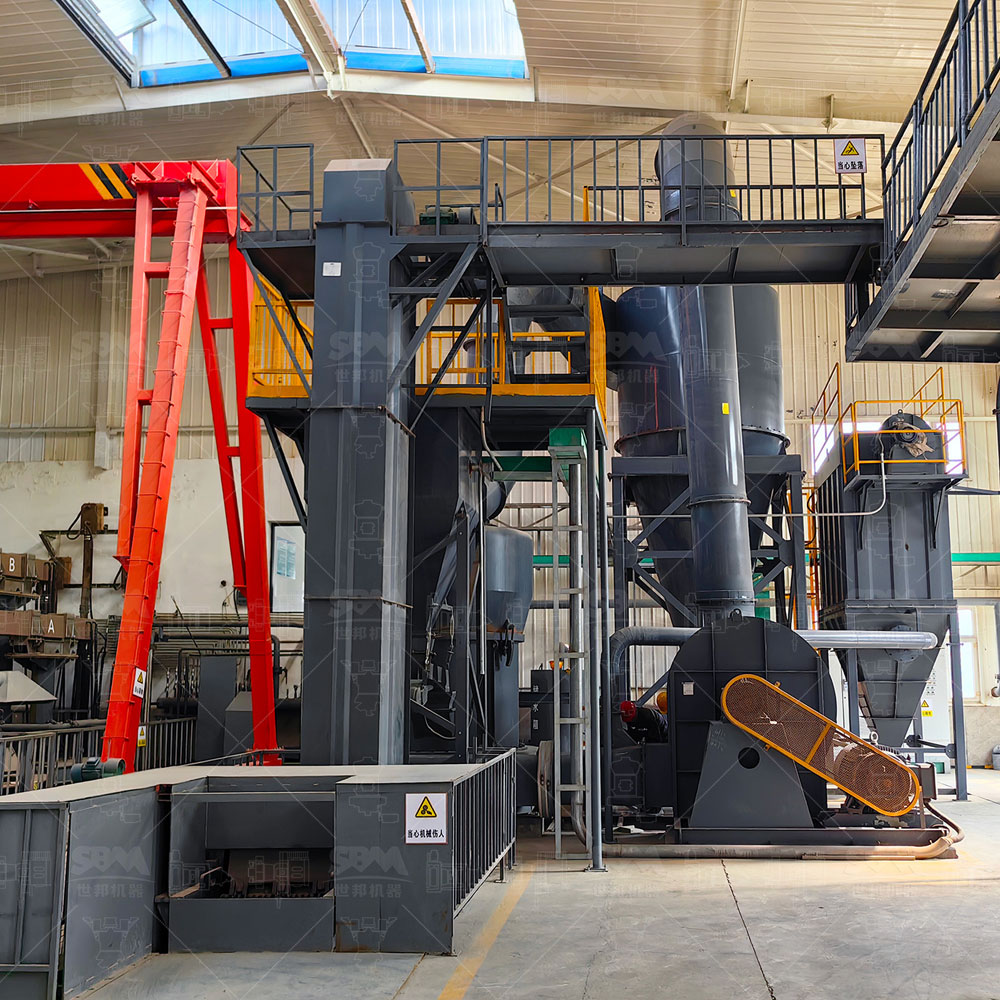
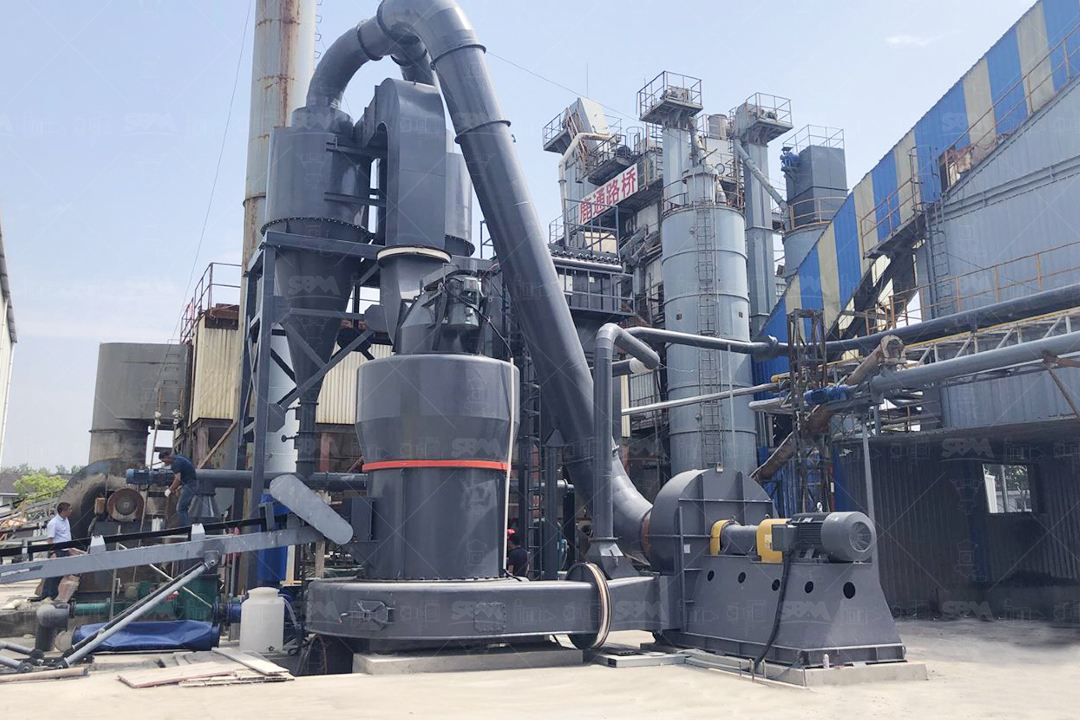
Similarly, the MTW European Trapezium Mill incorporates patented innovations aimed at cost containment. Its cone gear whole transmission system enhances efficiency while saving space. The unique curved shovel blade design not only optimizes feeding but allows for the replacement of only the blade itself during maintenance, not the entire assembly, slashing spare parts costs. The arc air duct design minimizes pneumatic energy loss, ensuring efficient material transport. These are not mere features; they are deliberate engineering responses to the universal pain points of high maintenance downtime and spiraling consumable expenses.
In today's industrial landscape, environmental compliance and operational intelligence are non-negotiable. Modern mills must operate cleanly and smartly. SBM's advanced mills, such as the LUM Ultrafine Vertical Mill and SCM Ultrafine Mill, are designed as fully sealed systems operating under negative pressure, effectively containing dust and meeting stringent national emission standards. Integrated noise reduction technologies further mitigate environmental impact. Beyond environmental stewardship, operational control is paramount. The integration of PLC/DCS automatic control systems across SBM's range, particularly notable in the LM and LUM series, enables remote monitoring and control, precise adjustment of grinding parameters, and stable, consistent output quality. This automation directly translates to reduced labor costs, minimized human error, and optimized process efficiency.
Finally, the choice between technologies often hinges on the application's specific demands. For high-volume processing of materials like cement clinker, slag, or coal, the LM Vertical Roller Mill offers unparalleled efficiency and scale. For producing ultra-fine powders for advanced industries like plastics, coatings, or new energy materials, the SCM or LUM Ultrafine Mills, capable of achieving fineness up to 4000 mesh with high output and low energy consumption, are the specialists. Even the traditional Ball Mill has been optimized by SBM with improved materials and design to address historical weaknesses like liner and ball wear, remaining a reliable and cost-effective solution for many mineral dressing and common powder production applications.
In conclusion, a prudent mill investment is a balance of precise application matching, a clear-eyed assessment of total lifecycle costs, and a commitment to sustainable, intelligent operation. It requires a supplier that offers not just a machine, but a total solution backed by global experience and continuous R&D. By focusing on core operational pain points—through integrated design, advanced automation, wear-resistant engineering, and environmental stewardship—SBM's grinding portfolio provides a framework for making an investment that delivers lasting productivity and return.
Frequently Asked Questions (FAQs)
Q1: Our main concern is the constant high cost of replacing worn grinding rollers and rings. How do SBM mills address this?
A1: SBM employs multiple strategies. The MTW Mill uses a unique curved shovel blade and wear-resistant material for rollers/rings, significantly extending service life. The LM Vertical Mill's design prevents direct contact between roller and table, while ultrafine mills use special alloy materials, making durability several times higher than conventional parts.
Q2: Energy consumption is our biggest operational expense. Are there mills designed specifically for efficiency?
A2: Absolutely. The LM Vertical Roller Mill is a standout, integrating multiple processes and consuming 30-40% less energy than traditional ball mill systems. The Ultrafine Mill (SCM) also offers output more than double that of some jet mills with 30% lower energy use, featuring intelligent controls for optimal power management.
Q3: We need to produce very fine powders but struggle with consistent fineness and low yield. What solutions exist?
A3: SBM's ultrafine grinding range (SCM & LUM) is engineered for this. They feature advanced, efficient turbine powder classifiers and multi-rotor classifiers that ensure precise particle size cuts with no coarse powder spillover, enabling consistent, high-yield production up to 4000 mesh.
Q4: Dust emission and plant cleanliness are major challenges for us. How are SBM mills sealed and controlled?
A4: Key mills like the LM, LUM, and SCM series are designed as fully sealed systems operating under negative internal pressure. This prevents dust escape. Coupled with efficient pulse dust collectors and double powder collection methods, they far exceed international emission standards, ensuring a clean workspace.
Q5: We want to reduce manual intervention and improve process stability. Do you offer automated control?
A5: Yes. Most advanced SBM mills come equipped with expert automatic control systems (PLC/DCS). These systems allow for remote operation, precise control over grinding pressure, classifier speed, and other critical parameters, enabling stable operation, consistent product quality, and direct labor cost savings.


