

Cement slag processing with medium-speed mills
Published on: October 26, 2023
The efficient processing of cement slag into valuable supplementary cementitious materials (SCMs) presents a significant opportunity for the cement and construction industries. However, achieving optimal fineness, throughput, and energy efficiency remains a persistent challenge. Medium-speed grinding mills, particularly advanced vertical roller mills and European-style trapezium mills, have emerged as superior solutions for transforming granulated blast furnace slag (GBFS) into high-quality micro-powder. This article explores the technical advantages of modern medium-speed mill technology, focusing on its application in slag processing to overcome common operational pain points such as high wear costs, excessive energy consumption, and inconsistent product quality. By integrating drying, grinding, and classification within a single, intelligent system, these mills offer a path toward more sustainable, cost-effective, and high-yield slag valorization.
The journey of granulated blast furnace slag from a by-product to a performance-enhancing material begins with efficient size reduction. Traditional ball mills, while reliable, often struggle with the abrasive nature of slag, leading to high media wear and substantial energy losses primarily as heat and noise. Modern medium-speed mills, such as the Vertical Roller Mill (VRM) and the European Trapezium Grinding Mill, are engineered to address these shortcomings directly. Their core principle involves material bed comminution, where slag is ground between a rotating table and rollers under hydraulic pressure. This method is inherently more efficient than the impact and attrition of tumbling balls, translating directly into lower specific energy consumption—often 30% to 40% less compared to traditional ball milling systems for the same output.
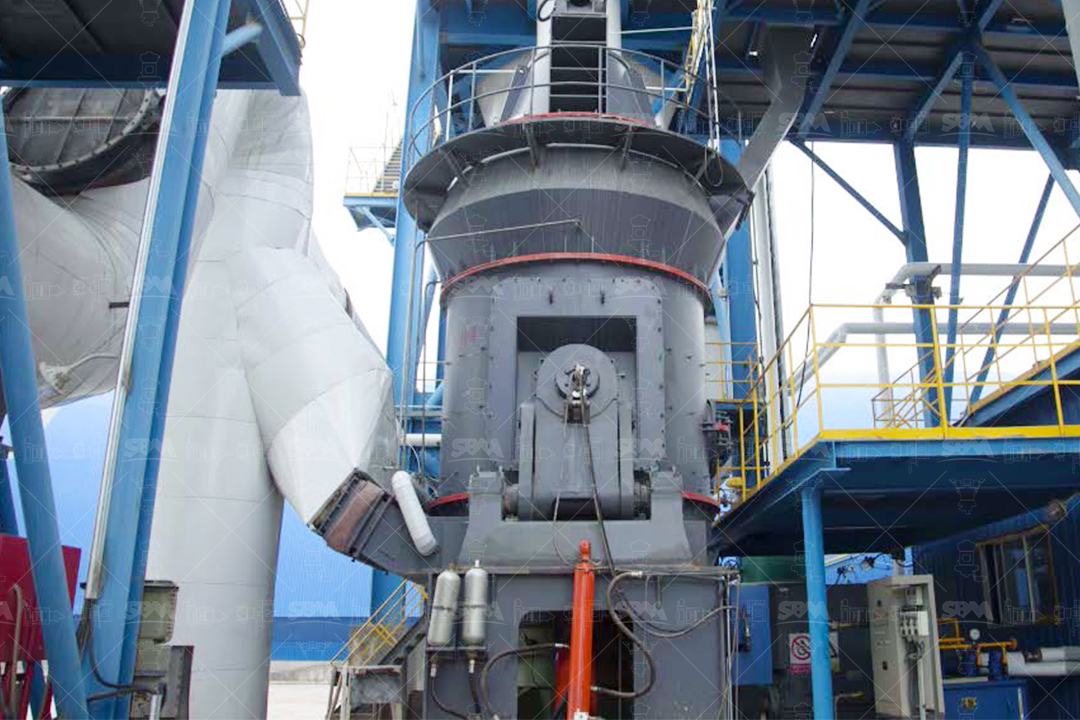
A key differentiator is the integrated design. A system like the Vertical Roller Mill consolidates crushing, drying (utilizing waste heat from kiln exhaust gases), grinding, and powder separation into one compact unit. This not only reduces the plant footprint by approximately 50% but also minimizes heat loss and simplifies material handling, lowering overall capital and operational investment. For slag, which often requires drying, this integration is particularly beneficial. The grinding elements themselves are a focal point of innovation. Features like unique wear-proof shovel blades in trapezium mills or specially designed roller and liner profiles in vertical mills are made from advanced materials, drastically extending service life. The combined-type shovel blade, for instance, allows for the replacement of only the wear segment, not the entire part, slashing maintenance costs and downtime.
Operational stability and product consistency are paramount. Here, intelligent automation plays a crucial role. Modern mills are equipped with PLC/DCS-based expert control systems that continuously monitor and adjust critical parameters such as grinding pressure, mill feed rate, and classifier speed. This ensures a stable material bed and consistent product fineness, typically ranging from 400 to 550 m²/kg (Blaine) for slag cement, without manual intervention. The system enables smooth remote operation and provides real-time data for predictive maintenance, addressing the pain point of unplanned stoppages. Furthermore, the advanced turbine classifiers or multi-rotor powder separators integrated into these mills offer precise particle size cut-point control, ensuring no coarse particles contaminate the final, highly reactive micro-powder.
Environmental compliance is no longer an option but a necessity. Medium-speed mills excel in this arena. The entire grinding circuit operates under negative pressure, preventing any dust emission at the source. High-efficiency pulse jet bag filters or a combination of powder collectors ensure dust collection rates far exceed international standards. Additionally, the low-vibration design and enclosed structure, complemented by sound insulation measures, keep noise pollution well within strict limits. This holistic approach to environmental protection safeguards worker health and facilitates plant operation in increasingly stringent regulatory landscapes.
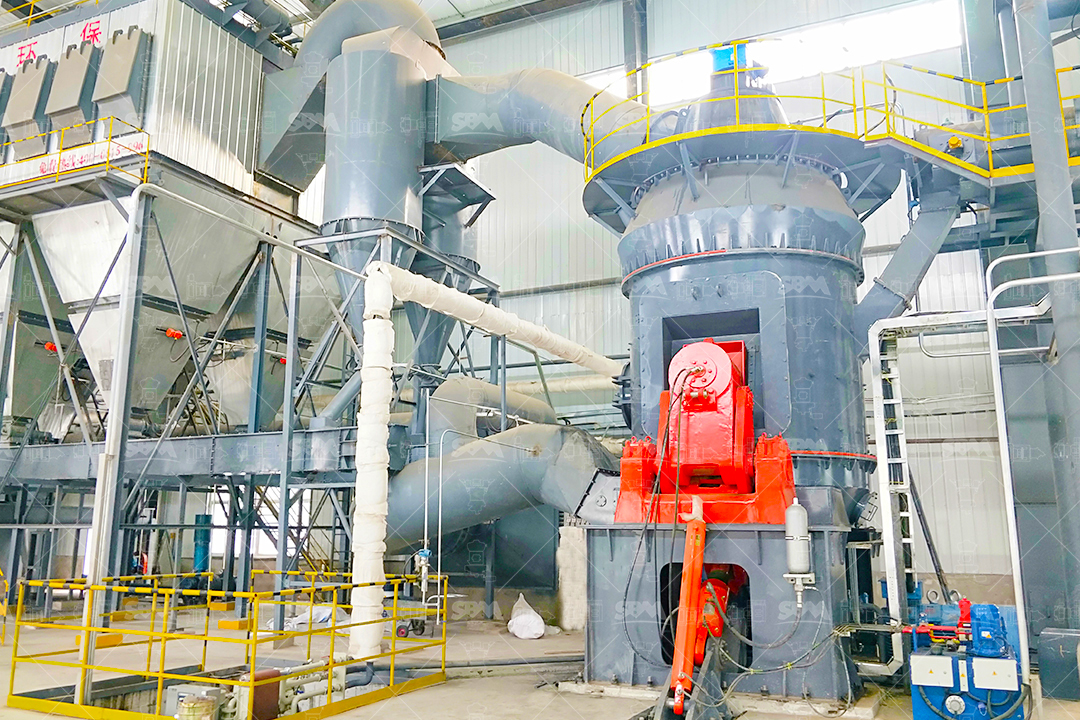
For projects requiring ultra-fine slag powder (exceeding 600 m²/kg), specialized ultrafine vertical mills take center stage. Building upon vertical mill technology, they incorporate enhanced grinding curves and high-precision multi-rotor classifiers. These mills can achieve fineness up to 4000 mesh, unlocking applications in high-performance concrete and specialty composites. Their energy-efficient design, where grinding energy is directly applied to the material bed, remains superior to jet mills for such fine grinding tasks, offering higher capacity with lower specific energy consumption.
In conclusion, the evolution of medium-speed grinding technology has fundamentally changed the economics and efficiency of cement slag processing. By tackling the classic trilemma of wear, energy use, and product quality head-on with integrated design, smart automation, and robust construction, these mills provide a future-proof solution. They transform slag from a waste management concern into a consistent, high-value product, supporting the industry's goals of circular economy and reduced carbon footprint.
Frequently Asked Questions (FAQs)
Q1: Our current ball mill for slag suffers from extremely high liner and grinding media wear. How do medium-speed mills improve this?
A1: Medium-speed mills like VRMs utilize a material bed grinding principle where rollers press on a bed of slag, minimizing metal-to-metal contact. Critical wear parts (rollers, table liners) are made from high-chromium alloy or composite materials with exceptional abrasion resistance. Designs like replaceable roller shells or segmental shovel blades further reduce lifetime wear costs by allowing targeted replacement, not of the whole component.
Q2: Energy cost is our biggest operational expense. What kind of savings can we realistically expect?
A2: Vertical Roller Mills typically offer 30-40% lower specific energy consumption (kWh/ton) compared to traditional ball mill systems for slag grinding to similar fineness. This is due to higher grinding efficiency, integrated drying using waste heat, and lower parasitic losses from auxiliary equipment like conveyors and bucket elevators in a more compact system.
Q3: We struggle to maintain a stable and consistent Blaine fineness, affecting our product quality. How is this controlled?
A3: Modern mills feature advanced, automated control systems. An expert system continuously adjusts the hydraulic grinding pressure, feed rate, and classifier rotor speed based on real-time data. This maintains a stable material bed thickness and ensures the classifier accurately removes only particles meeting the target fineness, delivering a consistent product with minimal variation.
Q4: Dust emission and noise are constant challenges for our plant's environmental permits. How are these addressed?
A4: The mill system is fully sealed and operates under negative pressure, preventing dust escape. High-efficiency baghouse filters with >99.9% collection efficiency are standard. Noise is controlled at the source through robust, low-vibration mill design, enclosed gearboxes, and optional acoustic enclosures or insulation, ensuring compliance with strict environmental standards.
Q5: We have limited space for a new grinding circuit. Can these systems fit into a constrained area?
A5: Yes, a significant advantage is the compact, integrated design. A complete Vertical Roller Mill system (including dryer-grinder-classifier) occupies about 50% of the space required for a ball mill system of equivalent capacity. The vertical layout and fewer auxiliary components allow for a smaller footprint and even outdoor installation, saving on civil construction costs.


