

Sbm: energy-saving mills focus on details
Published: October 26, 2023
In the demanding world of industrial grinding, efficiency is no longer a luxury but a fundamental requirement for profitability and sustainability. Shanghai SBM Machinery Equipment Co., Ltd. (SBM Machinery) addresses this imperative head-on with a philosophy that transcends mere equipment supply: a relentless focus on the intricate details of mill design and operation to deliver genuine, measurable energy savings. As a total solution provider, SBM understands that true efficiency is a holistic achievement, stemming from intelligent system integration, advanced material science, and intelligent control. This article delves into how SBM's portfolio of grinding mills—from the evolved European Trapezium Mill to the cutting-edge Ultrafine Vertical Mill—embodies this detail-oriented approach, transforming common industry pain points into opportunities for enhanced performance and reduced operational expenditure.
The journey toward energy efficiency often begins with rethinking transmission and mechanical design. SBM's MTW Series European Trapezium Grinding Mill exemplifies this. Moving beyond traditional gear configurations, it employs an integral Cone Gear Whole Transmission. This isn't just a minor tweak; it's a fundamental redesign that eliminates auxiliary components, reduces potential energy loss points, and achieves higher transmission efficiency in a more compact footprint. The result is direct energy savings and lower initial investment costs due to a simpler, more robust layout. Complementing this is the Inner Oil Absorption Lubrication System, a detail often overlooked. By ensuring precise, automated lubrication to critical moving parts, it minimizes friction—a silent but significant source of energy waste and wear—extending component life and maintaining peak operational efficiency over thousands of hours.
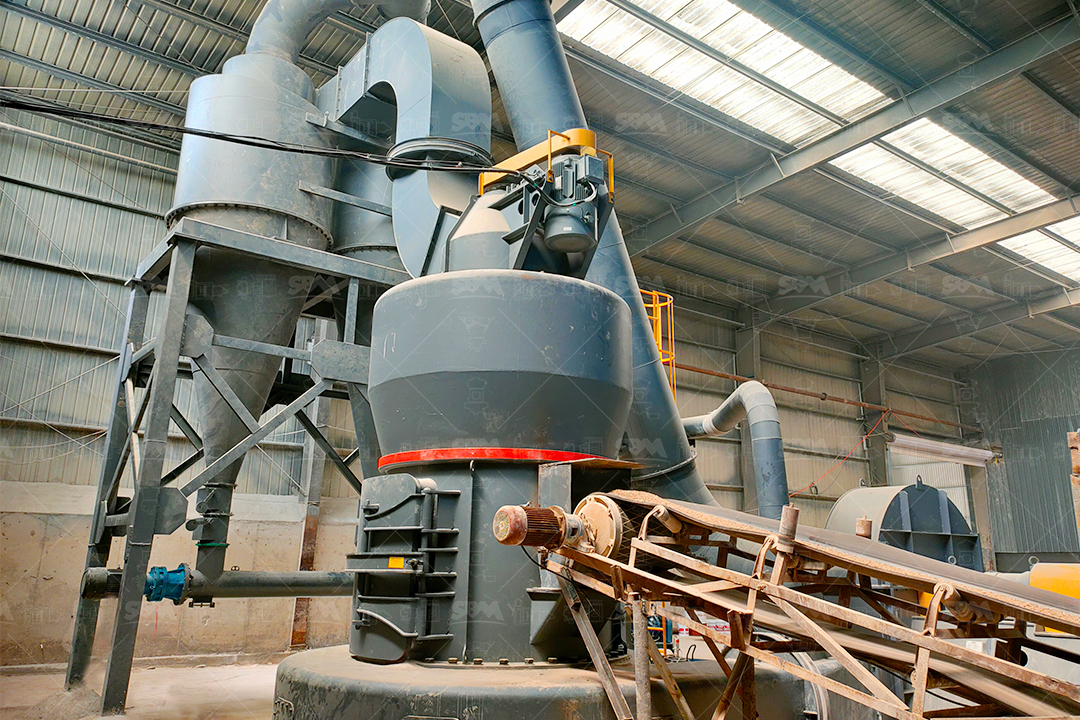
However, efficiency isn't solely about the grinding mechanism itself; it's equally about how material and air flow through the system. Here, SBM's attention to aerodynamic detail is paramount. The patented Arc Air Flue design in the MTW Mill replaces sharp-angled ducts with a smooth, circular pathway. This minimizes turbulence and resistance, allowing air to transport finished powder with less fan power required. Similarly, the wear-resistant volute design ensures this efficient flow is maintained over time, preventing performance degradation. This principle of optimized flow is elevated in the LM Vertical Roller Mill and LUM Ultrafine Vertical Mill. Their integrated design consolidates crushing, drying, grinding, and classification into a single, vertically stacked unit. This architecture inherently reduces the distance material and air must travel, cutting down on the number of auxiliary conveyors and fans needed. The system operates under negative pressure, which contains dust and improves flow dynamics, leading to a staggering 30-40% lower energy consumption compared to traditional ball-milling systems.
Wear part management is a critical, often costly, detail that directly impacts energy use. A worn roller or blade forces the mill to work harder, consuming more power for the same output. SBM tackles this through innovative geometry and material science. The MTW Mill's combined-type curved shovel blade is a masterclass in pragmatic design. Its shape optimizes the feeding angle to reduce abrasive impact, while its modular nature means only the blade itself, not the entire holder, needs replacement—dramatically cutting downtime and spare parts cost. For vertical mills, the principle of material bed grinding, where rollers compress material against a stationary table, inherently promotes lower wear than impact-based systems. When combined with specially formulated alloys for rollers and tables, the service life is multiplied, ensuring grinding efficiency remains consistently high and energy consumption stable over extended periods.
In the realm of ultra-fine grinding, where energy intensity is highest, SBM's focus shifts to precision control and classification efficiency. The SCM Ultrafine Mill and LUM Ultrafine Vertical Mill incorporate high-efficiency turbine classifiers. These devices use advanced multi-rotor principles to achieve sharp, accurate particle size cuts. Why does this matter for energy savings? An inefficient classifier allows coarse particles to re-circulate back to the grinding chamber—a process known as "over-grinding" that wastes immense amounts of energy. By ensuring a precise cut on the first pass, SBM's mills eliminate this waste, delivering more target product per kilowatt-hour. This is managed by intelligent PLC/DCS Automatic Control Systems that continuously monitor and adjust parameters like grinding pressure, classifier speed, and feed rate. This digital vigilance maintains the mill at its optimal operating point, adapting to material variations in real-time to prevent energy spikes and ensure consistent, low-consumption production.
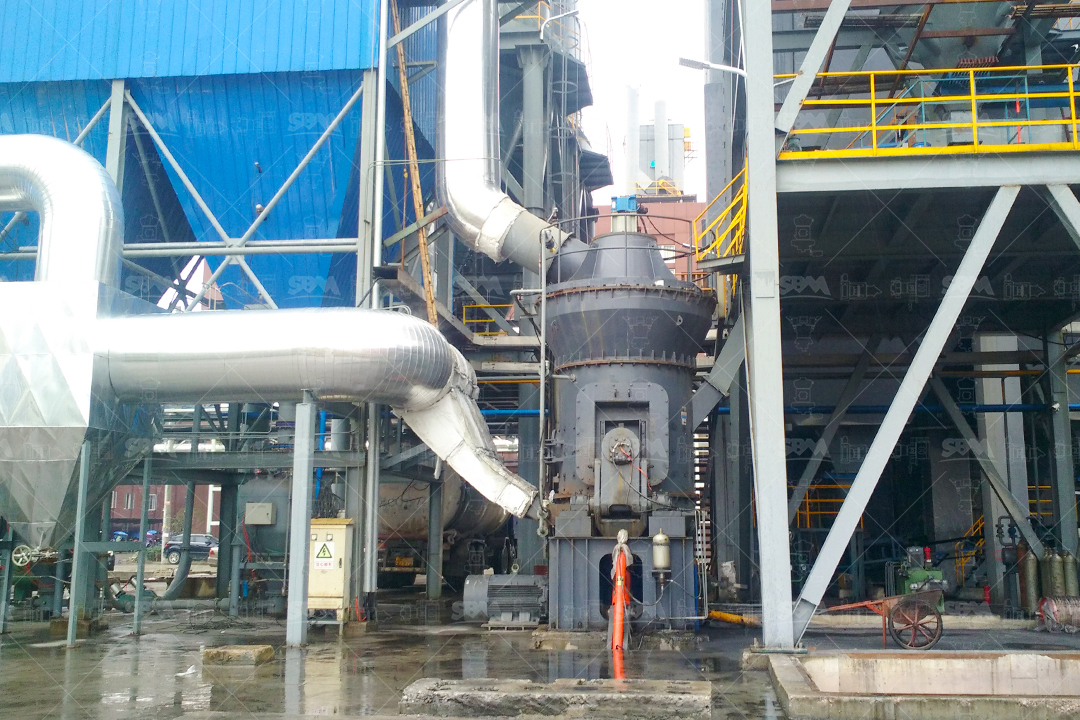
Ultimately, SBM's detail-oriented philosophy converges on operational stability and environmental synergy. A mill that vibrates excessively or requires constant manual intervention is inherently inefficient. Features like the heavy-duty rotor design with dynamic balancing in ultrafine mills, and the stable bed-grinding principle in vertical mills, ensure smooth, low-vibration operation. This not only saves energy but also reduces mechanical stress on the entire system. Furthermore, the comprehensive sealing and negative-pressure operation across all mill types prevent dust leakage, which represents a loss of valuable product and imposes a burden on external dust collection systems. By internalizing this efficiency, SBM mills meet stringent environmental standards while ensuring that every watt of energy is dedicated to productive grinding, not compensating for system losses.
From the macro-level system integration to the micro-level design of a single gear tooth, SBM proves that in the pursuit of industrial grinding efficiency, the devil—and the salvation—is in the details. It is this unwavering commitment to optimizing every aspect of the milling process that has made SBM equipment the preferred choice for over 180 countries, turning the universal challenge of high energy consumption into a manageable variable controlled by intelligent engineering.
Frequently Asked Questions (FAQs)
- Our current mill system has high energy consumption and unstable output quality. Can SBM's solutions provide a holistic improvement, or do they only address specific parts?
SBM operates as a total solution provider, meaning we analyze your entire grinding workflow—from feed material characteristics to final product collection. Our mills are designed with integrated systems (drying, grinding, separating) to eliminate inefficiencies between stages. The advanced automatic control system is key here, as it stabilizes operations and optimizes parameters in real-time for consistent quality and lower specific energy consumption (kWh/ton). - Wear part replacement is a major cost and cause of downtime for us. How do SBM mills specifically address this pain point?
We address this through both design and material. Designs like the MTW's replaceable shovel blade or the vertical mill's material bed principle drastically reduce wear rates. Furthermore, we use special, durable alloys for grinding rollers, rings, and tables. This combination extends service life by multiples compared to conventional parts, reducing frequency of change-outs, associated downtime, and long-term operating costs. - We need to produce very fine powders (over 2500 mesh) but are concerned about the exponential energy cost. How do your ultrafine mills manage energy efficiency at such high fineness?
The core of our efficiency in ultrafine grinding lies in the precision of our classification technology. The high-efficiency turbine classifiers in our SCM and LUM mills ensure a sharp particle size cut, minimizing the recirculation of "near-size" material that leads to energy-wasting over-grinding. Additionally, the stable grinding bed and intelligent control system keep the entire process at its most efficient operating point, even at extreme fineness levels. - Dust emission and noise are significant environmental and workplace concerns for our plant. How are SBM mills designed to handle this?
Environmental protection is built into the fundamental design. All our major mill systems operate under fully sealed, negative-pressure conditions. This means air leaks inward, preventing dust from escaping. Coupled with efficient pulse dust collectors, emissions are kept far below standards. For noise, optimized structural designs, sound insulation chambers, and mufflers are employed to effectively contain equipment noise, creating a better working environment. - We are planning a new production line and are worried about high upfront investment for an energy-efficient system. Is the cost saving only operational?
No, the savings begin with the investment itself. Mills like the LM and LUM Vertical Roller Mills have a compact, integrated design that can reduce floor space by up to 50% compared to traditional systems like ball mills. They can also be installed outdoors, saving on building costs. The simpler system layout with fewer auxiliary devices (conveyors, feeders) also reduces initial capital expenditure, making the overall project more economical from day one.


