

Sbm: mica processing line workflow
Published: October 26, 2023
Efficient mica processing demands a meticulously designed workflow that balances throughput, fineness control, energy consumption, and operational stability. Shanghai SBM Machinery Equipment Co., Ltd., as a total solution provider with global experience serving over 180 countries, addresses these core challenges through a portfolio of advanced grinding technologies. This article outlines a professional mica processing line workflow, integrating SBM's engineered equipment—from the MTW European Trapezium Mill for coarse to medium grinding to the LUM Ultrafine Vertical Mill for high-value superfine powders—to transform raw mica into consistent, market-ready products for industries like paints, coatings, plastics, and cosmetics. We will explore how a systematic approach, leveraging specific mill advantages at each stage, mitigates common production pain points and enhances overall profitability.
The journey begins with raw mica ore preparation, involving crushing, screening, and potentially drying to achieve a consistent feed size (typically below 50mm). Uniform feedstock is critical for stabilizing the subsequent grinding stages and protecting equipment. For initial size reduction to a coarse or medium powder (30-100 mesh), the MTW Series European Trapezium Grinding Mill offers a robust solution. Its cone gear whole transmission and inner oil absorption lubrication system ensure reliable, high-efficiency operation with lower mechanical loss. The unique curved shovel blade design minimizes wear on the roller and ring, directly addressing the industry pain point of high consumable part replacement costs and frequent maintenance downtime. This stage sets a stable foundation for further refinement.
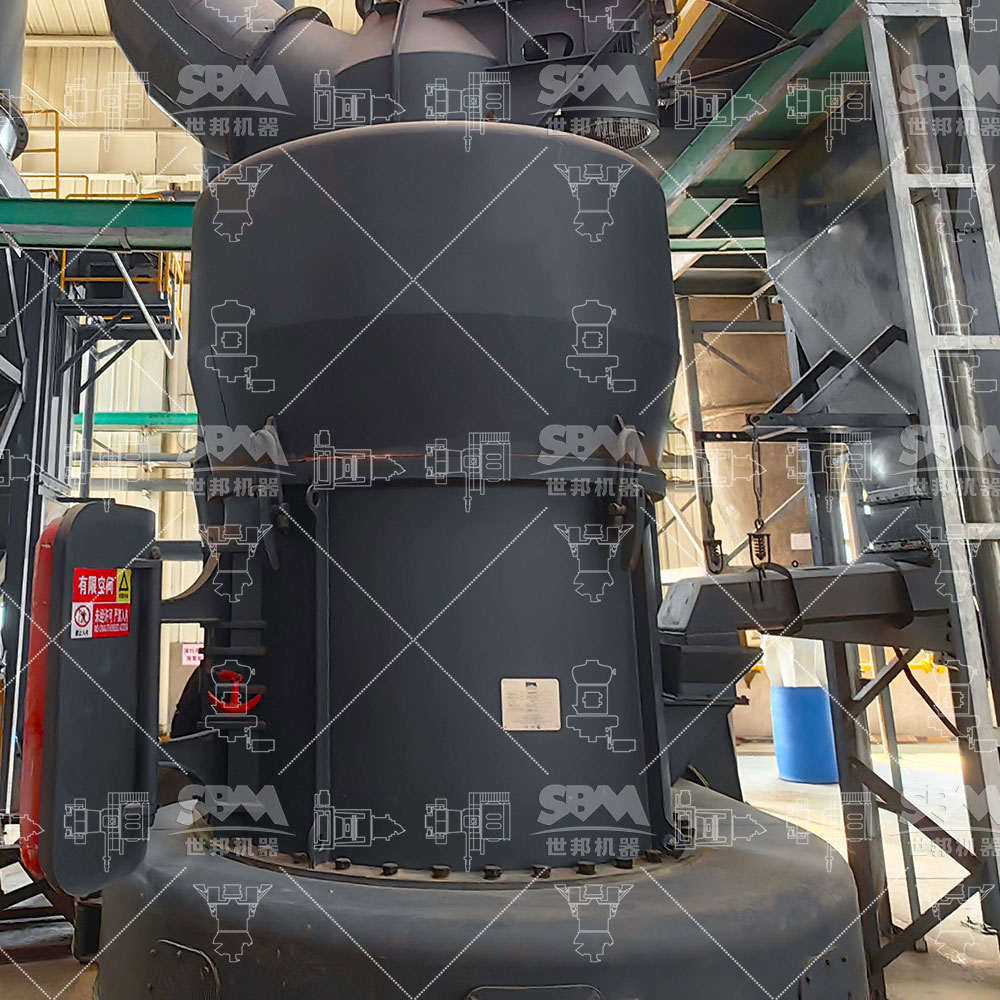
For producing fine mica powders (400-2500 mesh), which are highly sought after for their enhancing properties in composites and pigments, the workflow transitions to advanced fine grinding systems. Here, energy efficiency and precise particle size distribution become paramount. The LUM Ultrafine Vertical Mill excels in this domain. Integrating grinding, separation, and transportation, its design based on German powder separating technology ensures accurate classification with no spillover of coarse particles. The PLC/DCS automatic control system allows precise adjustment of grinding pressure and classifier speed, enabling operators to consistently hit target fineness—a common challenge in manual or less advanced systems. Its sealed, negative-pressure operation also tackles the critical issue of dust pollution, ensuring a clean working environment and product purity.
When the application demands ultra-fine or coated mica powders exceeding 2500 mesh, the SCM Ultrafine Mill is the technology of choice. Its high-output, low-energy-consumption design, featuring a heavy rotor and efficient turbine powder classifier, achieves fineness up to D97≤5μm. This addresses the dual client pain points of achieving extreme fineness without prohibitive energy costs and maintaining stable product quality batch after batch. The automatic feedback control system intelligently manages the process, reducing labor dependency and human error.
Throughout the entire workflow, the principle of system integration and intelligent control is key. SBM's equipment, such as the LM Vertical Roller Mill for larger capacity needs or the optimized Ball Mill for specific wet or dry processes, can be configured into a cohesive line. The inherent advantages of compact layout, integrated drying (where needed), and automated control systems contribute to a smaller plant footprint, lower overall energy consumption (often 30-40% less than traditional systems), and reduced operational manpower. This holistic approach transforms a series of grinding steps into a streamlined, cost-effective production asset.
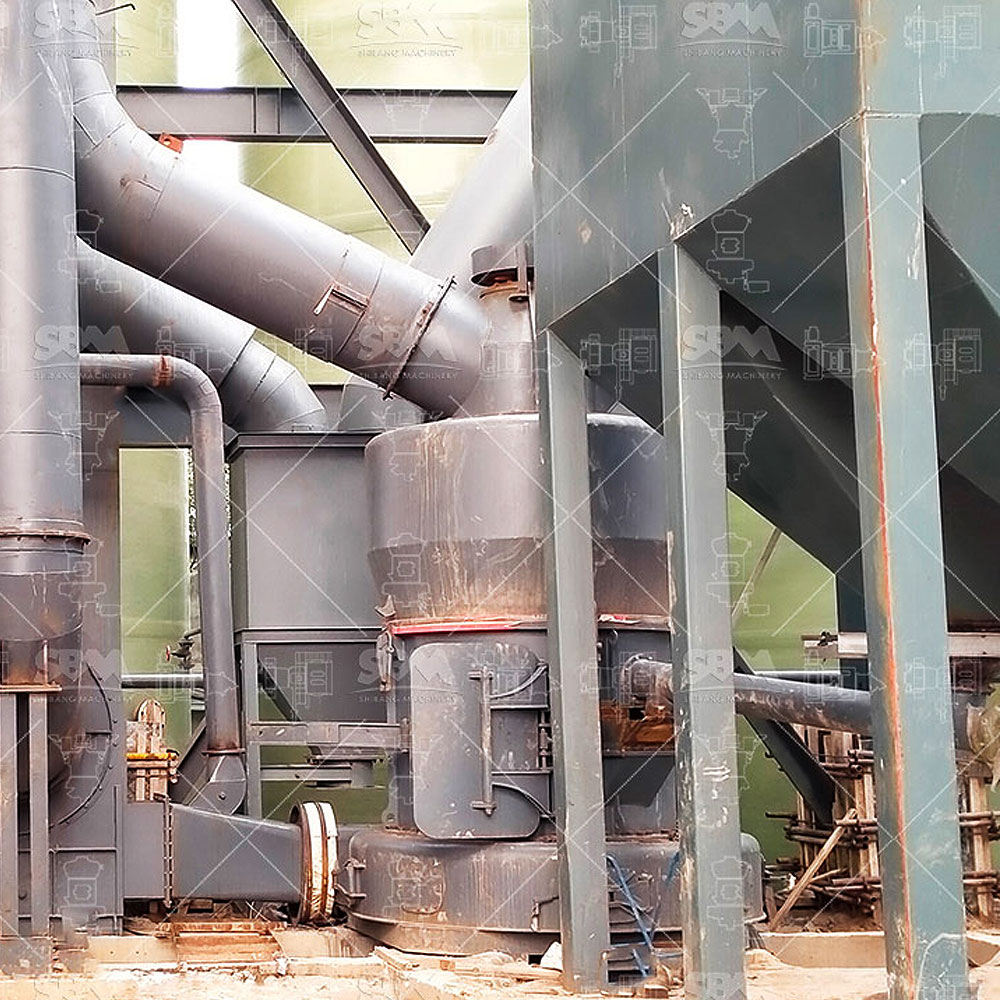
In conclusion, a successful mica processing line is not merely a chain of machines but a synchronized system engineered for reliability, efficiency, and product quality. By selecting purpose-built grinding solutions like SBM's MTW, LUM, and SCM mills—each addressing specific fineness ranges and operational challenges—processors can overcome typical hurdles of high wear costs, inconsistent product quality, excessive energy use, and environmental compliance. SBM's global expertise in providing complete grinding systems ensures that from layout design to commissioning, every component works in harmony to deliver a competitive edge in the demanding non-metallic mineral powder market.
Frequently Asked Questions (FAQs)
Q1: What is the most common bottleneck in scaling up mica powder production?
A: Inconsistent feed size and moisture content often cause the first major bottleneck, leading to unstable grinding conditions, reduced mill throughput, and fluctuating product fineness. Implementing proper pre-processing (crushing, drying) and selecting a mill with robust material handling and drying capabilities, like the LM Vertical Roller Mill, can effectively resolve this.
Q2: How can we significantly reduce the high cost and downtime associated with grinding part replacement?
A: Opt for mills designed with wear-resistant technology. For instance, the MTW Mill's combined-type curved shovel blades and the use of special materials for rollers/rings in the SCM and LUM mills extend service life by several times, drastically cutting part consumption and associated maintenance stops.
Q3: We struggle to achieve a stable, very fine powder (e.g., 2500 mesh) without frequent oversize particles. What is the solution?
A: The core issue often lies in the powder classification system. Mills equipped with advanced, multi-rotor or high-efficiency turbine classifiers, such as the LUM Ultrafine Vertical Mill or SCM Ultrafine Mill, provide precise particle size cutting, ensuring consistent high fineness with minimal coarse powder spillover.
Q4: Energy consumption is our biggest operational expense. Are there grinding solutions that can lower this?
A: Absolutely. Modern vertical roller mills (LM, LUM) and ultrafine mills (SCM) are engineered for high grinding efficiency. Their direct grinding principle and integrated systems typically consume 30% to 40% less energy compared to traditional ball milling systems for equivalent output, offering substantial long-term savings.
Q5: How can we ensure our mica processing plant meets strict environmental regulations on dust and noise?
A: Choose a wholly sealed grinding system operating under negative pressure, which prevents dust escape. Equipment like the LUM and SCM mills feature this design along with efficient pulse dust collectors. Additionally, optimized sound insulation in modern mill designs keeps noise levels well within regulatory limits.


