

Configuration for 50 tpd calcium carbonate line
Published: October 26, 2023
Establishing a reliable and efficient 50-ton-per-day (TPD) calcium carbonate production line requires careful consideration of raw material characteristics, target fineness, energy efficiency, and long-term operational stability. This article provides a professional configuration guide, drawing from SBM Machinery's extensive portfolio and global experience in non-metallic mineral processing. We will analyze suitable equipment combinations, highlight key technical advantages, and address common client pain points to ensure a optimized system design for consistent, high-quality ground calcium carbonate (GCC) output.
For a 50 TPD calcium carbonate line, the primary selection revolves around the desired product fineness range. For coarse to fine grinding (30-400 mesh), the MTW European Trapezium Mill and the LM Vertical Roller Mill are the most recommended core grinding units. The MTW Mill, with its advanced bevel gear whole transmission and curved shovel blade design, offers exceptional durability and lower wear-part costs, making it ideal for operations prioritizing minimal maintenance downtime. Its capacity range of 3-40 TPH allows for a well-matched single unit or a dual-mill setup for the 50 TPD target, ensuring operational flexibility.
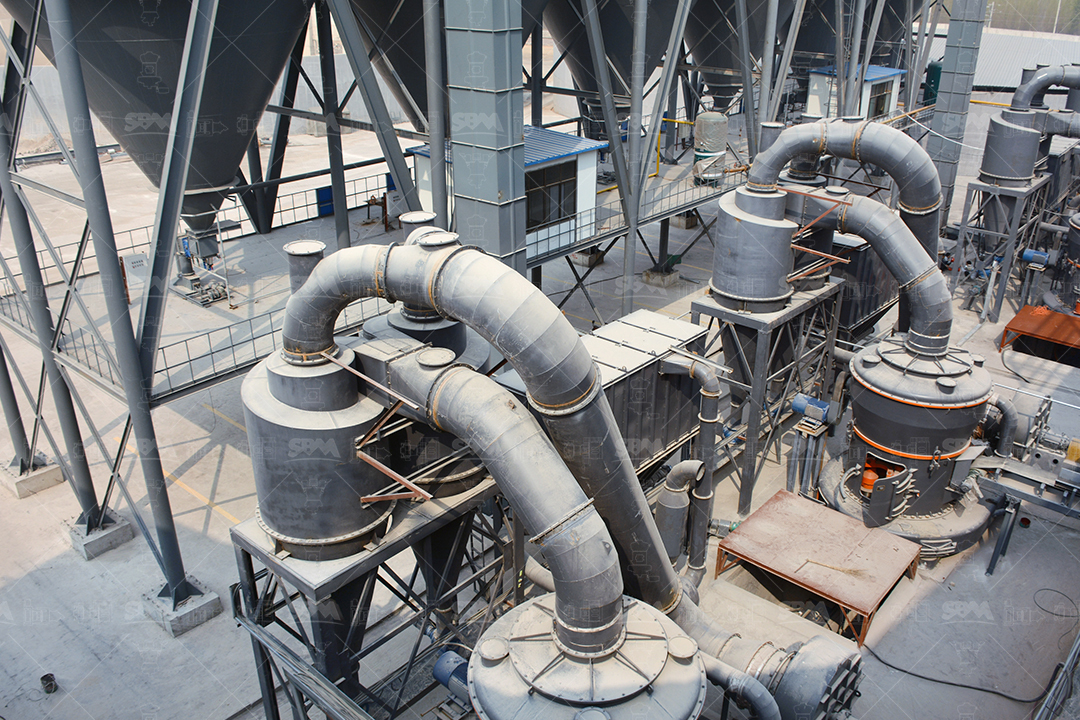
Alternatively, the LM Vertical Roller Mill presents a highly integrated solution. Its defining advantage is a significantly smaller footprint—approximately 50% of a traditional ball mill system—and superior energy efficiency, reducing power consumption by 30-40%. By integrating crushing, drying, grinding, and classification in a single unit, it simplifies the entire process flow. For a 50 TPD line requiring products within 30-400 mesh, a single LM Vertical Mill, with its capacity range extending up to 400 TPH, provides substantial headroom and operational stability, controlled by an expert automation system for consistent quality.
When the application demands ultra-fine calcium carbonate powder (325-2500 mesh or beyond), the configuration shifts to specialized ultrafine grinding technology. The SCM Ultrafine Mill is engineered for high-output, low-energy consumption production of powders up to D97≤5μm. Its heavy-duty rotor design and efficient turbine classifier ensure stable output of high-value ultrafine products, crucial for industries like plastics, paints, and coatings. For even higher capacity in the ultrafine range, the LUM Ultrafine Vertical Mill integrates German separation technology and Taiwan grinding roller technology, offering capacities from 10-70 TPH. Its intelligent PLC/DCS control system allows precise customization of fineness and stable material bed grinding, making it a top-tier choice for medium and high-end GCC products.
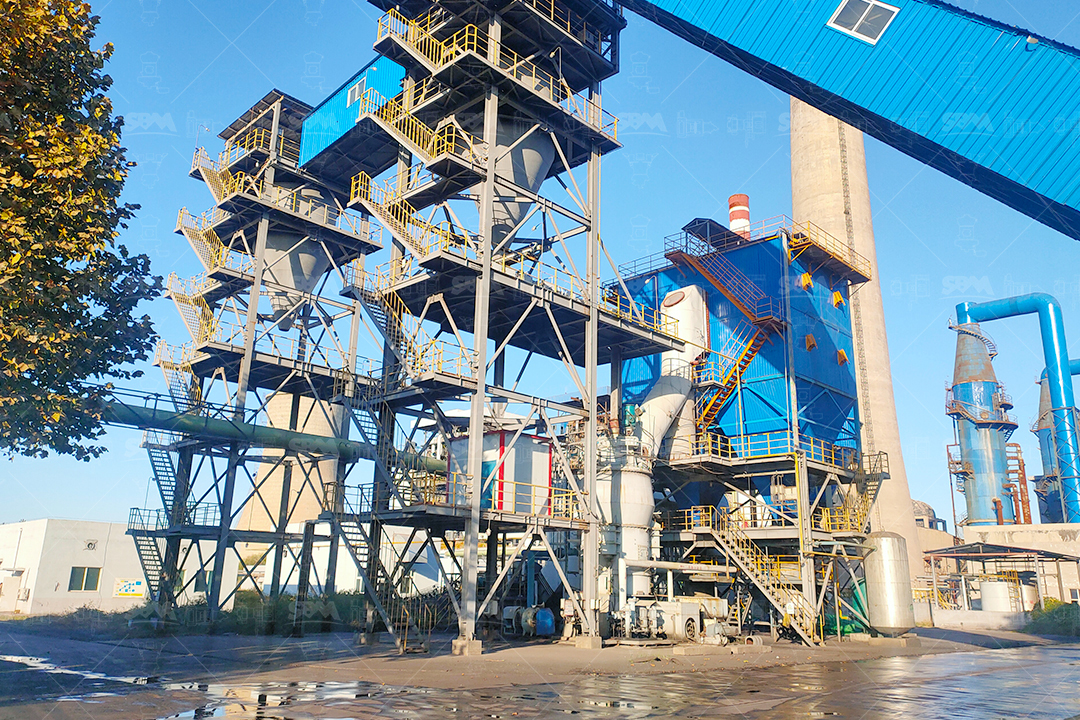
A critical client pain point is total cost of ownership, which extends far beyond the initial purchase. SBM's designs directly address this through features like the MTW Mill's replaceable shovel blades, the LM Vertical Mill's reduced energy consumption, and the universal use of high-wear-resistant materials in rollers and rings. Environmental compliance is another major concern. All recommended mills operate under negative pressure with fully sealed systems and advanced dust collection, ensuring dust-free operation and meeting stringent international emission standards without additional, costly retrofits.
System configuration also involves auxiliary equipment selection—such as jaw crushers for primary size reduction, bucket elevators, screw conveyors, and pulse jet bag dust collectors—all of which SBM can provide as a total solution provider. The final layout must consider space optimization, material flow logic, and ease of maintenance access. With over 180 countries served, SBM's engineering team leverages this global experience to deliver a tailored 50 TPD calcium carbonate plant that is not just a collection of machines, but a cohesive, profitable production asset.
Frequently Asked Questions (FAQ)
Q1: For a 50 TPD line producing 800 mesh GCC, which mill is most cost-effective in the long run?
A: For consistent high-volume production at 800 mesh, the LUM Ultrafine Vertical Mill is often the optimal choice. Its high primary grinding efficiency, advanced multi-rotor classifier, and lower energy consumption per ton compared to traditional ultrafine mills translate to lower operating costs over time, despite a potentially higher initial investment.
Q2: How do you manage the high vibration and noise commonly associated with grinding mills?
A: Our mills are designed with stability in mind. The LUM and LM series feature balanced grinding chambers and robust foundations for minimal vibration. Furthermore, optimized sound insulation rooms and mufflers are integrated into the system design to effectively reduce noise pollution, ensuring a better working environment and compliance with local regulations.
Q3: We experience frequent downtime due to roller and ring wear. How does your equipment address this?
A: Wear is a critical pain point. Our MTW Mill uses a unique curved shovel blade and high-chromium alloy rollers/rings to extend service life dramatically. The LM and LUM Vertical Mills employ a grinding principle where the roller does not directly contact the plate, significantly reducing abrasive wear. All wear parts are made from special, durable materials developed through years of R&D.
Q4: Is it possible to adjust product fineness quickly to serve different customer orders?
A: Yes. Our mills equipped with advanced classifiers, like the SCM and LUM series, allow for quick and precise fineness adjustment. This is often achieved through frequency-conversion control of the classifier rotor speed, enabling you to switch between different product specifications (e.g., from 400 mesh to 1250 mesh) with minimal downtime and stable product quality.
Q5: How complex is the operation and maintenance of a complete 50 TPD line?
A: We prioritize operational simplicity. Our systems come with centralized PLC/DCS automatic control systems, allowing for remote monitoring, easy parameter setting, and even fault diagnosis. Features like the MTW's inner oil lubrication system and accessible maintenance points for key components are designed to simplify routine checks and part replacement, reducing reliance on highly specialized labor.


