

Sbm: tips for improving product quality
Published on: October 26, 2023
For global operators in mining, construction, and industrial minerals, achieving consistent, high-quality powder output while controlling operational costs remains a paramount challenge. This article, drawing from SBM Machinery's extensive experience as a total grinding solution provider across over 180 countries, outlines practical strategies for enhancing product quality. We will explore actionable tips centered on equipment selection, process optimization, and maintenance, with specific references to our advanced grinding technologies like the MTW European Trapezium Mill, LM Vertical Roller Mill, and Ultrafine Vertical Mill, which are engineered to address common pain points in fineness control, energy efficiency, and system stability.
Selecting the right grinding equipment is the foundational step toward quality improvement. A common operational headache is the inability to achieve target fineness consistently or to scale production without sacrificing particle uniformity. SBM's portfolio is designed to match specific material characteristics and end-product requirements. For instance, the MTW Series European Trapezium Grinding Mill, with its advanced cone gear whole transmission and inner oil absorption lubrication system, offers exceptional stability for producing powders in the 30-400 mesh range. Its unique curved shovel blade design minimizes wear on the roller and ring, directly translating to more consistent grinding performance over longer periods and reducing the risk of contamination from excessive wear debris.
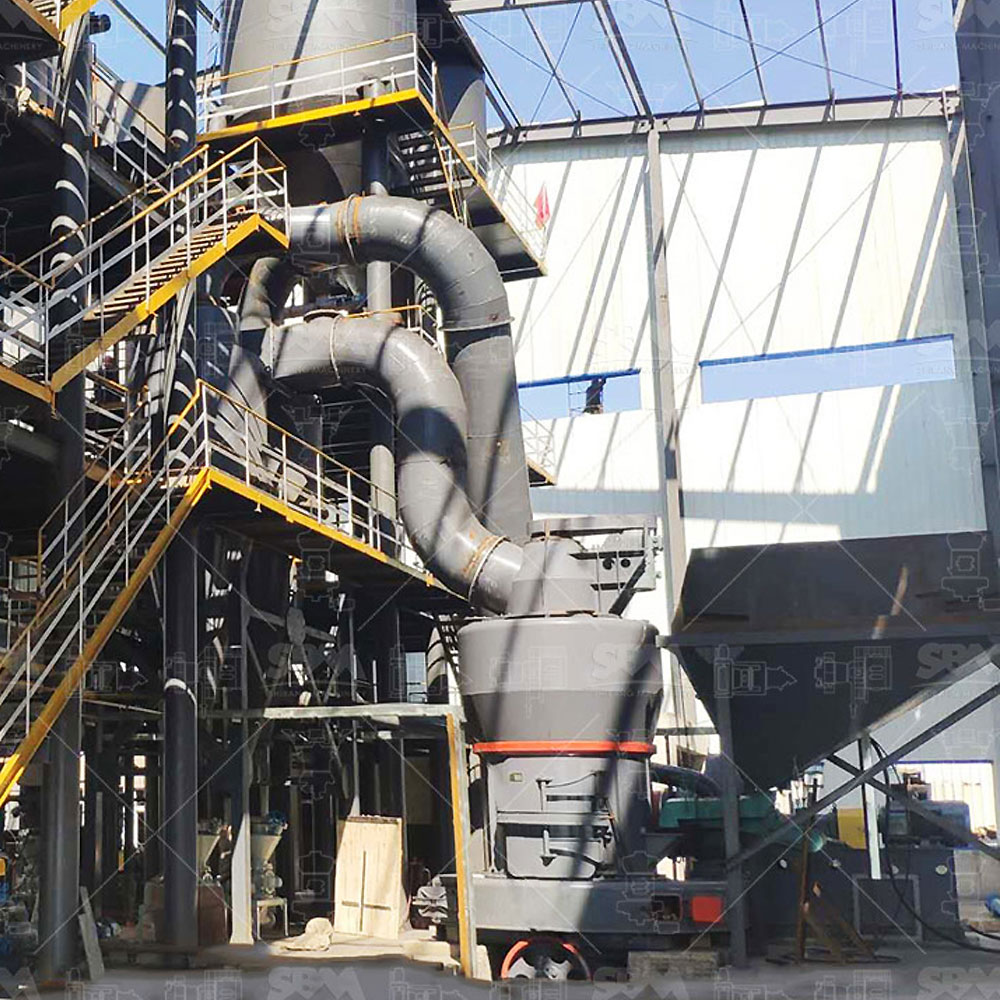
Beyond initial selection, optimizing the grinding process itself is crucial. Energy consumption and inconsistent output often stem from inefficient system design and control. Here, the integration of intelligent automation and holistic system design makes a significant difference. SBM's LM Vertical Roller Mill exemplifies this approach. By integrating crushing, drying, grinding, and separation into a single, compact unit, it eliminates transfer points where material properties can fluctuate. Its expert automatic control system allows for precise regulation of grinding pressure and classifier speed, ensuring stable operation and repeatable quality. The ability to operate under full negative pressure not only contains dust—meeting high environmental standards—but also creates a stable internal environment conducive to consistent particle size distribution.
For operations demanding ultra-fine products, the challenges multiply, involving excessive energy use, heat generation, and difficulty in maintaining precise cut points. SBM's SCM Ultrafine Mill and LUM Ultrafine Vertical Mill are engineered to tackle these issues head-on. The LUM model, incorporating advanced powder separating technology, allows for precise customization of finished product fineness up to 4000 mesh. Its multi-rotor classifier ensures no coarse powder spillover, guaranteeing high product purity. The heavy rotor design and balanced grinding chamber contribute to vibration-free operation, a critical factor in preventing particle agglomeration and achieving the desired ultrafine, uniform powder.
Proactive and predictive maintenance is the unsung hero of sustained quality. Unplanned downtime and gradual performance degradation are major threats. SBM designs its equipment with maintainability in mind. Features like the replaceable combined-type shovel blades in the MTW Mill or the specially hardened rollers in our vertical mills extend service intervals. Implementing a regular inspection schedule focused on wear parts, lubrication systems (like the automated one in the MTW Mill), and classifier settings can prevent minor issues from causing significant deviations in product fineness or system throughput.
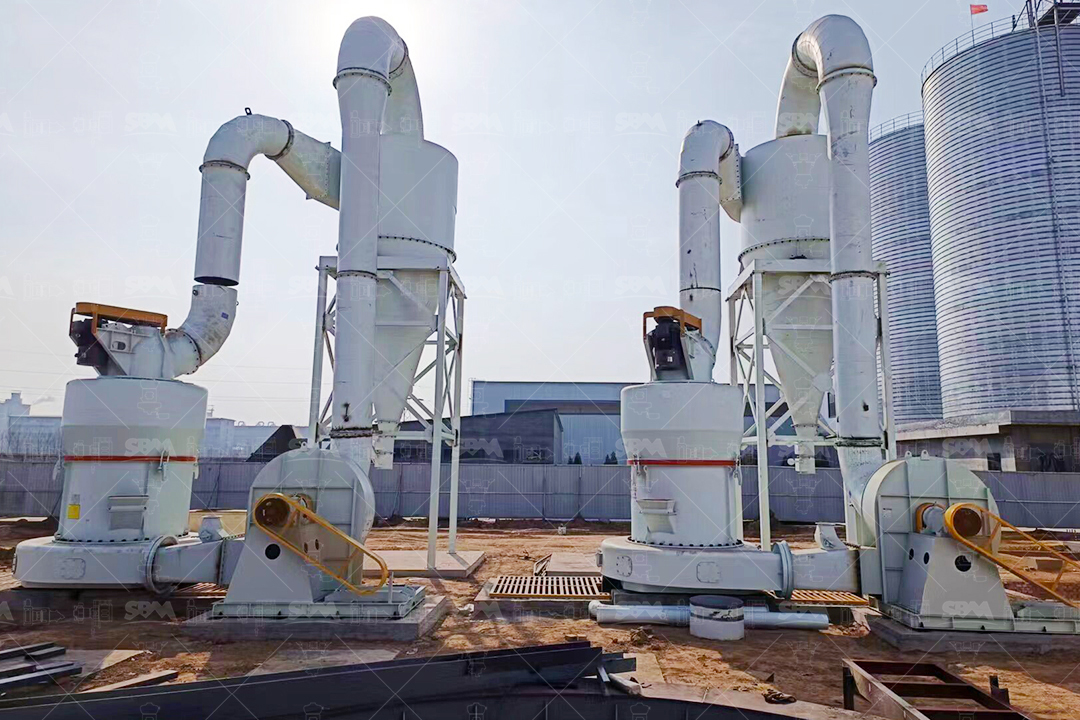
Finally, view your grinding system as an integrated ecosystem. Factors like consistent feed size (adhering to the recommended 0-50mm for many of our mills), moisture content, and the performance of auxiliary components like feeders and collectors all impact the final product. SBM's strength as a total solution provider lies in optimizing this entire workflow. Ensuring that upstream crushing and feeding are synchronized with the mill's capacity, and that downstream collection is efficient, creates a seamless process where quality is built-in at every stage, leading to superior, market-ready powder products for applications from environmental desulfurization to new energy materials.
Frequently Asked Questions (FAQs)
Q1: We struggle with high energy costs and low output from our existing grinding system. What's the most effective way to improve efficiency?
A: Consider transitioning to an integrated vertical roller mill system like SBM's LM series. It combines multiple processes, reducing energy loss at transfer points. Its grinding principle directly applies force to the material bed, typically offering 30-40% lower energy consumption compared to traditional ball milling systems for similar output, while its compact design also reduces overall plant footprint.
Q2: Our product requires very fine and uniform powder (over 1000 mesh), but our current mill generates too much heat and causes particle agglomeration.
A: This is a common challenge in ultrafine grinding. SBM's LUM Ultrafine Vertical Mill is designed with a highly efficient classification system and a stable, low-vibration grinding chamber. The precise, multi-rotor classifier ensures sharp particle cuts, while the system's effective sealing and negative pressure operation manage heat and prevent moisture pickup, minimizing agglomeration for consistent ultra-fine powder quality.
Q3: Wear part replacement is costly and causes frequent production stoppages. How can we reduce this downtime?
A: Opt for mills designed with wear reduction as a core feature. For example, the MTW European Trapezium Mill uses a unique curved shovel blade and wear-resistant materials for rollers/rings, significantly extending service life. Its design allows for quick replacement of only the blade segment, not the entire assembly, minimizing both part costs and maintenance time.
Q4: How can we ensure consistent product fineness without constant manual adjustment?
A: Implement mills with advanced automatic control systems. SBM's vertical and ultrafine mills often feature PLC/DCS controls that constantly monitor and adjust key parameters like grinding pressure and classifier speed. This automation provides stable, repeatable operation and allows for remote monitoring, freeing operators from manual tweaking and reducing human error.
Q5: Dust emission and noise are significant concerns for our plant's environmental compliance. What solutions exist?
A: Modern grinding systems are engineered for environmental protection. SBM's equipment typically features wholly sealed systems operating under negative pressure, preventing dust spillover. Models like the SCM Ultrafine Mill employ efficient multi-stage dust collectors. Additionally, sound insulation designs and mufflers are integrated to keep operational noise well below regulatory thresholds, ensuring a cleaner and quieter workplace.


