

Crushing equipment in grinding lines
Published on: October 26, 2023
In modern mineral processing and powder production, the selection and integration of crushing equipment within grinding lines are critical determinants of overall system efficiency, product quality, and operational cost. A well-designed grinding circuit begins with optimal size reduction, setting the stage for downstream milling processes to achieve desired fineness and throughput. As a total solution provider with decades of global experience, SBM Machinery understands that the challenges in grinding lines—such as high energy consumption, excessive wear part costs, inconsistent product size, and environmental compliance—are often rooted in the compatibility and performance of the initial crushing and grinding stages. This article explores the pivotal role of advanced crushing and grinding equipment, highlighting technological innovations that address these core pain points and enhance the entire production workflow across industries like mining, cement, chemicals, and non-metallic minerals.
The foundation of any efficient grinding line is the primary reduction of raw materials to a feed size suitable for fine or ultrafine milling. Equipment like jaw crushers and impact crushers often handle this first stage, but their performance must align seamlessly with the grinding mills that follow. For instance, ensuring a consistent and optimally sized feed (typically below 50mm) is crucial for maximizing the efficiency of grinding mills. Inconsistent or oversized feed can lead to increased energy use, accelerated wear on grinding elements, and unstable operation. SBM's engineering approach emphasizes the integrated design of crushing and grinding stages, ensuring that equipment specifications—from input size to capacity—are matched to create a cohesive, high-performance system.
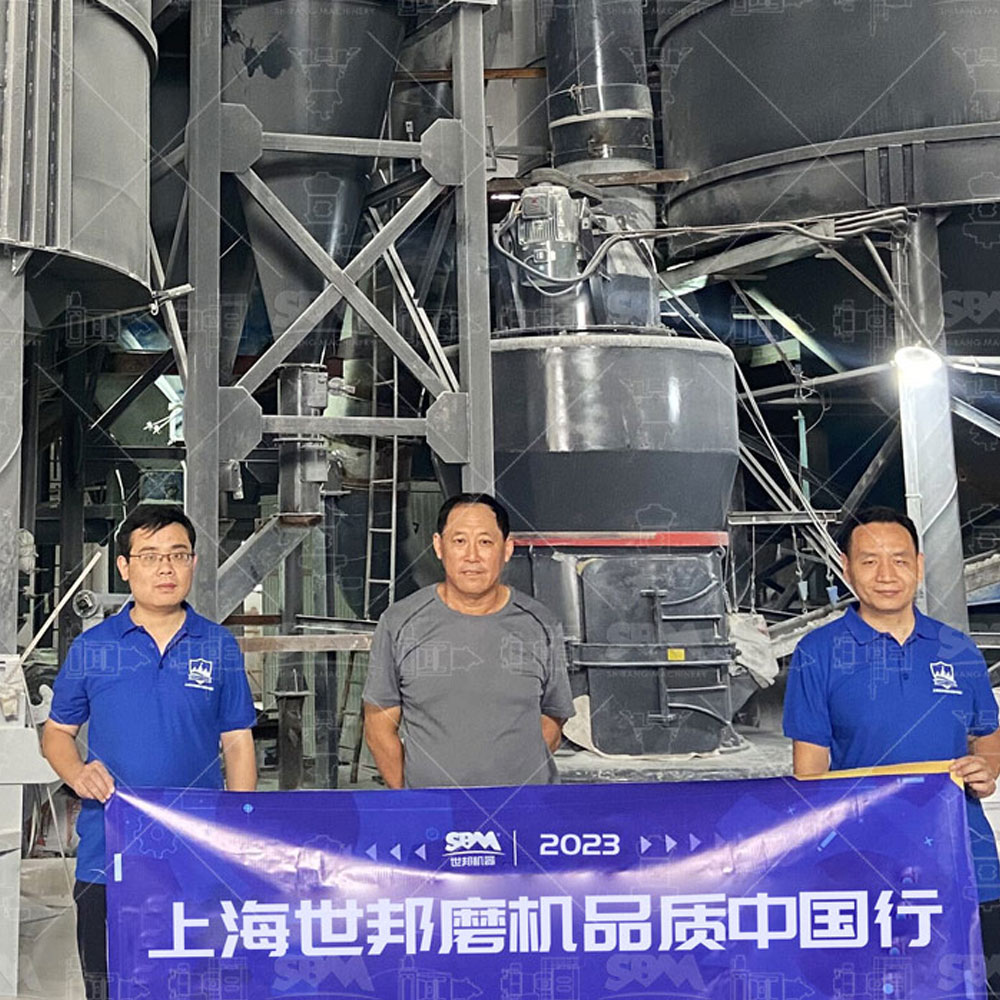
Moving into the core grinding stage, the choice of mill technology directly impacts operational economics and product quality. For coarse to medium-fine grinding (30-400 mesh), the MTW Series European Trapezium Grinding Mill represents a significant evolution from traditional Raymond mills. Its design directly tackles common inefficiencies. The patented cone gear whole transmission system eliminates redundant components, boosting mechanical efficiency while reducing space requirements and long-term maintenance costs. A key pain point in grinding operations is the frequent replacement of wear parts, which leads to downtime and high operating expenses. MTW's innovative combined-type shovel blade addresses this: only the blade itself needs replacement during maintenance, not the entire assembly, drastically cutting part costs and service time. Furthermore, its arc air duct design minimizes pneumatic energy loss, ensuring stable material conveyance and consistent output quality—a vital factor for applications like limestone preparation for desulfurization or heavy calcium carbonate (GCC) processing.
For larger-scale production requiring higher capacity and integrated drying, the LM Vertical Roller Mill offers a transformative solution. It consolidates crushing, drying, grinding, and classification into a single, compact unit. This integration is a direct response to the industry pain points of complex system layout, high capital investment, and substantial energy consumption. By occupying roughly 50% of the space of a traditional ball mill system and being suitable for outdoor installation, it significantly reduces civil construction and infrastructure costs. Operationally, its grinding principle—where rollers compress material on a rotating table without direct metal-to-metal contact—leads to remarkably lower wear rates and energy use, consuming 30-40% less power than conventional ball milling systems. The integrated automatic control system allows for remote monitoring and adjustment, stabilizing operations and reducing labor dependency, which is especially valuable in remote mining sites or large-scale cement plants.
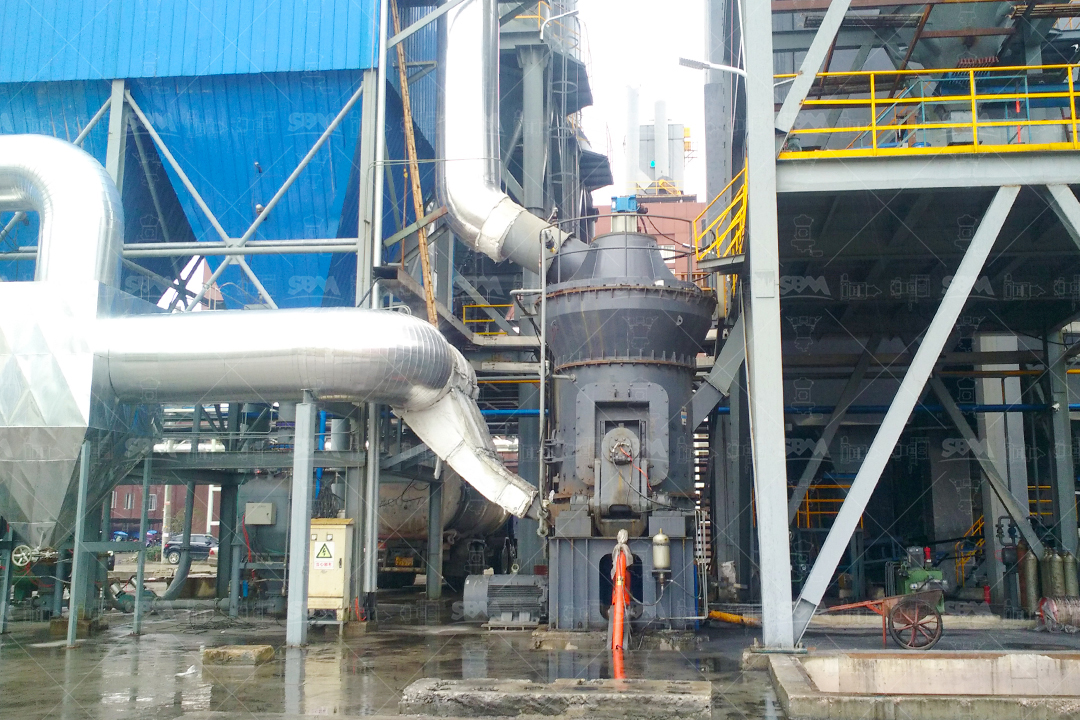
When the market demands ultra-fine powders (325-4000 mesh), standard grinding technology reaches its limits. The SCM Series Ultrafine Mill and LUM Ultrafine Vertical Mill are engineered specifically for this high-end segment. A major challenge in ultrafine grinding is achieving precise particle size distribution while controlling heat generation and energy costs. The SCM mill tackles this with a high-efficiency powder classifier that ensures accurate particle cut-off and prevents coarse powder spillover, guaranteeing product uniformity for industries like new energy materials or high-grade coatings. Its heavy-duty rotor design and special material selection for rollers and rings extend service life several times over, countering the extreme wear typically associated with ultrafine grinding. Meanwhile, the LUM Ultrafine Vertical Mill incorporates advanced German powder separation technology and a unique grinding curve design for the roller and liner. This promotes stable material bed formation, improving primary grinding efficiency and yield—a critical advantage for processing brittle non-metallic minerals like calcite, talc, or barite used in plastics and polymers.
Even mature technologies like the Ball Mill have been re-engineered to address enduring shortcomings. Traditional ball mills are often criticized for high energy consumption and grinding media (metal ball) wear, which contaminates the product and increases operational cost. SBM's optimized ball mills feature structural enhancements and advanced materials that reduce the wear rate of liners and media, lowering the frequency of replacement and maintenance shutdowns. Available in dry and wet process configurations, they provide reliable solutions for applications where proven technology is preferred, such as mineral dressing or common powder production, but with modernized efficiency and durability.
Ultimately, success in grinding lines depends on viewing crushing and grinding not as isolated units, but as interconnected components of a holistic process. Factors such as feed material characteristics, target fineness, required capacity, and total cost of ownership must guide the equipment selection. SBM's role as a total solution provider is to analyze these parameters and deliver a synchronized system—from primary crushing to final classification—that maximizes uptime, minimizes energy and wear costs, and consistently meets product specifications. This systems-level approach, backed by technology serving over 180 countries, ensures that grinding lines are not just collections of machinery, but optimized engines for value creation in the global powder processing industry.
Frequently Asked Questions (FAQs)
Q1: Our grinding line suffers from high energy costs. Which equipment options can significantly reduce power consumption?
A: Vertical roller mills, such as the LM series, are specifically designed for high grinding efficiency, typically consuming 30-40% less energy than traditional ball mill systems for similar output. Their integrated drying and grinding process also eliminates the need for separate dryer units, further reducing overall energy use.
Q2: Wear part replacement causes frequent downtime and high operating expenses. How can this be mitigated?
A: Technologies like the MTW European Trapezium Mill's combined-type shovel blade allow for partial replacement (only the blade), not the whole assembly. Similarly, vertical mills and ultrafine mills use special alloy materials for rollers and rings, extending service life by several times and reducing the frequency of shutdowns for maintenance.
Q3: We need to produce very fine powders (over 2500 mesh) consistently. Is reliable equipment available for such high fineness?
A: Yes. The SCM Ultrafine Mill and LUM Ultrafine Vertical Mill are engineered for this purpose. They feature advanced, high-precision turbine classifiers and unique grinding mechanics that can achieve fineness up to 4000 mesh (D97 ≤5µm) with stable product quality and controlled particle distribution.
Q4: Dust emission and noise are major concerns for our plant's environmental compliance. How do modern grinding systems address this?
A: Modern mills like the LM and LUM series are designed as fully sealed systems operating under negative pressure, preventing dust spillage. They are also equipped with efficient pulse dust collectors and sound insulation technology, ensuring emissions and noise levels meet stringent international environmental standards.
Q5: We have limited space for plant expansion. Can a complete grinding system be configured in a compact layout?
A: Absolutely. Vertical roller mills are ideal for space-constrained sites. They integrate multiple functions (crushing, drying, grinding, separation) into a single, vertical structure, occupying about 50% of the floor space required by a traditional horizontal ball mill system and can often be installed outdoors.


