

Mill process in aggregate production
Published on: October 26, 2023
The milling process is the cornerstone of efficient aggregate production, transforming raw mineral feed into precisely graded powders essential for construction, infrastructure, and industrial applications. Success hinges on selecting equipment that balances throughput, fineness control, energy efficiency, and operational stability. This article explores the critical role of advanced grinding technology in aggregate processing, examining how modern mill designs address longstanding industry challenges to deliver superior product quality, reduce total cost of ownership, and meet stringent environmental standards. We will analyze various milling solutions tailored to different stages and specifications within the aggregate production chain.
In aggregate production, the mill is not merely a size-reduction tool; it is a precision engineering system that defines the final product's characteristics. Traditional approaches often grappled with high energy consumption, excessive wear part costs, inconsistent particle size distribution, and significant environmental footprint. Today's technological advancements have led to the development of specialized mills that integrate crushing, drying, grinding, classification, and conveying into cohesive, intelligent systems. These innovations are crucial for producers aiming to enhance profitability while supplying the high-quality materials demanded by modern infrastructure projects.
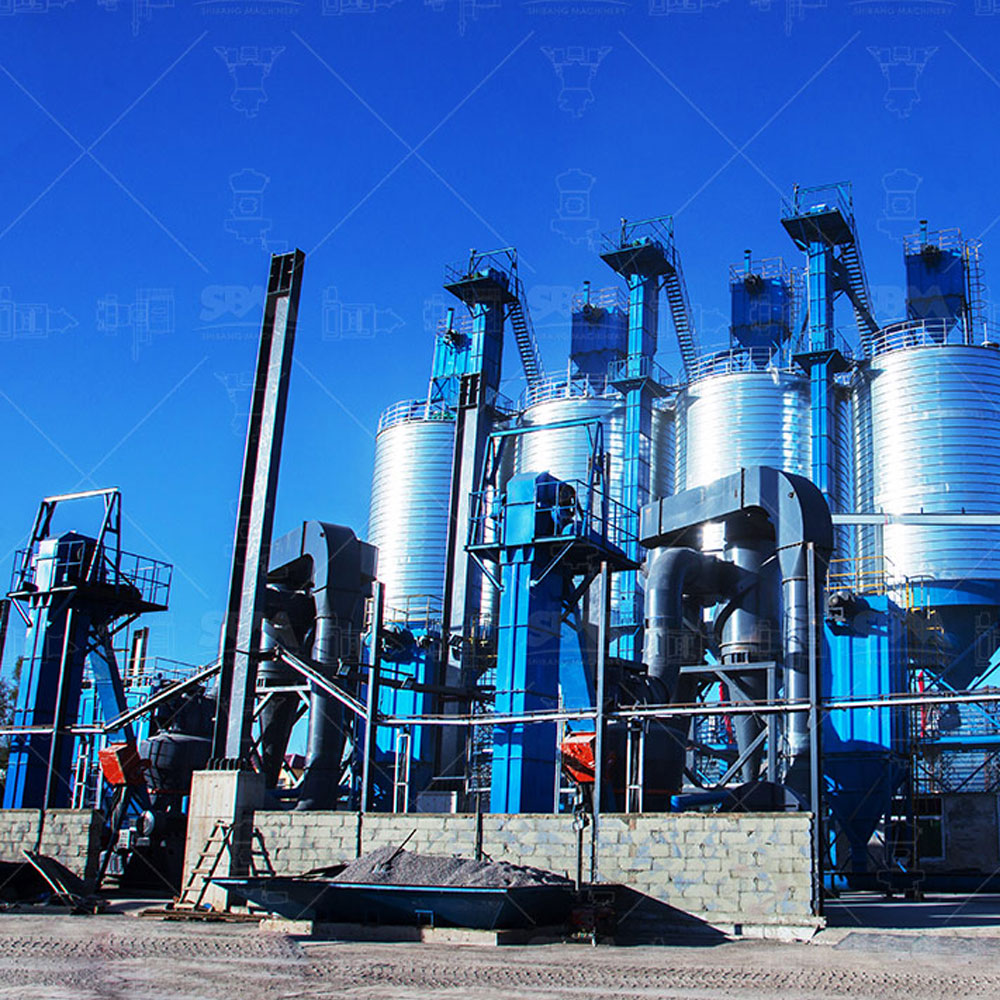
For coarse to medium-fine grinding applications, such as producing limestone powder for desulfurization or aggregates for building materials, the European Trapezium Mill represents a significant evolution. Its design incorporates feedback from thousands of global installations. Key features like the cone gear whole transmission system eliminate traditional reduction gear issues, offering higher mechanical efficiency and compact footprint. The unique curved shovel blade design and inner oil absorption lubrication system directly target client pain points by dramatically extending the service life of wear parts like rollers and rings, thereby reducing maintenance frequency and cost. The arc air duct design ensures smooth material flow with minimal pressure loss, enhancing overall system efficiency for outputs ranging from 30 to 400 mesh.
When project scale and energy efficiency are paramount, the Vertical Roller Mill (VRM) has become a mainstream solution. Its core advantage lies in its integrated design, which consolidates multiple process steps into a single unit. This results in a plant layout that is approximately 50% smaller than a traditional ball mill system, significantly reducing civil construction costs. The grinding principle, where rollers compress material on a rotating table, is inherently more energy-efficient, typically consuming 30-40% less power than ball milling systems for the same output. Furthermore, the non-contact design between roller and table, coupled with high-quality materials, minimizes wear. Modern VRMs are equipped with expert automatic control systems, allowing for remote operation and stable process parameters, which ensures consistent product quality and reduces labor dependency.
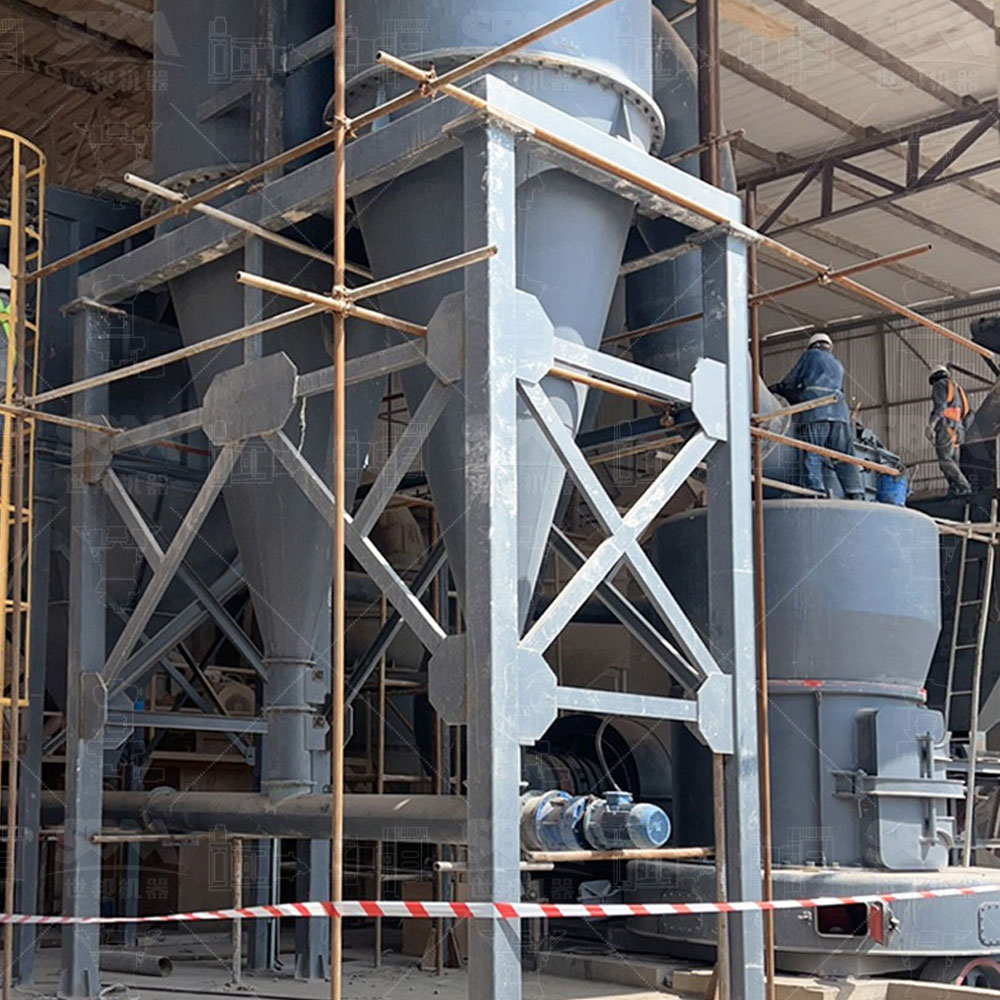
The demand for ultra-fine powders in advanced applications like high-grade fillers, artificial stone, or new energy materials has pushed milling technology to new frontiers. Ultrafine grinding mills are engineered to achieve fineness from 325 mesh up to an exceptional 4000 mesh. These mills employ advanced principles such as high-frequency vibration control, precision turbo-classification, and heavy-duty rotor designs to generate and consistently maintain micron and sub-micron particle sizes. A key technical focus is on achieving this high fineness without a proportional explosion in energy costs. Innovations like efficient vertical turbine classifiers ensure accurate particle cut-off with no coarse powder spillover, while intelligent control systems automatically adjust parameters for optimal performance, directly translating to lower operational expenses.
Environmental compliance and operational cleanliness are no longer optional. Modern milling systems are designed as fully sealed negative-pressure systems. This design philosophy completely contains dust within the process loop, meeting and often exceeding international emission standards. Noise pollution is mitigated through optimized sound insulation and muffler designs. From a sustainability perspective, the dramatic reduction in specific energy consumption (kWh/ton) of advanced mills directly lowers the carbon footprint of the aggregate production process. This combination of clean operation and energy savings provides a compelling value proposition for producers operating in increasingly regulated markets.
Finally, the proven technology of the Ball Mill continues to have its place, particularly in wet grinding applications for mineral processing or where specific product characteristics are required. Continuous optimization in liner and ball material science has addressed historical concerns about wear rates. The key for aggregate producers is to match the mill technology to the specific material, target fineness, and production volume. A total solution provider can analyze the entire workflow—from feed size and moisture content to desired capacity and product specification—to recommend the optimal milling circuit, ensuring capital investment delivers maximum long-term return.
In conclusion, the evolution of mill technology has transformed aggregate production from a brute-force operation into a precise, efficient, and sustainable engineering discipline. By leveraging international R&D, material science advancements, and intelligent automation, today's grinding solutions directly tackle the core challenges of cost, quality, and environmental impact. The future lies in fully integrated, smart milling systems that offer unparalleled control over the final product, ensuring the aggregate industry can reliably support global development.
Frequently Asked Questions (FAQs)
Q1: We struggle with high maintenance costs and frequent downtime due to worn grinding parts. How can modern mills address this?
A1: Advanced mills feature innovations like special alloy roller/ring materials, curved shovel blade designs that reduce abrasive impact, and non-contact grinding principles (in VRMs). These engineering choices extend component life by several times, drastically cutting part replacement costs and increasing operational availability.
Q2: Energy consumption is our single largest operating expense. What level of savings can newer technology offer?
A2: Modern vertical roller mills and trapezium mills are designed for efficiency. Through integrated grinding-drying-classification and optimized mechanical transmission, they typically achieve 30% to 40% lower energy consumption per ton of output compared to traditional ball mill systems, offering significant long-term savings.
Q3: We need to produce a very fine powder but find our current equipment cannot reach the fineness or is too unstable.
A3: Dedicated ultrafine mills with high-precision turbo classifiers and intelligent feedback control systems are built for this. They can reliably produce powders from 325 to 4000 mesh with stable particle size distribution (e.g., D97 ≤5μm), overcoming the limitations of standard Raymond mills.
Q4: Dust control and noise are constant issues with our existing plant, leading to environmental and worker safety concerns.
A4: Contemporary milling systems are engineered as fully sealed, negative-pressure units. This design contains all dust within the process. Combined with integrated pulse dust collectors and sound insulation technology, they operate cleanly and quietly, ensuring compliance with strict environmental regulations.
Q5: Our production needs vary, and we worry about the flexibility of a new system. Can one mill handle different materials and fineness requirements?
A5: Yes. Modern mills, especially vertical roller and ultrafine vertical mills, often feature PLC/DCS automatic control systems with frequency-conversion drives. This allows operators to easily adjust key parameters like grinding pressure, classifier speed, and feed rate to quickly switch between different materials and target fineness levels, ensuring great operational flexibility.


