

Importance of gcc mills in calcium carbonate
Published: October 26, 2023
The production of high-quality ground calcium carbonate (GCC) is a cornerstone of numerous modern industries, from paper and plastics to paints and pharmaceuticals. The efficiency, consistency, and profitability of this process are intrinsically linked to the performance of the grinding equipment employed. An advanced GCC mill is not merely a machine for size reduction; it is a sophisticated system that directly influences product characteristics, operational costs, and environmental footprint. This article explores the paramount importance of selecting the right grinding technology for GCC production, highlighting how innovative mill designs address core industry challenges and unlock new levels of performance, reliability, and sustainability in powder processing operations worldwide.
Ground calcium carbonate, derived from naturally occurring limestone, marble, or chalk, is one of the most versatile and widely used functional fillers and pigments. Its value is determined by precise parameters such as particle size distribution (PSD), top cut, brightness, and surface chemistry. Achieving these specifications consistently and at scale is a complex engineering challenge. Traditional grinding methods often struggle with bottlenecks like high energy consumption, excessive wear part costs, limited fineness control, and significant dust emission. These pain points directly impact a plant's bottom line and its ability to meet stringent market and regulatory demands. Consequently, the evolution of GCC milling technology has focused on integrated solutions that optimize the entire grinding, classifying, and material handling process.
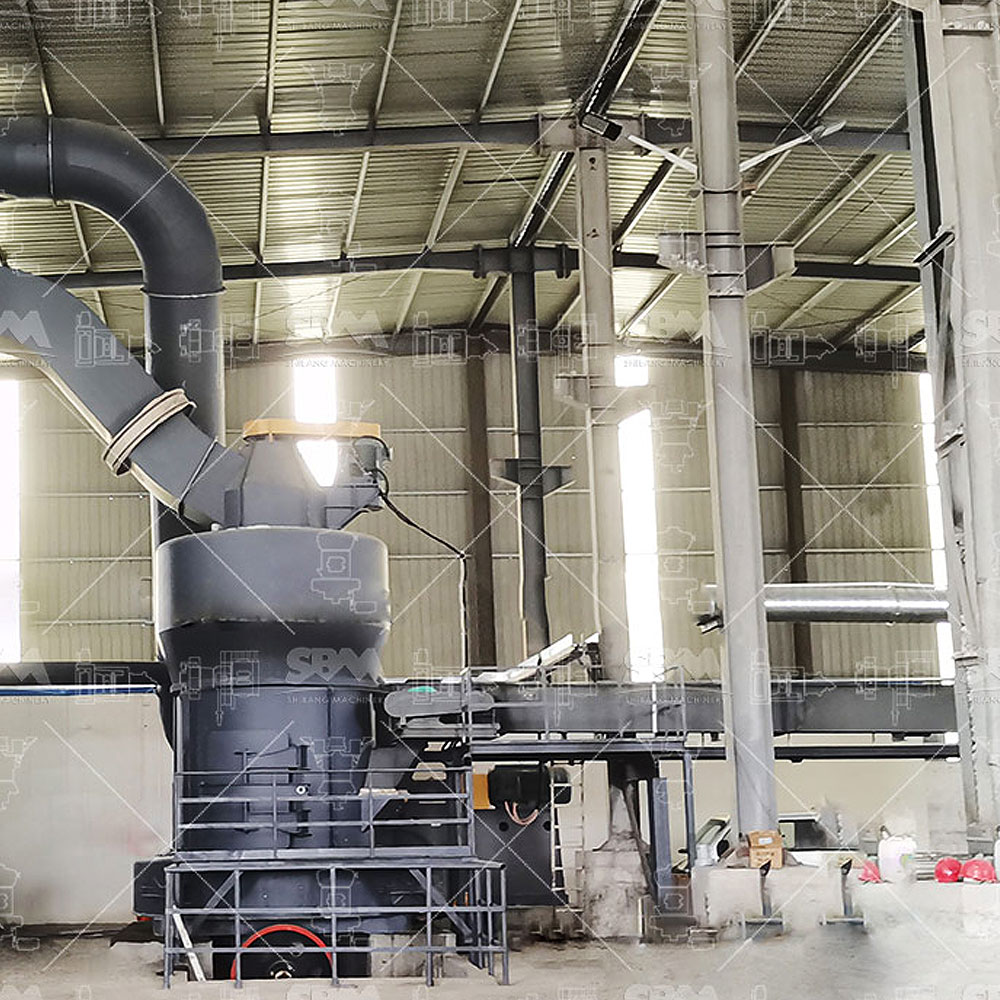
Modern GCC mills are engineered as total systems. A prime example is the Vertical Roller Mill (VRM). This technology represents a leap forward by integrating multiple functions—drying (if needed), grinding, separation, and conveying—into a single, compact unit. Its fundamental operating principle, where rollers hydraulically press against a rotating grinding table, offers exceptional grinding efficiency. The direct grinding action on the bed of material leads to significantly lower energy consumption, often 30-40% less compared to traditional ball mill systems. Furthermore, the minimal direct metal-to-metal contact between rollers and table, coupled with high-quality wear materials, drastically reduces wear rates and extends maintenance intervals. For large-scale GCC production requiring outputs up to 400 tons per hour and fineness between 30-400 mesh, the VRM's small footprint and low operating costs make it a compelling mainstream choice.
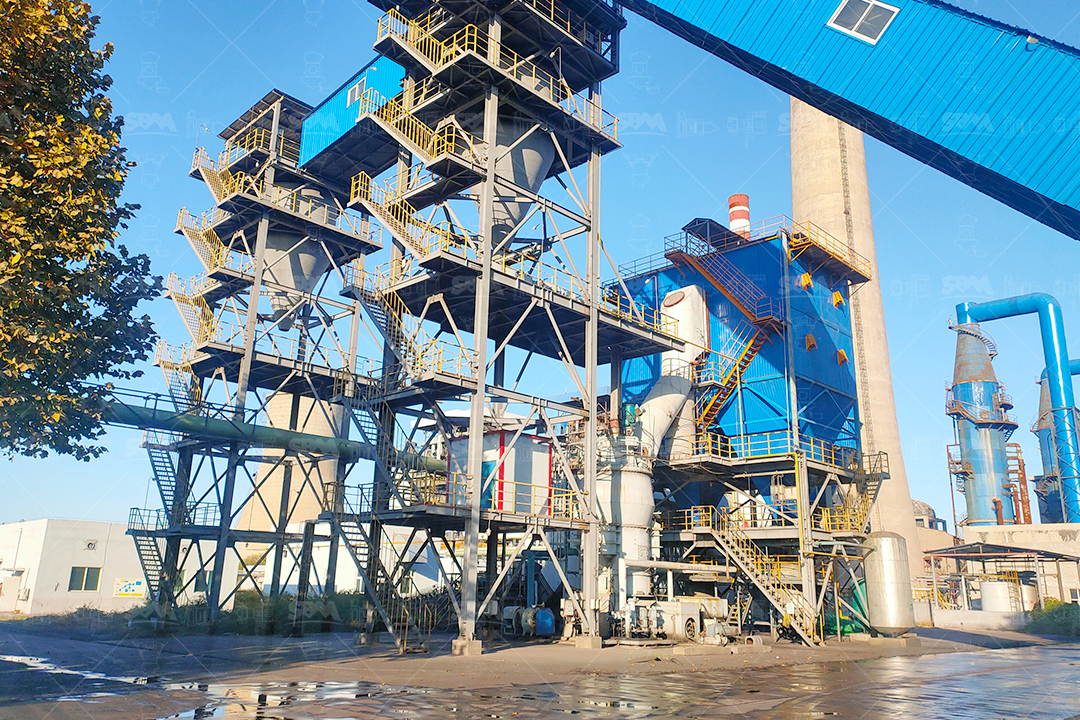
When the application demands ultra-fine or nano-sized GCC, the technological requirements shift. Here, Ultrafine Grinding Mills come to the fore. These mills, such as SCM or LUM series, are designed to push the boundaries of fineness, achieving consistent product ranges from 325 to over 2500 mesh. Their design incorporates advanced classifier technology—like efficient vertical turbines or multi-rotor systems—that ensures precise particle size cuts and prevents coarse powder spillover. The integration of intelligent control systems allows for real-time adjustment of key parameters like grinding pressure and classifier speed, ensuring stable product quality even at sub-micron levels. This level of control is indispensable for high-value GCC used in masterbatch, high-end plastics, and sealants, where particle size directly affects opacity, strength, and dispersion.
Beyond core grinding mechanics, contemporary mill design places a heavy emphasis on operational intelligence and environmental stewardship. Automated control systems, often with PLC/DCS integration, enable remote monitoring and control, simplifying operation and reducing labor costs. Features like automatic pressure adjustment and frequency-conversion drives ensure the mill adapts to feed variations for stable operation. From an environmental perspective, leading mills are designed as fully sealed systems operating under negative pressure. This design, combined with high-efficiency pulse dust collectors, virtually eliminates dust spillage, ensuring a clean plant environment and compliance with strict emission standards. Additionally, optimized sound insulation and low-vibration designs contribute to a better workplace by significantly reducing noise pollution.
The journey from raw limestone to a precisely engineered GCC powder is a testament to modern process engineering. The selection of the milling system is the most critical decision in this chain, as it dictates not only the product quality but also the long-term economic and environmental sustainability of the operation. By moving beyond conventional equipment to adopt mills that offer holistic advantages—from lower specific energy consumption and reduced wear to intelligent control and superior environmental performance—producers can secure a decisive competitive edge. As industries continue to demand higher performance and greener solutions, the ongoing innovation in GCC milling technology remains fundamental to the future of the global minerals processing sector.
Frequently Asked Questions (FAQs)
- What are the main limitations of traditional ball mills for modern GCC production?
Traditional ball mills often suffer from high energy consumption, significant media and liner wear leading to high operating costs, limited ability to produce ultra-fine grades efficiently, and potential challenges in achieving a narrow particle size distribution. They also typically have larger footprints and higher noise levels compared to advanced vertical or ultrafine mills. - How can we reduce the high operating costs associated with frequent wear part replacement?
Advanced mills address this through innovative design and materials. Features like combined-type shovel blades (where only the tip is replaced), rollers and rings made from special wear-resistant alloys, and grinding principles that minimize direct metal impact can extend service life by several times, drastically reducing cost-per-ton for spare parts. - Our product requires a very specific and consistent fineness (e.g., D97 ≤ 5µm). Can your mills guarantee this stability?
Yes. Modern mills equipped with high-precision, frequency-controlled turbine or multi-rotor classifiers offer exceptional cutting accuracy. When integrated with automated control systems that monitor and adjust parameters in real-time, they ensure stable, repeatable fineness and a tight particle size distribution, batch after batch. - We have strict environmental regulations. How do your milling systems control dust and noise?
Our grinding systems are designed as fully sealed circuits operating under negative internal pressure, preventing dust escape. They are paired with high-efficiency baghouse or pulse dust collectors, ensuring emissions are well below national standards. For noise, designs incorporate optimized sound insulation chambers, mufflers, and low-vibration mechanics to minimize acoustic impact. - We need to increase capacity but have limited floor space. What are our options?
Vertical Roller Mills and integrated ultrafine vertical mills are ideal for space-constrained sites. Their compact, vertical design integrates multiple process stages (crushing, grinding, drying, separation), often occupying up to 50% less space than a traditional ball mill system of equivalent capacity, allowing for outdoor installation or plant expansion within existing footprints.


