

Sbm: wear-resistant, durable mills
Published: October 26, 2023
In the demanding world of industrial grinding, equipment longevity and operational efficiency are not just advantages—they are imperatives. Downtime for maintenance, frequent replacement of worn parts, and soaring energy costs directly erode profitability. SBM Machinery addresses these core challenges head-on with a comprehensive portfolio of grinding mills engineered for exceptional wear resistance, structural durability, and sustained high performance. From the robust MTW European Trapezium Mill to the precision-focused LUM Ultrafine Vertical Mill, each SBM solution integrates proprietary technologies designed to minimize wear, maximize component life, and deliver reliable output across applications ranging from power generation and cement production to advanced mineral processing and new energy materials. This commitment to durability, honed through decades of global experience serving over 180 countries, ensures that SBM equipment provides not just a machine, but a long-term, cost-effective production partner.
The relentless abrasion of hard minerals and the constant stress of high-volume processing demand a mill built from the ground up for resilience. SBM's MTW Series European Trapezium Grinding Mill exemplifies this philosophy. Its development, informed by the analysis of traditional mills and feedback from thousands of users, incorporates several groundbreaking features. The Unique Wear-Proof Perching Knife Design is a prime example. Utilizing a combined-type shovel blade, this system drastically reduces the cost and downtime associated with wearing parts. Only the blade itself needs replacement during service, not the entire assembly. Furthermore, the curved design of these blades optimizes the feeding angle, which reduces direct, abrasive impact on the grinding roller and ring, extending their service life significantly and lowering long-term operating costs.
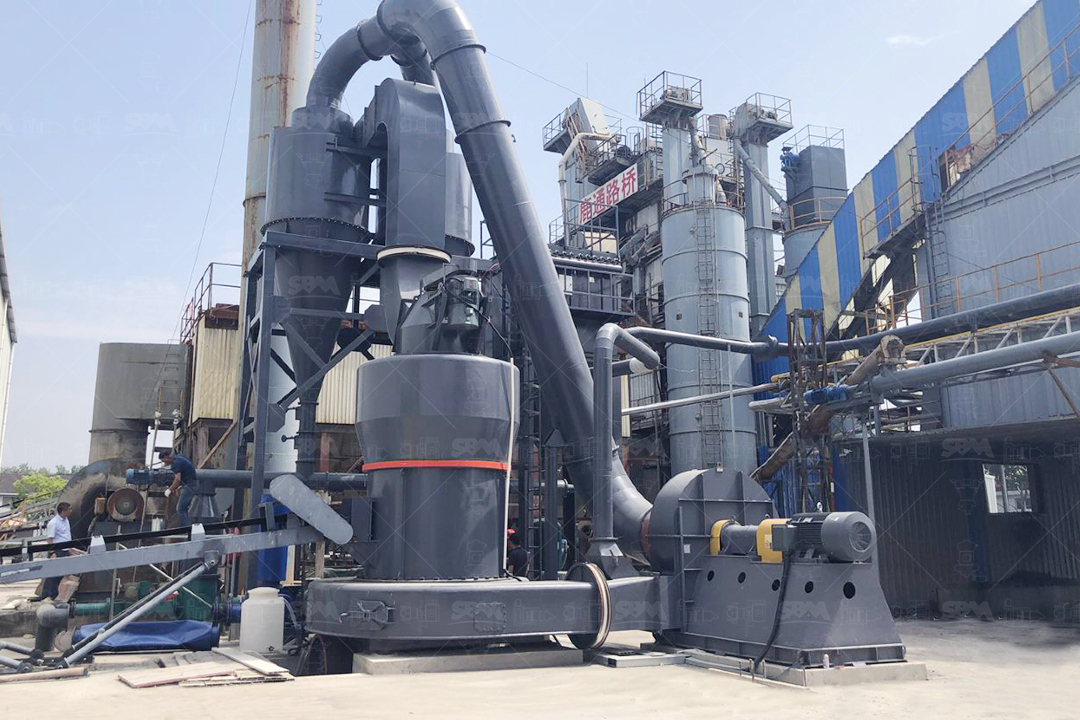
Complementing this is the mill's Cone Gear Whole Transmission system. This integrated bevel gear design achieves higher mechanical efficiency compared to traditional separated gearboxes. It not only saves valuable plant space but also reduces power loss, contributing to lower energy consumption. The transmission's robustness ensures stable power delivery, which is crucial for maintaining consistent grinding performance and protecting the mill from shock loads that can accelerate wear. This holistic approach to design—where every component, from the smallest shovel blade to the main drive train, is considered for its impact on durability—defines the SBM advantage.
For operations requiring massive throughput with integrated processing steps, SBM's LM Vertical Roller Mill presents a paradigm of efficient durability. Its core advantage lies in its integrated design, which combines crushing, drying, grinding, and classification in a single, compact unit. This not only saves up to 50% in floor space but also simplifies the entire system, reducing the number of potential failure points and associated maintenance. The grinding principle itself is inherently less wearing. The rollers grind material onto a stationary plate without direct metal-to-metal contact, and both are manufactured from specially formulated, high-quality wear-resistant materials. This results in remarkably extended service intervals for these critical components.
Perhaps the most compelling evidence of its durability is its energy efficiency, being 30% to 40% less energy-intensive than traditional ball milling systems. Lower energy consumption translates directly to reduced operational costs and less thermal stress on mechanical components, further enhancing their lifespan. The mill's fully sealed system operating under negative pressure contains dust completely, protecting both the environment and the mill's internal mechanisms from abrasive particulate contamination, which is a common cause of premature wear in lesser systems.
When the application calls for extreme fineness, wear management becomes even more critical due to the extended grinding times and finer abrasives involved. SBM's SCM Ultrafine Mill and LUM Ultrafine Vertical Mill are engineered to meet this challenge. The SCM series employs a heavy-duty rotor design and a tight, precision-testing methodology. Its grinding roller and ring are forged from special materials, offering durability several times greater than conventional parts. The grinding chamber is designed without bearing screws and undergoes rigorous dynamic balancing, ensuring vibration-free operation that prevents uneven wear and mechanical fatigue.
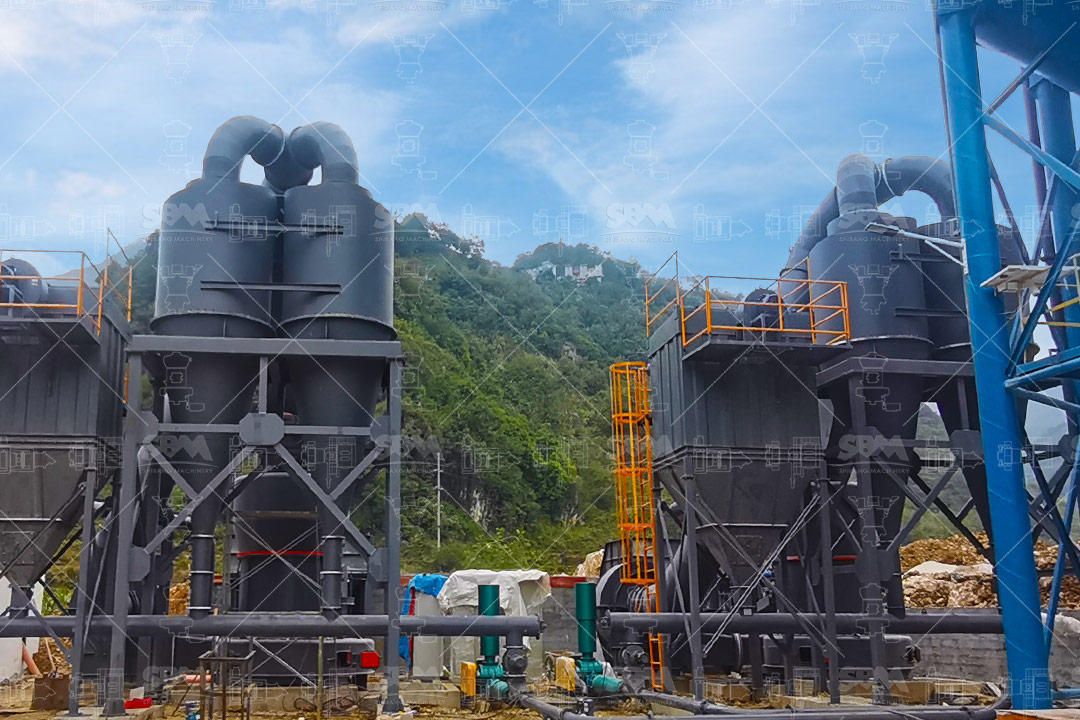
The LUM Ultrafine Vertical Mill takes a sophisticated approach. Its grinding curves for the roller shell and lining plate are uniquely calculated based on ultrafine pulverization dynamics, promoting stable material bed formation. This leads to more efficient grinding with less wasteful friction and heat generation, preserving the integrity of the grinding surfaces. Its intelligent PLC/DCS control system maintains optimal grinding pressure and classifier speed with precision, preventing the over-grinding or under-loading scenarios that can cause abnormal wear. This smart automation ensures the mill consistently operates within its most efficient and least stressful parameters.
Even for the well-established technology of the ball mill, SBM has focused innovations on enhancing durability. Recognizing industry pain points around rapid wear of metal balls and high energy use, SBM's optimized ball mills feature improved structural designs and the application of advanced, wear-resistant materials for liners and media. This focus significantly reduces the frequency and cost of spare part replacement, making a traditional technology far more economical and reliable over its lifecycle.
In conclusion, selecting a grinding mill is a strategic investment in a plant's future productivity. SBM Machinery transcends the role of a mere equipment supplier by delivering engineered solutions where wear resistance and durability are foundational principles. Through continuous R&D, material science, and intelligent system design, SBM mills are built to endure, ensuring lower total cost of ownership, minimized unplanned downtime, and unwavering performance that keeps pace with the most demanding industrial schedules. This relentless pursuit of durability is what makes SBM the preferred partner for the global powder processing industry.
Frequently Asked Questions (FAQs)
- What are the most common factors causing premature wear in grinding mills, and how does SBM address them?
Premature wear is typically caused by abrasive materials, improper feeding, metal-to-metal contact, vibration, and inefficient grinding dynamics. SBM addresses these through specialized wear-proof material designs (like curved shovel blades and special alloy rollers), optimized grinding chamber geometries, integrated transmission systems to reduce vibration, and intelligent controls that maintain optimal operating conditions. - How does the wear part design in SBM mills reduce maintenance downtime?
SBM employs modular and combined-type designs, such as the replaceable shovel blade in the MTW Mill. This allows for quick replacement of only the worn element, not the entire assembly, drastically cutting maintenance time and inventory costs for spare parts. - We need very fine powder (over 2500 mesh). Won't achieving such fineness cause extremely fast wear on the grinding components?
For ultrafine applications, our SCM and LUM mills are specifically engineered with this challenge in mind. They use special, ultra-durable materials for rollers/rings, precision-balanced chambers to eliminate vibration-induced wear, and grinding curve optimization to ensure efficient particle size reduction with minimal abrasive stress, thereby extending component life even at high fineness. - Does a more durable and wear-resistant mill necessarily mean a higher initial investment?
Not necessarily. While advanced materials and engineering are involved, SBM mills are designed for a lower Total Cost of Ownership (TCO). Savings from drastically reduced spare part consumption, lower energy costs (up to 40% less), and minimized production downtime due to maintenance often result in a faster return on investment compared to less durable alternatives. - Our plant operates continuously. How can we predict and plan for wear part replacement to avoid unexpected stoppages?
SBM's expert automatic control systems provide real-time operational data and diagnostics. Furthermore, based on extensive global service data for various materials, we can provide reliable wear life forecasts for key components, enabling you to schedule maintenance during planned shutdowns and secure spare parts proactively, ensuring uninterrupted production.


