

Sbm mills maximize calcium carbonate properties
Published: October 26, 2023
In the competitive world of industrial minerals, achieving optimal particle properties in calcium carbonate (GCC) is paramount for product performance and market value. Shanghai SBM Machinery Equipment Co., Ltd. (SBM Machinery) addresses this challenge head-on with a comprehensive portfolio of advanced grinding solutions. By leveraging deep expertise across the entire mineral processing workflow, SBM's mills are engineered to precisely control fineness, particle size distribution (PSD), and morphology—key factors that define brightness, opacity, viscosity, and reinforcement in end-use applications. From large-scale coarse grinding to ultra-fine and nano-scale production, SBM's technology suite ensures maximum liberation of calcium carbonate's inherent properties, enhancing efficiency, sustainability, and final product quality for industries ranging from plastics and paints to paper and pharmaceuticals.
The journey to superior calcium carbonate begins with understanding the material's behavior under comminution. Traditional grinding methods often struggle with efficiency, consistency, and the excessive heat generation that can degrade carbonate quality. SBM's approach integrates decades of R&D and feedback from a global clientele across over 180 countries. This real-world insight informs mill designs that not only meet but exceed the rigorous demands of modern GCC processing, focusing on energy efficiency, wear resistance, and precise classification.
For high-volume production of coated fillers in paper or mid-range fillers in plastics, the MTW Series European Trapezium Grinding Mill stands out. Its evolution from traditional Raymond mill technology incorporates patented advancements like the Cone Gear Whole Transmission for robust, efficient power delivery and the Arc Air Duct design that minimizes pneumatic resistance. A critical feature for GCC is the Unique Wear-Proof Perching Knife design. The combined-type, curved shovel blades optimize material feeding onto the grinding ring, promoting a more uniform grinding force. This reduces abrasive wear on rollers and rings—common pain points that lead to inconsistent PSD and frequent downtime—extending service life and stabilizing output quality between 30-400 mesh.
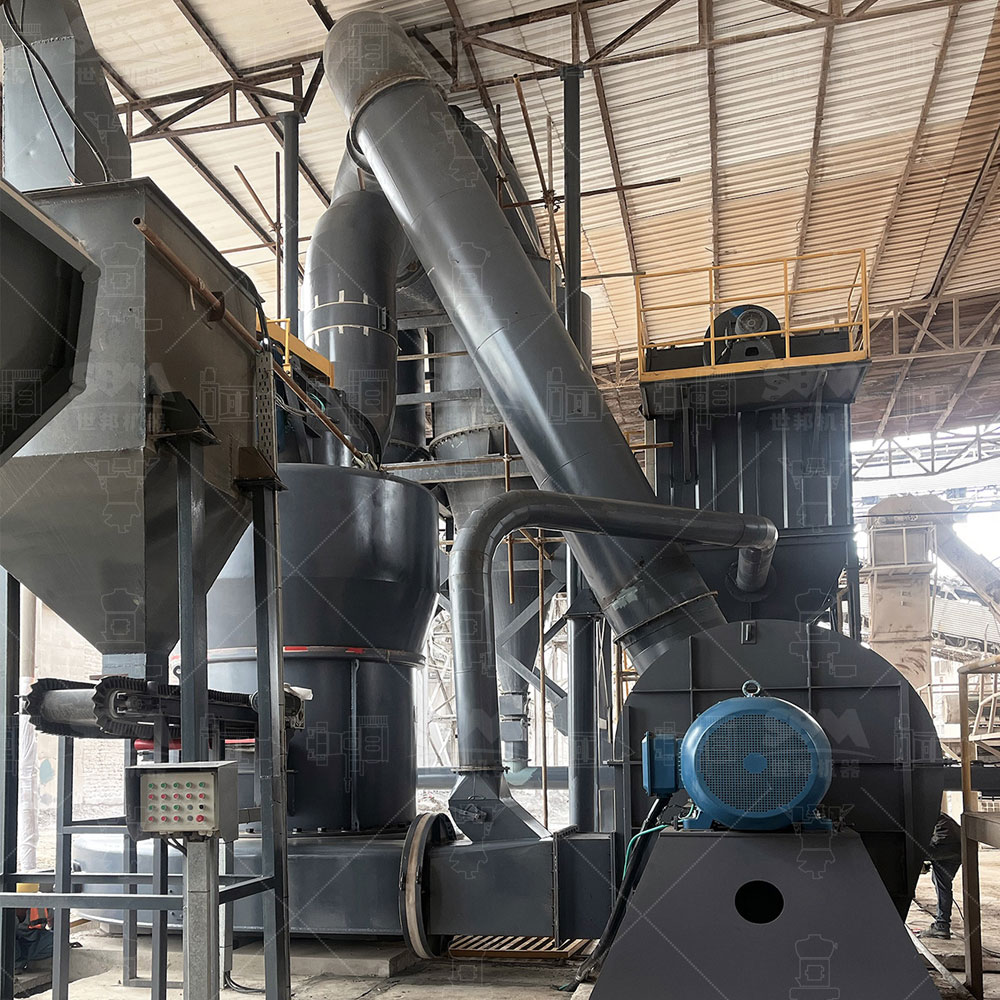
When project scope demands even greater scale and integration, the LM Vertical Roller Mill offers a transformative solution. Its integrated design combines drying, grinding, and separation into a single, space-saving unit—occupying about 50% of the footprint of a traditional ball mill system. For calcium carbonate producers, especially those processing moist feedstocks, the built-in drying capability is a significant advantage, eliminating the need for separate equipment. The grinding principle, where rollers press directly onto a rotating table, applies concentrated pressure with lower energy consumption—reportedly 30-40% less than ball milling systems. This efficient, direct-grinding action, coupled with an expert Automatic Control System, allows for tight regulation of grinding pressure and temperature, preserving the whiteness and crystalline structure of the GCC while achieving capacities up to 400tph.
The pursuit of high-value, functional fillers and additives drives the need for ultra-fine and nano-sized calcium carbonate. Here, SBM's SCM Series Ultrafine Mill and LUM Ultrafine Vertical Mill excel. The SCM mill is engineered for fineness ranging from 325 to 2500 meshes (D97 ≤5µm), utilizing a high-efficiency vertical turbine powder classifier to ensure sharp cuts and no coarse powder spillover. Its heavy rotor design and special material for rollers and rings combat the intense wear associated with fine grinding, maintaining product consistency. Building on this, the LUM Ultrafine Vertical Mill represents the pinnacle of precision, integrating German powder-separating technology. Its multi-rotor classifier enables precise, customizable fineness up to 4000 mesh, critical for applications like high-end plastics masterbatch and synthetic stone where particle size directly impacts mechanical properties and surface finish. The intelligent PLC/DCS control system automatically adjusts grinding pressure and classifier speed, ensuring stable operation and repeatable quality batch after batch.
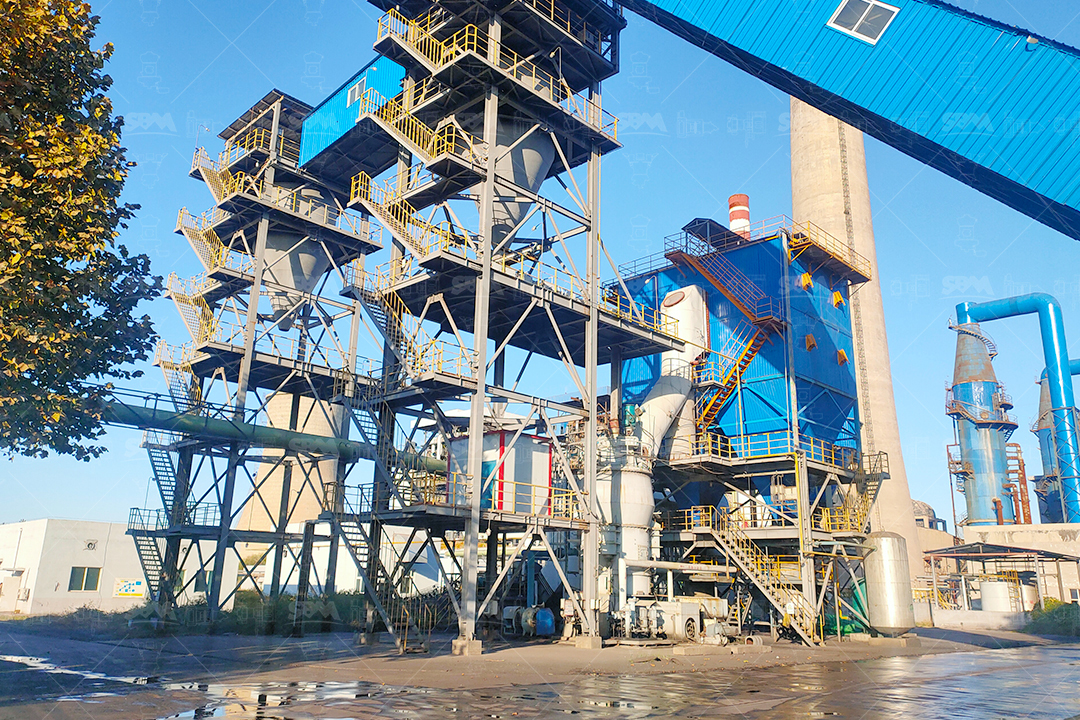
Even for specific applications requiring traditional tumbling methods, SBM's optimized Ball Mill solutions address historical shortcomings. Through structural improvements and advanced materials, SBM has mitigated issues of high liner and ball wear, as well as excessive energy consumption. This ensures reliable performance for wet or dry grinding processes where certain GCC characteristics are best achieved through impact and attrition.
Across all platforms, SBM prioritizes operational sustainability. Mills are designed for whole-system sealing and negative pressure operation, virtually eliminating dust spillover—a crucial concern for plant cleanliness and worker safety. Advanced pulse dust collectors and sound insulation technologies ensure emissions and noise levels meet stringent international standards. This holistic engineering philosophy, from macro-efficiency to micro-particle control, empowers calcium carbonate producers to fully unlock the potential of their material, transforming raw limestone into a high-performance, specification-grade product that commands a premium in the market.
Frequently Asked Questions (FAQs)
1. We struggle with rapid wear of grinding parts, leading to frequent shutdowns and inconsistent product fineness. How do SBM mills address this?
SBM mills incorporate multiple wear-combatting technologies. The MTW mill uses a unique curved shovel blade design to optimize material flow and reduce abrasive contact. The Ultrafine mills employ rollers and rings made from special, durable materials, and the LUM vertical mill features optimized grinding curves to promote stable material beds, all significantly extending service life and ensuring consistent particle size distribution.
2. Energy consumption is our biggest cost driver. Can your equipment really deliver significant savings?
Yes. SBM's designs focus on grinding efficiency. The LM Vertical Roller Mill uses a direct grinding principle on a material bed, consuming 30-40% less energy than traditional ball mills for similar output. The Ultrafine Mills also boast high output with energy consumption up to 30% lower than some jet mill technologies, thanks to efficient mechanical grinding and advanced classifier systems.
3. We need to produce multiple grades of GCC from fine to ultra-fine. Do we need several different mills?
Not necessarily. SBM's mill series offers wide and overlapping fineness ranges. For instance, the MTW and LM mills capably handle grinding from 30-400 mesh, while the SCM and LUM mills can take over from 325 mesh up to 4000 mesh. A system can be designed using complementary equipment. The LUM mill, in particular, with its advanced multi-rotor classifier, offers exceptional flexibility for producing different ultra-fine grades within a single platform.
4. Dust control and plant cleanliness are major operational headaches. How are SBM mills sealed?
All SBM grinding systems are designed as fully sealed units operating under negative pressure. This means air is drawn into the mill, preventing powder from escaping at feed or connection points. Combined with high-efficiency powder collectors (like pulse jet bag filters) integrated into the system, this design ensures dust emission is kept far below national and international environmental standards, creating a cleaner, safer workplace.
5. We want to improve process automation to reduce labor and human error. What control features are available?
SBM's advanced mills come equipped with intelligent control systems. The LM Vertical Roller Mill and LUM Ultrafine Vertical Mill feature expert automatic control (PLC/DCS) that manages critical parameters like grinding pressure, mill speed, and classifier speed. This allows for remote operation, stable automatic operation, easy adjustment for product changes, and direct savings on labor costs while ensuring product consistency.


