

Superfine mills for steel slag utilization
Published: October 26, 2023
The effective utilization of steel slag, a major byproduct of the steelmaking industry, presents both a significant environmental challenge and a substantial economic opportunity. Transforming this hard, abrasive material into high-value micro-powders requires grinding technology that balances exceptional fineness, energy efficiency, and operational durability. This article explores how advanced superfine milling solutions, specifically engineered for the demanding characteristics of steel slag, enable its conversion into a sought-after raw material for cementitious applications, construction aggregates, and soil amendment, thereby supporting a circular economy model within heavy industry.
The journey of steel slag from waste to resource begins with effective size reduction. Traditional grinding methods often struggle with the material's high hardness and variable composition, leading to excessive wear on components and unsustainable energy consumption. Modern solutions must address these core pain points directly. For primary and secondary grinding stages where high throughput is critical, robust vertical roller mills (VRMs) offer a compelling advantage. By integrating crushing, drying, grinding, and classification into a single, compact unit, these systems significantly reduce the plant footprint and auxiliary equipment needs. The grinding principle—where rollers hydraulically press against a rotating table—provides high grinding force with relatively low energy consumption, often 30-40% lower than traditional ball mill systems for the same output. This is crucial for processing large volumes of slag economically.
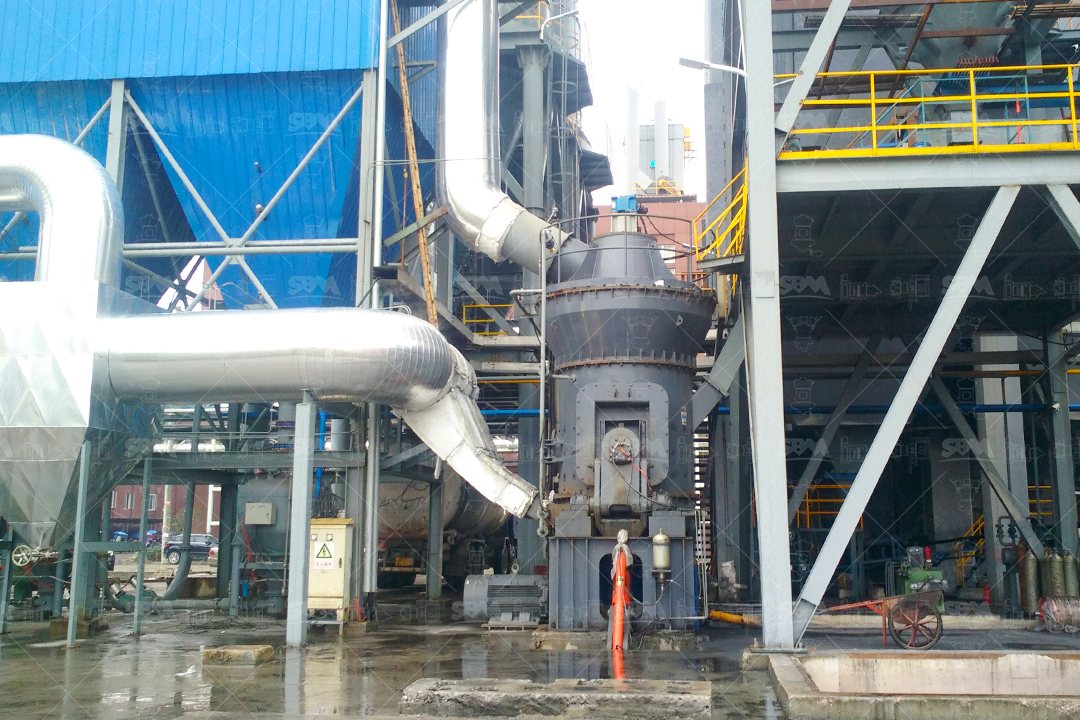
However, the true value addition in steel slag utilization often lies in producing ultra-fine powders (slags typically ground to between 325 and 2500 mesh). At this fineness, the latent hydraulic activity of the slag is fully activated, making it an excellent supplementary cementitious material (SCM) that can replace a portion of Portland cement in concrete, enhancing long-term strength and durability while reducing the carbon footprint of construction. Achieving this level of fineness demands specialized ultrafine grinding technology. Advanced ultrafine mills and ultrafine vertical mills are designed for this precise task. They employ enhanced classification systems with multi-rotor or high-efficiency turbine classifiers that ensure precise particle size cuts, preventing coarse particles from contaminating the final product. The grinding elements, such as rollers and rings, are crafted from special wear-resistant materials to withstand the abrasive nature of slag over extended periods, directly tackling the industry's pain point of high wear part costs.
Operational intelligence is another cornerstone of modern slag grinding. Automated control systems, often featuring PLC/DCS integration, allow for remote monitoring and adjustment of key parameters like grinding pressure, classifier speed, and feed rate. This not only optimizes production quality and consistency but also reduces labor costs and minimizes human error. Stability is paramount; advanced mill designs incorporate heavy, balanced rotors and optimized mechanical structures to ensure smooth, low-vibration operation even under full load, which extends the machinery's service life and reduces maintenance downtime.
Environmental compliance is non-negotiable. The entire grinding process for steel slag must be enclosed and operate under negative pressure to prevent dust emission. Modern mills are equipped with high-efficiency pulse jet bag filter dust collectors, often in a two-stage configuration, to ensure collection efficiency far exceeds international standards. Furthermore, optimized sound insulation designs and mufflers effectively control noise pollution, making these plants good neighbors in industrial zones. The ability to dry moist slag using waste heat from other processes within an integrated system further enhances the overall energy efficiency and sustainability profile of the operation.
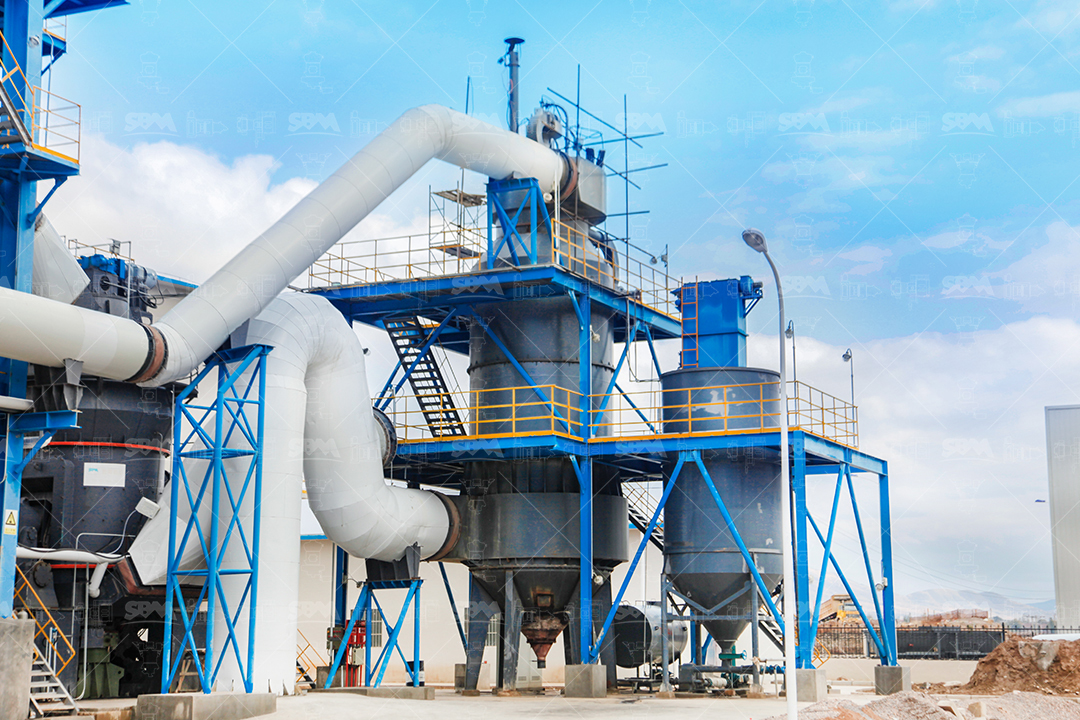
Selecting the right mill configuration depends on the specific project goals, desired final fineness, and required capacity. A holistic approach, considering the entire process from raw slag feed to packaged micro-powder, is essential. As a total solution provider with experience serving over 180 countries, the focus is on delivering not just individual machines but optimized systems that address the complete technical and economic challenges of steel slag valorization. By leveraging technologies like cone gear whole transmission for higher mechanical efficiency, arc air ducts for optimal airflow, and intelligent lubrication systems, these grinding solutions transform a persistent industrial byproduct into a stream of green building materials, closing the loop for the steel industry.
Frequently Asked Questions (FAQs)
1. What are the main challenges when grinding steel slag, and how are they addressed?
The primary challenges are high abrasiveness (causing rapid wear), high hardness (requiring substantial grinding force), and the need for ultra-fine final products. These are addressed through the use of special wear-resistant materials for grinding components, efficient grinding principles like roller-to-table pressure, and advanced, high-precision classification systems that ensure target fineness is achieved efficiently.
2. Can your mills handle wet or moist steel slag directly?
Yes, several of our mill models, particularly vertical roller mills and some ball mill configurations, integrate a drying function. They can utilize integrated hot air generators or, more efficiently, connect to external waste heat sources (e.g., from cooling beds) to dry the slag during the grinding process, eliminating the need for a separate, energy-intensive drying step.
3. How does the energy consumption compare to traditional ball mills?
Modern vertical roller mills and ultrafine mills designed for slag application typically offer 30% to 40% lower specific energy consumption compared to traditional ball mill systems for producing similar fineness. This is achieved through more efficient grinding mechanisms, integrated processes, and advanced drive systems.
4. What fineness range can be achieved for slag powder, and what are the typical applications?
Depending on the mill type, fineness can range from 30 mesh for coarse aggregates to 4000 mesh for ultra-fine applications. The most common range for SCM is 400-2500 mesh. Applications include cement replacement (concrete), asphalt mixture filler, road base material, agricultural soil conditioner, and raw material for autoclaved aerated concrete (AAC) blocks.
5. How is dust control and environmental protection ensured in the grinding system?
The entire milling system is designed to be fully sealed and operate under negative pressure, preventing dust escape. High-efficiency pulse jet bag filter dust collectors, sometimes in a two-stage setup, are standard, ensuring dust emissions are well below national and international standards. Noise is controlled through structural design, sound insulation chambers, and mufflers.


