

Mill component wear standards
Published on: October 26, 2023
In the demanding world of industrial grinding, component wear is not merely a maintenance issue—it is a critical determinant of operational efficiency, product quality, and total cost of ownership. Effective wear management directly translates to sustained throughput, consistent fineness, and minimized unplanned downtime. This article delves into the engineering standards and design philosophies behind wear-resistant components in modern grinding mills, highlighting how strategic design and material selection combat common operational pain points to deliver reliable, cost-effective performance over extended service life.
The relentless abrasion and impact forces within a grinding mill present a constant challenge. Traditional designs often succumb to rapid degradation of key contact parts, leading to frequent shutdowns, rising spare part inventories, and unpredictable production costs. At SBM Machinery, we approach wear not as an inevitable cost but as a solvable engineering problem. Our research and development is fundamentally driven by the goal of extending component life cycles through innovative design, superior materials, and intelligent system integration.
Consider the MTW Series European Trapezium Grinding Mill. A cornerstone of its design is the Unique Wear-Proof Perching Knife. Unlike monolithic shovel blades that require complete replacement, this mill employs a combined-type design. Only the actively wearing blade segment needs replacement during maintenance, drastically reducing the cost and downtime associated with wearing parts. Furthermore, the curved profile of these blades is meticulously calculated to optimize the feeding angle. This reduces direct, abrasive impact on the grinding roller and ring, prolonging their service life significantly. It’s a prime example of how a focused component redesign can yield substantial savings across the entire grinding assembly.
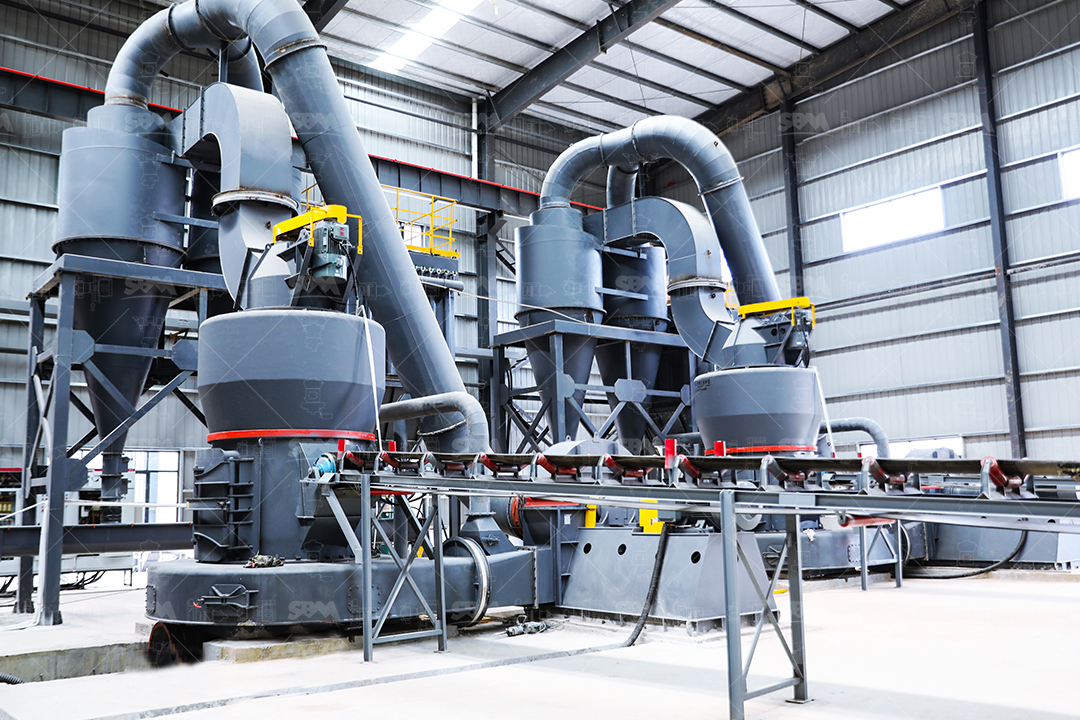
For operations requiring higher capacity and integrated processing, the LM Vertical Roller Mill introduces a different paradigm in wear management. Its principle of material bed grinding, where the roller presses and grinds material on a plate without direct metal-to-metal contact, is inherently less abrasive. When combined with rollers and grinding plates forged from proprietary, high-chromium alloys or composite materials, the wear rate is dramatically lowered. This synergy between grinding principle and material science results in a system where key components can operate for thousands of hours before requiring service, directly addressing the client pain point of high-frequency, high-cost part replacement. The mill’s compact, integrated design also reduces the number of auxiliary components prone to wear, simplifying the entire wear management protocol.
In the realm of ultra-fine processing, wear takes on a new dimension: contamination. The SCM Ultrafine Mill and LUM Ultrafine Vertical Mill are engineered to prevent material contamination from component wear, which is crucial for high-purity products. Their grinding rollers and rings are manufactured from special, high-durability materials that resist micro-spalling. The LUM series, in particular, features grinding curves on the roller shell and lining plate designed based on ultra-fine pulverization dynamics. This promotes stable material bed formation, distributing grinding forces more evenly and reducing localized, accelerated wear. The result is not only longer part life but also guaranteed purity and consistency of the final product, a non-negotiable requirement in industries like pharmaceuticals, batteries, and high-end plastics.
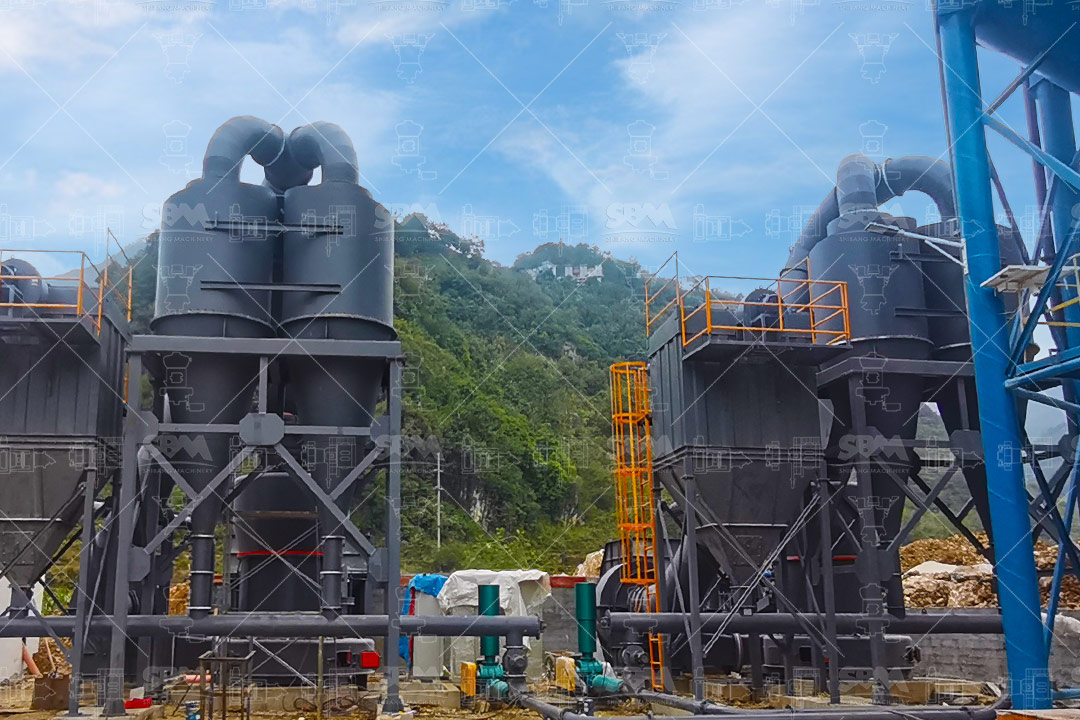
Even for mature technology like the Ball Mill, wear optimization remains a priority. The primary wear mechanisms here involve the grinding media (balls) and liners. Our optimized ball mills address this through improved structural design and the application of advanced, wear-resistant materials for liners. For the grinding media, we offer tailored recommendations on ball material composition and size distribution to match the specific hardness and abrasiveness of the processed material, thereby optimizing the wear rate against grinding efficiency. This systematic approach moves beyond simply supplying harder parts, towards creating a balanced grinding environment where wear is predictable and managed.
Ultimately, establishing robust mill component wear standards is about adopting a holistic view. It encompasses the initial design geometry, the selection of metallurgy, the integration of intelligent control systems that maintain optimal grinding parameters, and the provision of actionable maintenance data. By tackling wear at its root causes—through designs like cone gear whole transmission for smoother operation, arc air ducts to reduce turbulent wear, and automated systems that prevent overload conditions—SBM Machinery ensures that our grinding solutions deliver not just peak performance on day one, but consistent, dependable output throughout their entire operational lifespan, safeguarding your productivity and profitability.
Frequently Asked Questions (FAQs)
- What is the most common mistake that leads to premature roller and ring wear in grinding mills?
The most frequent issue is operating the mill with an incorrect or inconsistent feed size. Material larger than the specified input size (e.g., >50mm for an MTW Mill) causes excessive impact and shock loading, drastically accelerating wear. Consistent pre-crushing and screening are essential for wear control. - Can the wear-resistant parts from your mills be retrofitted into older equipment from other manufacturers?
Generally, no. Our wear parts are designed as integral components of a complete system, with geometries, materials, and weights specific to our mill's dynamics, airflow, and balance. Retrofitting can lead to improper fit, imbalance, and potentially unsafe operation, voiding warranties and compromising performance. - We experience high energy consumption alongside rapid wear. Are these problems connected?
Absolutely. Excessive wear on grinding components like rollers, balls, or liners reduces grinding efficiency. The mill motor must work harder to achieve the same fineness, driving up power costs. Addressing wear through proper maintenance and using optimized, long-life parts directly combats rising energy expenses. - How does your equipment handle highly abrasive materials like silica or quartz, which are known for causing severe wear?
For such materials, we recommend specific mill models (like the Vertical Roller Mill with its material bed principle) and configure them with ultra-high-wear-resistant alloys for critical parts. We may also adjust operational parameters like grinding pressure and classifier speed to optimize the trade-off between output rate and acceptable, manageable wear. - Is there a way to predict when wear parts will need replacement to plan maintenance shutdowns?
Yes. Modern mills like our LM and LUM series are equipped with automated control systems that monitor key parameters such as motor current and grinding pressure. Trend analysis of this data can indicate gradual performance loss due to wear. Furthermore, we provide detailed maintenance guides with expected service life under standard conditions, enabling predictive maintenance scheduling rather than reactive breakdowns.


