

Where to buy industrial calcium carbonate mills?
Published on: October 26, 2023
Selecting the right industrial calcium carbonate mill is a critical decision that impacts product quality, operational efficiency, and long-term profitability. For businesses seeking reliable, high-performance grinding solutions, partnering with an experienced total solution provider like Shanghai SBM Machinery Equipment Co., Ltd. offers significant advantages. With expertise spanning the entire mineral processing workflow and a proven track record serving over 180 countries, SBM provides a range of advanced mill technologies—including the MTW European Trapezium Mill, LM Vertical Roller Mill, SCM Ultrafine Mill, LUM Ultrafine Vertical Mill, and optimized Ball Mills—each engineered to address specific production requirements, from coarse grinding to ultra-fine powders, while prioritizing energy efficiency, low wear, and environmental compliance.
The journey to procure an industrial calcium carbonate mill often begins with a clear understanding of your application requirements. Are you producing ground calcium carbonate (GCC) for plastics, paints, or paper? Is your focus on high-volume output with moderate fineness, or do you require ultra-fine powders exceeding 2500 mesh? Each application demands a specific technological approach. SBM Machinery, as a total solution provider, assists clients in navigating these complexities by offering not just individual machines but complete, optimized grinding systems. Their equipment is designed for diverse stages, from environmental desulfurization limestone powder preparation to large-scale GCC processing, coal powder preparation, and new energy materials.
One of the most common challenges in calcium carbonate milling is balancing output with energy consumption. Traditional mills can be notorious energy guzzlers, significantly driving up operational costs. Here, SBM's LM Vertical Roller Mill presents a compelling solution. By integrating crushing, drying, grinding, and separation into a single unit, it offers a compact footprint—about 50% smaller than a traditional ball mill system—and reduces energy consumption by 30-40%. Its grinding rollers operate without direct contact with the plate, utilizing high-quality materials to minimize wear. For operations prioritizing high capacity (up to 400 tph) and lower operating costs, this vertical design is often the optimal choice.
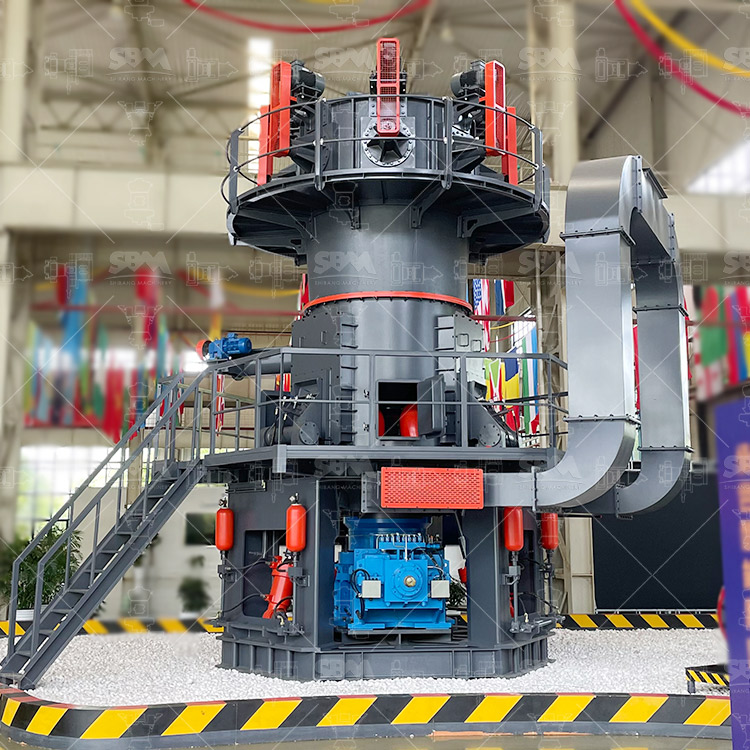
However, when the end goal is ultra-fine powder with exceptional uniformity, a different technology comes to the fore. The SCM Ultrafine Mill and LUM Ultrafine Vertical Mill are engineered for this precise purpose. The SCM series achieves fineness from 325 to 4000 mesh, with a one-time fineness reaching D97≤5µm. Its design ensures high output with energy consumption reportedly 30% lower than some jet mills. For even more advanced ultrafine grinding integrating German separation technology, the LUM Ultrafine Vertical Mill offers high efficiency and allows for precise customization of finished product fineness. Its intelligent PLC control system manages grinding pressure and classifier speed for stable, consistent quality—a crucial factor in masterbatch, PVC, and high-end filler production.
For many operators, the familiar and robust ball mill remains a viable option, especially for certain mineral dressing or wet grinding processes. Acknowledging its traditional pain points—high wear of metal balls and substantial energy use—SBM has undertaken targeted optimizations. Through improved structural design and advanced materials, their ball mills aim to reduce spare parts costs and enhance durability. This demonstrates SBM's philosophy: not just supplying equipment, but continuously refining proven technologies to meet modern efficiency standards.
Beyond the machine itself, the source of purchase is paramount. A reputable supplier provides comprehensive technical support, from initial process analysis and layout planning to installation, commissioning, and after-sales service. SBM's development process, which incorporates feedback from thousands of global clients, ensures their mills, like the MTW European Trapezium Mill, are built with practical innovations. The MTW mill's cone gear whole transmission boosts efficiency, while its unique curved shovel blade design extends the life of rollers and rings, directly addressing the common pain point of high wear part replacement costs.
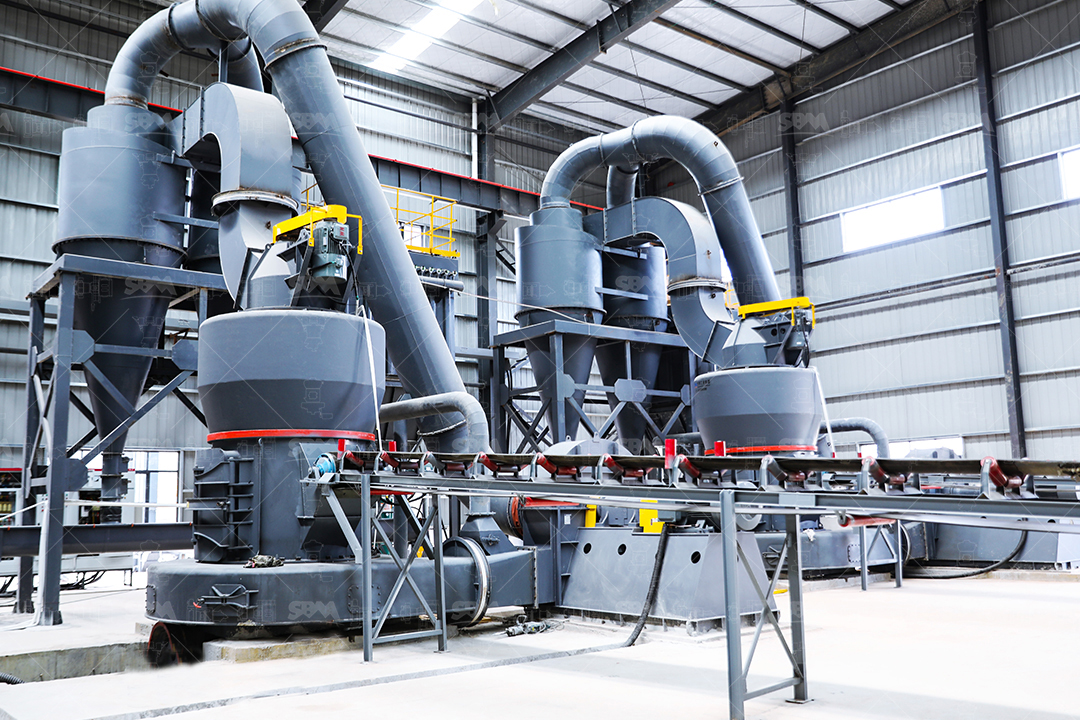
Ultimately, deciding where to buy an industrial calcium carbonate mill involves evaluating the provider's global experience, technological depth, and commitment to solving core industry challenges like energy use, maintenance downtime, and product consistency. A partner that offers a spectrum of technologies ensures you get a solution tailored to your specific material, desired fineness, and capacity—not a one-size-fits-all machine. This tailored approach, backed by R&D and a global service network, transforms the capital investment into a long-term asset for competitive advantage.
Frequently Asked Questions (FAQs)
1. What is the main advantage of a vertical roller mill over a traditional ball mill for calcium carbonate processing?
The primary advantages are significantly lower energy consumption (typically 30-40% less), a more compact system layout saving roughly 50% floor space, and the integration of drying, grinding, and separation in one unit, which reduces overall investment and operational complexity.
2. How fine can calcium carbonate be ground with your mills, and which model is suitable for ultra-fine applications?
For ultra-fine powders, our SCM Ultrafine Mill and LUM Ultrafine Vertical Mill can produce powders ranging from 325 to 4000 mesh. The LUM series, incorporating advanced multi-rotor classifier technology, is particularly effective for achieving consistent, customizable ultra-fine fineness for high-end industrial applications.
3. How does your equipment address the common problem of high wear and maintenance costs of grinding parts?
Our mills feature several design innovations to combat wear. For example, the MTW Mill uses a combined-type curved shovel blade that only requires blade replacement, not the entire holder. The LM Vertical Mill uses rollers and plates made from special high-quality materials with minimal direct contact, dramatically extending service life and reducing spare part costs.
4. Can your grinding systems meet strict environmental and noise regulations?
Yes. Our mills are designed with environmental protection as a priority. They operate under fully sealed, negative-pressure systems to prevent dust spillover. Features like optimized sound insulation rooms, mufflers, and efficient pulse dust collectors ensure noise and emissions comply with stringent international and national standards.
5. Do you offer automated control systems, and how do they benefit the operation?
Yes, models like the LM Vertical Mill and LUM Ultrafine Vertical Mill come equipped with expert automatic control systems (PLC/DCS). These systems enable remote operation, precise control over grinding parameters, stable product quality conversion, and significant savings in labor costs through intelligent, automated process management.


