

Most cost-effective grinding equipment
Published on: October 26, 2023
Selecting the most cost-effective grinding equipment extends far beyond the initial purchase price. True cost-effectiveness is a holistic measure of capital expenditure (CAPEX), operational expenditure (OPEX), maintenance demands, energy efficiency, and final product quality, all contributing to the total cost of ownership and long-term return on investment. For global industries ranging from power generation and mining to chemicals and advanced materials, the choice of grinding technology directly impacts profitability and competitiveness. Shanghai SBM Machinery, as a total solution provider with a footprint in over 180 countries, addresses this complex equation by offering a diversified portfolio of advanced mills. Each machine is engineered to tackle specific material, fineness, and capacity challenges while systematically driving down lifetime costs through innovative design, automation, and robust construction. This analysis explores how SBM's key grinding solutions—from the evolved MTW European Trapezium Mill to the high-precision LUM Ultrafine Vertical Mill—deliver unparalleled cost-effectiveness by targeting the core pain points of modern powder processing operations.
The pursuit of cost reduction often begins with optimizing energy consumption, which typically represents the single largest operational cost in grinding. SBM's Vertical Roller Mill (LM series) is a paradigm shift in this regard. By integrating crushing, drying, grinding, and separation into a single, compact unit, it eliminates the need for multiple auxiliary machines, reducing both footprint and system complexity. Its grinding principle, where rollers directly compress material on a rotating table, is inherently more efficient than the impact and attrition of traditional ball mills. This design can lead to energy savings of 30% to 40%, a figure that translates directly into substantial, continuous OPEX reduction over the equipment's lifespan. Furthermore, its ability to handle moist materials with integrated drying removes the need for a separate dryer, consolidating capital investment.
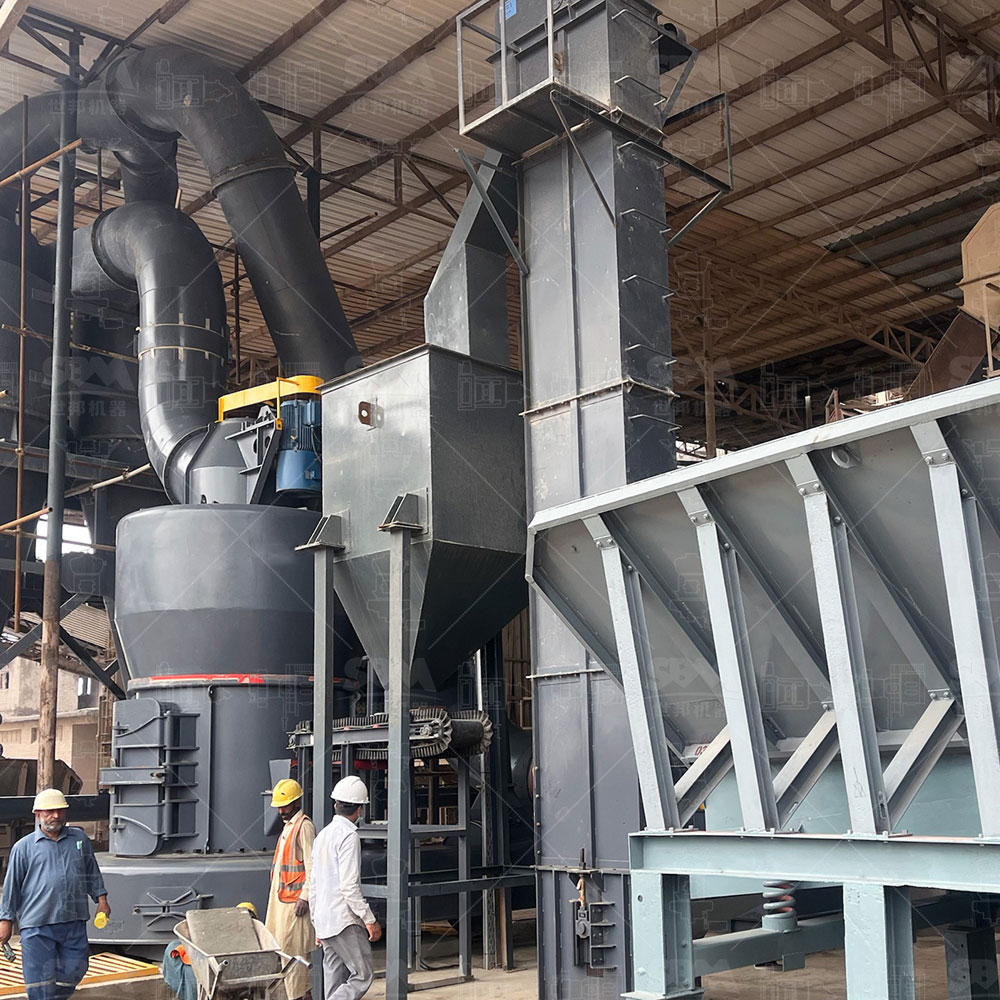
However, energy savings are nullified if equipment suffers from frequent downtime or exorbitant wear part replacement costs. This is where engineered durability becomes a critical component of cost-effectiveness. The MTW European Trapezium Mill incorporates patented designs to combat wear. Its combined-type, curved shovel blades are a prime example; they not only improve feeding efficiency but are also easily replaceable at a fraction of the cost of replacing entire assemblies. The cone gear whole transmission system enhances mechanical efficiency and reliability while reducing maintenance intervals. Similarly, the LUM Ultrafine Vertical Mill and SCM Ultrafine Mill utilize special alloys for rollers and rings, extending service life by multiples compared to standard materials. This focus on reducing the frequency and cost of maintenance directly lowers the total cost of ownership and maximizes production uptime.
For operations requiring ultra-fine or customized fineness, inefficiency and product inconsistency can be major cost drivers. The SCM Ultrafine Mill and LUM Ultrafine Vertical Mill are designed to produce powders from 325 to 4000 mesh with remarkable precision and stability. Their advanced classifier technology ensures sharp particle size cuts, minimizing the circulation of oversized particles and maximizing yield of the target product in a single pass. This high primary classification efficiency reduces energy waste from over-grinding and improves overall system throughput. The intelligent control systems standard on these and other SBM mills allow for precise, automated adjustment of key parameters like grinding pressure and classifier speed. This automation ensures consistent product quality, reduces reliance on highly skilled operators, and prevents costly deviations from specification.
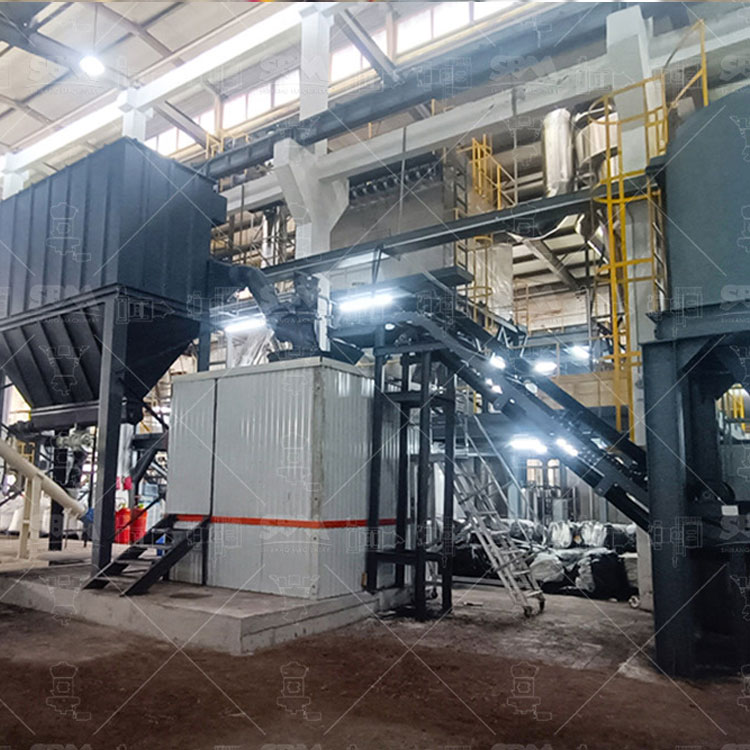
Beyond direct operational metrics, indirect costs related to environmental compliance and site management are increasingly significant. Modern SBM grinding equipment is built with environmental stewardship as a core design principle. Fully sealed systems operating under negative pressure prevent dust spillage, protecting worker health and eliminating costs associated with dust collection remediation. Low-vibration designs and integrated noise reduction technologies keep operational noise well within standards, minimizing community impact and potential regulatory hurdles. The compact, outdoor-capable layout of mills like the LM Vertical Roller Mill can reduce construction and civil engineering costs by up to 50% compared to traditional ball mill systems, offering substantial CAPEX savings from the very start of a project.
Ultimately, the most cost-effective grinding equipment is not a one-size-fits-all solution but the machine that most precisely aligns with a project's specific material characteristics, target fineness, required capacity, and site constraints. SBM's philosophy as a total solution provider is to guide clients through this selection. Whether the need is for the robust, high-capacity grinding of desulfurization limestone with an MTW Mill, the energy-efficient processing of slag or cement with an LM Vertical Mill, or the precision production of high-value mineral powders with an LUM Ultrafine Mill, the goal remains the same: to deliver a grinding system that optimizes every facet of cost over its entire operational life, securing a stronger bottom line and a sustainable competitive advantage.
Frequently Asked Questions (FAQs)
Q1: Our main pain point is high energy costs. Which equipment offers the most significant reduction in power consumption?
A1: For medium to large-scale operations, the LM Vertical Roller Mill is typically the most energy-efficient choice, capable of reducing energy consumption by 30-40% compared to traditional ball milling systems due to its integrated grinding and drying principle.
Q2: We experience frequent downtime due to wear part replacement. How do SBM mills address this?
A2: Models like the MTW Mill feature modular, easily replaceable wear parts (e.g., combined shovel blades) and use special materials for high-stress components. This design philosophy drastically extends service intervals and reduces both part costs and machine downtime.
Q3: We need to produce very fine powders (over 1000 mesh) but struggle with low yield and high operational complexity. Is there a solution?
A3: Yes. The SCM Ultrafine Mill and LUM Ultrafine Vertical Mill are specifically engineered for high-yield, stable production in the 325-4000 mesh range. Their advanced classifier systems ensure precise particle size control and high primary-pass efficiency, simplifying operation and improving output.
Q4: Environmental compliance and dust control are major concerns for our plant. How are SBM mills designed in this regard?
A4: All our advanced mills feature fully sealed systems that operate under negative pressure, ensuring no dust spillage. They also incorporate noise reduction technologies. This integrated approach minimizes environmental impact and helps plants meet strict regulatory standards effortlessly.
Q5: We have limited space and want to minimize initial construction costs. What options do we have?
A5: The LM Vertical Roller Mill and LUM Ultrafine Vertical Mill offer extremely compact system layouts, integrating multiple functions into one unit. Their footprint can be up to 50% smaller than traditional systems, and they are designed for outdoor installation, significantly reducing civil engineering and construction costs.


