

July steel price forecast
Published: July 1, 2024
The global steel market in July is anticipated to experience continued volatility, driven by fluctuating raw material costs, uncertain demand signals from key construction and manufacturing sectors, and evolving environmental policy pressures. While precise price directions remain challenging to pinpoint, a consistent theme emerges: operational efficiency and cost control at the processing stage will be critical differentiators for profitability. Companies that can optimize their grinding and mineral processing workflows—reducing energy consumption, minimizing wear part costs, and maximizing output quality—will be best positioned to absorb market shocks and capitalize on opportunities. This forecast explores the underlying market dynamics and emphasizes how advanced grinding technology serves as a strategic lever for resilience.
The interplay between iron ore and coking coal prices, alongside energy costs, creates a complex foundation for steel pricing. Geopolitical tensions and logistical bottlenecks can cause sudden spikes, compressing margins for steel producers and their downstream customers. In such an environment, simply passing costs along the chain becomes increasingly difficult. The focus must shift inward, to the production process itself. For industries reliant on processed minerals—from metallurgy and mining to building materials and chemicals—the grinding circuit is often a significant contributor to both operational expenditure (OPEX) and carbon footprint. Inefficiencies here directly erode the bottom line, making operations vulnerable to raw material price swings.
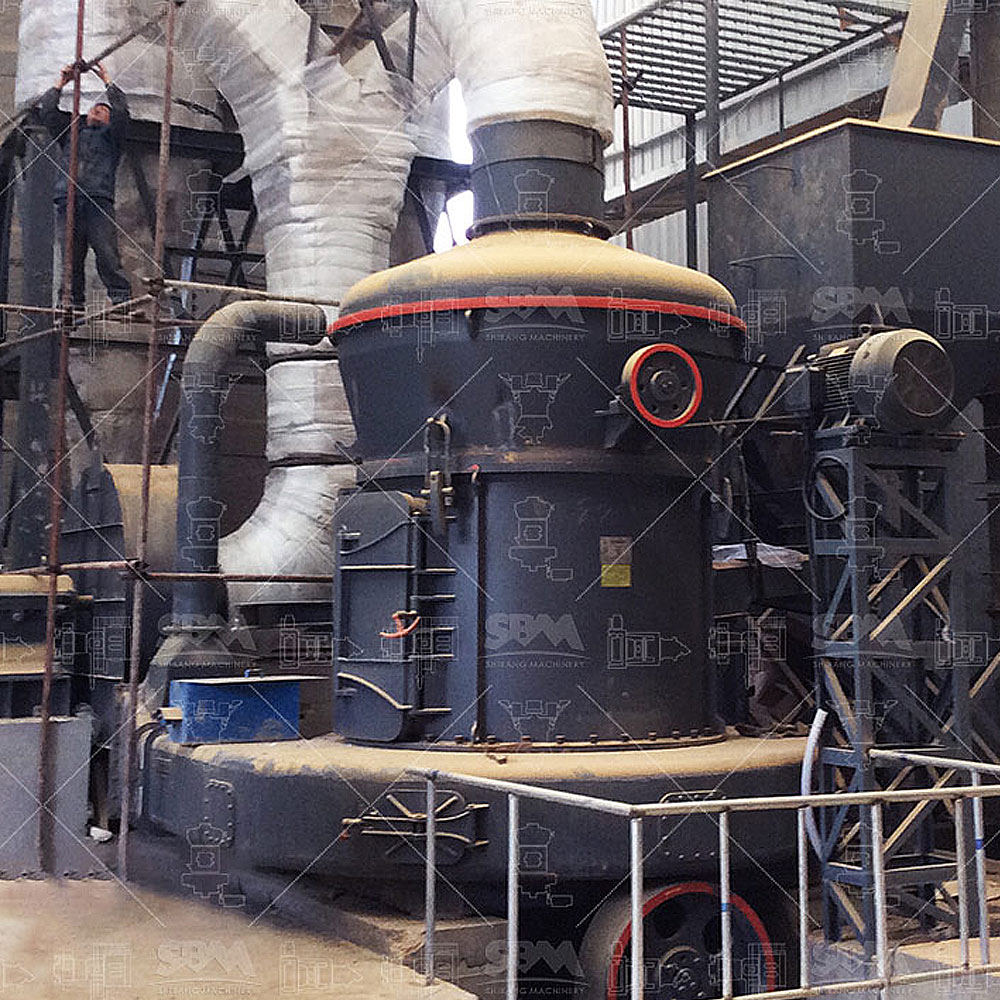
This is where the strategic deployment of high-efficiency grinding equipment becomes paramount. Consider the challenges of traditional methods: high energy consumption, frequent maintenance downtime for part replacement, and inconsistent product fineness. These are direct pain points that amplify external market pressures. Modern mill designs directly address these issues. For instance, mills featuring integrated drying, grinding, and classification systems drastically reduce the number of required units, lowering capital investment and footprint by up to 50% compared to traditional ball-milling systems. This system simplification is a direct boost to operational agility.
Energy consumption is perhaps the most sensitive cost factor. Advanced vertical roller mills, employing principles like material-bed grinding, have demonstrated energy savings of 30% to 40% over conventional ball mills. This is achieved through direct grinding on the plate with optimized rollers, minimizing wasted motion. Furthermore, innovations like inner oil absorption lubrication systems and bevel gear whole transmissions enhance mechanical efficiency, ensuring more power is directed toward grinding rather than lost to friction or heat. For ultra-fine processing requirements, next-generation mills utilize high-efficiency turbine classifiers and intelligent frequency-conversion control to achieve precise fineness up to 4000 mesh in a single pass, eliminating the need for repetitive, energy-intensive processing stages.
Wear part longevity is another critical frontier for cost control. The recurring expense and downtime associated with replacing liners, rollers, and rings are a major operational headache. Engineering solutions such as combined-type curved shovel blades and special-material rollers and rings are designed to extend service life significantly. Some designs allow for the replacement of only the wear blade itself, not the entire assembly, slashing maintenance costs and inventory needs. This focus on durability translates directly to higher uptime and more predictable operating budgets.
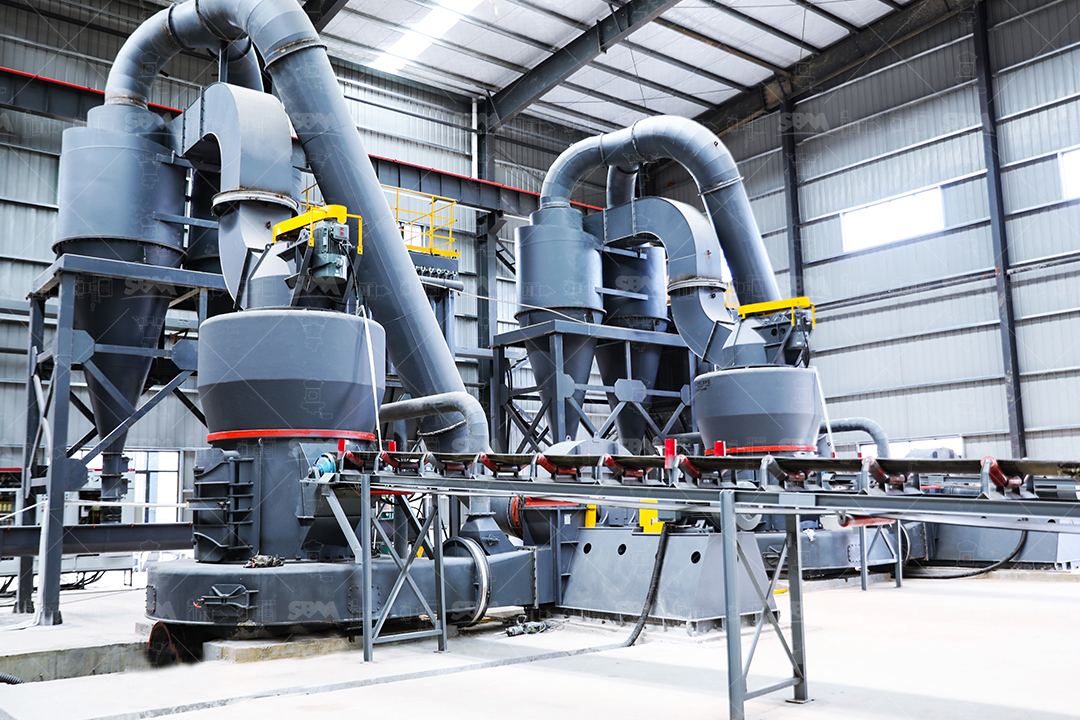
Finally, operational stability and environmental compliance are no longer optional. Market access increasingly depends on meeting stringent emissions and noise standards. Modern grinding systems are engineered for full negative pressure operation with advanced sealing, ensuring no dust spillage. Integrated pulse dust collectors and sound insulation designs keep emissions and noise well below regulatory thresholds. Moreover, expert automatic control systems (PLC/DCS) enable remote monitoring and control, stabilizing operations through real-time adjustments to grinding pressure and classifier speed. This automation not only optimizes performance but also reduces labor costs and human error, contributing to a more consistent, high-quality product output.
In conclusion, while July's steel price trajectory will be shaped by macro-economic forces, individual companies are not powerless. By investing in grinding technology that delivers lower energy use, reduced maintenance costs, superior product quality, and guaranteed environmental compliance, businesses can build a robust foundation of operational efficiency. This internal strength provides the flexibility needed to navigate external price volatility, protect margins, and maintain a competitive edge in a challenging market. The key is to view processing equipment not merely as a cost center, but as a strategic asset for financial and environmental sustainability.
Frequently Asked Questions (FAQs)
Q1: Our current grinding process is too energy-intensive, hurting our profitability when energy prices rise. What solutions can significantly reduce our power consumption?
A: Modern vertical roller mills and advanced ultrafine mills are designed specifically for high efficiency. Through integrated systems, material-bed grinding principles, and optimized mechanical drives like whole gear transmissions, they can reduce energy consumption by 30-40% compared to traditional ball mill systems, directly insulating your operation from energy cost volatility.
Q2: We face frequent production stoppages and high costs due to the rapid wear of grinding parts like rollers and rings. How can we improve this?
A: Equipment featuring wear-resistant designs is crucial. Look for mills with combined-type, replaceable-only-the-blade shovel designs, rollers and rings made from special durable materials, and curved blade designs that reduce abrasive impact. These innovations can extend service life multiple times, drastically cutting part replacement costs and unplanned downtime.
Q3: We need to produce very fine powders consistently, but our current setup requires multiple passes and gives inconsistent results. Is there a more efficient way?
A: Yes. Ultrafine grinding mills with high-precision, multi-rotor turbine classifiers and intelligent frequency-conversion control can achieve fineness up to 4000 mesh in a single pass. The automated control system ensures fast, stable product conversion and consistent particle size distribution (e.g., D97 ≤ 5μm), eliminating reprocessing and improving product quality.
Q4: Meeting environmental regulations on dust and noise is becoming stricter and more costly. Can new grinding equipment help with compliance?
A> Absolutely. State-of-the-art mills are designed as fully sealed systems operating under negative pressure, preventing dust escape. They are equipped with efficient multi-stage dust collection (e.g., powder collectors + pulse dust collectors) and built-in sound insulation. This design inherently meets stringent national and international environmental standards, simplifying compliance.
Q5: We want to modernize our plant but are concerned about high upfront investment and complex operation of new systems.
A: The latest grinding systems offer a strong return on investment. Their compact, integrated design (crushing, drying, grinding, separating) can reduce floor space by ~50% and lower civil engineering costs. Furthermore, they come with user-friendly, expert automatic control systems enabling simple local or remote operation, which reduces labor costs and the need for highly specialized operators.


