

Recommended construction waste recycling projects
Published on: October 26, 2023
The global construction industry generates vast quantities of waste, presenting both a significant environmental challenge and a substantial opportunity for resource recovery. Effective recycling of construction and demolition (C&D) waste into valuable secondary raw materials requires robust, efficient, and adaptable grinding technology. This article explores recommended approaches for construction waste recycling projects, focusing on the critical role of advanced milling systems in processing materials like concrete, bricks, tiles, and slag into fine powders for reuse in applications such as road base, new concrete aggregates, and supplementary cementitious materials. We will examine how selecting the right grinding solution—from high-capacity vertical roller mills to ultra-fine grinding systems—can directly address core project pain points: high operational costs, inconsistent product quality, excessive energy consumption, space constraints, and stringent environmental compliance. By integrating proven, total-solution grinding technology, project developers can transform waste streams into profitable, sustainable ventures.
The foundation of any successful C&D waste recycling plant is a reliable primary crushing and sorting line. Once sorted, the hard, abrasive nature of materials like concrete and masonry demands grinding equipment built for durability and efficiency. Traditional methods often fall short, leading to frequent downtime and high wear-part replacement costs. Modern grinding philosophy emphasizes systems designed for longevity and lower cost-per-ton operation. For instance, equipment featuring unique wear-proof designs, such as combined-type shovel blades that only require partial replacement, directly reduce maintenance costs and extend the service life of critical components like rollers and rings. This is crucial for processing abrasive construction debris, where equipment wear is a primary operational expense.
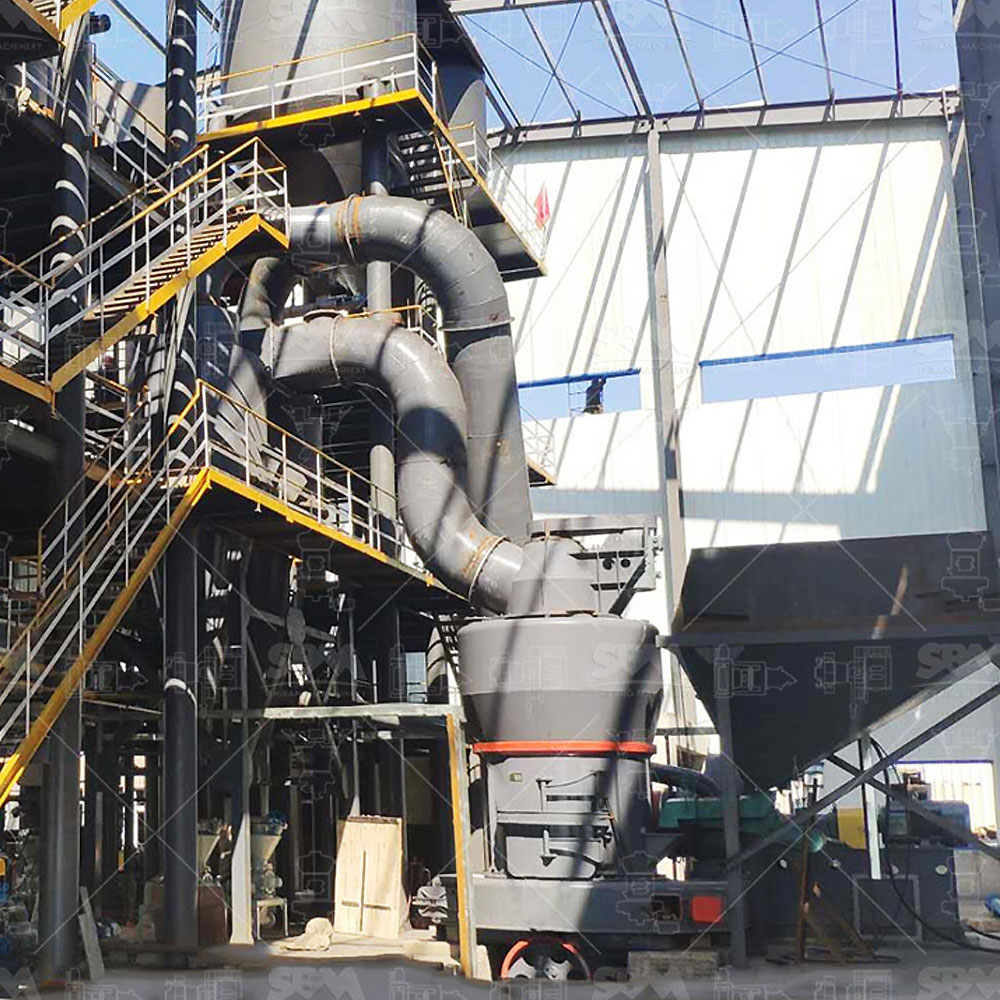
For high-volume processing of recycled concrete aggregates or slag to medium fineness (e.g., 30-100 mesh for road base), high-capacity grinding mills are essential. The Vertical Roller Mill (VRM) stands out for such applications. Its integrated design combines crushing, drying, grinding, and separation into a single unit, offering a compact footprint—often 50% smaller than traditional ball mill systems—which is a major advantage for urban recycling facilities with limited space. More importantly, its operating principle, where rollers grind material on a plate without direct metal-to-metal contact, results in significantly lower energy consumption (30-40% less than ball mills) and reduced wear. Furthermore, its fully sealed system operating under negative pressure ensures no dust spillage, a critical feature for meeting strict environmental regulations at recycling sites.
When the project goal is to produce high-value, ultra-fine powders from waste glass, ceramic residues, or finely processed concrete paste for use in advanced building materials, Ultrafine Grinding Mills are the technology of choice. These mills can achieve fineness levels from 325 to over 2500 mesh. The technical challenge here is achieving consistent product quality while managing energy input. Advanced ultrafine mills address this through high-efficiency turbine classifiers that ensure precise particle size cuts and prevent coarse powder spillover, guaranteeing a uniform final product. Additionally, features like frequency-conversion control allow for easy adjustment of fineness, providing flexibility to meet varying market demands from a single waste stream.
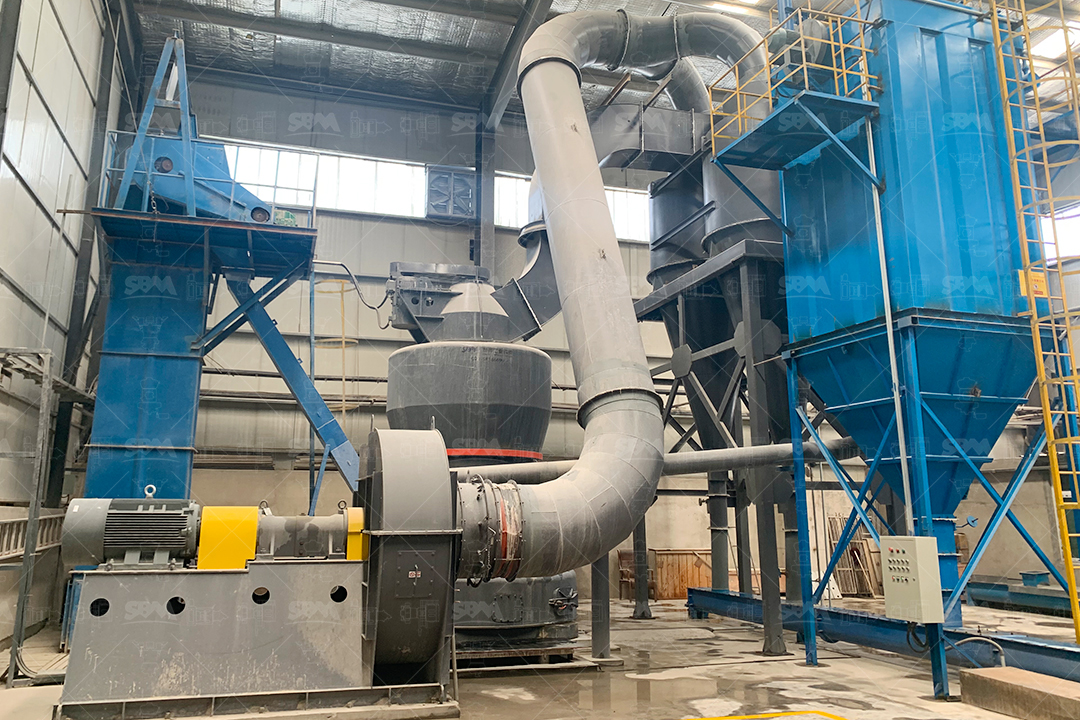
Operational intelligence is no longer a luxury but a necessity for modern recycling projects. Automated control systems embedded in advanced grinding equipment enable remote monitoring and control, optimizing parameters like grinding pressure and classifier speed in real-time. This not only saves on labor costs but also stabilizes production, minimizes human error, and ensures consistent output quality. The ability to operate stably with low vibration and noise is another key environmental consideration, allowing recycling plants to be good neighbors in industrial zones. The integration of efficient pulse dust collectors and sound insulation technology ensures that the recycling process itself adheres to the highest environmental protection standards, completing the sustainability loop.
In conclusion, the economic and environmental viability of a construction waste recycling project is intrinsically linked to the performance of its grinding and processing heart. Moving beyond conventional crushing, the strategic implementation of specialized grinding technology—from vertical roller mills for bulk reduction to ultrafine mills for value-added products—enables operators to overcome the traditional hurdles of high cost, poor efficiency, and environmental impact. By focusing on equipment that offers integrated design, intelligent control, superior wear resistance, and guaranteed environmental compliance, project developers can build a future-proof recycling operation that turns the challenge of C&D waste into a cornerstone of the circular economy.
Frequently Asked Questions (FAQs)
1. What is the biggest challenge when grinding hard construction waste like concrete, and how is it addressed?
The primary challenge is the extreme abrasiveness of the material, which leads to rapid wear of grinding components and high maintenance costs. This is addressed by using mills with specialized wear-resistant materials and innovative designs, such as replaceable shovel blades and durable roller/ring sets, which dramatically extend service life and reduce operating expenses.
2. Our project site has limited space. Can we still install an efficient grinding system?
Absolutely. Modern vertical roller mills are designed with a compact, integrated layout that combines multiple processing stages (drying, grinding, separation) into one unit. Their footprint can be up to 50% smaller than traditional ball mill systems, and they can even be installed outdoors, making them ideal for space-constrained recycling yards.
3. How can we ensure the final recycled powder meets consistent quality standards for use in new building materials?
Consistency is achieved through advanced separation technology and intelligent control. High-precision turbine classifiers within the mill ensure accurate particle size distribution, while PLC/DCS automatic control systems continuously monitor and adjust key parameters like grinding pressure and classifier speed, guaranteeing stable and uniform product quality batch after batch.
4. Dust control is a major concern for our local environmental compliance. How is this managed?
Professional grinding systems for recycling are engineered as fully sealed systems that operate under negative pressure. This means air is drawn into the mill, preventing any dust from escaping. Coupled with high-efficiency pulse dust collectors, these systems effectively capture over 99.9% of particulate matter, ensuring emissions are well within national and international environmental standards.
5. The energy cost for grinding is a significant part of our operational budget. Are there energy-efficient options?
Yes, energy efficiency is a core focus of next-generation grinding technology. Vertical roller mills, for example, can reduce energy consumption by 30-40% compared to traditional ball mills for the same output. This is due to their direct grinding principle and highly efficient drive systems, which directly translate to lower operating costs and a reduced carbon footprint for your recycling project.


