

What is putty? limestone & talc mills
Published: October 26, 2023
In the mineral processing industry, 'putty' often refers to finely ground mineral pastes, with limestone and talc being two foundational materials for a vast array of industrial and consumer products. Processing these minerals to precise fineness and purity is a significant technical challenge, directly impacting product quality, operational efficiency, and environmental compliance. This article explores the critical role of advanced grinding technology in transforming raw limestone and talc into high-value powders, addressing common industry pain points through innovative engineering solutions that enhance yield, reduce energy consumption, and ensure system stability.
The journey from raw mineral to refined powder is central to industries ranging from construction and plastics to paints and cosmetics. Limestone, primarily calcium carbonate, is the backbone of environmental desulfurization in power plants, a key filler in plastics and paints, and the raw material for cement. Talc, a magnesium silicate mineral, is prized for its softness, lubricity, and chemical inertness, making it essential in products from ceramics and paper to pharmaceuticals and personal care. The common denominator for unlocking their value is efficient, reliable, and precise pulverization.
Traditional grinding methods often struggle with the inherent demands of modern production: achieving ultra-fine particle sizes (often into the micron and sub-micron range), maintaining consistent quality, managing soaring energy costs, and meeting stringent environmental regulations. Operators frequently face dilemmas such as choosing between output capacity and fineness, battling high wear part costs in abrasive materials, and integrating complex, space-consuming systems.
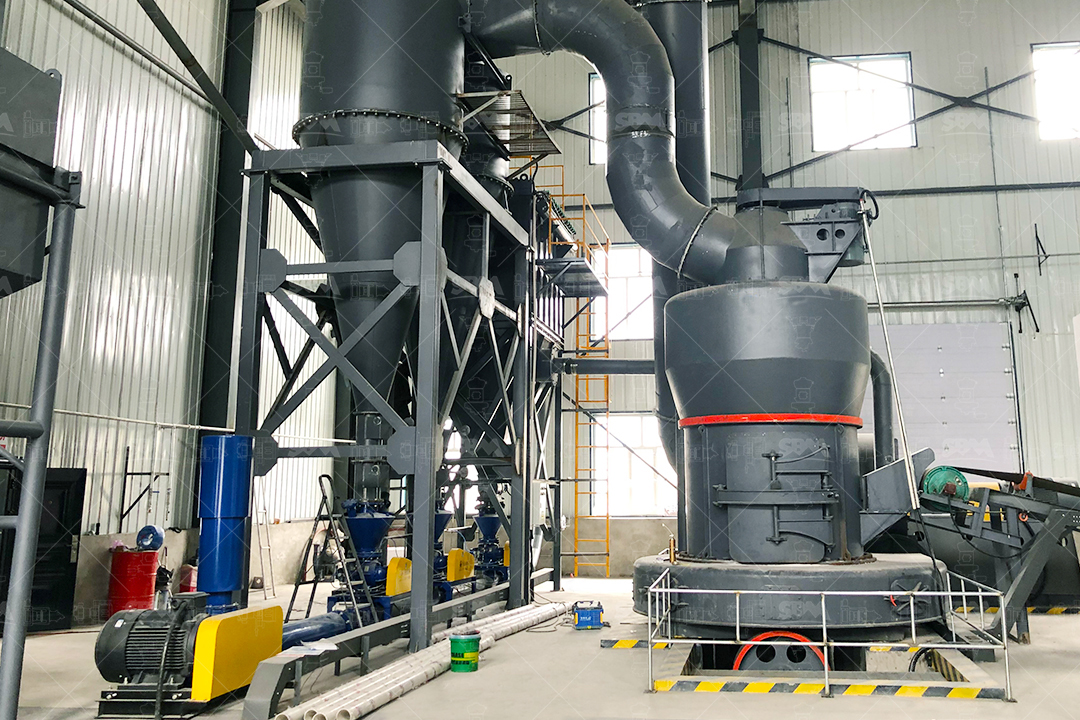
This is where the evolution of grinding technology becomes paramount. Moving beyond conventional ball mills, contemporary solutions like the MTW Series European Trapezium Grinding Mill offer a significant leap forward. Its cone gear whole transmission and inner oil absorption lubrication system minimize energy loss and maintenance downtime. The patented curved shovel blade design is particularly beneficial for materials like limestone, reducing wear on the roller and ring and extending service life—directly tackling the pain point of high operating costs due to part replacement.
For large-scale production of limestone for desulfurization or GCC (Ground Calcium Carbonate), the LM Vertical Roller Mill presents a compelling case. By integrating crushing, drying, grinding, and classification into a single, compact unit, it addresses the critical issue of high comprehensive investment and large footprint. Its grinding principle, where rollers press on a rotating table, consumes 30-40% less energy than traditional ball milling systems. The fully automated control system allows for remote operation, ensuring stable product quality while reducing labor costs and human error—a key concern for plant managers.
When the application demands extreme fineness, such as high-grade talc for cosmetics or specialty calcium carbonate for masterbatch, general-purpose mills reach their limits. The SCM Ultrafine Mill and LUM Ultrafine Vertical Roller Mill are engineered specifically for this frontier. Capable of achieving powders from 325 to 4000 mesh, these mills incorporate advanced classifier technology to ensure precise particle size distribution with no coarse powder spillover. For talc processing, which requires maintaining its natural lamellar structure for lubricity, the gentle yet efficient grinding action of these mills is crucial. The LUM model, integrating German powder-separating technology, features a unique grinding curve design that promotes stable material bed formation, enhancing efficiency and primary grinding yield.
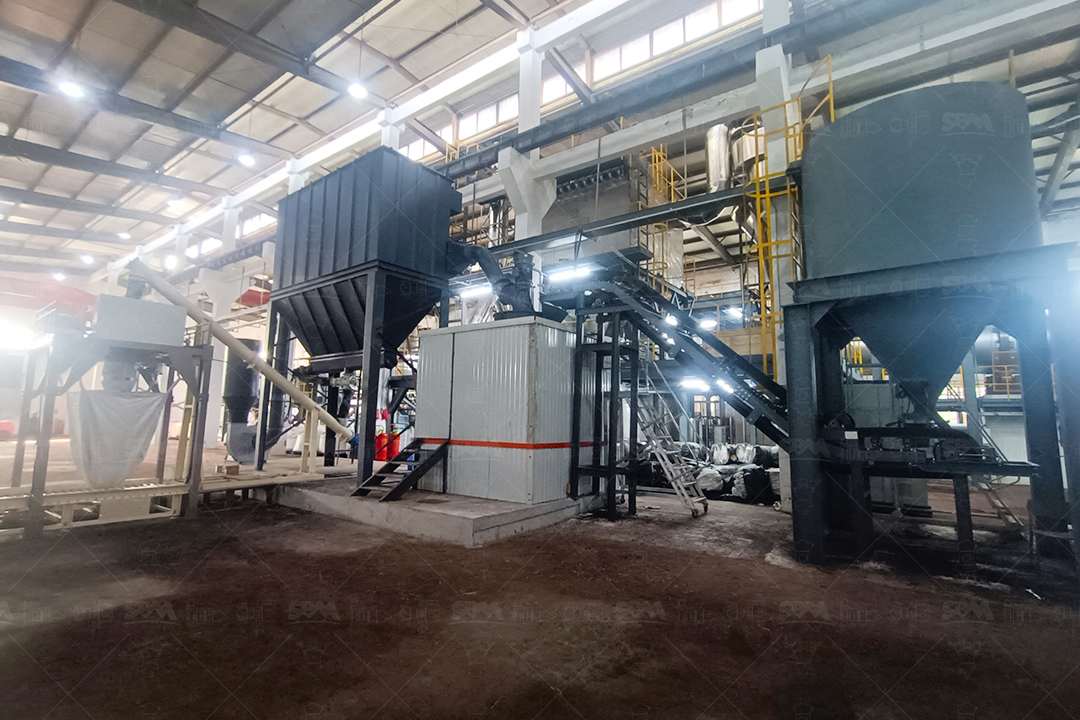
Environmental and operational stability are non-negotiable in today's industry. All advanced grinding systems now prioritize these aspects. Sealed systems operating under negative pressure completely contain dust, a major concern for worker safety and environmental compliance. Innovations like arc air ducts, optimized sound insulation, and low-vibration designs ensure noise levels are kept well within standards, creating a better working environment and reducing community impact.
Ultimately, selecting the right grinding solution is not about finding a single machine but about implementing a total system designed for the specific material and end-goal. It requires a partner with deep process knowledge, from initial material characteristics to final powder application. The right technology partnership can transform operational challenges—high energy use, inconsistent quality, frequent maintenance—into competitive advantages of lower cost-per-ton, superior product performance, and sustainable, reliable production.
Frequently Asked Questions (FAQs)
- We need to produce both coarse limestone for construction and fine talc for plastics. Can one mill handle such a wide range of materials and fineness?
While versatile mills like the MTW Series or LM Vertical Mill cover a broad spectrum (30-400 mesh), optimally processing vastly different materials and target fineness often benefits from a tailored solution. Ultrafine vertical mills are specialized for high-finesse materials like talc. A professional assessment of your full product portfolio is recommended to design the most efficient and cost-effective grinding circuit. - Our biggest issue is the rapid wear of grinding parts when processing abrasive minerals, leading to high costs and downtime. How is this addressed?
This is a common critical pain point. Solutions include the use of special alloy materials for rollers and rings, innovative designs like the combined-type shovel blade (where only the blade is replaced), and grinding principles that reduce direct metal-to-metal contact. These features significantly extend service life and reduce the frequency and cost of spare parts replacement. - Energy consumption is our primary operational cost. What level of savings can modern grinding equipment realistically deliver?
Advanced vertical roller mills and ultrafine mills are engineered for energy efficiency. By employing high-efficiency classifiers, integrated systems, and optimized grinding mechanics, they can achieve 30% to 40% lower energy consumption compared to traditional ball mill systems for similar output, offering a substantial reduction in long-term operating expenses. - We are expanding our plant but have limited space. Are these high-capacity grinding systems compact?
Yes, modern grinding systems, particularly vertical roller mills, are designed with footprint in mind. They integrate multiple functions (drying, grinding, separation) into a single unit, often occupying about 50% of the space required by a conventional ball mill system. This compact, vertical layout is ideal for greenfield projects or space-constrained facility upgrades. - How can we ensure consistent powder fineness and quality, especially for high-value applications, with minimal manual intervention?
Modern mills are equipped with intelligent, automated control systems (PLC/DCS). These systems continuously monitor and automatically adjust key parameters like grinding pressure, classifier speed, and feed rate. This ensures stable operation and consistent product quality, allows for remote monitoring and control, and reduces reliance on manual operation and the potential for human error.


