

Gcc uses, fineness requirements, mills
Published on: October 26, 2023
For producers of Ground Calcium Carbonate (GCC), achieving the precise balance between target fineness, production capacity, and operational cost is a persistent challenge. The selection of grinding equipment is not merely a purchase but a strategic decision impacting product quality, energy efficiency, and long-term profitability. This article explores the critical relationship between GCC application requirements, fineness specifications, and the advanced milling technologies designed to address them. We will delve into how modern grinding solutions, from high-capacity vertical roller mills to precision ultrafine systems, are engineered to transform raw calcium carbonate into a high-value product while mitigating common production pain points such as high wear costs, excessive energy consumption, and inconsistent particle size distribution.
The journey of GCC from coarse limestone to a functional powder is defined by its end use. In plastics, paper, paints, and sealants, the required particle size distribution—often measured in mesh or microns—directly influences opacity, strength, gloss, and viscosity. A mill that excels at producing coarse fillers for asphalt may struggle with the stringent demands of high-gloss paint formulations. Therefore, understanding the "fineness requirement" is the first and most crucial step in specifying equipment. It dictates the necessary grinding force, classification efficiency, and system design.
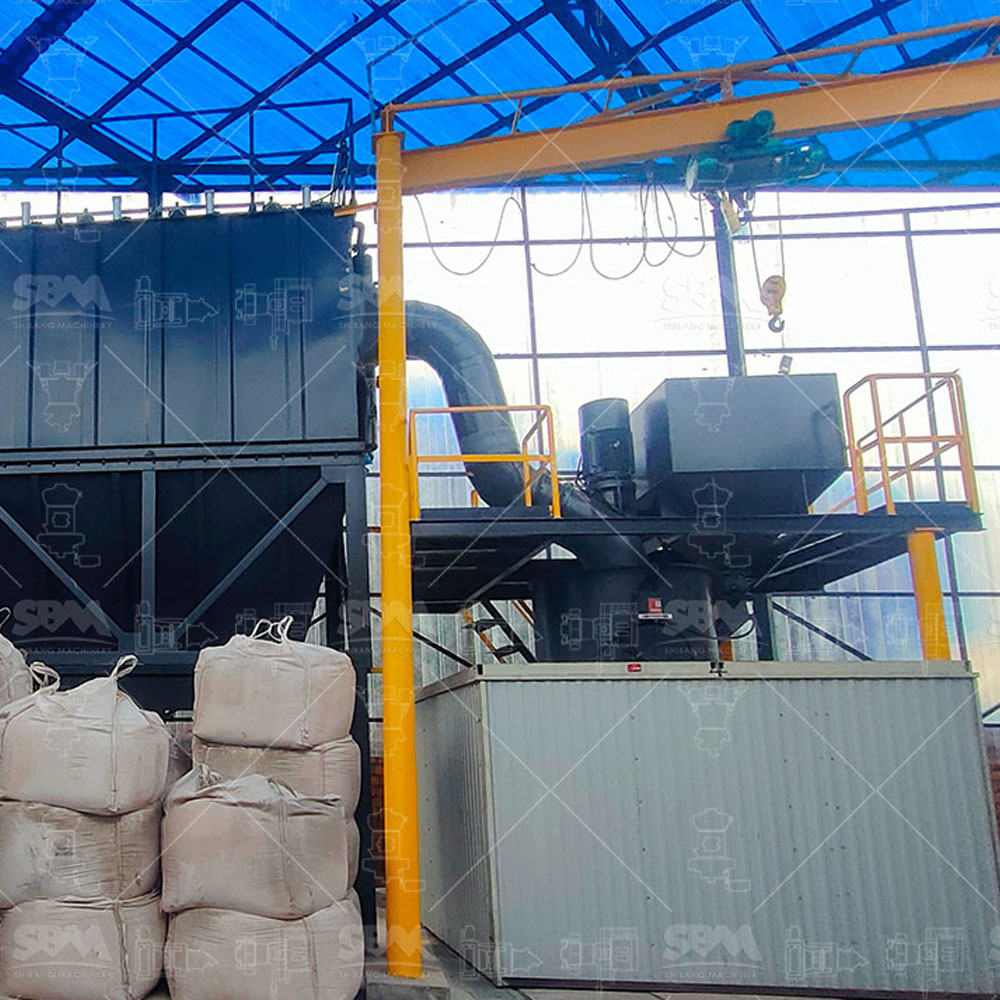 Traditional grinding approaches often involved a one-size-fits-all mentality, leading to compromises in efficiency. Today, the market offers a spectrum of mills, each with a specialized profile. For high-volume production of GCC in the 30-400 mesh range, such as for desulfurization or construction materials, the MTW European Trapezium Mill presents a robust solution. Its cone gear whole transmission and arc air duct design are engineered for reliable, continuous operation with reduced mechanical loss and improved airflow, directly addressing energy waste. The unique wear-proof shovel blade design specifically targets the pain point of high spare part consumption, allowing for the replacement of only the blade segment, thereby lowering maintenance time and cost.
When project scales escalate and energy footprint becomes a paramount concern, the LM Vertical Roller Mill emerges as a mainstream choice. Its integrated design—combining drying, grinding, and separation—significantly reduces plant footprint and structural steel investment. The principle of material bed grinding, where rollers compress material on a rotating table, results in remarkably lower energy consumption compared to traditional ball milling systems. For operators plagued by high power bills, this technology offers a tangible reduction in operating costs. Furthermore, its fully sealed, negative-pressure operation ensures a dust-free environment, meeting stringent environmental standards without additional, costly filtration investments.
However, the frontier of GCC value lies in ultrafine and nano-grade powders (325-4000 mesh) used in high-end polymers, masterbatches, and advanced materials. Here, general-purpose mills fall short. The SCM Ultrafine Mill is designed precisely for this domain. It tackles the twin challenges of achieving ultra-high fineness and maintaining economic viability. Its high-efficiency turbine classifier ensures precise particle cut-points, preventing coarse powder spillover that can ruin a batch's quality. The heavy-duty rotor and special material rollers combat the extreme wear associated with fine grinding, a common headache that leads to frequent downtime and product contamination.
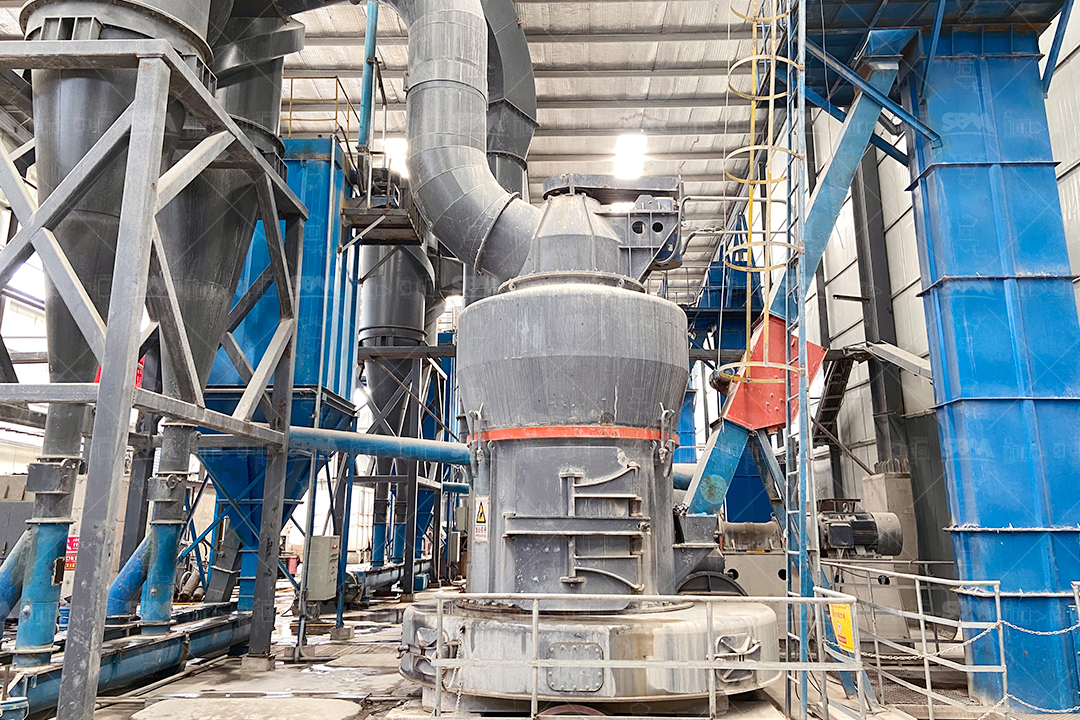 The evolution continues with the LUM Ultrafine Vertical Mill, which merges the high-capacity advantages of vertical milling with the precision of ultrafine classification. Its multi-rotor classifier allows for on-demand customization of fineness within a broad spectrum. For producers serving diverse clients with varying specifications, this flexibility is invaluable. The intelligent PLC/DCS control system automates critical parameters like grinding pressure and classifier speed, ensuring consistent output quality and freeing operators from constant manual adjustments—a direct response to the pain point of product inconsistency and high labor oversight.
Even the mature technology of the Ball Mill has been refined to address its historical drawbacks. Acknowledging client feedback on high liner and ball wear, as well as energy intensity, modern optimized ball mills utilize improved structural designs and advanced materials to extend service life. They remain a viable and cost-effective solution for specific wet or dry grinding processes where their particular grinding action is beneficial.
In conclusion, navigating GCC production successfully requires moving beyond mere equipment procurement to a holistic process solution. By aligning the intrinsic capabilities of specific mill technologies—be it the efficiency of vertical roller mills, the precision of ultrafine systems, or the reliability of advanced trapezium designs—with well-defined fineness and capacity goals, producers can overcome the classic trilemma of quality, cost, and output. The right mill is not just a machine; it is the core of a competitive and sustainable GCC operation.
Frequently Asked Questions (FAQs)
- We struggle with high energy consumption and wear part costs in our existing GCC line. What is the most significant operational saving we can expect from newer mill designs?
Modern mills like the LM Vertical Roller Mill are engineered specifically to address these issues. You can typically expect a 30-40% reduction in energy consumption compared to traditional ball mill systems. Furthermore, designs featuring specialized wear materials and segmented replacement parts (like the MTW Mill's shovel blade) can reduce spare part costs and downtime by over 50%, targeting your two largest operational expenses directly. - Our product mix requires us to switch between different fineness specifications (e.g., from 600 mesh to 2500 mesh) regularly. Is this feasible without major system changes?
Yes, this is a key strength of mills with advanced classifier technology, such as the LUM Ultrafine Vertical Mill. Its multi-rotor classifier and frequency-conversion control allow for relatively quick and stable adjustment of the finished product fineness within a wide range. This enables flexible production scheduling to meet diverse customer orders without the need for separate, dedicated production lines. - Dust control and environmental compliance are major concerns for our plant expansion. How are modern grinding systems addressing this?
Contemporary grinding systems are designed as fully sealed, negative-pressure systems. This means air is drawn into the mill, preventing dust from escaping at feed or discharge points. Integrated with high-efficiency pulse dust collectors, these systems can achieve dust emission levels significantly below national and international standards, turning an environmental challenge into a non-issue for your project approval and community relations. - We experience inconsistent particle size distribution, which affects our product quality. What causes this and how can it be solved?
Inconsistency often stems from inefficient classification and unstable grinding parameters. Advanced mills incorporate high-precision, static or dynamic classifiers that provide sharp particle separation. Coupled with intelligent automatic control systems (PLC/DCS) that constantly monitor and adjust grinding pressure, feed rate, and classifier speed, these technologies ensure a stable material bed and consistent fineness, batch after batch. - For a new GCC project, we are torn between prioritizing low initial investment and low long-term operating cost. What is the trade-off?
While some systems may have a lower upfront cost, they often incur higher energy and maintenance expenses. Technologies like the Vertical Roller Mill represent an integrated approach. Their compact layout reduces civil engineering costs, and their high grinding efficiency lowers lifetime energy consumption. The optimal choice involves a Total Cost of Ownership (TCO) analysis, where a slightly higher initial investment can lead to substantially lower operational costs over the equipment's lifespan, improving your long-term profitability.


