

Formation, properties, and industrial use of bauxite
Published on 2025-03-24
Bauxite, the primary ore of aluminum, is a sedimentary rock formed through the intense weathering of aluminous rocks in tropical and subtropical climates over millions of years. Its key properties include a high alumina content (typically 40-60% Al₂O₃), variable iron oxide levels giving it a reddish-brown color, and a low silica content for economic viability. Industrial use of bauxite spans alumina extraction (via the Bayer process) for aluminum smelting, cement manufacturing, refractories, and abrasives. Despite its abundance, processing bauxite presents challenges such as high energy consumption, wear on grinding equipment, and strict product fineness requirements. SBM Machinery offers tailored grinding solutions like the MTW European Trapezium Mill, LM Vertical Roller Mill, and SCM Ultrafine Mill to address these pain points, ensuring efficient particle size reduction with capacities from 0.5 to 400 tph and fineness from 30 to 4000 mesh. Below, we explore bauxite’s geology, properties, and industrial applications, highlighting how advanced milling technology overcomes common client hurdles.
Formation of Bauxite
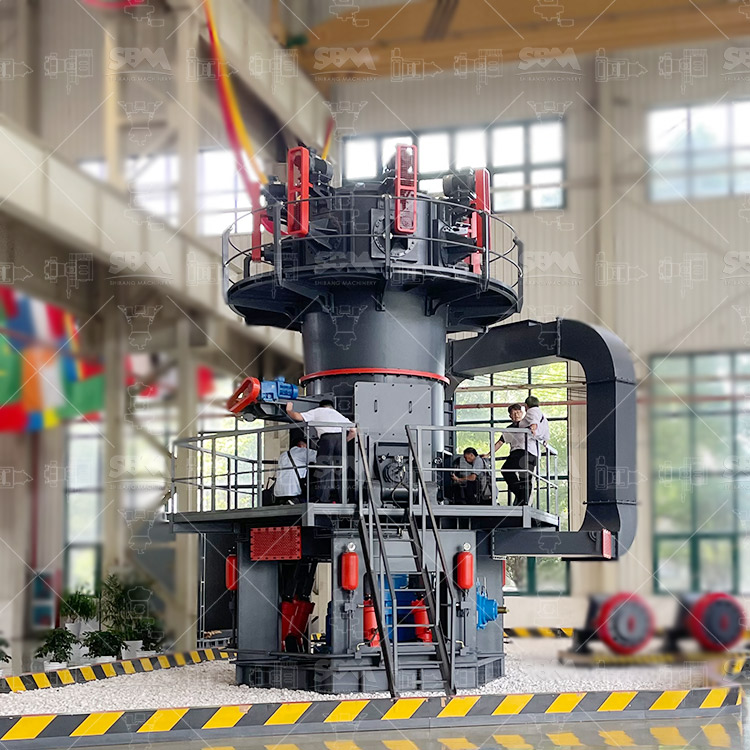
Bauxite formation occurs through lateritic weathering, where parent rocks like granite, basalt, or shale undergo prolonged leaching under high rainfall and temperature. The process enriches alumina (Al₂O₃) by removing soluble elements like silica, alkalis, and alkaline earths. Globally, major bauxite deposits exist in Guinea, Australia, Vietnam, and Brazil—regions with ideal weathering conditions. The ore typically contains three alumina-bearing minerals: gibbsite (Al(OH)₃), boehmite (γ-AlOOH), and diaspore (α-AlOOH). Gibbsite-rich ores are easier to process, while diaspore requires higher temperature and pressure. Understanding ore variability is critical for selecting appropriate grinding equipment. For instance, SBM's LM Vertical Roller Mill integrates drying and grinding, handling moisture-laden bauxite efficiently, reducing pre-treatment costs. The mill's compact layout—occupying only 50% of a ball mill system's floor space—minimizes site investment, a key concern for remote mining operations.
Properties of Bauxite
Bauxite's properties dictate its industrial suitability. Its hardness (Mohs scale 1-3) and abrasive nature cause rapid wear on grinding parts. High-grade bauxite for smelting must have Al₂O₃ above 50%, SiO₂ below 5%, and minimal impurities like iron, titanium, and calcium. For refractory uses, low iron content is vital to maintain high melting points. Moisture content (10-30%) also impacts processing: dry bauxite reduces energy consumption in crushing and grinding. SBM's MTW European Trapezium Mill features a unique wear-proof perching knife design and arc air duct, directly countering wear from abrasive bauxite. The combined-type shovel blade only requires blade replacement, lowering maintenance costs. Additionally, the cone gear whole transmission improves efficiency, saving space and investment—benefits proven across 9500+ customer installations. Clients often report that conventional mills fail to maintain consistent output fineness (30-400 mesh) without frequent roller and ring replacements; the MTW mill's curved shovel blades extend component life by changing the feeding angle, reducing downtime.
Industrial Use of Bauxite
Alumina Production
Over 90% of bauxite is processed into alumina via the Bayer process, where crushed ore is digested in sodium hydroxide at high temperatures. The resulting aluminum hydroxide is calcined to alumina. Final aluminum smelting requires alumina with fineness around 100-200 mesh. SBM's SCM Ultrafine Mill achieves D97≤5μm for ultra-fine applications, with capacity 30% higher than jet mills yet 30% lower energy consumption. The automatic feedback system ensures stable conversion, saving labor costs. For clients producing specialty alumnias (e.g., for ceramics), the vertical turbine powder classifier eliminates coarse powder spillover, ensuring precise particle size.
Cement and Refractories
Bauxite is used as a raw material in high-alumina cement and refractory bricks due to its heat resistance. Grinding to 200-325 mesh is typical. SBM's Ball Mill, though mature, optimizes wear using new materials to reduce metal ball and lining plate consumption. For high-capacity lines (up to 65 tph), the dry ball mill suits common powder; wet ball mills handle mineral dressing. However, clients seeking lower energy use turn to the LM Vertical Roller Mill: its rollers don't contact the grinding plate directly, reducing wear by 30-40% compared to ball mills, and its automatic control allows remote operation, critical for 24/7 cement plants.
Petroleum Coke Grinding
In the petroleum coke industry, bauxite-based catalysts require fine grinding. SBM's LUM Ultrafine Vertical Mill, combining Taiwanese roller technology and German separation, handles materials like calcite and kaolin with fineness up to 4000 mesh. The PLC/DCS automatic control ensures accurate grinding pressure, preventing vibration—a common issue with hard bauxite. Clients in the masterbatch sector praise the mill's intelligentized system for reducing labor needs by 50% while maintaining high product quality.
Addressing Client Pain Points
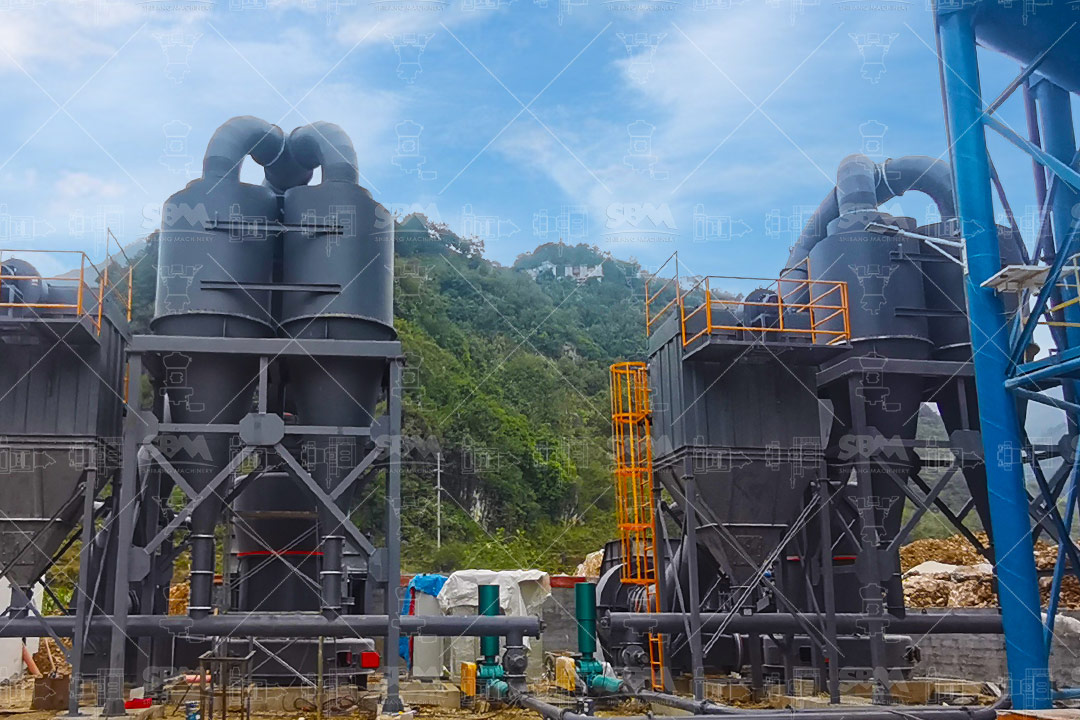
Common challenges for bauxite processors include: (1) high energy costs due to inefficient grinding, solved by SBM's low-energy LM mill; (2) frequent wear part replacement, mitigated by the MTW mill's durable knives; (3) inconsistent fineness, addressed by SCM's frequency-conversion control; (4) dust pollution, tackled by sealed, negative-pressure systems in all SBM mills; and (5) large plant footprints, which the LM mill's compact design resolves by enabling outdoor installation. Over 180 countries trust SBM grinding equipment, reinforcing its position as a total solution provider from single units to complete systems.
Frequently Asked Questions (FAQ)
Q1: Why does my bauxite grinding mill experience excessive roller and ring wear?
A: Bauxite's abrasive nature accelerates wear. SBM's MTW European Trapezium Mill features curved shovel blades and replaceable blades made from special materials, extending component life by 2-3 times compared to standard mills. The arc air duct also avoids energy loss, reducing operational stress.
Q2: How can I achieve finer bauxite powder (above 325 mesh) without high energy consumption?
A: For ultra-fine grinding (325-4000 mesh), SBM's SCM Ultrafine Mill is ideal. It uses a high-efficiency turbine classifier with frequency-conversion control, cutting coarse powder spillover. Capacity is 30% higher than jet mills, with 30% lower energy consumption—perfect for fine alumina or refractory applications.
Q3: My plant has limited space—can I still set up a complete grinding system?
A: Yes. SBM's LM Vertical Roller Mill integrates crushing, drying, grinding, and powder separation in one unit, using 50% less floor space than traditional ball mill systems. It can be arranged outdoors, reducing civil engineering costs. Clients in Vietnam successfully installed a 40 tph system in a 200 m² area.
Q4: How do I reduce dust emissions during bauxite grinding to meet environmental regulations?
A: All SBM mills feature fully sealed designs and operate under negative pressure. The LM Vertical Roller Mill and LUM Ultrafine Vertical Mill include high-efficiency pulse dust collectors and sound insulation rooms, ensuring dust spillover is near zero and noise stays below 85 dB. This meets strict standards in Europe and China.
Q5: My current mill requires frequent manual adjustments for different bauxite grades—can automation help?
A: Absolutely. SBM's LUM Ultrafine Vertical Mill and LM Vertical Roller Mill come with PLC/DCS automatic control systems. They allow remote switching and adjust grinding pressure, disc speed, and classifier speed in real-time. This cuts labor costs by up to 40% and ensures consistent product quality across varied bauxite feeds.


