

Application of vertical roller mill in tailings and steel slag processing: solving industrial solid waste challenges
Published: October 26, 2023
Industrial solid waste, particularly tailings and steel slag, poses significant environmental and operational challenges for mining, metallurgy, and construction sectors worldwide. The vertical roller mill (VRM) has emerged as a transformative solution, offering high-efficiency grinding, drying, and classification in a single unit. This article explores how VRM technology addresses common pain points such as high energy consumption, poor material utilization, and strict environmental regulations. By integrating crushing, grinding, and powder separation, VRM systems reduce floor space by up to 50% compared to traditional ball mills, lower energy consumption by 30-40%, and enable the production of fine powders (30-400 mesh) suitable for cement additives, road base materials, and backfill applications. SBM Machinery's LM series vertical roller mill exemplifies these advancements, with proven performance in over 180 countries, delivering low operating costs, automatic control, and compliance with international emission standards.
Introduction to the Solid Waste Problem
Tailings from mineral processing and steel slag from metallurgical operations represent millions of tons of underutilized byproducts annually. These materials often contain valuable minerals like iron, calcium, and silica but are challenging to process due to their abrasiveness, moisture content, and variable particle sizes. Traditional grinding equipment, such as ball mills, struggles with high wear rates and energy inefficiency, leading to escalating costs and environmental liabilities. The industry urgently needs a technology that can transform waste into reusable resources while meeting strict environmental norms.
Why Vertical Roller Mill?
The vertical roller mill is a game-changer for solid waste processing. Its design integrates drying, grinding, and powder selection in one compact system. For tailings and steel slag—which often have moisture levels up to 15%—the VRM’s integrated drying capability eliminates the need for separate dryers, reducing capital and operational costs. The grinding rollers and table are made from high-quality wear-resistant materials, ensuring long service life even with abrasive feed materials like slag. Additionally, the VRM operates under negative pressure with a fully sealed system, preventing dust leakage and meeting stringent environmental standards.
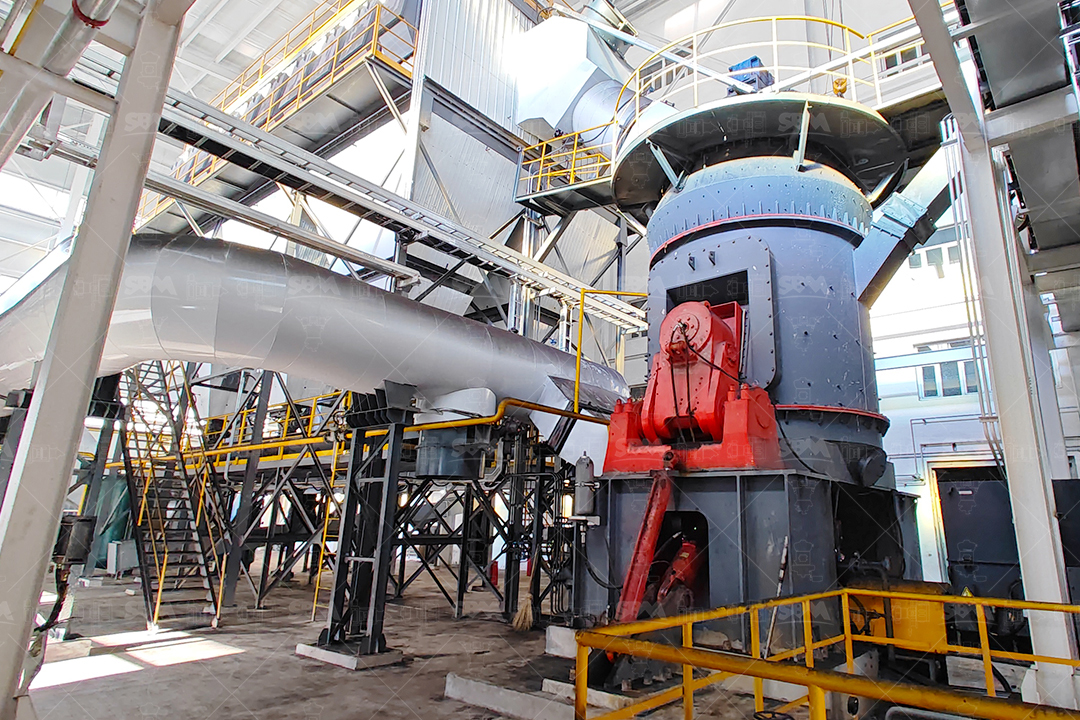
Key Advantages for Tailings and Steel Slag
1. Low Comprehensive Investment: The VRM system simplifies the process flow by combining crushing, grinding, drying, and classifying. This reduces the floor area to about 50% of a conventional ball mill system and allows outdoor installation, slashing civil construction costs.
2. Reduced Operating Costs: The grinding rollers do not contact the grinding plate directly, minimizing wear. High-quality materials for rollers and liners extend service life, while energy savings of 30-40% lower electricity bills significantly.
3. Automatic Control: An expert control system enables remote or local operation, reducing labor requirements and ensuring consistent product quality even with feed variations.
4. Environmental Compliance: Low vibration and noise, sealed negative-pressure operation, and zero dust spillover help plants meet national emission standards without additional dedusting equipment.
Case Study: Processing Steel Slag
Steel slag, with its high iron content and hardness, traditionally requires multiple stages of crushing and grinding. Using an LM vertical roller mill, operators can achieve a fine powder of 200-400 mesh in a single pass. The mill’s adjustable classifier allows precise control over particle size distribution, producing material ideal for cement clinker substitution or as a soil amendment. One SBM client reported a 35% reduction in energy costs and a 20% increase in throughput after switching from a ball mill to a VRM.
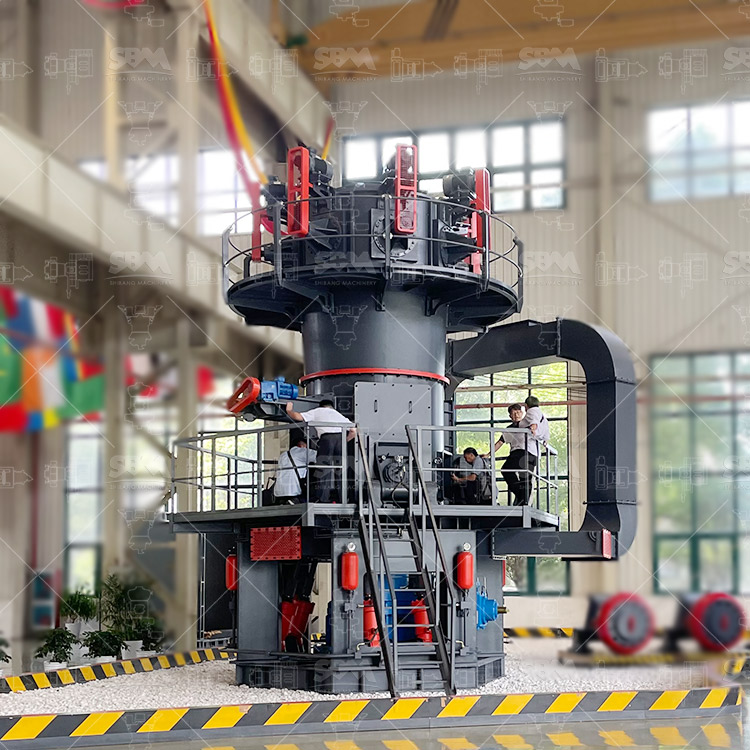
Technical Specifications of the LM Series
The SBM LM series vertical roller mill handles feed sizes up to 50mm and produces fineness from 30 to 400 mesh, with capacities ranging from 3 to 400 tph. Its cone gear whole transmission ensures high efficiency, while the arc air duct minimizes energy loss. The volute design improves wind-driven transport, reducing maintenance needs. For tailings, the mill can process materials with up to 15% moisture, drying them internally using hot gases from a furnace or waste heat.
Comparison with Traditional Methods
Compared to ball mills, the VRM offers a 30-40% reduction in energy consumption, 50% less floor space, and lower wear part costs. Unlike jet mills, it handles coarser feeds and higher capacities. For ultrafine applications (325-2500 mesh), SBM’s SCM series ultrafine mill or LUM ultrafine vertical mill can be integrated downstream, but for most tailings and slag applications, the LM series provides the best balance of throughput and fineness.
Conclusion
The vertical roller mill is not just an equipment choice; it is a strategic enabler for turning industrial solid waste into profitable resources. By lowering energy and maintenance costs, improving product quality, and ensuring environmental compliance, VRM technology helps companies meet sustainability goals while enhancing their bottom line. SBM Machinery’s comprehensive range of mills—from the robust LM series to the high-fineness LUM—ensures a solution for every application, backed by decades of global expertise.
Frequently Asked Questions (FAQ)
Q1: Our tailings have high moisture content (up to 12%). Can the vertical roller mill handle this without pre-drying?
A: Yes. The VRM integrates drying within the grinding chamber. Hot gases from a furnace or waste heat can be introduced to evaporate moisture up to 15% without separate drying equipment.
Q2: Steel slag wears grinding parts very fast. How does the VRM address this?
A: The LM series uses high-chrome alloy rollers and liners, designed for abrasion resistance. Additionally, the roller does not contact the grinding plate directly, reducing wear. Regular inspection and replacement of only the blade (in the perching knife design) minimize maintenance costs.
Q3: What fineness can we achieve for tailings used in cement production?
A: The LM series produces fineness from 30 to 400 mesh. For cement additives, 200-325 mesh is typical. The classifier can be adjusted quickly to meet specific customer specifications.
Q4: Is the VRM system difficult to operate for our existing staff?
A: No. SBM’s VRM features an automatic control system (PLC/DCS) with remote and local switching. The interface is user-friendly, and training is provided. Many clients report smooth transition within one month.
Q5: What about dust emissions? Our plant must meet strict environmental regulations.
A: The VRM operates under negative pressure with a fully sealed system. Combined with high-efficiency dust collectors, emission levels can be kept well below national standards. The system also has low noise due to stable vibration-free operation.


