

Basalt: a versatile industrial cornerstone from volcanic eruptions
Published: October 26, 2023
Basalt, a fine-grained igneous rock formed from the rapid cooling of lava at or near the Earth's surface, is far more than a geological curiosity. It is a versatile industrial cornerstone, essential in construction, road building, mining, and the production of high-value mineral powders. Its exceptional hardness, resistance to chemical weathering, and abundance make it a preferred raw material for applications ranging from aggregates and asphalt to the production of rock wool, cast stone, and advanced filler products. However, processing basalt—particularly achieving the fine and ultrafine powders demanded by modern industries such as plastics, coatings, and construction materials—presents significant challenges. Inefficient grinding, high energy consumption, excessive wear on equipment, and inconsistent product fineness are common pain points for operators worldwide. This article explores how advanced grinding technology, specifically the solutions offered by Shanghai SBM Machinery Equipment Co., Ltd., addresses these challenges, turning basalt from a rugged volcanic rock into a consistent, high-quality industrial input.
Basalt's journey from a volcanic eruption to a finished product involves several critical stages: extraction, primary crushing, secondary crushing, grinding, and classification. The grinding stage is where the true value is unlocked, transforming coarse aggregates into powders of precise fineness for use as fillers, extenders, or functional additives. For industries seeking high brightness, particle size consistency, and low contamination, the choice of grinding equipment is paramount. Traditional ball mills, while mature in technology, often fall short when processing hard, abrasive materials like basalt. Operators frequently report high wear rates for grinding media and liners, leading to frequent maintenance shutdowns and elevated operating costs. Furthermore, the energy consumption of ball mills in basalt grinding can be prohibitively high, especially when targeting fine particle sizes below 100 mesh. This is where the next generation of grinding mills demonstrates its superiority.
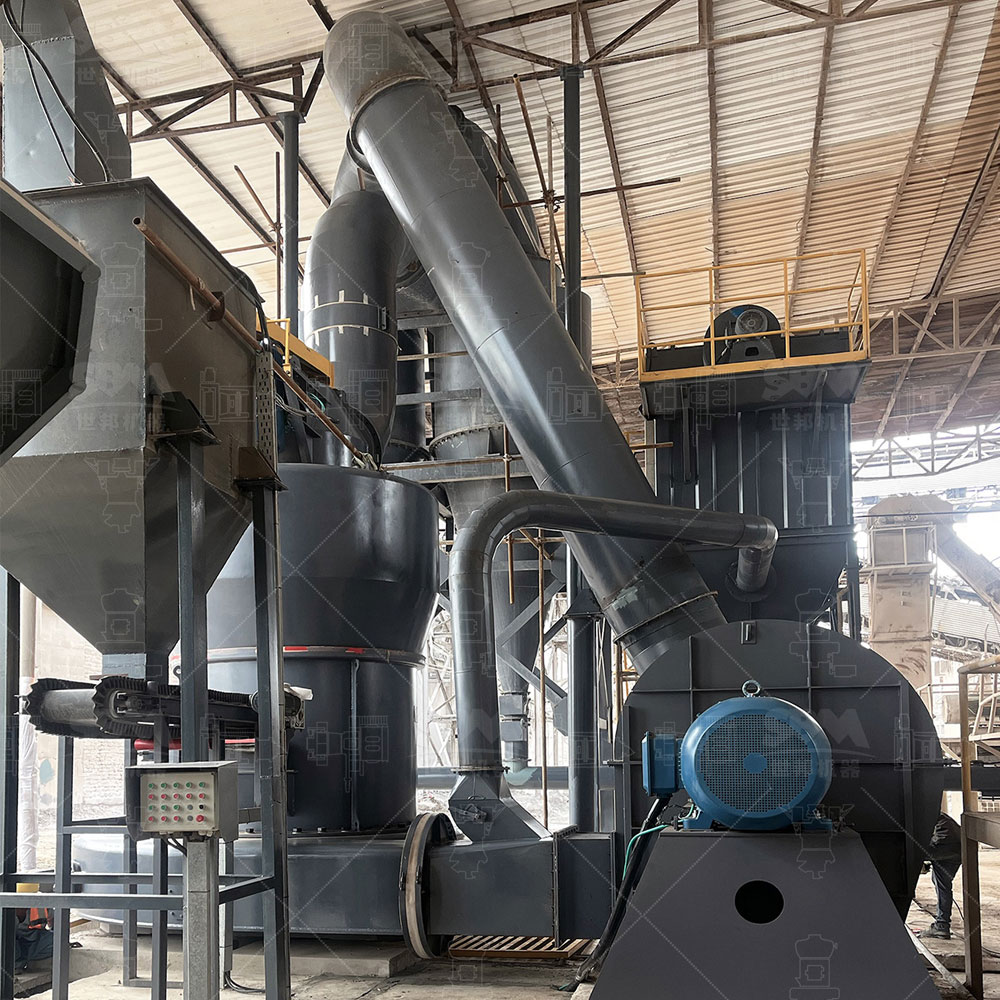
For coarse to medium-fine grinding of basalt (typically 30-400 mesh), the European Trapezium Mill (MTW Series) emerges as a highly efficient solution. Developed after analyzing feedback from over 9,500 customers, the MTW mill directly addresses the wear and energy issues common with traditional Raymond mills. Its unique curved shovel blade design changes the feeding angle, prolonging the service life of the grinding roller and ring, which are the most wear-prone components. The cone gear whole transmission eliminates belt slippage and energy loss, achieving higher transmission efficiency and a more compact footprint. When grinding basalt with a feed size of up to 50mm, this mill consistently produces a uniform product with lower energy consumption per ton than conventional alternatives. For operations requiring higher throughput and integration with drying processes, the LM Vertical Roller Mill presents an even more compelling case. Its integrated design—combining crushing, grinding, drying, and powder selection—simplifies the system layout, reducing floor space by up to 50% compared to ball mill systems. The rollers do not directly contact the grinding table, significantly reducing wear and maintenance costs. For basalt containing inherent moisture, the mill’s drying function ensures continuous operation without pre-drying equipment.
When the application demands ultra-fine powders—in the range of 325 to 2500 mesh or even D97≤5μm—the SCM Ultrafine Mill and LUM Ultrafine Vertical Roller Mill become the equipment of choice. A common customer pain point with traditional Raymond mills is the inability to consistently produce fine powders below 400 mesh without significant energy penalties and throughput reduction. The SCM ultrafine mill overcomes this with a high-output, low-energy design that can achieve capacities over twice that of jet mills while consuming 30% less energy. Its efficient vertical turbine classifier ensures accurate particle size cut without coarse powder spillover, guaranteeing product consistency critical for high-end applications like plastic masterbatch or artificial stone. For even higher capacity ultrafine grinding, the LUM Ultrafine Vertical Mill leverages advanced roller grinding curves and multi-rotor classifier technology. This mill is particularly effective for processing basalt into micronized fillers for PVC pipes, cable compounds, and non-woven fabrics. The PLC/DCS automatic control system allows precise adjustment of grinding pressure and classifier speed, enabling operators to fine-tune production parameters remotely, reducing labor costs and ensuring stable product quality even with variations in feed material.
Environmental compliance is an increasingly critical concern for grinding operations. Dust emissions, noise pollution, and energy waste are major regulatory and community pain points. Both the LM and LUM vertical roller mills operate under negative pressure in fully sealed systems, effectively eliminating dust spillover. The optimized sound insulation and low-vibration design of SBM's equipment ensures noise levels stay well within international standards. Furthermore, the high thermal efficiency of these mills, combined with lower energy consumption per unit of product, directly reduces the carbon footprint of the processing plant. For example, a basalt processing line in a European country, which upgraded from a ball mill system to an LM Vertical Roller Mill, reported a 40% reduction in energy costs, a 60% decrease in maintenance downtime due to less wear, and achieved dust emission levels below 10 mg/Nm³, satisfying the strictest local regulations.
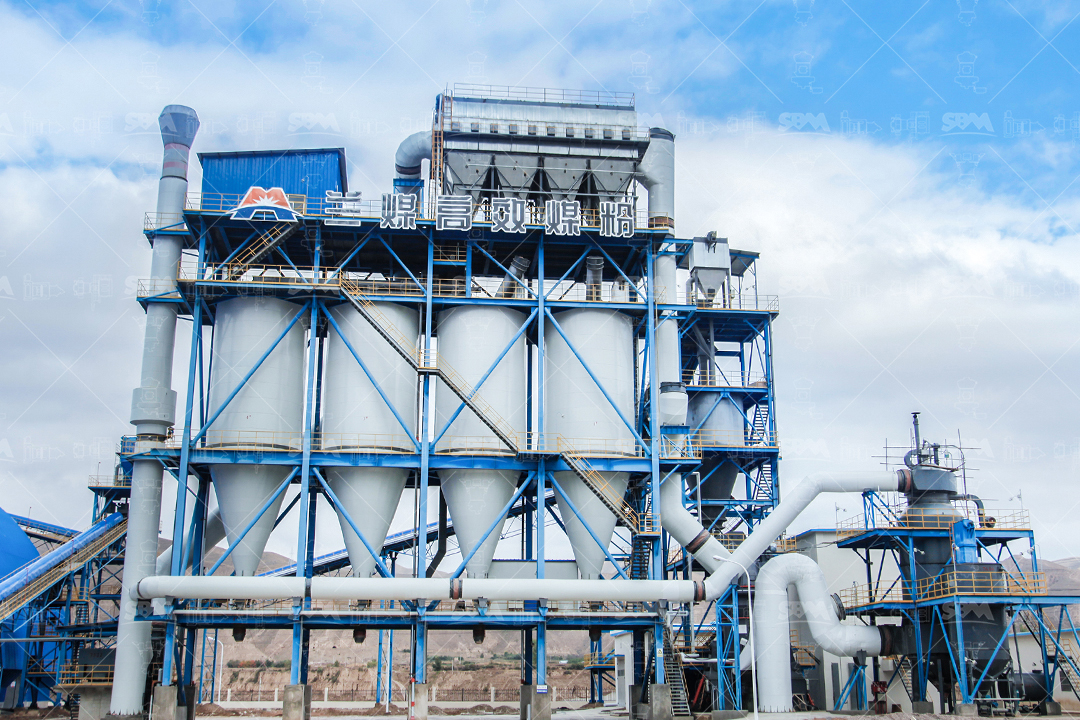
The right grinding solution turns basalt from a challenging raw material into a consistent, high-margin product. By choosing equipment that directly addresses the pain points of wear, energy consumption, fineness control, and environmental compliance, processors can unlock the full industrial potential of this volcanic rock, establishing a reliable and profitable operation. With over 180 countries served, the experience of SBM Machinery demonstrates that investing in advanced, purpose-built grinding technology is not an expense but a strategic move toward operational excellence and market leadership in the powder processing industry.
Frequently Asked Questions (FAQs)
- Q: My current ball mill wears out too fast when grinding basalt, causing costly downtime every month. How can the MTW trapezium mill help?A: The MTW mill is designed specifically for abrasive materials like basalt. Its unique curved shovel blade and combined-type design mean only the blade needs replacing during maintenance, not the entire assembly. The cone gear transmission also reduces vibration, prolonging the life of the roller and ring compared to traditional Raymond mills.
- Q: I need to produce a very fine basalt powder (D97=10μm) for use in high-quality plastics, but my existing mill can't reach this fineness consistently. Is there a reliable solution?A: Yes, the SCM Ultrafine Mill is engineered for precisely this requirement. It can achieve one-time finished products with D97≤5μm, adjustable up to 2500 mesh. The efficient vertical turbine classifier ensures accurate cutting size without coarse powder spillover, guaranteeing the consistency your application demands.
- Q: Space is limited at my plant, and I need to integrate drying with grinding because my basalt feed has some moisture. Can a vertical roller mill handle both?A: Absolutely. The LM Vertical Roller Mill integrates crushing, drying, grinding, and powder separation in one unit. Its compact layout occupies about 50% less space than a traditional ball mill system, and it can effectively dry materials with moisture content, eliminating the need for a separate rotary dryer.
- Q: I'm concerned about meeting local environmental regulations for dust and noise. Are your mills environmentally friendly?A: Yes, all SBM mills, particularly the LM and LUM vertical roller mills, are designed with environmental protection in mind. They operate under negative pressure with fully sealed systems, preventing dust spillover. The low-vibration design and optimized sound insulation ensure noise levels are well within national and international standards.
- Q: I often need to switch between producing coarse and fine basalt powder for different customers. Can the fineness be adjusted easily without stopping the mill?A: Yes, modern SBM mills offer flexible adjustment. For example, the LUM Ultrafine Vertical Mill uses frequency-conversion speed regulation for the classifier, allowing you to adjust the finished product fineness within the selected range on-the-fly. The PLC/DCS automatic control system also enables remote control of grinding pressure and other parameters, making product changeovers quick and efficient.


