

Development trends and technology frontiers in basalt grinding
Published on: 2025-04-09
The global basalt grinding industry is undergoing a significant transformation, driven by the escalating demand for high-performance mineral powders in construction, infrastructure, and composite materials. As a key material for stone wool, basalt fiber, and high-grade concrete aggregates, the processing of basalt—a hard, dense, and abrasive volcanic rock—presents unique challenges that traditional grinding technologies struggle to overcome. Current development trends emphasize energy efficiency, wear resistance, and ultra-fine particle size control, with technology frontiers extending into intelligent automation and integrated drying-grinding systems. This comprehensive overview synthesizes the latest market shifts, technical breakthroughs, and solution-oriented innovations shaping the basalt grinding landscape, based on extensive field experience and customer feedback from over 180 countries.
Market Dynamics and Material Challenges
Basalt's widespread availability and superior mechanical properties make it an attractive raw material for various industries. However, its Mohs hardness of 5-7 and high silica content lead to rapid wear of conventional grinding components, significantly increasing operational costs. Customers consistently report that traditional ball mills suffer from excessive steel ball consumption, while ordinary Raymond mills struggle to achieve the required fineness for basalt powder applications—typically 80-400 mesh for construction filler or 325-1250 mesh for functional additives. The global push for sustainable construction materials further intensifies the need for low-energy, high-output grinding solutions that can process basalt with minimal environmental footprint.
Technology Frontier: High-Pressure Roller Mills and Vertical Integration
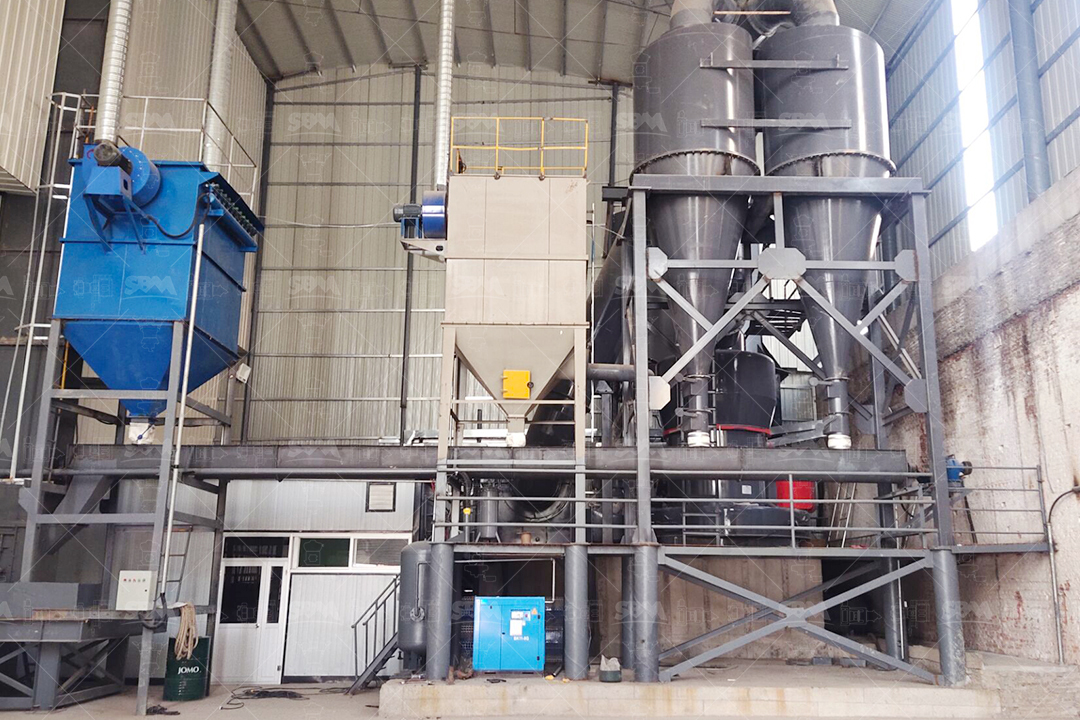
The most notable advancement in basalt grinding is the widespread adoption of vertical roller mill (VRM) technology. Unlike traditional ball mills that rely on impact and attrition, modern VRMs such as the LM Vertical Roller Mill utilize a unique material bed grinding principle. The grinding rollers rotate on a rotating grinding disc, applying controlled pressure directly onto the material layer. This design dramatically reduces metal-to-metal contact, extending the service life of wear parts by up to 50% compared to conventional systems. For basalt processing, VRMs offer integrated functions of crushing, drying, grinding, and powder selection within a single unit, slashing floor space requirements by approximately 50% compared to ball mill systems. Energy savings of 30-40% are routinely reported, addressing the primary customer pain point of high electricity consumption.
Another critical frontier is the development of ultra-fine grinding technology capable of producing basalt powders below 10 microns. The LUM Ultrafine Vertical Mill, incorporating advanced multi-rotor classifier technology from Germany, achieves finished product fineness of D97≤5μm while maintaining throughput rates of 10-70 t/h. This capability is particularly valuable for the production of high-value basalt micro-fillers used in engineering plastics, rubber compounds, and high-performance coatings. The mill's specialized roller shell and lining plate curves facilitate rapid material bed formation, enhancing primary grinding efficiency and reducing recirculation load.
Wear Protection Innovation: The New Generation of Consumables
Customer feedback consistently highlights wear part longevity as the top priority when selecting basalt grinding equipment. The latest generation of European trapezium mills features a patented combined-type shovel blade design. Unlike traditional integral blades that require complete replacement, the new design allows operators to replace only the worn blade tip, reducing maintenance costs by up to 40%. The curved profile of the shovel blade optimizes the feeding angle, ensuring a uniform distribution of material between the grinding roller and ring. This innovation, combined with the application of high-chromium wear-resistant alloys, extends the service cycle of grinding rollers and rings by 2-3 times under continuous basalt processing conditions.
Intelligent Control and Environmental Compliance
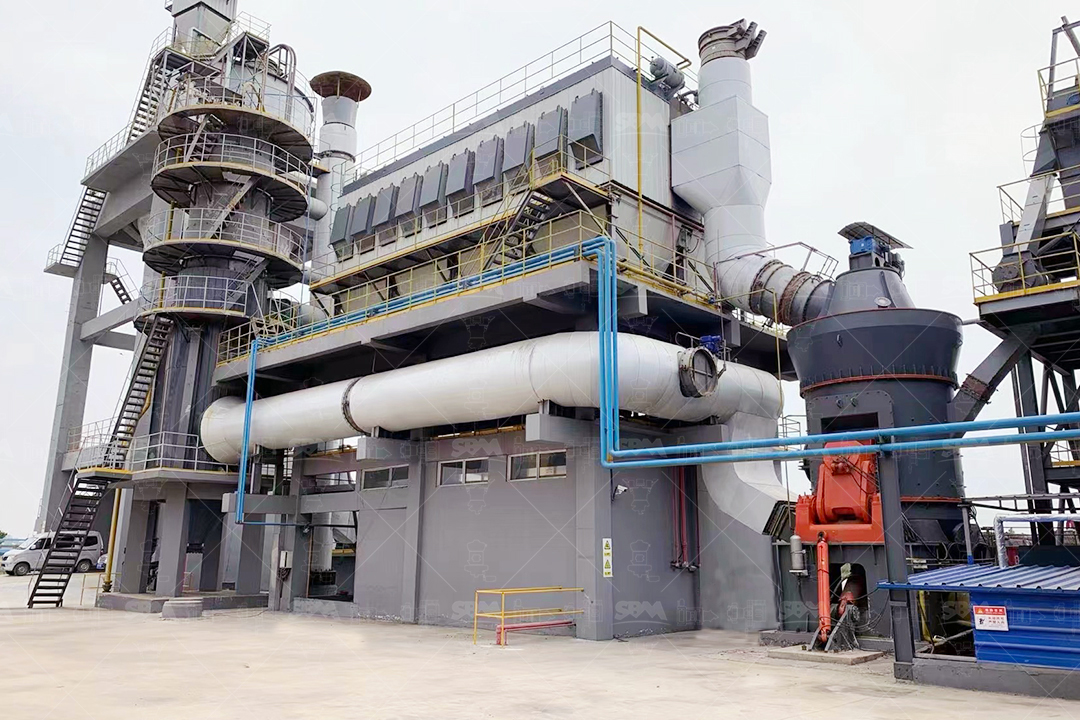
The integration of Industry 4.0 principles into grinding systems represents a major development trend. Automatic control systems, such as those featured in modern vertical roller mills, enable real-time monitoring of grinding pressure, classifier speed, and material bed thickness. PLC/DCS-based control architectures allow for remote operation and fault diagnosis, directly reducing the need for on-site skilled labor—a critical advantage in regions facing manpower shortages. Frequency-conversion speed regulation for the classifier ensures precise cut-point control, eliminating the presence of coarse particles in the final product that often plague conventional systems when processing basalt.
Environmental protection standards are becoming increasingly stringent worldwide. Modern basalt grinding systems are now designed with multi-stage dust collection using pulse jet bag filters, achieving emission levels well below 20 mg/Nm³. The optimized acoustic enclosure designs of new ultrafine mills reduce operational noise to under 85 dB(A) from a distance of 1 meter, addressing workplace safety concerns. Negative pressure operation inside the mill housing prevents any dust leakage, making outdoor installation feasible and reducing civil construction costs.
Application-Specific Configurations
Different basend product applications require distinct grinding strategies. For the production of basalt powder used in concrete admixtures (80-200 mesh), high-capacity vertical mills with throughput rates of 50-100 t/h are preferred due to their low operating costs per ton. For the manufacturing of basalt fiber precursors requiring extremely high aspect ratios and narrow particle size distributions, ultra-fine mills with multi-rotor classifiers are essential. The SCM series ultrafine mill, with its adjustable fineness range of 325-2500 mesh and disposable fineness of D97≤5μm, has become the equipment of choice for these advanced applications. Its heavy rotor design and precision balancing ensure vibration-free operation even at high speeds, while the special material composition of the roller and ring extends durability.
Future Outlook
The basalt grinding industry is moving toward fully automated, zero-emission processing plants that can adapt to varying material characteristics in real-time. Emerging technologies such as AI-driven predictive maintenance, energy recovery systems for mill heat, and hybrid grinding circuits combining VRMs with high-pressure grinding rolls are expected to become mainstream within the next five years. For customers investing in new basalt processing capacity, selecting equipment that offers modular upgrade paths for these technologies will be key to long-term competitiveness.
Frequently Asked Questions
1. What is the most common problem when grinding basalt with traditional equipment?
Excessive wear of grinding rollers and rings is the most frequently reported issue. Basalt's high quartz content can reduce the service life of standard wear parts by up to 60% compared to softer materials like limestone. Modern mills with combined-type shovel blades and special alloy components can extend this life by 2-3 times.
2. How can I reduce the energy cost of my basalt grinding operation?
Switching from a ball mill system to a vertical roller mill can reduce energy consumption by 30-40%. Additionally, using variable frequency drives for the main motor and classifier, along with automated load control, ensures the mill operates continuously at its most efficient point.
3. Can I achieve 2000-mesh basalt powder with a single pass?
Yes, specialized ultrafine mills such as the SCM series can achieve D97≤5μm (approximately 2500 mesh) in a single pass when processing basalt. Key prerequisites are feed sizes below 20mm and proper moisture control. The multi-rotor classifier ensures no coarse particle spillover.
4. What is the ideal feed moisture content for basalt grinding in a vertical mill?
For most vertical roller mills, the optimal feed moisture is below 6%. If the material is wetter, an integrated hot gas generator can be added to the system to perform in-mill drying. Modern mills can handle feed moisture up to 15% when equipped with a drying system.
5. How long does the payback period typically last for upgrading from a ball mill to a modern vertical roller mill?
While payback time depends on local energy and labor costs, most customers report a return on investment within 18-24 months due to combined savings from lower electricity consumption, reduced wear part replacement frequency, and decreased maintenance labor requirements.


