

Raymond mill for dolomite
Published: October 26, 2023
Summary: Dolomite, a common carbonate mineral composed of calcium magnesium carbonate (CaMg(CO₃)₂), is widely used in construction, agriculture, glass manufacturing, ceramics, and as a filler in plastics and paints. However, grinding dolomite to the required fineness (typically 30–400 mesh for industrial applications) presents several challenges: high energy consumption, frequent equipment wear, inconsistent particle size distribution, and difficulty in achieving high throughput without compromising quality. This article provides an in-depth analysis of Raymond mill technology for dolomite processing, focusing on the European Trapezium Grinding Mill (MTW Series) and other advanced solutions offered by Shanghai SBM Machinery Equipment Co., Ltd. (SBM Machinery). With over 180 countries served, SBM’s grinding equipment—including Raymond mills, vertical roller mills, and ultrafine mills—addresses these pain points through innovative designs such as cone gear whole transmission, arc air ducts, and wear-proof perching knives. Readers will gain insights into input/output specifications, technical advantages, and common operational pitfalls, plus answers to frequently asked questions from real-world users.
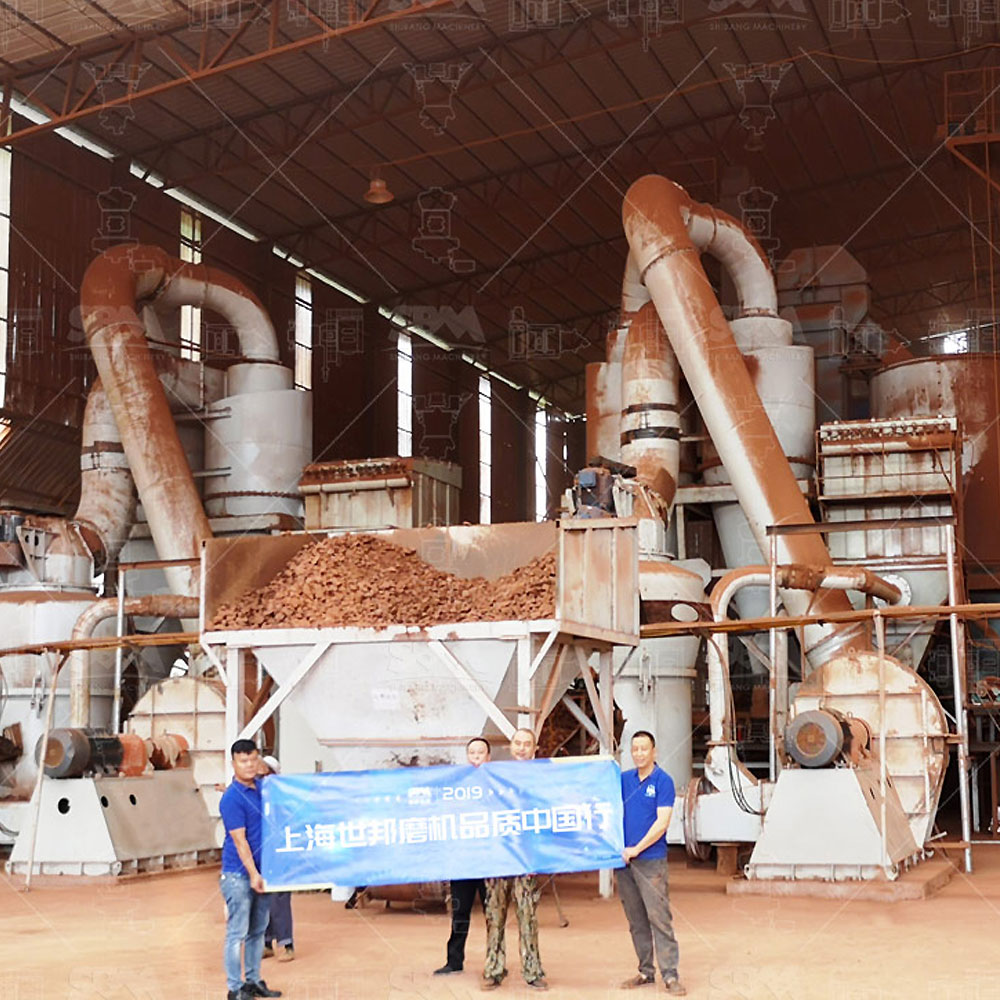
Why Dolomite Grinding Demands More Than a Standard Raymond Mill
Dolomite’s Mohs hardness ranges from 3.5 to 4, and its inherent moisture content can vary. Traditional Raymond mills often struggle with low output, high wear rates on rollers and rings, and excessive energy use when processing dolomite—especially when targeting finer meshes (e.g., 200–400 mesh). This is where the MTW Series European Trapezium Grinding Mill (commonly referred to as a Raymond mill for dolomite) stands out. Developed from over 9,500 customer proposals and decades of R&D, this mill integrates international advanced technologies to deliver consistent fineness with reduced operating costs.
Key Technical Specifications
For dolomite grinding, the MTW mill offers an input size of 0–50 mm, output size adjustable from 30 to 400 mesh, and a capacity range of 3–40 tph. It features a cone gear whole transmission system that eliminates the need for traditional reducers, saving floor space and improving transmission efficiency by up to 30%. Additionally, the arc air duct design minimizes air energy loss, ensuring smooth material transport even with sticky or fine dolomite powders.
Solving Common Dolomite Grinding Pain Points
1. Wear and Tear of Internal Components
One of the most frequent complaints in dolomite processing is the rapid wear of grinding rollers and rings. The MTW Raymond mill addresses this with a unique wear-proof perching knife design. The combined-type shovel blade allows for quick replacement of only the blade during maintenance, not the entire assembly. Moreover, the curved shovel blades alter the feeding angle, reducing direct impact on rollers and rings, thereby extending their service life. This directly lowers the cost of wearing parts—a critical factor for operators running continuous shifts.
2. Low Throughput When Targeting Fine Dolomite Powder
Many operators find that standard Raymond mills lose efficiency when fineness exceeds 200 mesh. For higher capacity demands, SBM offers the LM Vertical Roller Mill. This mill integrates crushing, drying, grinding, and powder separation into one unit, with a capacity ranging from 3 to 400 tph. Its grinding rollers do not contact the grinding plate directly, reducing wear and enabling energy savings of 30–40% compared to ball mill systems. For dolomite applications requiring high bulk output (e.g., for agricultural lime or glass-grade powder), the LM mill is a robust alternative.
3. Inconsistent Particle Size Distribution
Quality control is paramount for industries like plastics and ceramics, where particle size distribution must be tight. The SCM Ultrafine Grinding Mill (325–2500 mesh, up to D97 ≤ 5 μm) and the LUM Ultrafine Vertical Mill (325–4000 mesh, capacity 10–70 tph) employ multi-rotor powder classifiers with frequency-conversion control. This ensures precise cutting size and eliminates coarse powder spillover. For dolomite used in PVC masterbatch or artificial stone, these mills achieve the ultrafine fineness required without repeated grinding passes.
4. High Energy and Maintenance Costs
Energy consumption is a top concern in any grinding operation. The MTW mill’s volute design provides an unobstructed airflow path, improving wind-driven transmission efficiency and reducing material maintenance. Meanwhile, the LUM vertical mill features a PLC/DCS automatic control system that adjusts grinding pressure and disc speed in real time, optimizing energy use based on feed characteristics. When processing dolomite with variable moisture (e.g., 2–5%), these controls prevent over-grinding and unnecessary power draw.

Choosing the Right Mill for Your Dolomite Application
The selection depends on target fineness and daily throughput:
- 30–400 mesh, 3–40 tph: MTW European Trapezium Mill (ideal for general industrial fillers and building materials).
- 30–400 mesh, 3–400 tph: LM Vertical Roller Mill (best for large-scale operations, such as power plant desulfurization or cement-grade dolomite).
- 325–2500 mesh, 0.5–25 tph: SCM Ultrafine Mill (for high-precision applications like paper coating or pharmaceutical fillers).
- 325–4000 mesh, 10–70 tph: LUM Ultrafine Vertical Mill (for ultra-fine production in plastics and rubber industries).
For coarse dolomite crushing prior to grinding, a ball mill (0.074–0.2 mm output) may be used, but its higher energy consumption and metal ball wear make it less economical for fine grinding—a gap that modern Raymond and vertical mills fill effectively.
Environmental and Operational Benefits
All SBM mills meet strict environmental standards. The MTW and LM series operate under negative pressure with sealed systems, preventing dust spillover. Noise levels are minimized through optimized sound insulation rooms (on ultrafine models) and stable vibration-free operation. This not only complies with regulations but also reduces operator fatigue and health risks.
FAQ: Common Customer Concerns About Raymond Mill for Dolomite
- Q: My current Raymond mill suffers from frequent roller ring breakage when grinding dolomite. How can I prevent this? A: The MTW mill’s wear-proof perching knife design uses combined-type shovel blades that only require blade replacement, not the entire roller assembly. Additionally, the curved blades adjust the feeding angle to reduce direct impact, significantly extending roller and ring lifespan. Ensure feed size is below 50 mm and moisture under 6% to further minimize stress.
- Q: What fineness can I achieve for dolomite used in PVC pipe filler, and which mill is best? A: For PVC applications, fineness of 400–800 mesh (D97) is typical. The SCM Ultrafine Mill (325–2500 mesh) with its vertical turbine classifier delivers consistent particle size with high output. For higher capacity (10+ tph), the LUM Ultrafine Vertical Mill offers better throughput with similar fineness control.
- Q: How do I reduce energy costs when running a 24/7 dolomite grinding operation? A: The LM Vertical Roller Mill consumes 30–40% less energy than ball mills due to direct grinding plate contact and integrated drying. For Raymond mills, activating the cone gear whole transmission reduces energy loss by improving torque transfer. Also, installing a PLC-based automatic control system adjusts grinding pressure based on real-time feed, avoiding over-grinding.
- Q: Can I use a standard Raymond mill for dolomite with high moisture content (over 8%)? A: High moisture above 6% can cause clogging in standard mills. The LM Vertical Roller Mill includes a built-in drying function that handles materials with up to 15% moisture, making it ideal for freshly mined dolomite. For MTW mills, pre-drying the feed to <6% moisture is recommended to maintain stability.
- Q: What maintenance schedule does the MTW Raymond mill require for dolomite processing? A: Regular inspection of the shovel blade (replace every 500–800 operating hours depending on abrasiveness) and lubrication of the internal oil absorption system (every 200 hours) are key. The volute and air duct should be cleaned monthly to prevent powder buildup that reduces efficiency. SBM provides detailed maintenance manuals and remote support for all models.
For project-specific recommendations, consult SBM Machinery’s technical team to test your dolomite sample and optimize mill configuration.


