

Non-metallic mineral grinding with vertical roller mill: ground calcium carbonate
2025-03-18
Ground calcium carbonate (GCC) is a widely used non-metallic mineral powder in industries ranging from plastics and paints to construction and pharmaceuticals. The efficiency, consistency, and cost-effectiveness of its production depend heavily on the grinding technology employed. Vertical roller mills (VRMs) have emerged as a superior solution for GCC grinding, offering significant advantages over traditional ball mills and other grinding systems. These advantages include lower energy consumption, higher capacity, better product fineness control, integrated drying and classification, and a smaller footprint. This article provides a professional exploration of non-metallic mineral grinding, specifically for ground calcium carbonate, using vertical roller mills as the core technology. We will delve into the operational principles, key technical features, and practical benefits of VRMs for GCC, drawing on the extensive experience of Shanghai SBM Machinery Equipment Co., Ltd. (SBM Machinery), a total solution provider for grinding equipment. We will also address common customer pain points and provide actionable insights to optimize your GCC grinding operations.
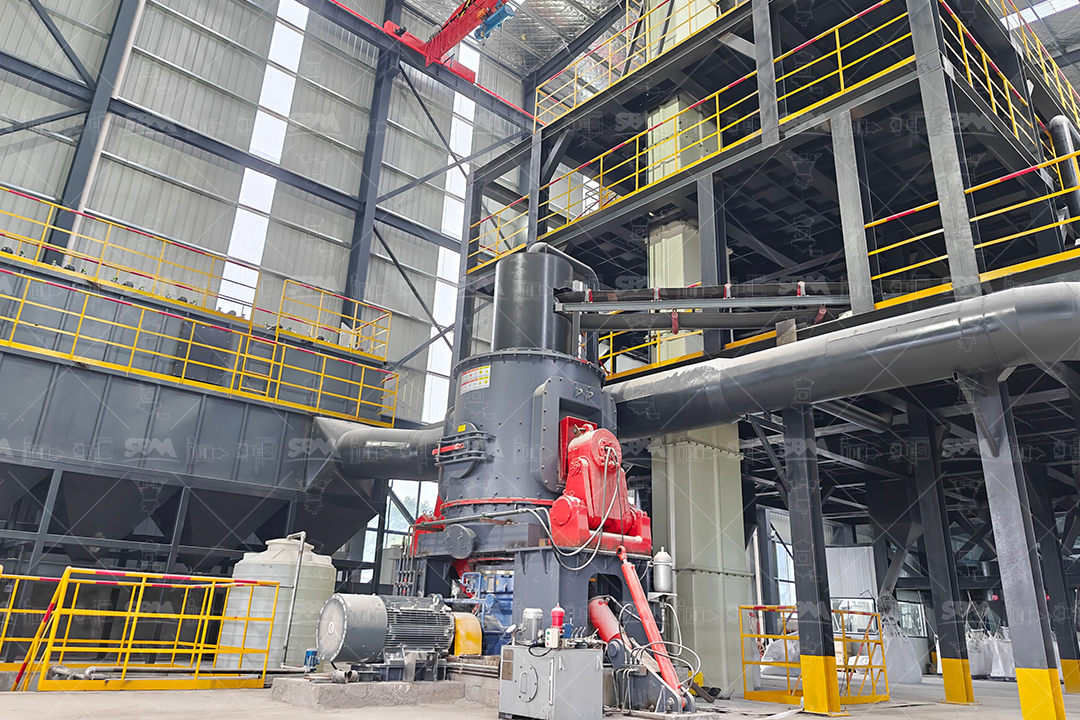
Understanding the vertical roller mill for GCC
The vertical roller mill is a highly efficient grinding machine that integrates crushing, grinding, drying, and classifying functions into a single compact unit. Unlike traditional ball mills where grinding media (metal balls) directly impact the material, a VRM utilizes a rotating grinding table and a set of stationary or hydraulically pressed grinding rollers. The material is fed onto the center of the grinding table, where centrifugal force moves it outward under the rollers. The grinding pressure is applied hydraulically or mechanically, allowing for precise control of the grinding force. This design directly addresses many of the common pain points in GCC production, such as high energy costs, frequent wear part replacement, and inconsistent product quality.
Common customer pain points and VRM solutions
1. High energy consumption: Traditional ball mills are notorious for high energy consumption, often accounting for 60-70% of total operational costs. VRMs, such as the LM vertical roller mill from SBM, offer energy consumption that is 30-40% lower than ball mills. This is achieved because the grinding rollers directly grind the material on the grinding table, minimizing energy loss. For a GCC plant processing 100 tons per day, this can translate into annual savings of tens of thousands of dollars in electricity costs.
2. Frequent wear and high maintenance costs: The grinding of abrasive non-metallic minerals like calcium carbonate causes significant wear on grinding elements. Customers often complain about the short lifespan of grinding balls and liners in ball mills, requiring frequent shutdowns and costly replacements. VRMs address this with advanced wear protection designs. For instance, the LM vertical roller mill features rollers and grinding plates made from high-quality materials, and the rollers do not contact the grinding plate directly, significantly extending service life. The MTW European trapezium mill uses a unique combined-type shovel blade that reduces wear costs by allowing only the blade to be replaced during maintenance.
3. Inconsistent product fineness: Many industries require precise particle size distributions for their end products. Fluctuations in fineness can lead to quality issues in plastics, paints, and other applications. VRMs offer superior control over product fineness. The ultrafine vertical mill (LUM series) employs a multi-rotor powder classifier that allows for precise customization of finished product fineness within a range of 325-4000 mesh. This ensures that the final GCC product meets strict specifications consistently.
4. Large footprint and complex installation: Traditional grinding systems often require multiple pieces of equipment, taking up significant floor space and requiring complex installation and civil works. VRMs integrate multiple functions into one unit, reducing the floor space by about 50% compared to ball mill systems. This is particularly beneficial for plants with limited space or for those looking to expand capacity without building new facilities. The compact layout also simplifies installation and reduces capital investment.
5. Environmental and dust control issues: Dust generation is a major health, safety, and regulatory concern in mineral processing. Open or poorly sealed grinding systems can result in significant dust emissions. VRMs are designed with a fully sealed system that operates under negative pressure, preventing dust spillover. The LM and LUM series mills meet stringent national environmental protection standards with low vibration, low noise, and effective dust collection systems. This allows customers to comply with environmental regulations and maintain a cleaner, safer working environment.
Key technical features of SBM vertical roller mills for GCC
SBM Machinery offers a comprehensive range of VRMs tailored to different GCC processing needs, from the high-capacity LM vertical roller mill to the ultrafine LUM series for superfine powders. The common technical advantages across these mills include:
- Integrated drying, grinding, and classifying: VRMs can handle materials with moisture content up to 15%, as the hot gas introduced into the mill simultaneously dries and conveys the material. This eliminates the need for separate drying equipment.
- Automatic control systems: PLC/DCS automatic control systems, as found in SBM's VRMs, enable remote operation, precise adjustment of grinding pressure, table speed, and classifier speed. This reduces operator intervention and ensures consistent product quality with minimal labor costs.
- High availability and reliability: With fewer rotating parts and robust design, VRMs typically have high availability rates, often exceeding 95%. The use of high-quality imported components (such as bearings and seals) further enhances reliability.
- Flexible fineness range: Depending on the model, the output fineness can be adjusted from 30 mesh (coarse) up to 2500 mesh (ultrafine). This versatility allows a single mill to produce multiple grades of GCC for different applications, maximizing operational flexibility.
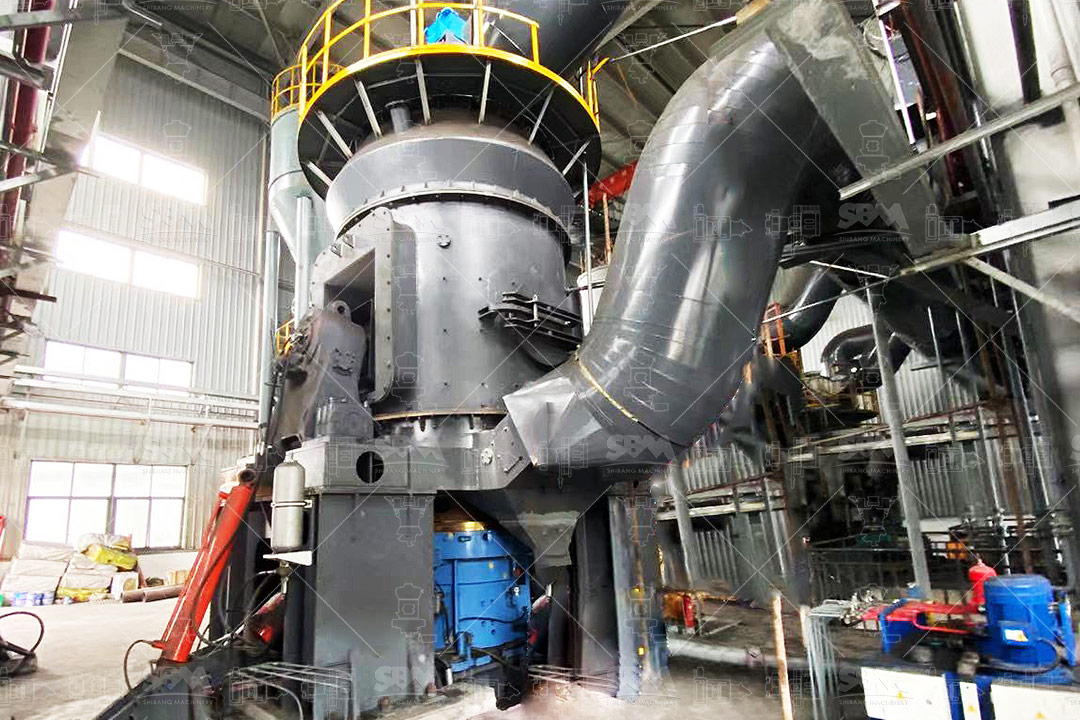
Application case studies
For a large-scale GCC production line requiring 100-400 tons per hour, the LM vertical roller mill is an ideal choice. Its high capacity, combined with energy savings and low maintenance, makes it the preferred equipment for building materials and power generation industries. For customers requiring ultrafine GCC powders (e.g., 1250 mesh or finer) for high-end applications like plastics masterbatch or artificial stone, the LUM ultrafine vertical mill is the optimal solution. It can produce powders with D97≤5μm, offering a high proportion of finished products from the primary grinding step.
For medium-capacity applications (3-40 tons per hour), the MTW European trapezium mill provides an excellent balance of cost and performance. Its unique arc air duct design ensures efficient material transportation, while the cone gear whole transmission provides higher efficiency and lower investment costs. The SCM ultrafine mill, with its ability to achieve D97≤5μm and capacity up to 25 tph, is also a strong contender for smaller-scale ultrafine GCC production.
Ultimately, the selection of the appropriate VRM depends on factors such as desired capacity, feed size, product fineness, moisture content, and budget constraints. SBM Machinery offers free testing and consultation services to help clients determine the best grinding solution for their specific needs, ensuring optimal return on investment.
Frequently Asked Questions (FAQ)
Q1: What is the main difference between a vertical roller mill and a ball mill for grinding calcium carbonate?
A1: The main difference lies in the grinding mechanism. A ball mill uses impact and attrition from steel balls to grind material, which leads to high energy consumption and frequent wear. A vertical roller mill uses compression and shear from rollers on a rotating table, offering 30-40% lower energy consumption, a smaller footprint, and integrated drying and classifying functions.
Q2: Can a vertical roller mill produce ultrafine calcium carbonate with a fineness of 2500 mesh?
A2: Yes, advanced vertical roller mills, such as SBM's LUM series ultrafine vertical mill, can produce calcium carbonate powder with a fineness of up to 2500 mesh. The mill is designed with a multi-rotor powder classifier that ensures precise particle size distribution and high efficiency.
Q3: What are the typical maintenance requirements for a vertical roller mill in GCC production?
A3: Maintenance requirements are generally lower than for ball mills. Key tasks include regular lubrication, inspection of wear parts (such as roller shells and liners), and checking the condition of the hydraulic system and classifier. The combined-type shovel blade design on some models simplifies replacement, reducing downtime and maintenance costs.
Q4: How does a vertical roller mill handle moisture in calcium carbonate feed?
A4: Vertical roller mills are designed to handle materials with moderate moisture content (up to 15%). Hot gas is introduced into the mill chamber, allowing simultaneous drying and grinding of the material. This eliminates the need for a separate drying unit, streamlining the process and reducing capital costs.
Q5: Is it possible to switch between different product fineness grades on the same vertical roller mill?
A5: Yes, vertical roller mills offer great flexibility. By adjusting parameters such as grinding pressure, grinding table speed, and classifier rotor speed (via frequency converter), operators can easily change the product fineness. This allows a single mill to produce a range of GCC grades from coarse (30 mesh) to ultrafine (2500 mesh) without mechanical modifications.


