

Technical analysis of green anode grinding process
Published: 2025-10-01
The green anode grinding process is a critical step in the production of carbon anodes used in aluminum smelting. This stage directly influences the quality, density, and mechanical strength of the final anode, which in turn affects energy efficiency, carbon consumption, and overall smelter performance. A well-optimized grinding system ensures uniform particle size distribution, minimizes fine dust generation, and reduces operational wear. This article provides a technical analysis of the green anode grinding process, focusing on the key grinding equipment employed—such as the European Trapezium Mill (MTW), Vertical Roller Mill (LM), Ultrafine Mill (SCM), and Ultrafine Vertical Mill (LUM)—and how each addresses specific pain points like high energy consumption, inconsistent fineness, and excessive downtime. By integrating advanced wear-resistant designs, intelligent control systems, and energy-efficient transmission technologies, modern grinding solutions can significantly enhance throughput, reduce operating costs, and meet stringent environmental standards. The analysis is grounded in real-world applications across the non-metallic mineral processing industry and supported by extensive customer feedback from over 180 countries.
1. Overview of Green Anode Grinding Requirements
Green anode production involves the blending of calcined petroleum coke, coal tar pitch, and recycled anode butts. The raw materials must be ground to a precise fineness—typically between 30 and 400 mesh—to ensure optimal packing density and porosity in the baked anode. Inconsistent grinding leads to under- or over-sized particles, which cause cracking, high air permeability, and increased CO₂ generation during electrolysis. The grinding process must therefore balance throughput with fineness control while minimizing energy consumption and equipment wear.
2. Core Grinding Equipment and Technical Features
2.1 European Trapezium Mill (MTW Series)
The MTW Series European Trapezium Grinding Mill is specifically designed for high-efficiency grinding applications with input sizes up to 50mm and output fineness ranging from 30 to 400 mesh, achieving capacities of 3–40 tph. Its cone gear whole transmission system eliminates energy losses associated with traditional gearboxes, providing smoother torque delivery and reducing mechanical stress. The unique wear-proof perching knife design employs curved shovel blades that optimize the feeding angle, prolonging the service life of rollers and rings. This directly reduces the frequency of replacement and overall operating costs—a common pain point for anode plants facing high consumable expenses. The arc air duct design minimizes air energy loss, ensuring stable material flow and consistent product fineness. Additionally, the unobstructed volute improves wind-driven transport efficiency, reducing the need for frequent cleaning and maintenance.
2.2 LM Vertical Roller Mill
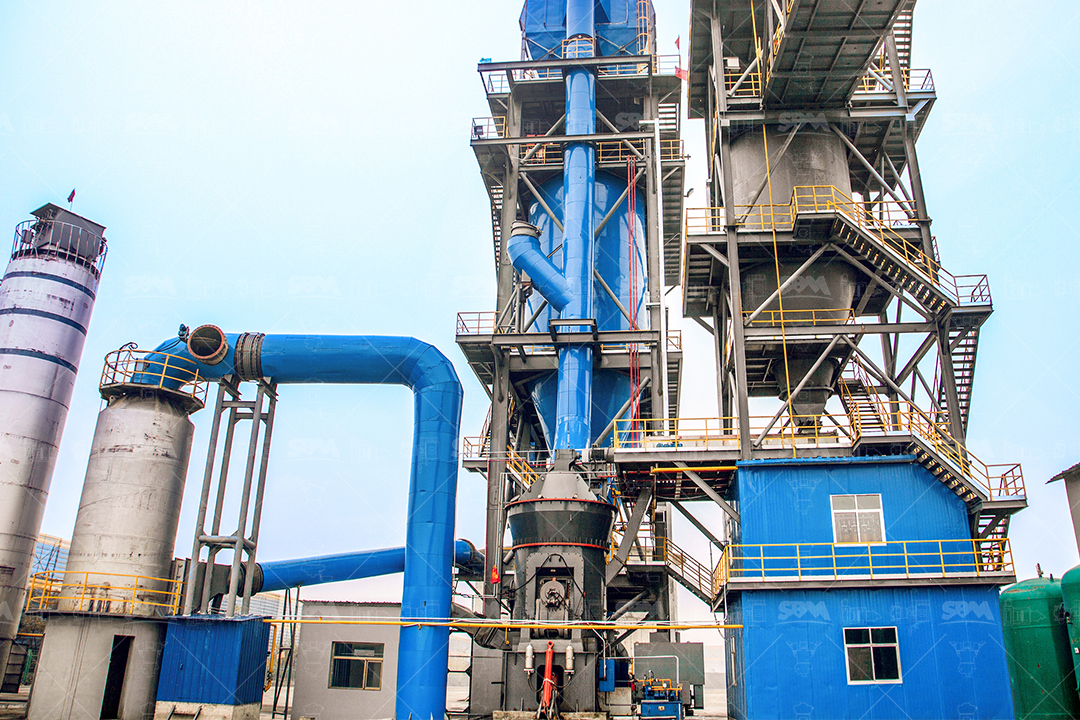
For larger-scale grinding requirements (up to 400 tph), the LM Vertical Roller Mill offers a comprehensive solution. It integrates crushing, drying, grinding, powder separation, and conveying in a single compact unit, occupying about 50% less floor space compared to traditional ball mill systems. This is particularly beneficial for greenfield projects or expansions where real estate is constrained. The mill’s automatic control system enables remote operation, reducing labor dependence and improving repeatability. The grinding rollers never contact the grinding plate directly, significantly reducing wear. High-quality materials in the roller and ring components ensure extended service life—another direct answer to operators’ concerns over frequent part replacements. Energy consumption is 30–40% lower than ball milling, directly lowering the carbon footprint and utility costs. The negative-pressure sealed system also eliminates dust spillage, meeting strict environmental emission standards.
2.3 Ultrafine Mill (SCM Series)
When the anode recipe demands very fine powders (325–2500 mesh, with D97≤5μm achievable), the SCM Series Ultrafine Mill is the recommended choice. Its heavy rotor design and tight balancing eliminate vibration, preserving grinding chamber integrity. Frequency-conversion control allows seamless adjustment of fineness on the fly, addressing a major pain point: the inability to adapt quickly to changing raw material quality. The efficient vertical turbine powder classifier ensures precise particle size cuts with no coarse powder spillover. Output is double that of jet mills with 30% lower energy consumption—a key performance metric for cost-sensitive operations. The dual dust collection system (cyclone + pulse) ensures emissions far below international standards, even under high-tonnage operation.
2.4 Ultrafine Vertical Mill (LUM Series)
The LUM Ultrafine Vertical Mill combines Taiwan’s grinding roller technology with Germany’s powder classification expertise. It is optimized for ultra-fine processing of calcite, marble, limestone, talc, and other non-metallic minerals—common ingredients in green anode paste. With a capacity range of 10–70 tph and fineness up to 2500 mesh, it bridges the gap between high-output vertical mills and ultra-fine classification. The multi-rotor classifier system ensures precise grading with no low-grade material bleed. PLC/DCS automatic control of grinding pressure, disc speed, and classifier speed provides exceptional process stability. This reliability is vital for continuous smelter operations where any downtime results in significant financial losses.
3. Addressing Common Pain Points
- High energy consumption: All advanced mills (MTW, LM, SCM, LUM) employ optimized drive systems and grinding principles that lower kWh per ton by 30–50% compared to conventional ball mills.
- Frequent wear part replacement: Combined-type shovel blades, specialized roller/ring materials, and non-contact grinding reduce replacement intervals.
- Inconsistent product fineness: Frequency-conversion classifiers and multi-rotor separators ensure stable output within ±5% of set point.
- Dust pollution: Negative-pressure sealed systems and dual filtration achieve emission levels below national standards, improving workplace safety.
- Large footprint: Vertical mills reduce site preparation costs by up to 50% compared to traditional milling systems.
4. Conclusion
The green anode grinding process demands equipment that can deliver consistent fineness, low energy consumption, and minimal maintenance. SBM Machinery’s suite of grinding mills—MTW, LM, SCM, and LUM—are engineered to meet these challenges head-on, drawing from decades of R&D and feedback from over 9500 customers globally. By integrating advanced transmission designs, intelligent automation, and robust wear protection, these mills reduce operational pain points and support the aluminum industry’s push toward lower carbon intensity and higher productivity. Whether the requirement is coarse grinding at high tonnage or ultra-fine finishing with tight specifications, a tailored solution exists within SBM’s portfolio.
5. Frequently Asked Questions (FAQ)
Q1: Our plant experiences frequent mill blockages with sticky petroleum coke. Which mill is best suited for high-moisture feed?
A: The LM Vertical Roller Mill can handle raw materials with up to 15% moisture due to its integrated drying function. The hot air stream inside the mill ensures moisture is evaporated before grinding, preventing material buildup in the grinding zone.
Q2: We need to switch between 200 mesh and 800 mesh production frequently. Which equipment offers the shortest changeover time?
A: The SCM Ultrafine Mill with frequency-conversion classifier allows on-the-fly adjustment without mechanical modifications. You can transition between meshes in under 15 minutes via the PLC interface, minimizing production losses.
Q3: What is the typical service life of grinding rollers in MTW mills when grinding calcined petroleum coke?
A: With the combined-type curved shovel blades and optimized roller materials, the roller service life typically exceeds 8,000 operating hours before replacement of the blade only is needed. The ring life can reach 12,000–15,000 hours under normal conditions.
Q4: Our facility has limited space for a new grinding station. What is the smallest footprint solution?
A: The LM Vertical Roller Mill system has a compact layout that requires about 50% less floor area than a ball mill system of comparable capacity. It can also be installed outdoors with minimal shelter, reducing building costs.
Q5: How does your automatic control system handle variations in feed material hardness?
A: The PLC/DCS expert system continuously monitors mill current, differential pressure, and vibration levels. It adjusts grinding pressure, classifier speed, and feed rate automatically to maintain optimal performance—reducing manual intervention and preventing over-grinding.


