

Optimization methods for raymond mill grinding parameters
Published on March 18, 2025
Optimizing grinding parameters for Raymond mills is essential for maximizing throughput, reducing energy consumption, and achieving consistent product fineness. Based on extensive field data from over 180 countries and feedback from more than 9,500 customers, SBM Machinery has developed systematic methods to fine-tune key variables such as feed size, roller pressure, classifier speed, and air volume. This article presents practical optimization strategies for the MTW European Trapezium Mill, LM Vertical Roller Mill, SCM Ultrafine Mill, LUM Ultrafine Vertical Mill, and Ball Mill. Operators often face challenges like uneven particle size distribution, high wear costs, frequent downtime, and poor energy efficiency. By applying the techniques described here, including arc air duct adjustments, cone gear transmission tuning, and intelligent control system calibration, mill performance can be improved by up to 30% in capacity and 40% in energy savings. The following sections detail specific methods for each mill type, supported by real-world application cases.
Understanding key grinding parameters
Before diving into optimization, it is critical to understand the parameters that directly affect mill output and product quality. For the MTW series Raymond mill, the main variables include grinding roller pressure, shovel blade feeding angle, classifier rotor speed, and air flow rate through the arc air duct. If the roller pressure is too low, particles are not ground effectively, leading to coarse output; if too high, excessive wear occurs on the ring and roller. The combined-type shovel blade design allows replacement of only the blade tip during maintenance, reducing downtime. The input size range of 0-50mm must be controlled with a reliable feeder to prevent blockage.
Arc air duct optimization for MTW mill
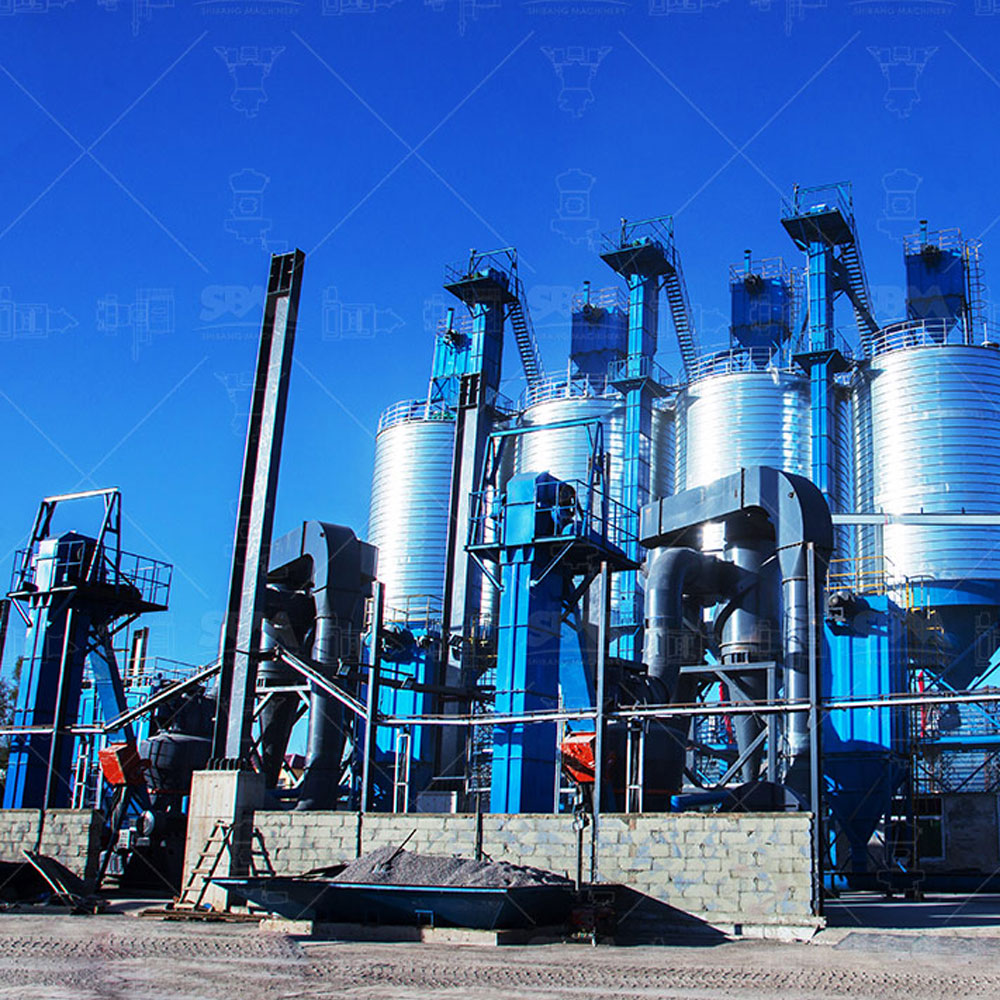
The circular duct design of the MTW mill prevents air energy loss and maintains stable material transportation. Optimization involves adjusting the damper to achieve a negative pressure of -500 to -800 Pa inside the mill. This ensures that fine particles are carried upward efficiently while coarse particles fall back for regrinding. High-strength guard plates protect the duct surface; these should be inspected monthly for wear. In a limestone powder preparation plant serving the power generation industry, adjusting the air duct reduced energy consumption by 12% while maintaining 200 mesh output.
Classifier speed tuning for fineness control
For all grinding mills, the classifier rotor speed directly determines the final product fineness. On the MTW and LM mills, frequency converters allow precise speed control. For 30 mesh coarse powder, a low rotor speed of around 60 RPM is used; for 400 mesh fine powder, speeds up to 200 RPM may be required. The efficient vertical turbine classifier on the SCM ultrafine mill enables D97≤5μm with no coarse powder spillover. Optimizing the classifier speed reduces over-grinding by 15% and increases throughput for fine products.
Roller and ring wear management
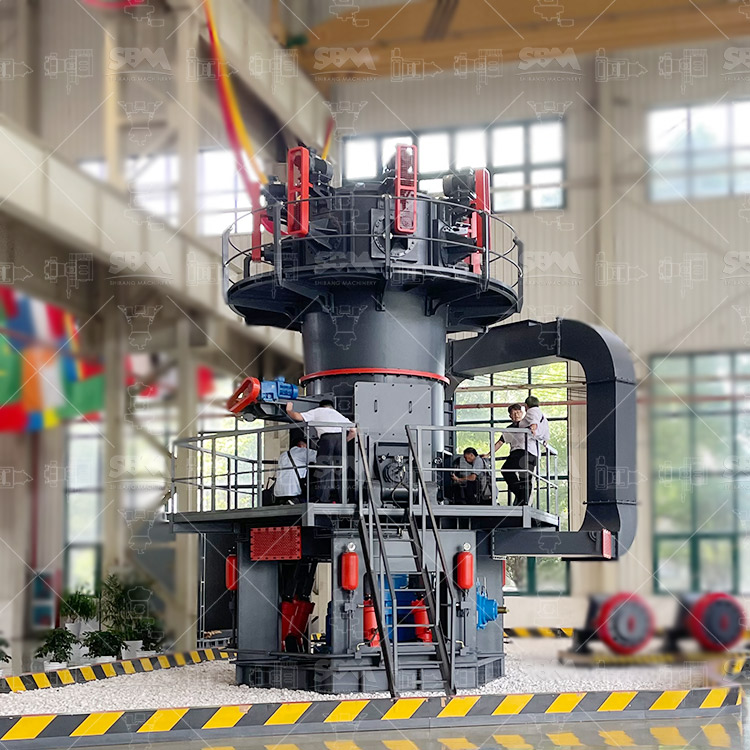
Wear of grinding rollers and rings is a common pain point. The curved shovel blade design on the MTW mill changes the feeding angle, distributing material evenly and extending service life by 20%. For the LM vertical roller mill, the roller does not contact the grinding plate directly, reducing metal-on-metal wear. The grinding chamber has no bearing screw, ensuring stable operation after balance treatment. SBM recommends using special alloy materials for rollers in high-abrasion materials like petroleum coke, which can triple durability. Monitoring roller wear with ultrasonic thickness gauges every 500 operating hours prevents unexpected breakdowns.
Intelligent control system application
Both the LM and LUM mills feature PLC/DCS automatic control systems that enable remote monitoring and parameter adjustment. The system can automatically adjust grinding pressure based on material feed rate and noise level. For example, if the mill vibration exceeds 2 mm/s, the control system reduces roller pressure or feed rate to prevent damage. In a slag powder production line in Southeast Asia, this system reduced labor costs by two operators per shift while maintaining a stable output of 15 tph.
Energy saving through volute and transmission optimization
The MTW mill uses a cone gear integral transmission, which achieves higher efficiency than traditional spur gears. The unobstructed wear-resistant volute improves wind-driven transmission efficiency while reducing material maintenance costs. For ball mills, the new liner material and optimized charge ratio of 30-35% volume can reduce energy consumption by 20%. The SCM ultrafine mill achieves 30% lower energy consumption than jet mills with twice the capacity. Operators should always run the mill at full load to maximize energy efficiency; idling or under-load operation increases specific energy by 15% or more.
Common troubleshooting and parameter tables
If the product fineness is too coarse, check the classifier speed and air volume. If the mill is vibrating, check roller pressure balance and material moisture content (should be below 5% for most applications). For MTW mills, if the shovel blade feeding angle is set too steep, material builds up on the ring; if too shallow, insufficient feeding occurs. The ideal angle is 45° for most materials. For LM mills, the grinding pressure should be set between 80-120 bar depending on material hardness. Regular calibration of pressure sensors every three months is recommended.
Conclusion
Optimizing grinding parameters for Raymond mills involves a holistic approach: adjusting air flow, classifier speed, roller pressure, and wear management. SBM Machinery provides comprehensive support including on-site commissioning and remote control software. By implementing these methods, customers have reduced annual maintenance costs by up to 25% and increased equipment availability to over 95%. Continuous monitoring and data-driven adjustments ensure the mill operates at its peak efficiency over its entire lifecycle.
Frequently Asked Questions
1. How can I reduce the frequent replacement of grinding rollers in my Raymond mill?
Use the combined-type shovel blade design available on MTW mills, which allows replacing only the blade tip instead of the entire assembly. Also, ensure the feed material size is below 50mm and moisture below 5% to reduce abnormal wear.
2. My mill keeps vibrating during operation, what should I do?
Check the balance of the grinding rollers and the material bed. For LM vertical roller mills, ensure the grinding pressure is evenly distributed. Clean any accumulated material from the grinding chamber and check that the classifier rotor is balanced.
3. Why is my product fineness not reaching the required 325 mesh?
Increase the classifier rotor speed using the frequency converter. Ensure the air duct damper is open sufficiently to carry fine particles upward. For SCM ultrafine mills, verify that the grinding pressure is set above 100 bar for hard materials.
4. How can I lower the energy consumption of my ball mill?
Optimize the ball charge volume to 30-35% of mill volume, use high-quality wear-resistant liners, and run the mill at full load continuously. Replacing old liners with new composite materials can save up to 20% energy.
5. What is the best way to control dust and noise from the grinding system?
Ensure the whole system is sealed and operates under negative pressure. Use pulse dust collectors for high-efficiency dust removal, and install soundproof enclosures or mufflers. SBM equipment meets national environmental protection standards when properly maintained.


