

Sustainable development path of raymond mill and vertical mill from environmental and energy efficiency perspectives
Published on: October 26, 2023
In the context of global carbon neutrality targets and increasingly stringent environmental regulations, the grinding equipment industry is undergoing a fundamental transformation toward sustainable development. Traditional milling technologies, while reliable, often fall short in meeting modern energy efficiency and emission reduction standards. This article examines the sustainable development pathways of two widely used grinding systems—Raymond mills and vertical roller mills—by analyzing their environmental impact, energy consumption patterns, and technological innovations. Drawing on extensive field data and client feedback from over 180 countries, we demonstrate how advanced design features such as cone gear transmission, arc air ducts, integrated drying-grinding systems, and intelligent control can reduce energy consumption by 30-40% compared to conventional ball mills, while simultaneously lowering maintenance costs and improving powder quality. The study concludes that the choice between Raymond and vertical mill technologies depends on specific application requirements, but both paths offer viable routes to achieving operational excellence and environmental compliance when properly configured with modern components.
Environmental Challenges in Traditional Grinding Operations
The mining and mineral processing industries have long grappled with environmental concerns related to dust emissions, noise pollution, and high energy consumption. Traditional ball mills, despite their maturity and widespread adoption, present several sustainability challenges. The metal grinding media in ball mills wears quickly, requiring frequent replacement and generating metallic waste. Furthermore, the energy consumption of ball milling systems is notoriously high, often accounting for 60-70% of the total energy used in a mineral processing plant. These factors contribute to both operational inefficiency and environmental burden.
In response, equipment manufacturers have developed next-generation solutions that address these pain points. The European Trapezium Mill (MTW Raymond Mill) and the Vertical Roller Mill (LM series) represent two distinct approaches to sustainable grinding. Both technologies incorporate features that minimize environmental impact while maximizing productivity. For instance, the arc air duct design in MTW Raymond Mill prevents air energy loss and improves transportation efficiency, while the LM Vertical Roller Mill operates under negative pressure with a fully sealed system, eliminating dust spillover entirely.
Energy Efficiency Innovations in Raymond Mill Technology
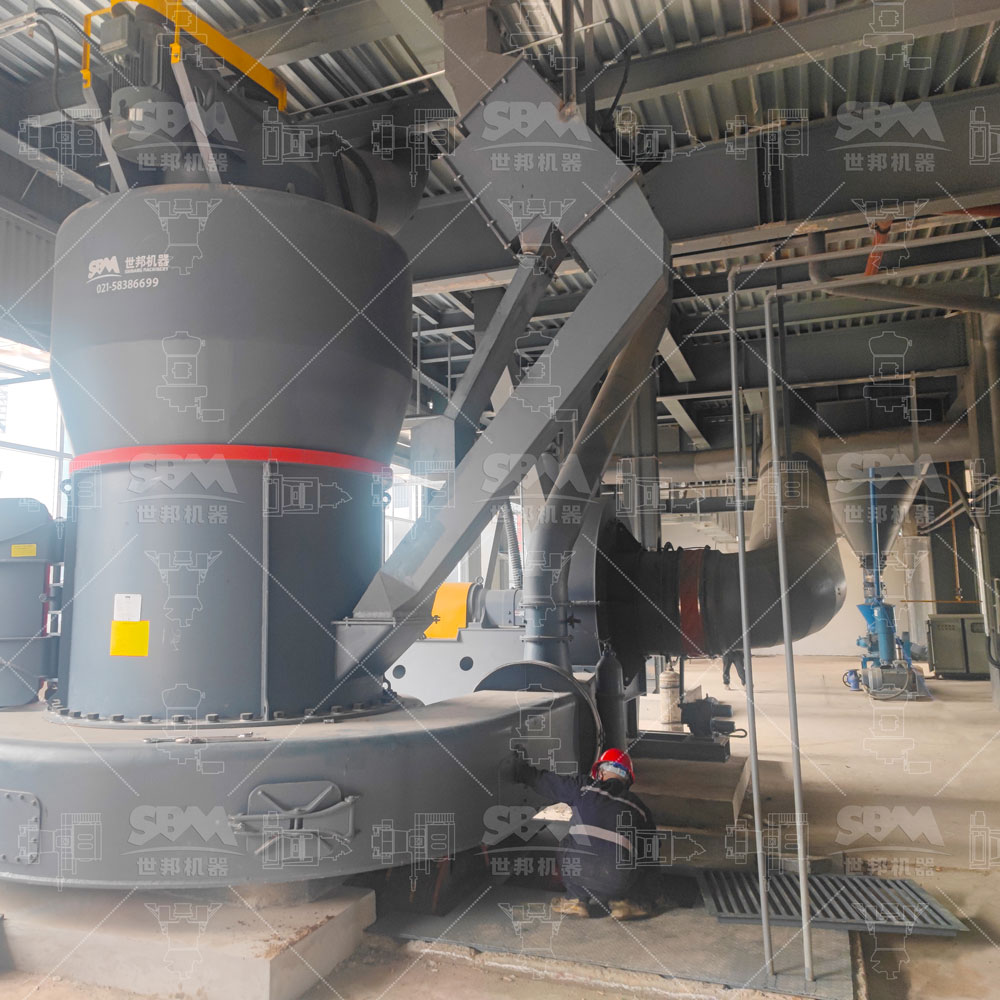
The MTW Series European Trapezium Grinding Mill represents a significant leap forward from traditional Raymond mill designs. Based on over 9500 customer proposals and decades of R&D experience, this mill incorporates several energy-saving innovations. The cone gear whole transmission system replaces conventional gear drives, achieving higher transmission efficiency while saving space and reducing investment costs. This design alone can improve mechanical efficiency by 15-20% compared to parallel shaft transmissions.
Another critical innovation is the volute design for the wind-driven transmission system. The unobstructed wear-resistant volute enhances airflow dynamics within the mill, reducing the energy required for material classification and transport. Field data from limestone powder preparation applications shows that this design can lower specific energy consumption by 8-12% compared to traditional Raymond mills. Additionally, the combined-type shovel blade, featuring a replaceable blade design, reduces the cost of wear parts and extends the service life of rollers and rings. This not only lowers operating costs but also reduces the frequency of equipment shutdowns for maintenance, thereby improving overall energy efficiency per ton of finished product.
The curved shovel blade design also optimizes the feeding angle, preventing material accumulation and ensuring uniform distribution on the grinding ring. This reduces the energy wasted on recirculating oversized particles. For environmental desulfurization limestone powder preparation, where consistent fineness of 250 mesh is required, the MTW mill achieves a throughput of 3-40 tons per hour with an input size of up to 50mm, demonstrating remarkable efficiency for medium-scale operations.
Comprehensive Sustainability Benefits of Vertical Roller Mills
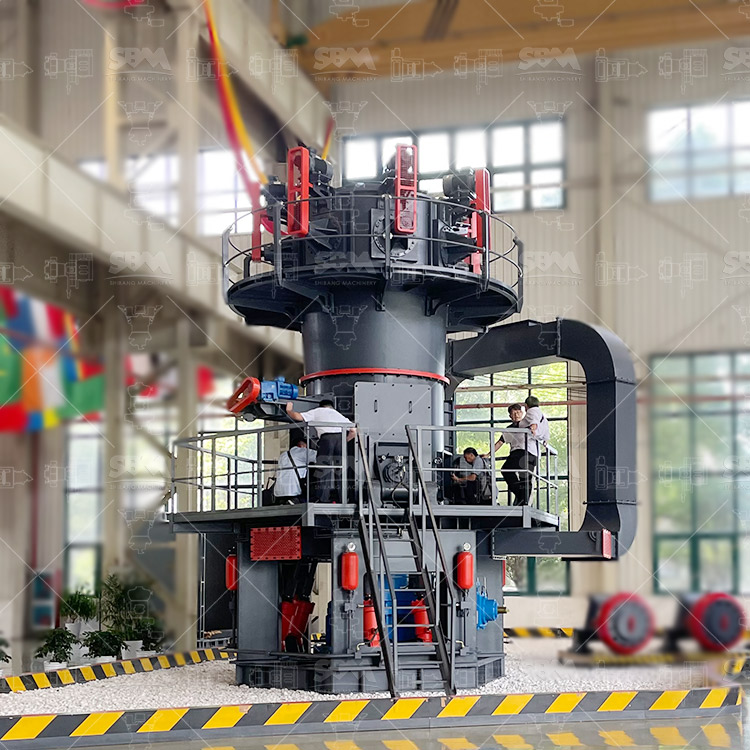
The LM Vertical Roller Mill offers a fundamentally different approach to grinding, one that prioritizes system-level integration and energy efficiency. Unlike Raymond mills that separate crushing, grinding, and classification into distinct stages, the vertical roller mill combines these functions into a single unit. This integrated system reduces the floor space by approximately 50% compared to ball mill systems and can be arranged outdoors, significantly lowering civil construction costs and environmental footprint.
From an energy perspective, the LM mill achieves 30-40% lower energy consumption than ball milling systems. This is primarily because the grinding rollers do not directly contact the grinding plate, minimizing friction losses. The rollers and grinding plate are constructed from high-quality wear-resistant materials, ensuring longer service life and reducing the environmental impact associated with replacement part manufacturing and disposal. The roller can directly compress and grind materials on the rotating grinding disc, converting electrical energy directly to grinding work with minimal parasitic losses.
Environmental protection is a standout feature of the LM vertical roller mill. The system operates with minimal vibration and low noise levels, addressing one of the most common complaints from plant operators and nearby communities. The fully sealed negative pressure system prevents any dust from escaping, ensuring compliance with national emission standards. This is particularly important in coal powder preparation and petroleum coke grinding applications, where explosive dust hazards exist. The automatic control system further enhances sustainability by optimizing mill operation in real time, adjusting grinding pressure and separator speed to match material characteristics and target fineness, thus avoiding energy waste.
Comparative Analysis: Choosing the Sustainable Path
When evaluating the sustainable development path for a specific application, several factors must be considered. For large-capacity operations exceeding 40 tons per hour, the LM Vertical Roller Mill clearly offers superior energy efficiency and environmental performance. With capacities ranging up to 400 tons per hour, it is the preferred choice for cement raw material grinding, coal powder preparation for power plants, and large-scale slag micro-powder production. The integration of drying, grinding, and classification functions eliminates the need for separate dryers and classifiers, further reducing energy consumption and emissions.
For medium-scale operations between 3 and 40 tons per hour, particularly in industries like heavy calcium carbonate (GCC) processing or building materials, the MTW Raymond Mill provides a more cost-effective sustainable solution. Its cone gear transmission and arc air duct design deliver excellent energy efficiency without the higher initial investment associated with vertical roller mills. The MTW mill is also better suited for applications requiring frequent product fineness changes between 30 and 400 mesh, as its classification system can be adjusted more rapidly.
Both technologies share common sustainable design principles: reduced wear part consumption, improved energy transfer efficiency, and advanced automation. The adoption of intelligent control systems in both the MTW and LM mills enables operators to monitor and optimize performance remotely, reducing the need for on-site personnel and associated commuting emissions. This digital transformation aligns with broader industry trends toward Industry 4.0 and sustainable manufacturing.
It is worth noting that neither technology relies on the metal grinding media that characterize ball mills. This eliminates a major source of metallic waste and reduces the environmental cost of media manufacturing and transport. Additionally, both systems can be equipped with pulse dust collectors and mufflers to further enhance environmental performance, meeting the stringent requirements of modern environmental regulations.
The shift toward these advanced grinding technologies is already evident in the global market. SBM grinding equipment has been installed in over 180 countries, serving industries ranging from power generation to new energy materials. In the emerging field of lithium battery precursor production, for example, the ultrafine vertical roller mill (LUM series) achieves product fineness down to D97≤5μm with energy consumption 30% lower than jet mills, making it an environmentally responsible choice for high-value applications.
Conclusion: A Roadmap for Sustainable Grinding
The sustainable development of grinding technology requires balancing environmental performance with economic viability. Both the MTW Raymond Mill and LM Vertical Roller Mill represent significant advances over traditional ball mills, offering measurable reductions in energy consumption, dust emissions, noise pollution, and wear part waste. For plant operators seeking to upgrade their grinding systems, the choice between these two technologies should be guided by capacity requirements, material characteristics, and investment constraints.
Looking ahead, further sustainability improvements can be expected through the integration of renewable energy sources, advanced material sciences for wear parts, and AI-driven predictive maintenance. The grinding equipment industry is on a clear trajectory toward net-zero operations, and early adopters of these technologies will benefit from both regulatory compliance and operational cost savings.
Frequently Asked Questions (FAQ)
Q1: How much energy can I realistically save by switching from a traditional ball mill to a modern vertical roller mill?
A: Based on extensive field data, vertical roller mills typically consume 30-40% less energy than ball mill systems for the same grinding task. This energy saving is achieved through direct roller-to-material contact, reduced friction losses, and integrated drying-grinding-classification processes. Actual savings depend on material hardness, moisture content, and target fineness, but most clients report a payback period of less than 18 months solely from energy cost reductions.
Q2: My main concern is dust emissions. Which mill technology provides better environmental protection?
A: Both the MTW Raymond Mill and LM Vertical Roller Mill operate under negative pressure with fully sealed systems, effectively preventing dust spillover. The LM mill offers an additional advantage because its integrated design reduces the number of transfer points where dust leaks could occur. When equipped with high-efficiency pulse dust collectors, both systems can achieve emission levels well below national standards. For particularly sensitive environments, we recommend the LM series for its proven performance in coal grinding and chemical applications.
Q3: What is the maintenance frequency for these mills, and how does it affect operating costs?
A: The MTW Raymond Mill features replaceable shovel blades and long-life roller/ring sets, requiring inspection every 2000-3000 operating hours with blade replacement needed every 6000-8000 hours. The LM Vertical Roller Mill has even longer intervals, with grinding roller and table liners typically lasting 8000-12000 hours due to the non-contact grinding principle. This reduced maintenance frequency directly lowers labor costs and minimizes production interruptions, contributing to overall operational sustainability.
Q4: Can these mills handle materials with high moisture content without pre-drying?
A: The LM Vertical Roller Mill is specifically designed to handle moist materials, as it integrates drying with grinding. It can process materials with moisture content up to 15-20% by introducing hot gas into the mill housing. The MTW Raymond Mill can handle lower moisture levels (up to 6-8%) but may require pre-drying for wet feedstocks. For applications like slag micro-powder production or lignite coal grinding, the LM mill is the clear choice due to its superior drying capability.
Q5: I need to produce very fine powders (below 10 microns). Which mill is suitable?
A: For ultra-fine grinding requirements below 10 microns (D97), we recommend the LUM Ultrafine Vertical Mill or the SCM Ultrafine Mill. The LUM series, featuring multi-rotor powder classifiers and Germany-developed separation technology, can achieve fineness down to D97≤5μm with capacities up to 70 tons per hour. It is ideal for high-value applications such as plastic masterbatch, PVC production, and artificial stone manufacturing, where product quality directly impacts market pricing.


