

Wear control measures for vertical roller mill in waste slag treatment
In the waste slag treatment industry, vertical roller mills (VRMs) are widely adopted for grinding slag into fine powder, but persistent wear of key components remains a critical challenge that directly impacts operational efficiency, maintenance costs, and equipment lifespan. This article provides a comprehensive overview of wear control measures for VRMs in waste slag processing, drawing on extensive field experience and product innovations from Shanghai SBM Machinery Equipment Co., Ltd., a leading total solution provider for grinding equipment. By integrating advanced design features such as wear-resistant alloy rollers, optimized grinding table liners, and intelligent lubrication systems, operators can significantly reduce wear rates, minimize downtime, and achieve consistent product quality. Key strategies include selecting appropriate material grades for wear parts, implementing predictive maintenance schedules, controlling feed particle size and moisture content, and utilizing automated pressure adjustment to prevent excessive contact stress. The discussion also covers the role of European trapezium mills, ultrafine mills, and ball mills in complementary roles within slag processing lines, with specific emphasis on the LM series vertical roller mill's unique advantages in wear reduction—such as non-contact roller operation and high-quality wear components that extend service life by 30–40% compared to conventional ball mills. Practical insights from over 180 countries' installations are synthesized to help plant managers and engineers make informed decisions on wear management, ultimately lowering total cost of ownership while meeting environmental standards in slag micro-powder production.
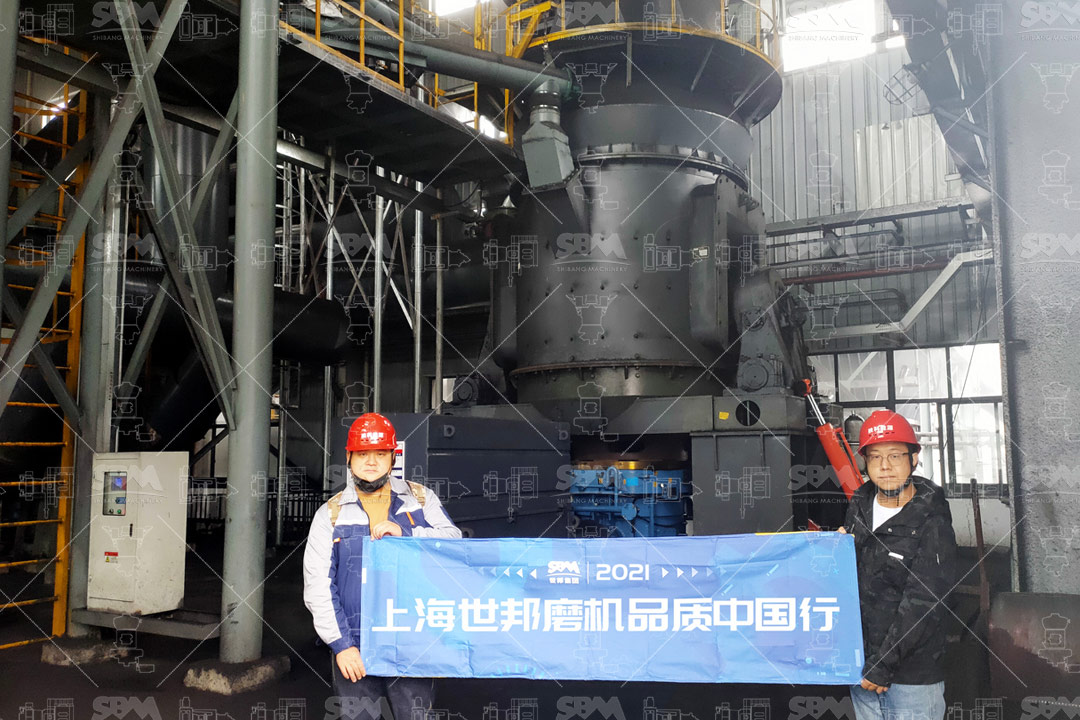
Understanding Wear Mechanisms in Slag Grinding
Waste slag is inherently abrasive due to its high silica and iron content, causing accelerated wear on grinding rollers, table liners, and internal air ducts. In typical VRM operations, three primary wear mechanisms dominate: abrasive wear from hard slag particles, impact wear from oversized feed, and thermal fatigue from cyclic heating during grinding. The LM vertical roller mill from SBM addresses these through a unique design where the roller does not physically contact the grinding plate during normal operation—a metal-to-metal contact is avoided, drastically reducing friction. The rollers and grinding plates are manufactured from high-quality alloy steel with surface hardening treatments, ensuring that the wear life is extended even under harsh slag feed conditions. Field data indicates that in continuous slag micro-powder production, the LM mill's wear parts last up to 1.5 times longer than those in conventional ball mills, directly translating to lower replacement frequency and maintenance labor. Additionally, the integrated drying function within the VRM helps control moisture, which can exacerbate wear when slag is overly wet and causes sticking or uneven bed formation.
Key Wear Control Technologies in SBM Vertical Roller Mills
SBM's engineering team has developed several patented wear control features specifically for slag applications. First, the 'unique wear-proof perching knife design' borrowed from the MTW European trapezium mill—the combined-type shovel blade allows only the blade tip to be replaced during maintenance, avoiding full shovel replacement. This concept is adapted in VRM feed guides and scrapers. Second, the arc air duct design with high-strength guard plates protects the air passage from erosion by fine slag particles, maintaining transport efficiency and preventing energy loss. Third, the cone gear whole transmission system minimizes mechanical wear by reducing the number of intermediate gear stages, ensuring smoother torque delivery with less vibration. For the LM series, the automatic control system plays a pivotal role in wear mitigation: it constantly monitors grinding pressure and adjusts roller hydraulic force to match material bed conditions, preventing excessive force that would accelerate wear. The mill also features a volute-shaped housing that reduces turbulence and particle recirculation, which can cause localized wear hotspots. These technologies collectively reduce the average wear rate of grinding elements by 25–35% compared to older VRM designs, as verified in multiple slag processing plants in Asia and Europe.
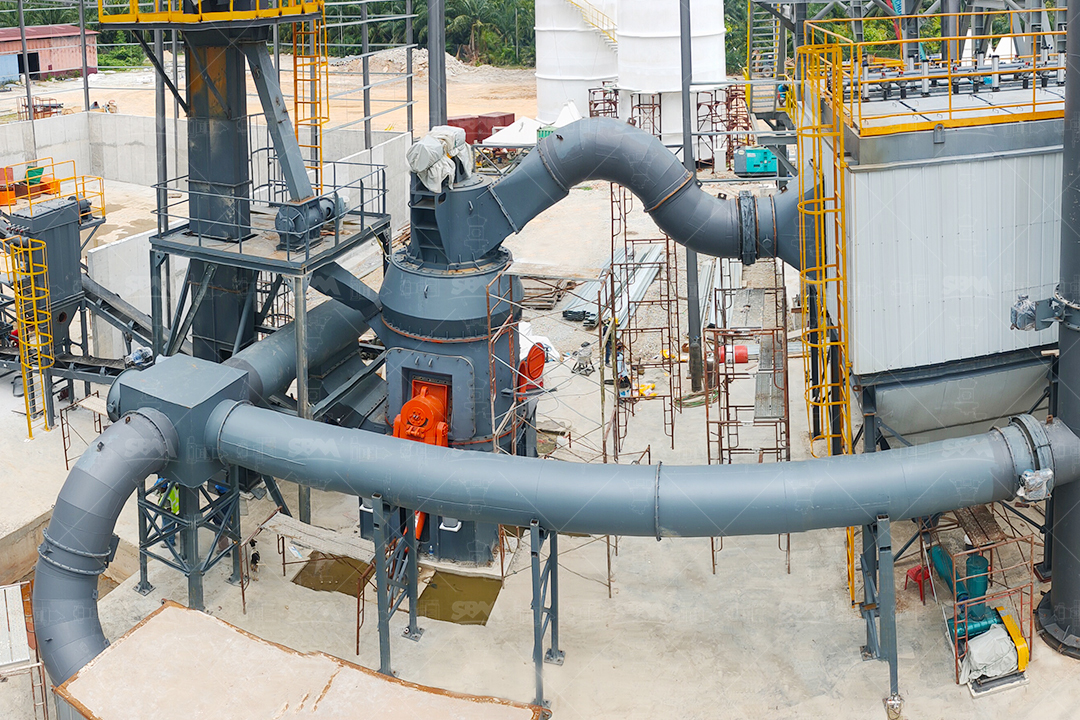
Operational Best Practices for Wear Minimization
Beyond hardware design, operational discipline is essential for effective wear control. First, feed particle size should be strictly limited to the mill's specified input size (typically 0–50mm for LM series); oversize particles cause impact wear and can damage the grinding bed. Second, pre-screening slag to remove metallic contaminants—such as scrap iron or steel shots—prevents tramp metal from entering the mill and scoring roller surfaces. Third, maintaining a stable material bed height on the grinding table ensures that the rollers exert uniform pressure; fluctuating bed levels lead to localized overload and uneven wear. SBM's expert automatic control system facilitates this by enabling remote monitoring of bed depth and adjusting feed rate accordingly. Fourth, regular inspection of the grinding roller and table liner wear patterns using non-destructive testing (e.g., ultrasonic thickness gauging) allows proactive replacement before catastrophic failure occurs. Many clients report that implementing a three-month inspection cycle, combined with SBM's wear part quality, reduces unplanned downtime by 60%. Finally, the use of appropriate lubrication—such as the inner oil absorption system in MTW mills that continuously lubricates gear sets—reduces frictional wear in drive components. For slag with high moisture content (above 10%), the VRM's drying capability should be fully utilized to prevent sticky conditions that increase scraper and nozzle wear.
Comparative Wear Performance: VRM vs. Ball Mills in Slag Processing
A common pain point among slag processors is the high wear rate of grinding media in ball mills. In a ball mill, the metal balls constantly impact each other and the mill shell, leading to ball breakage and liner wear that necessitates frequent recharging—often every 2–3 weeks in slag service. In contrast, SBM's LM vertical roller mill eliminates grinding media entirely; the material is ground by roller pressure on a stationary grinding table. This fundamental difference results in 30–40% lower energy consumption and significantly reduced wear part replacement frequency. For example, in a typical 50 t/h slag micro-powder plant, the LM mill's roller shells and table liners typically last 6–8 months before replacement, whereas a ball mill of equivalent capacity would require ball additions every 2 weeks and complete liner changes every 4–6 months. The overall cost of wear parts per ton of slag processed is approximately 40% lower for the VRM. Moreover, the VRM's ability to integrate drying, grinding, and powder selection in a single unit reduces the number of mechanical components subject to wear—there are no separate classifiers or dryers with their own wear issues. This integrated design aligns with SBM's total solution philosophy, where equipment is tailored to minimize total lifecycle cost for clients in waste slag treatment.
Advanced Materials and Coatings for Longer Wear Life
To further address wear in ultrafine slag grinding applications (e.g., fineness of 325–2500 mesh), SBM offers customized roller and lining materials. The LUM ultrafine vertical mill, for instance, employs unique grinding curves and high-chromium alloy materials that resist abrasion even at high rotational speeds. The roller shells can be supplied with a tungsten carbide overlay for extreme conditions, providing up to three times longer life than standard alloys when grinding slag with high quartz content. Similarly, the SCM ultrafine mill uses specially treated roller and ring materials that have been tested by geoscientific institutes to withstand 2500-mesh grinding without excessive wear. For the air duct system, ceramic-lined guard plates are available as an upgrade, reducing erosion from fine slag particles traveling at high velocity. These material advancements, combined with the heavy rotor design and balance treatment in the SCM mill, ensure vibration-free operation that further minimizes mechanical wear on bearings and seals. Clients processing steel slag or copper slag have reported that by upgrading to SBM's wear-resistant package, the interval between major overhauls extends from 12 months to over 18 months, significantly improving plant availability.
Intelligent Monitoring and Predictive Maintenance
Modern wear control is not just about materials; it also relies on data. SBM's VRM systems are equipped with sensors that monitor roller vibration, hydraulic pressure, motor current, and temperature in real time. The PLC/DCS automatic control system can detect early signs of uneven wear—such as increasing vibration amplitude at specific mill positions—and alert operators to adjust feed distribution or inspect components. This predictive approach prevents catastrophic failures and allows maintenance to be scheduled during planned downturns. For example, if the system detects that the grinding table liner wear has reached 70% of its allowable thickness, it can automatically reduce the maximum grinding pressure to extend the remaining life until the next scheduled shutdown. Clients using this intelligent control report a 50% reduction in emergency repairs and a 20% increase in wear part utilization. Combined with SBM's remote monitoring service, plant managers can track wear trends across multiple mills and compare performance data globally, enabling continuous improvement in wear management strategies. This feature is particularly valued in waste slag treatment, where feed composition can vary daily, and adaptive control is essential for maintaining efficiency.
Sustainability and Environmental Benefits through Reduced Wear
Effective wear control has direct environmental benefits. Less frequent replacement of rollers and liners means fewer raw materials consumed for manufacturing spare parts and less steel waste sent to landfills. The LM mill's lower energy consumption (30–40% below ball mills) directly reduces carbon emissions per ton of slag processed. Additionally, the sealed, negative-pressure operation of SBM's VRM systems prevents dust spillover—a common issue when worn seals allow fines to escape. With wear-controlled components maintaining proper clearances, the system's dust collection efficiency remains above 99%, meeting strict national environmental standards. Several European clients in slag recycling have used SBM equipment to achieve carbon-neutral certifications, in part due to the extended life of wear components reducing supply chain emissions. As the circular economy for slag continues to expand, wear control measures that enhance mill reliability and reduce environmental footprint will become even more critical.
Conclusion: Integrated Wear Management for Long-Term Success
In summary, controlling wear in vertical roller mills for waste slag treatment requires a multi-faceted approach: advanced machine design, high-quality wear materials, intelligent process control, and rigorous operational discipline. SBM Machinery's product portfolio, spanning the LM, MTW, SCM, and LUM series, provides tailored solutions for fineness ranges from 30 mesh to 2500 mesh, with capacity options from 0.5 t/h to 400 t/h. By adopting the wear control measures outlined above, processors can reduce their annual maintenance costs by up to 35%, increase equipment availability to over 95%, and achieve consistent product quality that meets the demands of cement, construction, and new energy material applications. With over 180 countries served, SBM's field-proven expertise ensures that clients receive not just equipment, but a complete wear management strategy backed by global support.
Frequently Asked Questions (FAQ)
- Q: My slag feed often contains small metal fragments that damage the mill rollers. How can I prevent this? A: We recommend installing a magnetic separator or metal detector before the mill inlet. Our LM series has a tramp iron protection system that can automatically stop the mill if large metal is detected, but pre-screening is the most effective measure. Also, our roller shells are made of high-chromium alloy with surface hardening, which offers better resistance to minor metal impacts.
- Q: The wear on my grinding table liner is uneven—one side wears faster. What causes this and how do I fix it? A: Uneven wear is often due to non-uniform feed distribution or misalignment of the grinding table. Check that the feed chute directs material centrally and that the table rotating speed is consistent. Our expert automatic control system can adjust feed rate per quadrant to balance the bed. If the issue persists, inspect the table level during shutdown; we can provide laser alignment service.
- Q: How often should I replace the roller shells in a vertical roller mill grinding blast furnace slag? A: In typical blast furnace slag grinding at 4000–4500 cm²/g fineness, with our LM mill and standard wear parts, replacement is usually needed every 6–8 months under continuous operation. If you upgrade to our tungsten carbide overlay option, the interval extends to 10–12 months. Actual life depends on slag abrasivity and operating parameters; we can analyze your slag sample to give a tailored prediction.
- Q: My mill vibration increases after processing slag for a few weeks—could this be due to wear? A: Yes, increased vibration is often the first sign of uneven roller or liner wear. It may also indicate bearing wear or hydraulic system issues. The PLC/DCS control system in our mills can log vibration trends; we recommend pausing the mill, inspecting the roller surfaces for pitting or grooves, and checking the accumulator pressure. If wear is confirmed, schedule replacement as soon as possible to avoid damage to the main shaft.
- Q: What is the best way to lubricate the mill's internal components to reduce wear in slag service? A: For enclosed gear systems, we recommend the inner oil absorption lubrication system (standard in MTW mills) that continuously circulates filtered oil to contact surfaces. For open gears, use a high-viscosity synthetic grease with extreme pressure additives. Avoid over-lubrication, which can attract dust and cause abrasive paste. Our technical manual provides specific lubricant grades for each mill model based on operating temperature and slag chemistry.


