

What are the main uses of titanium dioxide?
Published on: October 26, 2023
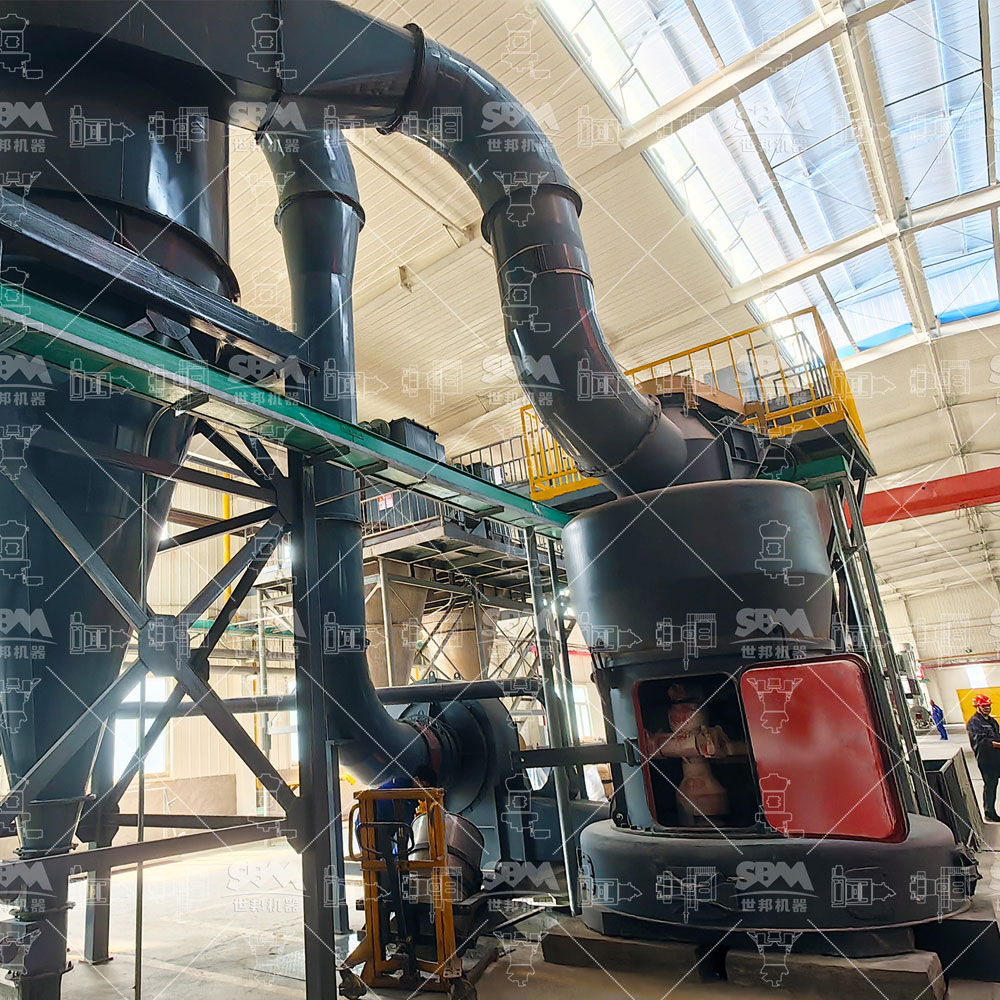
Titanium dioxide (TiO₂) is a naturally occurring oxide of titanium, widely recognized for its exceptional brightness, high refractive index, and strong UV resistance. It is primarily used as a white pigment in paints, coatings, plastics, paper, and cosmetics, and also plays a critical role in photocatalysis, environmental purification, and advanced energy materials. In industrial powder processing, the production of high-quality titanium dioxide relies heavily on efficient grinding and milling equipment to achieve the necessary fineness, purity, and dispersion characteristics. SBM Machinery, a global leader in grinding solutions, provides advanced mills—including the MTW European Trapezium Mill, LM Vertical Roller Mill, SCM Ultrafine Mill, LUM Ultrafine Vertical Mill, and Ball Mill—that are specially optimized for titanium dioxide grinding, ensuring consistent particle size distribution and minimal contamination. This article explores the main applications of titanium dioxide across various industries, highlighting the technical advantages of SBM equipment in meeting the rigorous demands of TiO₂ processing.
Main Uses of Titanium Dioxide
1. Paints and Coatings Industry
The largest market for titanium dioxide is the paints and coatings sector, accounting for approximately 60% of global consumption. TiO₂ provides excellent opacity, whiteness, and weather resistance, making it indispensable for architectural paints, industrial coatings, automotive finishes, and marine coatings. The pigment's high refractive index (2.7 for rutile) allows thin films to achieve complete hiding power, reducing material costs. For paint manufacturers, achieving consistent fineness (typically 325–400 mesh) and uniform particle dispersion is critical to avoid settling or streaking. SBM's LM Vertical Roller Mill and MTW Trapezium Mill are widely adopted in this sector because they offer precise particle size control (30–400 mesh) and low energy consumption, enabling paint producers to maintain high throughput while minimizing operational costs.
2. Plastics and Polymers
Titanium dioxide is a key additive in plastics, where it imparts whiteness, brightness, and UV stability. It is used in packaging films, pipes, cables, and consumer goods. TiO₂ also acts as a nucleating agent in crystalline polymers, improving mechanical properties. However, plastic processors often face challenges with poor dispersion and agglomeration of TiO₂ particles, leading to color streaks or reduced mechanical strength. SBM's SCM Ultrafine Mill, capable of producing powders from 325 to 2500 mesh, addresses this pain point by delivering ultra-fine particles with narrow size distribution (D97 ≤ 5 μm), ensuring smooth dispersion in polymer melts. The mill's low energy consumption (30% lower than jet mills) and high capacity (0.5–25 tph) make it cost-effective for masterbatch manufacturers.
3. Paper and Pulp Industry
In papermaking, titanium dioxide is used as a filler and coating pigment to enhance brightness, opacity, and printability. It is particularly valued in high-quality printing papers, decorative laminates, and specialty papers. The demand for TiO₂ in paper has grown with the trend toward lightweight, high-brightness papers. However, paper mills require TiO₂ with consistent particle morphology and low abrasiveness to minimize wear on forming wires and doctor blades. SBM's Ball Mill, with its optimized wear-resistant liners and grinding media, produces TiO₂ with controlled particle size (0.074–0.2 mm) and minimal metal contamination, extending equipment life and reducing downtime. Additionally, the wet ball mill configuration is ideal for slurry preparation in coating applications.
4. Cosmetics and Personal Care
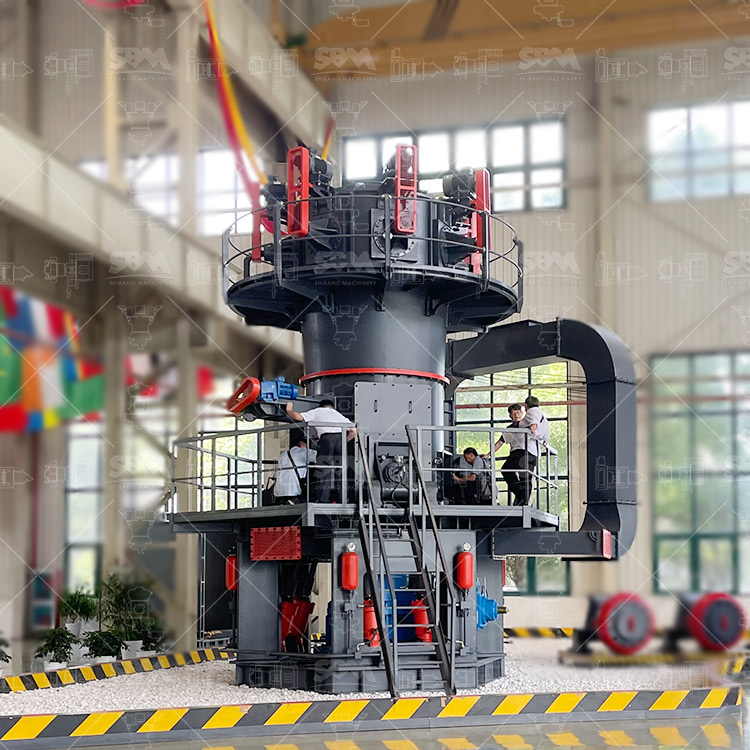
Titanium dioxide is a common ingredient in sunscreens, foundations, and skincare products due to its ability to block UV radiation (both UVA and UVB). Its non-irritating, non-allergenic nature makes it suitable for sensitive skin. Cosmetic-grade TiO₂ must be micronized to particle sizes below 100 nm to provide transparent, sheer coverage while maintaining UV protection. This requires advanced ultrafine grinding technology. SBM's LUM Ultrafine Vertical Mill, which integrates grinding, separation, and transport, can achieve fineness from 325 to 4000 mesh with a capacity of 10–70 tph. The mill's PLC/DCS automatic control system ensures precise pressure and speed adjustments, allowing cosmetic manufacturers to produce nano-TiO₂ with consistent quality—a key requirement to avoid customer complaints about product texture or sun protection efficacy.
5. Environmental and Energy Applications
Emerging uses of titanium dioxide include photocatalysis for air and water purification, self-cleaning surfaces, and solar energy conversion. In photocatalytic applications, TiO₂ (especially anatase form) generates reactive oxygen species under UV light, breaking down organic pollutants and killing bacteria. For these advanced technologies, the specific surface area and crystallinity of TiO₂ are critical. SBM's SCM Ultrafine Mill and LUM Vertical Mill are capable of producing TiO₂ with high specific surface area (up to 200 m²/g) and controlled crystalline phase, meeting the stringent specifications of research labs and commercial environmental products. The mills' negative pressure operation and dust-free design also comply with strict environmental regulations, which is a growing concern for customers in environmentally sensitive sectors.
6. Food and Pharmaceuticals
In the food industry, titanium dioxide (E171) is used as a whitening agent in confectionery, sauces, and dairy products, although regulatory scrutiny has increased in recent years. Pharmaceutical tablets and capsules also use TiO₂ as a coating pigment to improve appearance and stability. For these applications, purity and trace metal content are paramount, as impurities can cause health risks or discoloration. SBM's grinding mills are constructed with high-quality materials (e.g., wear-resistant alloys and ceramic components) to minimize iron contamination. The MTW Trapezium Mill's inner oil absorption lubrication system and arc air flue design further reduce the risk of product contamination, making it a trusted choice for food-grade and pharmaceutical-grade TiO₂ production.
Why SBM Equipment is the Preferred Choice for TiO₂ Processing
Throughout the titanium dioxide value chain, from pigment manufacturing to end-user applications, the consistency of particle size, purity, and dispersion directly impacts product quality. SBM Machinery addresses common customer pain points—such as high energy costs, frequent equipment wear, inconsistent fineness, and regulatory compliance—through its comprehensive product portfolio. The MTW series offers durable perching knife designs and cone gear transmissions for lower operating costs; the LM series provides low comprehensive investments and automatic control systems; the SCM and LUM series deliver ultrafine grades with energy savings; and the Ball Mill remains a reliable workhorse for standard applications. With installations in over 180 countries, SBM combines proven technology with global service support, ensuring that titanium dioxide producers can meet evolving market demands while optimizing their bottom line.
FAQ
1. My TiO₂ grinding line has high energy consumption and low output. Which SBM mill can help?
If you are experiencing high energy bills and low throughput, consider upgrading to the LM Vertical Roller Mill. It consumes 30–40% less energy than traditional ball mills and integrates crushing, drying, and grinding in a single unit. Its compact layout saves floor space, and the automatic control system reduces labor costs. For capacities up to 400 tph, the LM series is designed to maximize efficiency while maintaining output fineness from 30 to 400 mesh.
2. We need ultra-fine TiO₂ for sunscreen but the dispersion in our polymer matrix is poor. What solution do you offer?
Poor dispersion is often linked to inconsistent particle size and agglomeration. The SCM Ultrafine Mill can produce TiO₂ with one-time fineness D97 ≤5 μm (up to 2500 mesh), and its vertical turbine classifier ensures precise cut sizes without coarse powder spillover. The mill's heavy rotor design and special roller/ring materials reduce wear and maintain stability, resulting in a homogeneous powder that disperses evenly in sunscreens and cosmetics.
3. Our titanium dioxide product sometimes contains metal impurities that cause discoloration in paints. How can SBM mills help avoid this?
Metal contamination typically originates from grinding media wear. SBM mills are engineered with wear-proof components such as the combined-type shovel blade in the MTW mill and high-quality roller/ring materials in the SCM mill. The LUM machine's tight seal and negative pressure operation prevent external debris from entering. Additionally, we offer customized liners and grinding rollers made from ceramic or special alloys to minimize iron pickup, ensuring your TiO₂ meets high-purity requirements for paints and coatings.
4. I need to expand my TiO₂ grinding capacity but have limited space in my plant. Which mill has the smallest footprint?
The LM Vertical Roller Mill has a floor space approximately 50% of a ball mill system and can be arranged outdoors, making it ideal for space-constrained sites. Its integrated design eliminates the need for separate crushers, dryers, and classifiers. For ultra-fine processing, the LUM Ultrafine Vertical Mill also offers a compact layout with its combined grinding, classifying, and conveying functions, achieving capacities up to 70 tph without requiring a large building.
5. Our TiO₂ production must comply with strict environmental dust and noise regulations. Are SBM mills environmentally friendly?
Yes. All SBM mills are designed with environmental protection in mind. The LM and LUM series operate under negative pressure and are fully sealed, preventing dust spillover. The SCM mill uses a double powder collection system (pulse dust collector and powder collector) that exceeds international standards. Soundproof rooms and mufflers are optional to reduce noise. Additionally, the low vibration design of the LUM mill minimizes noise levels, helping your facility meet local and national emission standards.


