

Daily care of raymond mill—the way to extend equipment life
Published: 2025-10-05
Raymond mill, as a cornerstone of mineral processing and powder production, demands consistent and knowledgeable daily care to maximize uptime, reduce unplanned maintenance, and extend equipment life. Based on more than two decades of field experience and feedback from over 9,500 customers worldwide, SBM Machinery has compiled practical maintenance protocols that address the most frequent operational pain points—such as abnormal vibration, roller ring wear, bearing overheating, and declining fineness. This article provides a comprehensive, step‑by‑step guide to daily inspection, lubrication, adjustment, and troubleshooting routines. By integrating these practices into your shift schedule, you can lower total cost of ownership, avoid catastrophic failures, and ensure that your Raymond mill consistently delivers the specified capacity and product quality.
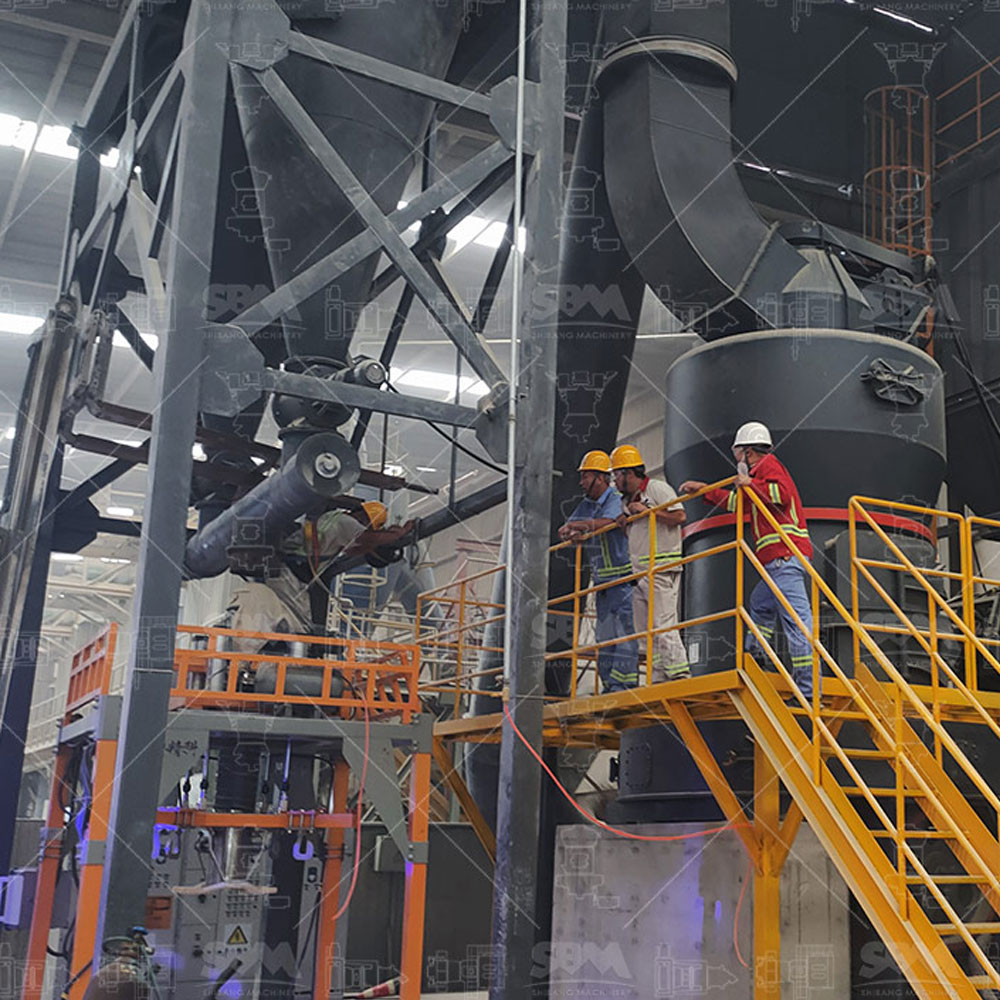
1. Pre‑Shift Inspection: The Foundation of Preventive Care
Every shift should begin with a systematic walk‑around. Start with the main motor and reducer: listen for unusual knocking or scraping noises. Check the oil level in the reducer sight glass—if it is below the minimum mark, top up with the recommended gear oil before starting. Confirm that the anchor bolts of the mill base are tight; loose foundation bolts cause progressive misalignment and eventually crack the mill shell. On the grinding chamber, open the inspection door and look at the condition of the grinding roller and ring. With SBM’s unique perching knife design, the shovel blade can be inspected separately. If the blade edge is worn beyond 6 mm, replace it immediately to maintain the material feeding angle and protect the roller from direct impact.
2. Lubrication Management: The Lifeblood of the Mill
Proper lubrication is the single most critical factor for extending the life of bearings and gears. SBM Raymond mills are equipped with an inner oil‑absorption lubrication system that automatically feeds grease to the roller bearings. Nevertheless, the operator must verify that the grease reservoir is not empty and that the automatic pump cycles correctly. For the main shaft bearings, use a lithium‑based grease with NLGI grade 2 consistency every 200 operating hours. The bevel gear transmission (cone gear whole transmission) requires a splash‑bath of extreme‑pressure gear oil ISO VG 320. Change this oil after the first 500 hours of operation, then every 2,000 hours thereafter. Keep a log of each lubrication event, noting the date, lubricant type, and quantity.
3. Monitoring Vibration and Temperature
Excessive vibration is the earliest warning of trouble. Install a vibration sensor on the mill housing near the grinding zone. Normal operation shows vibration velocity below 4 mm/s. If readings climb above 6 mm/s, stop the mill and check for uneven material feed, worn roller tires, or loose foundation. Temperature of the main bearing housing should not exceed 70 °C (158 °F). Higher temperatures indicate insufficient lubrication, contaminated grease, or bearing damage. In SBM’s arc air‑duct design, the air passage is shaped to minimize energy loss—but if the duct becomes clogged with dust due to a failed seal, the mill will overheat. Clean the air duct weekly and inspect the high‑strength guard plate for wear.
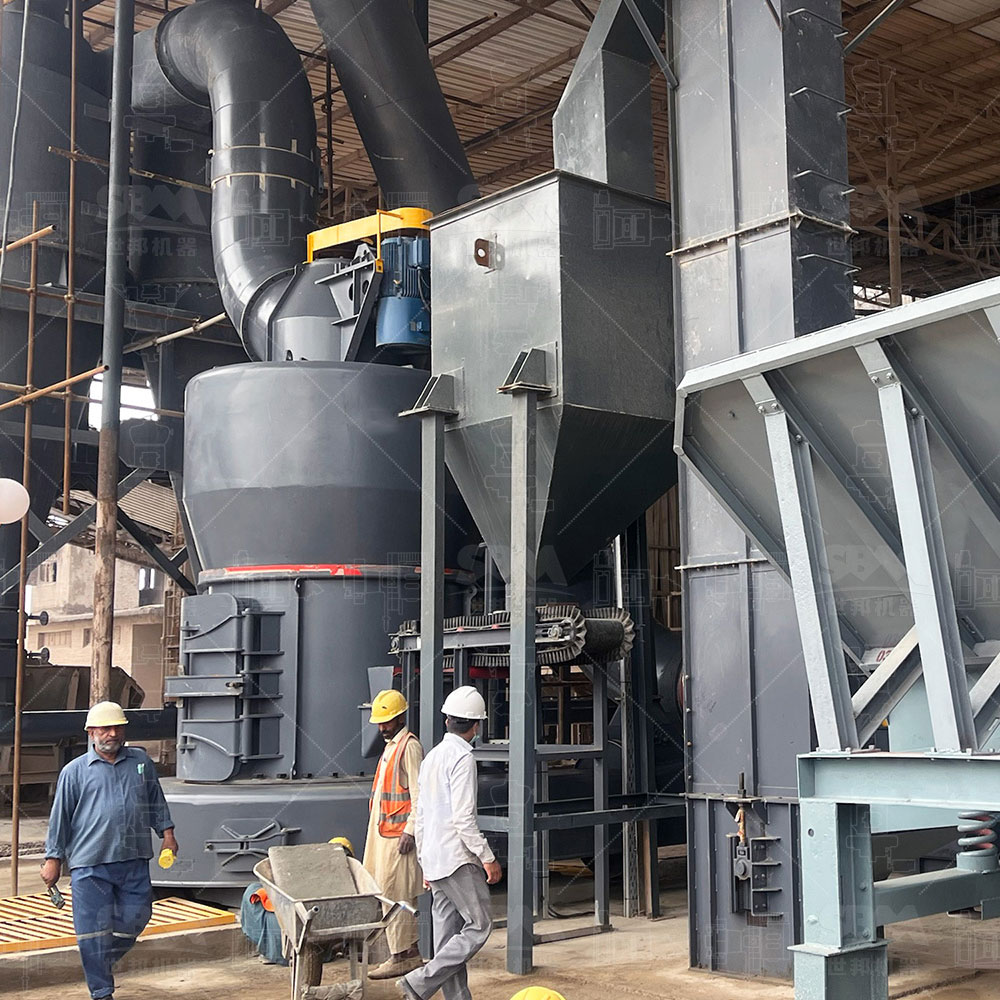
4. Optimizing the Airflow and Classifier Settings
Product fineness and output depend heavily on the classifier speed and air volume. For SBM’s MTW European Trapezium Mill, the volute design improves wind‑driven transport, but the fan damper must be adjusted to match the material moisture and target mesh. A common mistake is running the fan at maximum speed regardless of conditions—this wastes energy and accelerates wear on the blades and housing. Check the pressure drop across the mill daily: a sudden increase means the filter bags are blinded or the air duct is choked. Clean the pulse‑jet dust collector filter bags according to the manufacturer’s schedule. If the product becomes coarser than required, first verify that the classifier rotor is not damaged or coated; then adjust the rotor speed upward by 10 rpm increments.
5. Wear Parts Replacement Strategy
Instead of waiting for a breakdown, plan replacement based on tonnage. For a typical Raymond mill processing limestone of 4 Mohs hardness, the grinding roller and ring will need resurfacing after 600–800 tons of throughput. SBM’s combined‑type shovel blade design allows you to replace only the blade, not the entire assembly—saving up to 40 % on wear part cost. Keep a spare set of shovel blades and grinding rollers on site. Before removing the old roller, mark the orientation so the new one is installed in the same phase position to avoid dynamic imbalance. Torque all bolts with a calibrated wrench; under‑torquing causes loosening, over‑torquing cracks flanges.
6. Operational Best Practices
- Feed control: Always maintain a uniform feed rate. Starving the mill causes metal‑to‑metal contact between roller and ring; over‑feeding stalls the motor. SBM recommends using a variable‑speed feeder with automatic load feedback.
- Moisture management: Material moisture should not exceed 6 % for Raymond mills. Higher moisture causes material to cake on the grinding ring and block the air flow. Pre‑dry the feed if necessary.
- Start‑up sequence: Start the dust collector and fan first, then the mill, and finally the feeder. Shutdown is the reverse: stop the feeder, run the mill for 3 minutes to empty the grinding chamber, then stop the mill and fan. This prevents material accumulation that can lock the rollers.
7. Record Keeping and Predictive Maintenance
Maintain a daily log that includes: total operating hours, product fineness (mesh), motor current (A), vibration level, bearing temperature, and any corrective actions taken. Once a week, calculate the specific power consumption (kWh/ton). A gradual increase signals wear or air‑flow restriction. Review logs weekly to spot trends before they turn into failures. SBM’s expert automatic control system (available on LM Vertical Roller Mill) can record all these parameters and flag anomalies—use this data to schedule proactive maintenance.
8. Seasonal and Environmental Considerations
In cold climates, the lubricating grease thickens. Use a lower‑viscosity grease (NLGI 1) during winter. Check that the oil heater on the reducer works before start‑up. In hot, dusty environments, increase the frequency of air filter cleaning and inspect the seals on the grinding chamber every shift. Dust leaks not only harm the environment but also accelerate bearing wear.
Conclusion
Daily care of a Raymond mill is not merely a checklist; it is a discipline that directly impacts profitability. Operators who dedicate 15 minutes per shift to systematic inspection, lubrication, and logging can double the service life of wear parts, reduce unplanned downtime by 70 %, and maintain consistent product quality. SBM Machinery provides OEM parts and remote diagnostic support to help customers implement these practices. By combining the robust design features—such as the cone gear transmission, arc air duct, and perching knife—with disciplined daily care, you will achieve the lowest possible operating cost per ton and the longest equipment life.
Frequently Asked Questions (FAQ)
- Q: My Raymond mill vibrates strongly after only 100 hours of operation. What could be wrong?
A: Strong vibration early in the life of a mill is usually caused by uneven feed or loose foundation bolts. Check that the feed is consistent (no large lumps) and that all anchor bolts are torqued correctly. Also inspect the grinding rollers for any imbalance caused by uneven wear during the break‑in period. If vibration persists, run the mill empty for 30 seconds to see if the noise changes—if it does, the issue is likely in the grinding zone. - Q: The product fineness has gradually become coarser even though I haven’t changed the classifier speed. Why?
A: This is a classic symptom of worn grinding rollers or rings. As the roller profile flattens, the grinding pressure decreases and the material is not pulverized to the same fineness. Check the wear‑life chart in your SBM manual: if tonnage has passed the recommended interval, replace the roller and ring. Also inspect the classifier blades for buildup or damage. - Q: The main bearing temperature reaches 80 °C (176 °F) within one hour of starting. How can I reduce it?
A: Stop the mill immediately. High bearing temperature often means the grease is contaminated with dust or the grease line is blocked. Flush the bearing with fresh grease until old grease exits the relief valve. If the temperature remains high, the bearing may have been damaged—disassemble and inspect for brinelling or spalling. Ensure that the mill is not overloaded; reduce the feed rate until temperature stabilizes. - Q: How often should I replace the shovel blade (perching knife)?
A: For typical limestone grinding (8–10 hours per day), the shovel blade should be inspected every 200 operating hours. Replace the blade when the tip thickness is reduced by 50 % compared to a new one. Because SBM’s design allows replacing only the blade, not the whole shovel assembly, the cost is low—do not postpone replacement, as a worn blade changes the feed angle and accelerates roller wear. - Q: The mill suddenly makes a loud grinding noise and the current spikes. What should I do?
A: Activate the emergency stop immediately. A loud grinding noise with current spike indicates that metal parts are contacting each other—most likely a broken roller tire or a loose grinding ring segment. Wait for the mill to stop completely, then open the inspection door. Remove any broken pieces. Check the roller arm for cracks. Do not restart until the damaged component has been replaced and the cause of the failure (e.g., foreign object in feed, lubricant failure) has been corrected.


