

What machine is best for grinding coal gangue to 100 mesh? a guide to core equipment for resource utilization
Published on: October 26, 2023
When it comes to grinding coal gangue to 100 mesh for resource utilization, selecting the right machine is critical for achieving efficient operation, consistent product quality, and minimal downtime. Coal gangue, a byproduct of coal mining, is notoriously abrasive and variable in hardness, which poses significant challenges for grinding equipment. Based on decades of field experience and extensive customer feedback, the most suitable machines for this task are vertical roller mills (VRM) and European trapezium mills, each offering distinct advantages depending on scale, feed size, and desired throughput. This guide provides a comprehensive comparison of core equipment options, focusing on technical features, operational benefits, and common pain points experienced by clients in the coal gangue processing industry. Whether you are establishing a new plant or upgrading an existing line, understanding the strengths of each machine—from wear resistance to energy efficiency—will help you make an informed decision that maximizes return on investment.
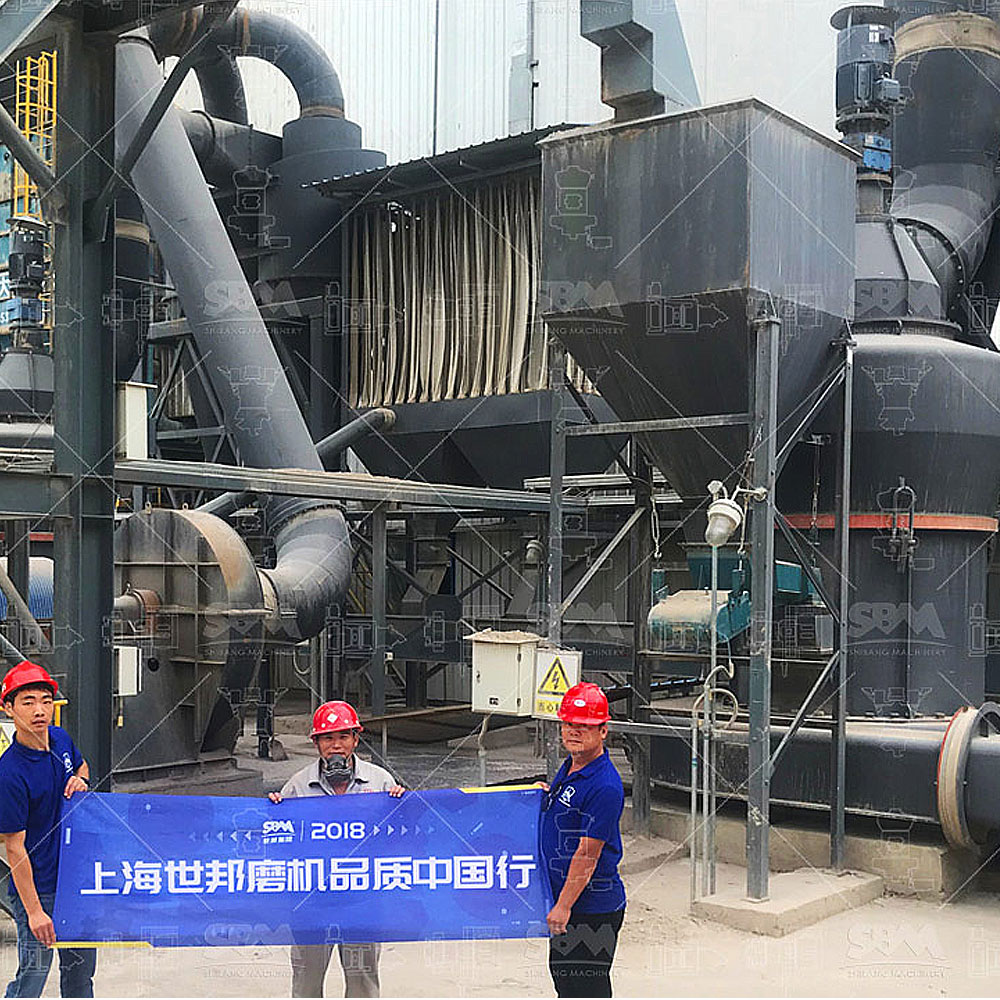
Understanding Coal Gangue and Its Grinding Challenges
Coal gangue typically contains a mix of carbonaceous materials, clays, and minerals like silica and alumina. This composition makes it abrasive, leading to rapid wear of grinding components if not matched with appropriate equipment. Many clients report issues such as frequent roller ring replacement, inconsistent fineness, and high energy consumption when using conventional mills. For resource utilization—such as producing brick additives, cement raw meal, or backfill materials—a consistent 100 mesh (about 150 microns) is often required. Achieving this reliably demands a machine with robust wear protection, efficient separation, and stable operation under varying feed conditions.
Core Equipment Options for 100 Mesh Grinding
1. European Trapezium Mill (MTW Series)
The MTW series European Trapezium Mill is a proven solution for grinding coal gangue to 100 mesh, especially for medium-scale operations. It features a unique cone gear whole transmission system that improves transmission efficiency by up to 30% compared to traditional gearboxes, reducing energy loss. The arc air duct design minimizes air resistance and ensures efficient powder transport, while the volute design enhances airflow uniformity. A key advantage for coal gangue is the wear-proof perching knife design: the combined-type shovel blade allows only the blade to be replaced during maintenance, lowering operating costs significantly. The input size accepts up to 50mm, and the output size range of 30-400 mesh comfortably covers 100 mesh. With capacity from 3 to 40 tph, this mill is ideal for clients needing moderate throughput with high reliability.
Customer pain point addressed: Many users express frustration with high maintenance costs due to worn grinding elements. The MTW's modular wear parts and curved shovel blade design extend roller and ring life, directly reducing replacement frequency and downtime.
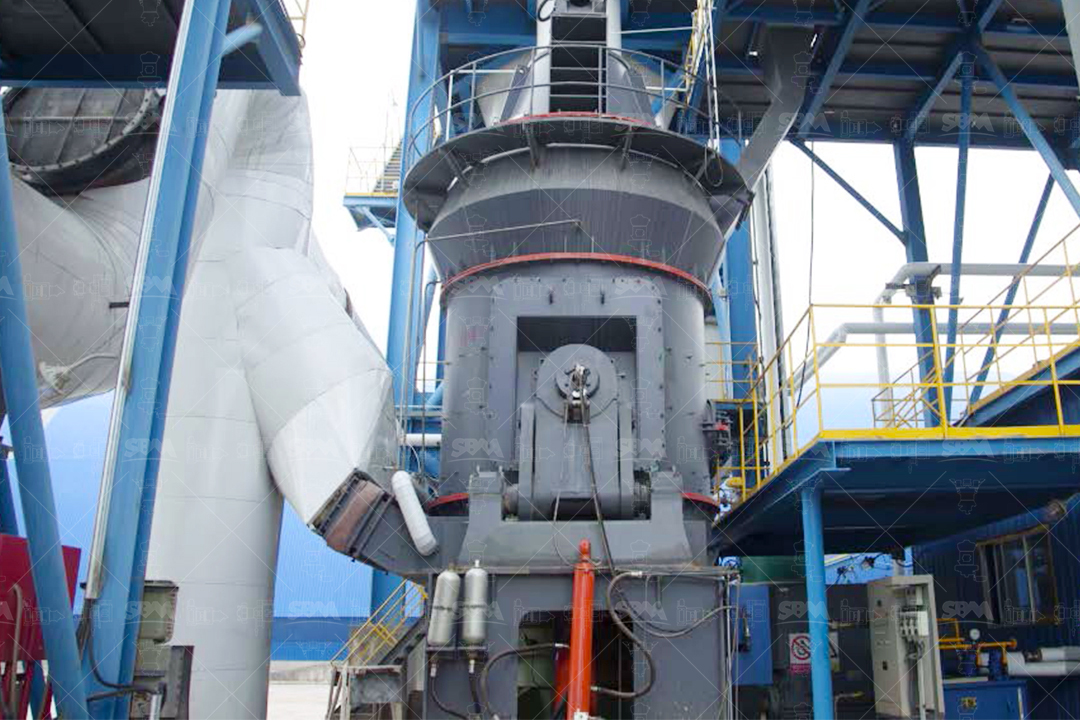
2. LM Vertical Roller Mill
For large-scale coal gangue processing, the LM Vertical Roller Mill offers unmatched advantages. It integrates crushing, drying, grinding, and powder separation in a single unit, with a compact layout that requires only about 50% of the floor space of a ball mill system. The grinding rollers do not directly contact the grinding plate, which reduces wear—a crucial feature for abrasive coal gangue. The automatic control system allows remote monitoring, saving labor costs. The LM mill handles feed sizes up to 50mm and outputs 30-400 mesh with capacities ranging from 3 to 400 tph. For 100 mesh grinding, the adjustable classifier speed ensures sharp particle size distribution without coarse powder spillover.
Customer pain point addressed: High energy consumption is a common complaint in coal gangue grinding. The LM mill consumes 30-40% less energy than ball mill systems, directly lowering operational costs. Additionally, its negative pressure sealing eliminates dust emissions, addressing environmental compliance concerns.
3. Ultrafine Mill (SCM Series) and Ultrafine Vertical Mill (LUM Series)
While primarily designed for finer powders (325-2500 mesh), these mills can produce 100 mesh with excellent efficiency if the application requires higher fineness flexibility. The SCM ultrafine mill achieves D97≤5μm for fine powders, but its frequency-conversion control allows coarse adjustment for standard meshes. For 100 mesh, its capacity of 0.5-25 tph is more suited to small batch or specialty applications. The LUM ultrafine vertical mill, with capacities up to 70 tph, leverages multi-rotor classifiers for precise separation, but its typical feed size limit of 20mm may require pre-crushing for larger coal gangue.
Customer pain point addressed: Some clients need a single machine that can switch between coarse and fine grinding. These ultrafine options provide that versatility, though they may not be the most cost-effective for strictly 100 mesh production.
4. Ball Mill
Ball mills are mature technology but are not recommended for coal gangue due to high metal ball wear and energy consumption. While improvements like new wear-resistant liners have been made, the operating costs remain higher than roller mills. For 100 mesh, ball mills can achieve the fineness, but customers often face frequent media replacement and inconsistent product quality. Wet ball mills are used in mineral dressing, but for dry coal gangue grinding, dry ball mills are less efficient than modern roller mills.
Customer pain point addressed: Clients who have tried ball mills often report excessive downtime for media charging and liner replacement. Our improved ball mill design reduces spare part costs, but for coal gangue, the LM or MTW mills offer superior total cost of ownership.
Selection Criteria for 100 Mesh Coal Gangue Grinding
To choose the best machine, consider the following:
- Throughput requirement: For capacities above 40 tph, LM vertical roller mill is the clear leader. For 3-40 tph, MTW trapezium mill is optimal.
- Feed size: If coal gangue is pre-crushed to ≤20mm, all options work. For run-of-mine feed up to 50mm, MTW and LM mills accept without extra crushing.
- Moisture content: Coal gangue often contains moisture. The LM mill has strong drying capacity, while MTW requires pre-drying if moisture exceeds 10%.
- Maintenance capability: For plants with limited maintenance teams, the LM mill's automated control and fewer wear parts reduce labor dependency.
- Budget for spare parts: The MTW mill's low-cost blade replacements are advantageous for tight budgets.
Conclusion
For grinding coal gangue to 100 mesh, the LM Vertical Roller Mill offers the best combination of high capacity, low energy consumption, and minimal wear, making it the preferred choice for large-scale resource utilization. The MTW European Trapezium Mill serves as an excellent alternative for medium-scale operations with its proven durability and low maintenance costs. Both machines are backed by decades of engineering expertise and global installations in over 180 countries. By matching the equipment to your specific operational parameters—feed size, throughput, moisture, and maintenance strategy—you can achieve reliable production of 100 mesh coal gangue powder for use in cement, bricks, or other industrial applications.
FAQ: Common Customer Pain Points
Q1: My coal gangue feed is up to 80mm sometimes. Can these mills handle it?
Both the MTW and LM mills accept a maximum input size of 50mm. For larger particles, we recommend installing a primary crusher (e.g., jaw crusher) before the mill. Alternatively, a pre-screening system can separate oversize material. Our engineers can design a complete system with appropriate upstream equipment to ensure smooth operation.
Q2: I need to produce 100 mesh powder but also occasionally finer grades like 325 mesh. Which machine is more flexible?
The MTW trapezium mill offers the best flexibility for both coarse (100 mesh) and fine (up to 400 mesh) grinding without major adjustments. The LM mill can also handle this range but is more optimized for high-volume coarse grinding. If you need occasional ultrafine (below 400 mesh), the ultrafine mills are better but with lower capacity.
Q3: How do I reduce dust pollution during coal gangue grinding?
Both the LM and MTW mills are designed with negative pressure systems and effective sealing to prevent dust leakage. The LM mill features a fully enclosed system with dust collectors, meeting strict environmental standards. We recommend pairing any mill with a pulse bag filter and proper ventilation to achieve emission levels below 20 mg/Nm³.
Q4: The grinding roller and ring wear out every 3 months in my current mill. How can I extend their life?
High wear is common with abrasive coal gangue. The MTW mill's curved shovel blade design changes the feeding angle, reducing direct impact on rollers and rings. The LM mill's non-contact roller design minimizes friction. Both use high-chromium alloy materials that can extend service life to over 12 months under normal conditions. Also, maintaining stable feed moisture (5-8%) helps reduce abrasion.
Q5: What capacity can I expect when grinding coal gangue to 100 mesh with an MTW mill?
For the MTW series, capacity depends on feed size and moisture. With typical coal gangue (feed ≤30mm, moisture <5%), the MTW138 model can produce about 5-8 tph at 100 mesh, while the MTW175 model achieves 10-15 tph. Larger models like MTW215 can reach 25-35 tph. For exact figures, we recommend a material test at our facility or a site survey.


