

What is bauxite? what industries use it?
Published: 2025-04-08
Bauxite is the primary ore of aluminum, a reddish-brown sedimentary rock composed mainly of aluminum hydroxide minerals such as gibbsite, boehmite, and diaspore, along with impurities like silica, iron oxides, and titania. It forms through the weathering of aluminum-rich rocks in tropical and subtropical climates, making it the most abundant and cost-effective source of alumina (Al₂O₃), which is then smelted to produce metallic aluminum. The industries that rely on bauxite are vast and include aerospace, automotive, construction, packaging, electrical engineering, and consumer goods—essentially any sector that demands lightweight, corrosion-resistant, and high-strength materials. Beyond aluminum production, bauxite is also used in cement manufacturing, refractory materials, chemical processing, and abrasives. For example, the power generation sector uses bauxite-derived alumina for desulfurization; the building materials industry uses it for high-alumina cement; and the non-metallic minerals sector uses it for slag micro-powder preparation and heavy calcium carbonate (GCC) processing. Given its strategic importance, companies like Shanghai SBM Machinery Equipment Co., Ltd. (SBM Machinery) provide advanced grinding solutions for bauxite processing, offering equipment such as MTW European Trapezium Mills, LM Vertical Roller Mills, Ultrafine Mills, and Ball Mills to meet the specific fineness and capacity requirements across industries. This article explores what bauxite is, its industrial applications, and how SBM’s grinding technology addresses common customer pain points in bauxite processing.
_1784391917132.jpg)
What is Bauxite?
Bauxite is not a mineral but a mixture of minerals, typically containing 30-60% aluminum oxide (Al₂O₃). It is extensively mined in countries like Australia, China, Guinea, Brazil, and India. Bauxite undergoes a two-step refining process: first, the Bayer process extracts alumina from bauxite via chemical digestion with caustic soda; second, the Hall-Héroult process electrolyzes alumina to produce pure aluminum metal. The physical and chemical properties of bauxite make it ideal for producing aluminum alloys used in nearly every modern industry. However, raw bauxite must be ground and milled to specific particle sizes before it can be efficiently processed, which is where industrial grinding mills become critical.
Industries That Use Bauxite
1. Aluminum Smelting (Metallurgy)
The largest consumer of bauxite is the aluminum smelting industry, which accounts for over 85% of global bauxite production. Here, bauxite is crushed and ground into a fine powder (typically 100-200 mesh) to maximize surface area for the Bayer process. SBM’s MTW European Trapezium Mill (capacity 3-40 tph, output 30-400 mesh) is widely used for this stage due to its cone gear whole transmission system, which provides high efficiency and low energy consumption. A key customer pain point in this industry is the high cost of wear parts—SBM addresses this with its unique wear-proof perching knife design, where only the blade needs replacement during maintenance, significantly reducing operating costs.
2. Power Generation and Environmental Desulfurization
Power plants use bauxite-derived alumina or limestone for flue gas desulfurization (FGD). Bauxite is also processed into high-alumina cement for building chimney linings. The LM Vertical Roller Mill (capacity 3-400 tph, output 30-400 mesh) is preferred here due to its small comprehensive investment (50% less floor space than ball mills) and low operating costs (30–40% lower energy consumption). A common challenge is ensuring consistent fineness under high-moisture conditions; the LM mill’s integrated drying function solves this by combining drying, grinding, and powder selection in one unit.
3. Building Materials and Cement
Bauxite is used to manufacture high-alumina cement, refractory bricks, and aggregates for fire-resistant construction. The construction industry often requires ultrafine powders (325-2500 mesh) for specialized applications. SBM’s SCM Series Ultrafine Mill (capacity 0.5-25 tph, output 325-4000 mesh) achieves D97 ≤ 5μm fineness, with high output (twice that of jet mills) and 30% lower energy consumption. Clients frequently complain about noise and dust pollution during grinding; SBM’s optimized sound insulation room and pulse dust collectors provide effective containment, far exceeding international standards.
4. Chemicals and Non-Metallic Minerals
In the chemical sector, bauxite is used for making aluminum sulfate, water treatment chemicals, and catalysts. For non-metallic minerals like calcium carbonate, talc, and barite, bauxite-based additives improve product properties. The LUM Ultrafine Vertical Mill (capacity 10-70 tph, output 325-4000 mesh) is popular here for its intelligentized control system (PLC/DCS automation), allowing remote operation and stable automatic pressure adjustment. A typical pain point is downtime due to manual adjustments; the LUM mill’s frequency-conversion speed regulation and stable operation under negative pressure eliminate this, ensuring high environmental protection with minimal vibration and noise.
5. Abrasives and Refractories
Bauxite is calcined to produce fused alumina abrasives for grinding wheels and sandpaper. Refractory industries demand high-purity, coarse bauxite powders (0.2-0.074 mm). SBM’s Ball Mill (capacity 3-65 tph) is optimized for coarse grinding with wear-resistant materials, reducing the common complaint of metal ball wear and high energy consumption. Customers in abrasives often note that traditional ball mills produce inconsistent particle size; SBM addresses this with improved structure design and optional wet/dry configurations.
SBM Grinding Solutions for Bauxite Processing
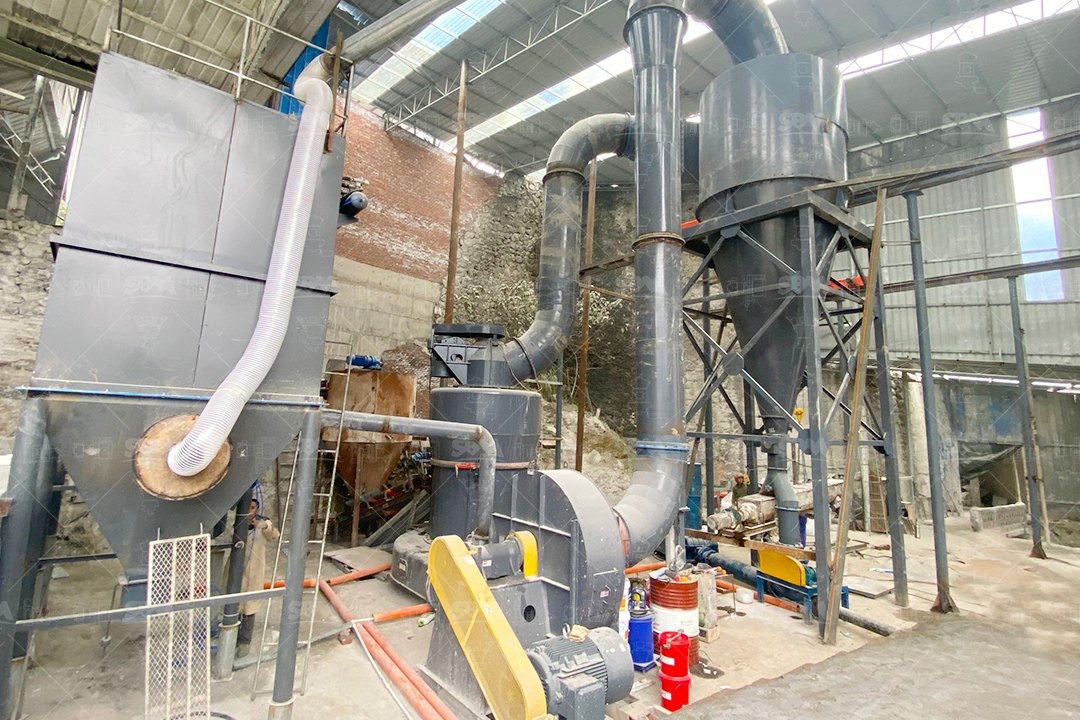
SBM Machinery offers complete grinding systems tailored to bauxite applications. The MTW series features arc air ducts to avoid air energy loss, while the LM mill’s automatic control reduces labor costs. For ultrafine bauxite powders (e.g., for polymers or cosmetics), the SCM mill uses vertical turbine classifiers to prevent coarse powder spillover. All equipment integrates drying, pulverizing, and powder selection, ensuring clients avoid the pain point of multiple-unit procurement. With installations in over 180 countries, SBM’s mills are backed by decades of R&D and customer feedback from 9,500+ operators, making them the preferred choice in global powder processing.
FAQ (Frequently Asked Questions)
- Q: Why do my bauxite grinding mills wear out so quickly?
A: High wear is often due to abrasive impurities like silica. SBM’s mills feature wear-resistant components—e.g., the MTW’s combined-type shovel blade requires only blade replacement, and the LM mill’s rollers and grinding plates are made of high-quality materials that never directly contact the table, extending service life. - Q: How can I achieve ultrafine bauxite powder (above 1000 mesh) without high energy costs?
A: SCM Ultrafine Mill offers 30% lower energy consumption than jet mills and handles D97 ≤ 5μm. For higher throughput, the LUM Ultrafine Vertical Mill delivers 10-70 tph with multi-rotor classifiers for precise fineness control. - Q: My current ball mill is too noisy and causes dust problems. What alternatives exist?
A: SBM’s LM Vertical Roller Mill operates under negative pressure with full sealing, reducing noise and dust spillover. The SCM mill also includes an optimized sound insulation room and double powder collection system, exceeding environmental standards. - Q: I need to process bauxite with high moisture content. Can your equipment dry it simultaneously?
A: Yes. The LM Vertical Roller Mill integrates drying, grinding, and powder selection, making it ideal for moist bauxite. The arc air duct in MTW mills also improves transportation efficiency in humid conditions. - Q: How do I reduce operational costs in bauxite grinding but still increase output?
A: SBM mills feature low comprehensive investment (LM mill uses 50% less floor space) and 30-40% lower energy consumption than ball mills. The MTW’s cone gear transmission saves space and costs, while the automatic control system reduces labor expenses.


