

Utilization approaches for waste marble
Waste marble — a by-product of marble quarrying, cutting and polishing — has long been considered an environmental burden. Landfills fill with millions of tons of marble sludge and scraps each year, while dust from processing plants creates air quality and disposal challenges. However, recent advances in size reduction technology have transformed this waste stream into a valuable raw material for multiple industries. By applying modern grinding equipment such as vertical roller mills, ultrafine mills and European trapezium mills, marble waste can be processed into fine powders used as fillers in plastics, rubber, paint, adhesives, paper and construction materials. This article explores proven utilization approaches for waste marble, focusing on mechanical processing solutions that deliver consistent particle size, low energy consumption and high throughput. Drawing on over 30 years of field expertise and feedback from more than 9,500 customers worldwide, we present a practical framework for converting marble waste into market-ready products while addressing common operational pain points like wear costs, dust control and system stability.
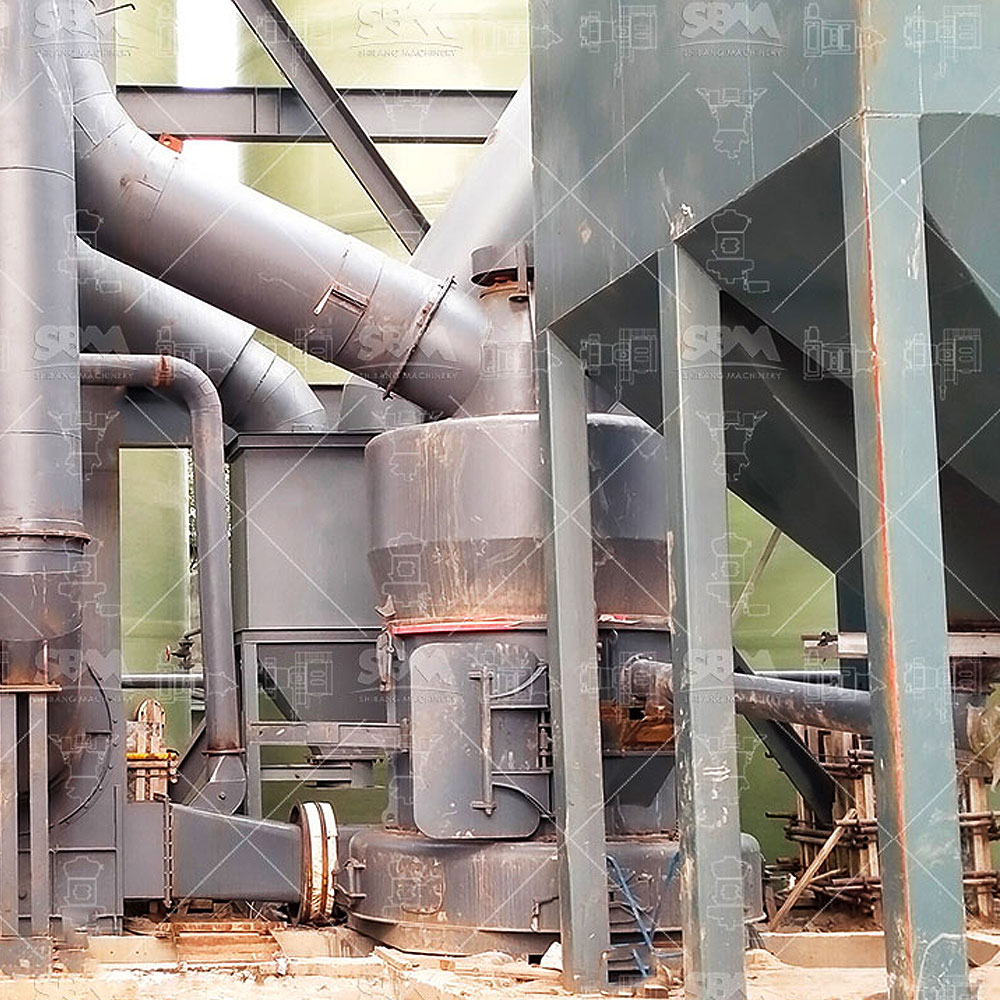
Understanding the waste marble challenge
Marble processing generates three primary waste forms: large offcuts (0–50 mm), fine sludge (typically < 1 mm) and dust captured by filtration systems. Traditional disposal methods — landfilling, open dumping or road base filling — offer low economic return and incur rising environmental compliance costs. The key to unlocking value lies in particle size reduction and classification. Fine marble powder (325–2500 mesh) competes directly with ground calcium carbonate (GCC) in markets where brightness, whiteness and chemical purity matter. For example, 400 mesh marble powder finds use as a filler in joint compounds and adhesives, while 1250 mesh grades serve PVC pipe, cable and masterbatch applications. Ultrafine grades down to 5 microns open doors to high-end paints, sealants and cosmetic formulations.
Grinding equipment selection for marble waste
Choosing the right mill depends on feed size, target fineness, capacity requirements and moisture content. Below we break down the most effective machine types based on commercial operation data.
LM vertical roller mill – high capacity, dry processing
For operations processing 3–400 tph with feed size up to 50 mm, the LM vertical roller mill delivers integrated drying, grinding and classification in one system. Its compact layout occupies about 50% of the floor space of a ball mill system, reducing civil construction costs. The grinding rollers do not contact the grinding plate directly, which minimizes metal-on-metal wear — a common frustration for operators processing abrasive marble. The mill operates under negative pressure with full sealing, preventing dust leakage and meeting strict emission standards. An expert automatic control system allows remote and local switching, cutting labor costs. For waste marble with residual moisture up to 15%, the integrated drying function eliminates the need for a separate dryer, lowering total investment.
SCM ultrafine mill – high fineness, low energy
When the target is D97 ≤ 5 μm (approx. 2500 mesh) for premium filler applications, the SCM ultrafine mill is the preferred choice. Its capacity ranges from 0.5 to 25 tph with feed size limited to 20 mm. The mill consumes 30% less energy than jet mills while achieving double the throughput. A vertical turbine classifier provides sharp particle cut-off with no coarse powder leakage — a critical quality requirement for masterbatch and plastic compounders. The grinding chamber uses heavy rotor design with special alloy rollers and rings that extend service life several times. An optimized sound insulation room and muffler reduce noise spread, addressing common complaints about mill noise in populated areas.
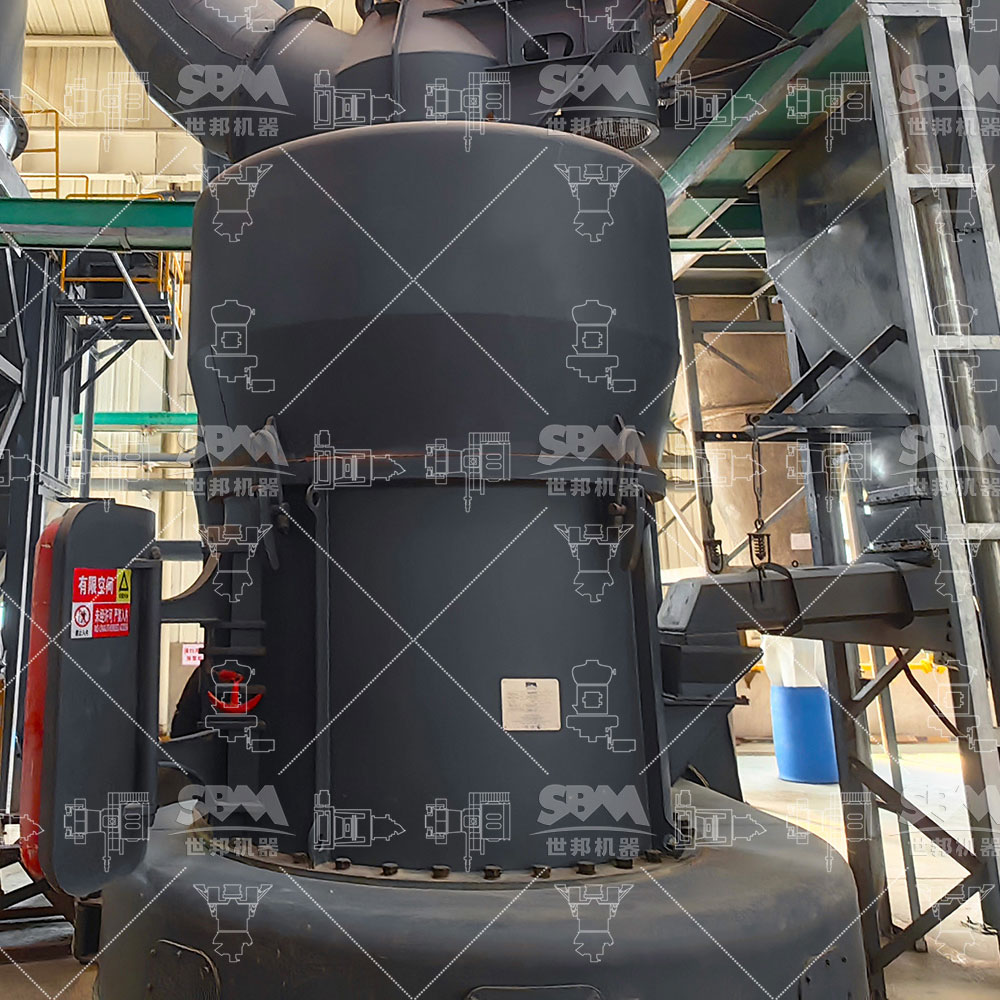
MTW European trapezium mill – mid-range fineness, proven reliability
For customers needing 30–400 mesh (0.5–0.04 mm) at 3–40 tph with feed up to 50 mm, the MTW series offers a time-tested solution. Its cone gear whole transmission achieves higher efficiency and saves space compared to traditional Raymond mills. The arc air duct design minimizes air energy loss, improving transport efficiency — particularly important when handling fine marble dust that tends to settle in ductwork. The combined-type shovel blade allows replacement of only the blade tip during maintenance, cutting wear part costs by up to 40% based on user feedback. The volute design improves wind-driven material flow inside the mill chamber, reducing blockage risks that plague operators processing sticky or moist feed.
Ball mill modification – when existing equipment must be used
Many operations already own ball mills and seek to upgrade rather than replace. Our optimized ball mill design uses new wear-resistant materials that extend liner and media life by 30–50%. Dry ball milling is suitable for marble waste with moisture below 1%, producing 0.2–0.074 mm (80–200 mesh) powders commonly used in asphalt filler and agricultural lime. Wet ball milling serves mineral dressing applications where slurry is acceptable. The main drawback remains higher energy consumption (30–40% more than vertical roller mills) and larger floor footprint.
Practical utilization routes by industry
- Building materials: 200–400 mesh marble powder replaces up to 20% of cement in mortar and concrete, improving workability while reducing carbon footprint. The fine particle shape — more angular than natural sand — enhances mechanical interlock.
- Plastics & masterbatch: 1250–2500 mesh coated marble powder acts as a functional filler in PVC pipes, profiles and cable compounds. Surface treatment with stearic acid improves dispersion and reduces melt viscosity.
- Paints & coatings: Ultrafine marble (D97 ≤ 10 μm) provides matting and bulking properties in interior wall paints, replacing more expensive calcined kaolin. Whiteness above 92% is achievable from selected white marble sources.
- Paper: 325–800 mesh marble powder serves as a coating pigment and filler in paperboard and packaging grades. The low abrasion property (Mohs hardness 3–4) extends doctor blade life in coating processes.
- Agriculture: Coarse marble (< 2 mm) neutralizes soil acidity more slowly than lime, providing sustained pH adjustment over multiple growing seasons.
Addressing common operational pain points
Operators converting waste marble face five recurring issues. First, high wear costs: marble contains quartz impurities that accelerate grinding element wear. The LM mill’s non-contact roller design and MTW mill’s replaceable blade tips directly address this. Second, dust control: the negative pressure system used in all our mills, combined with pulse dust collectors, keeps emissions below 10 mg/Nm³. Third, energy cost: the SCM ultrafine mill consumes 30% less energy per ton than jet mills, while the LM mill cuts power by 30–40% versus ball mills. Fourth, product consistency: automatic frequency control on classifier rotors maintains D97 variation within ±2% across shifts. Fifth, system footprint: for space-constrained retrofit projects, the vertical mill’s outdoor installation capability and 50% floor space reduction are decisive advantages.
Conclusion
Waste marble is no longer a disposal problem — it is a business opportunity. By selecting the appropriate grinding technology based on feed characteristics, target market and production scale, processors can convert an environmental liability into a revenue stream. The equipment configurations described above — from high-capacity LM vertical mills to precision SCM ultrafine mills — have been proven in over 180 countries for similar carbonate materials. Proper system design, including feed pre-screening, metal detection and downstream classification, ensures consistent quality that meets the strictest industry specifications.
FAQ
- Q: My marble waste has 10–15% moisture. Do I need a separate dryer before grinding?
- A: Not if you use an LM vertical roller mill. Its integrated drying function uses hot gas from a furnace or waste heat source to dry and grind simultaneously, eliminating the dryer capital cost and reducing system complexity. For other mill types, a pre-dryer may be needed if moisture exceeds 3–5%.
- Q: How often must I replace wear parts when grinding marble with the MTW trapezium mill?
- A: Based on operations with typical marble (Mohs 3–4), the combined shovel blade tips need replacement every 800–1200 operating hours, while rollers and rings last 3000–5000 hours depending on quartz content. The replaceable blade design reduces replacement cost compared to traditional Raymond mills that require full shovel replacement.
- Q: Can I achieve 1500 mesh from 0–50 mm feed in one pass without pre-crushing?
- A: For consistent D97 ≤ 10 μm, we recommend feeding material below 20 mm. The SCM ultrafine mill accepts up to 20 mm feed and can reach 1500–2500 mesh in one pass. Larger feed (0–50 mm) should go through the MTW or LM mill first to produce a 100–200 mesh intermediate, then to the ultrafine mill for final grinding.
- Q: My ball mill produces too much noise and dust. Can I retrofit it to meet environmental standards?
- A: Retrofitting a ball mill with acoustic enclosures and a central dust collection system is possible, but the mill body itself remains a noise source. We typically recommend replacing the ball mill with a vertical roller mill for new capacity. The LM mill operates at 75–85 dB(A) versus 95–105 dB(A) for ball mills, and its sealed negative pressure system eliminates dust spillage.
- Q: What is the minimum throughput you recommend for a profitable waste marble grinding operation?
- A: This depends on local raw material cost, energy price and product selling price. Generally, a minimum of 5 tph with the MTW mill or 10 tph with the LM mill provides attractive payback periods of 18–30 months for most markets. Smaller operations (0.5–3 tph) using the SCM ultrafine mill can be profitable when targeting high-value ultrafine markets such as cosmetic fillers or specialty coatings.


