

Application of vertical roller mill in barite processing
Published: October 15, 2023
Vertical roller mills (VRMs) have emerged as a transformative solution in barite processing, addressing the industry's persistent challenges of high energy consumption, low output, and inconsistent product fineness. As a total solution provider for grinding equipment, Shanghai SBM Machinery Equipment Co., Ltd. (SBM Machinery) offers a comprehensive range of mills—including the LM Vertical Roller Mill, MTW European Trapezium Mill, SCM Ultrafine Mill, LUM Ultrafine Vertical Mill, and Ball Mill—each tailored to specific barite grinding requirements. The LM Vertical Roller Mill, in particular, stands out for its ability to integrate drying, pulverizing, and powder selection in a single unit, achieving capacities up to 400 tph and fineness ranging from 30 to 400 mesh. This article explores the application of vertical roller mills in barite processing, highlighting technical advantages, operational benefits, and how SBM's engineering expertise overcomes common pain points such as high wear costs, inadequate fineness control, and environmental compliance. With over 180 countries served, SBM's grinding equipment is the preferred choice for global barite processors seeking efficiency, reliability, and reduced total cost of ownership.
Introduction to Barite Processing Challenges
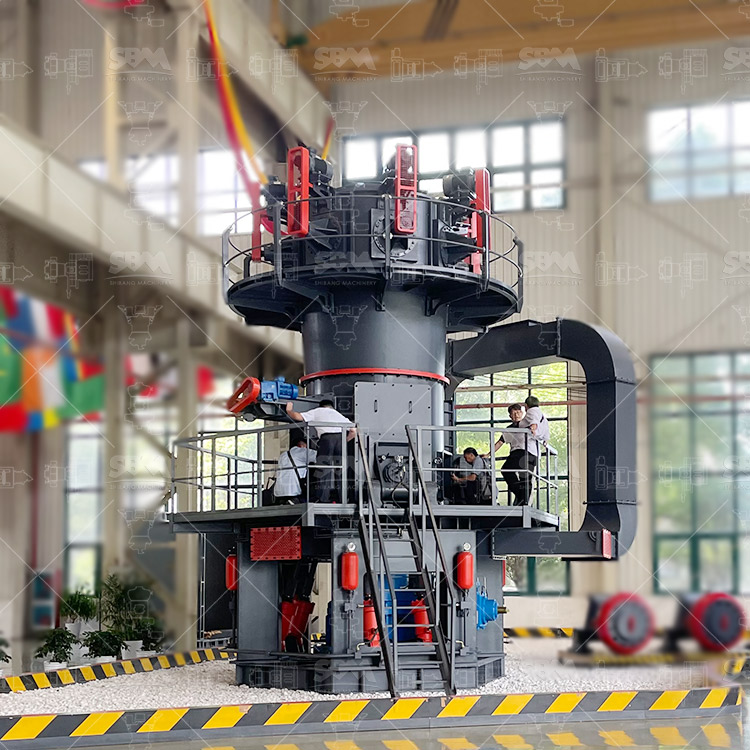
Barite, a barium sulfate mineral widely used in oil and gas drilling, paints, and medical industries, requires precise grinding to achieve specific particle sizes. Traditional ball mills, while mature in technology, often suffer from high energy consumption (30-40% higher than VRMs), rapid wear of metal balls, and large floor space requirements. Operators also face difficulties in maintaining consistent fineness, especially when processing barite with variable hardness. The LM Vertical Roller Mill from SBM directly addresses these issues with its unique design: the grinding roller does not contact the grinding plate directly, reducing wear and extending service life. Additionally, its compact layout occupies about 50% less space than a ball mill system, making it ideal for plants with limited footprint.
Technical Advantages of SBM Vertical Roller Mill for Barite
Small Comprehensive Investment
The LM Vertical Roller Mill integrates crushing, drying, grinding, powder separation, and transportation into a single system. This eliminates the need for multiple separate units, reducing both capital expenditure and installation complexity. For barite processors, this means lower upfront investment and faster commissioning. The outdoor installation capability further cuts civil construction costs.
Low Operating Costs
Barite is an abrasive mineral, and conventional mills often require frequent replacement of grinding media. The LM mill's rollers and grinding plate are made of high-quality wear-resistant materials, and the non-contact operation minimizes abrasion. Energy consumption is 30-40% lower than ball milling systems, directly reducing electricity bills. The unique wear-proof perching knife design, featuring combined-type shovel blades, allows only the blade to be replaced during maintenance, lowering spare parts costs.
Automatic Control System
SBM's expert automatic control system enables remote or local operation, with free switching between modes. This is critical for barite plants that run 24/7, as it reduces labor dependency and ensures stable product quality. The system automatically adjusts grinding pressure and classifier speed based on feed characteristics, compensating for variations in barite hardness or moisture content.
High Environmental Protection Standard
Barite processing often generates fine dust, posing health and regulatory risks. The LM mill operates under negative pressure with a fully sealed system, preventing dust spillover. Noise levels are low due to stable, vibration-free operation. This meets stringent environmental standards worldwide, including those in regions with strict emission limits.
Comparison with Other SBM Mills for Barite
While the LM Vertical Roller Mill is ideal for bulk barite grinding (3-400 tph, 30-400 mesh), other SBM mills serve specialized needs:
- MTW European Trapezium Mill (MTW Raymond Mill): Best for medium-capacity barite processing (3-40 tph, 30-400 mesh). Its cone gear whole transmission and arc air duct design ensure high efficiency and low energy loss. The volute design improves wind-driven transmission, reducing maintenance costs. This mill is a cost-effective choice for small to medium-scale barite producers.
- SCM Ultrafine Mill: Designed for ultra-fine barite powder (325-4000 mesh, 0.5-25 tph). It achieves D97≤5μm, ideal for high-value applications like plastics and rubber fillers. Its heavy rotor design and tight test method ensure durability and vibration-free operation, while the double powder collecting method meets ultra-low emission standards.
- LUM Ultrafine Vertical Mill: Combines Taiwan grinding roller technology and German powder separation technology for superfine barite grinding (10-70 tph, 325-4000 mesh). It excels in industries like PVC and artificial stone, where product purity and consistency are paramount. The PLC-based intelligent control system ensures precise fineness customization.
- Ball Mill: Although older technology, SBM's optimized ball mill with improved structure and materials reduces spare parts cost. It suits barite processing where wet grinding is required, common in mineral dressing. However, for dry barite grinding, VRMs are generally preferred due to lower energy and wear costs.
Case Study: Improving Barite Yield with LM Mill
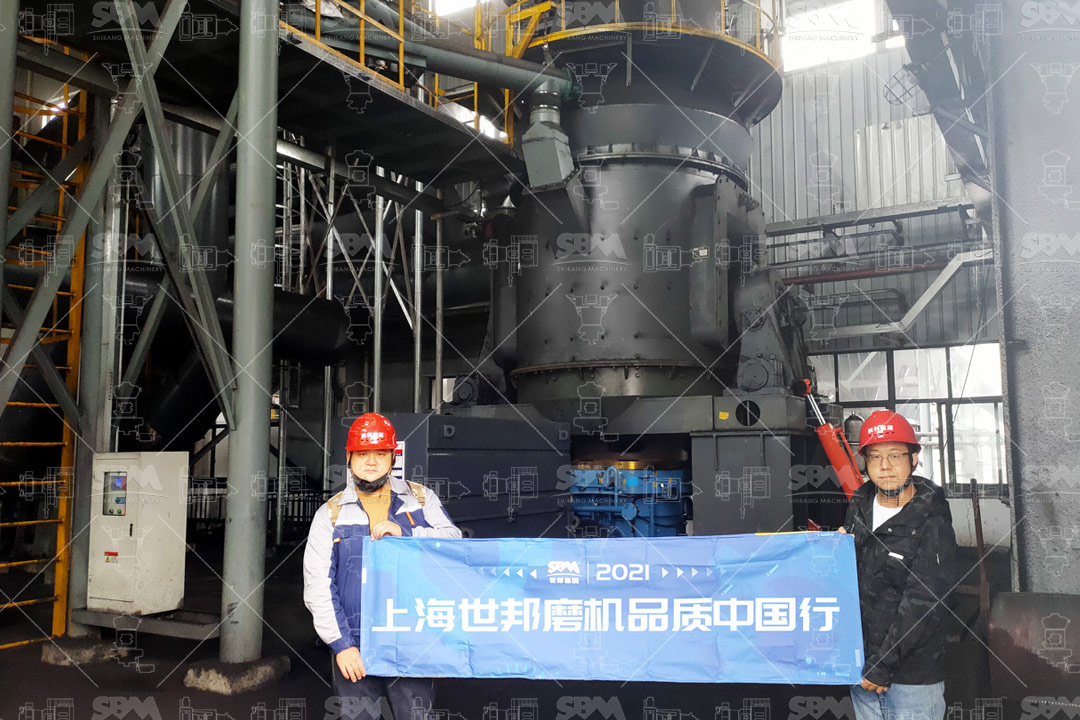
A barite processing plant in the Middle East reported a 25% increase in throughput after switching from a traditional ball mill to an SBM LM Vertical Roller Mill. The plant had been facing high energy bills (up to 35% of operating costs) and frequent downtime due to ball wear. With the LM mill, energy consumption dropped by 33%, and the roller service life exceeded 8,000 hours. The automatic control system enabled the plant to produce 325-mesh barite powder with less than 5% variation in fineness, meeting the strict requirements of drilling fluid manufacturers. The sealed operation also eliminated dust complaints from neighboring communities, allowing the plant to expand capacity without environmental fines.
Conclusion: SBM as Your Barite Processing Partner
Choosing the right grinding mill is critical for barite processing profitability. SBM's vertical roller mills, backed by decades of R&D and feedback from over 9,500 customers, offer a comprehensive solution to common pain points: high energy consumption, wear costs, fineness inconsistency, and environmental compliance. From the high-capacity LM mill to the precision SCM ultrafine mill, SBM provides equipment that reduces total cost of ownership while maximizing yield. With service in over 180 countries, SBM delivers not just machines but complete grinding systems tailored to your specific barite ore characteristics and production goals. Contact our engineers to discuss a customized solution for your barite processing needs.
Frequently Asked Questions (FAQ)
Q1: What is the typical energy saving when using a vertical roller mill for barite compared to a ball mill?
Energy savings typically range from 30% to 40%, depending on feed size and desired fineness. The LM vertical roller mill's direct grinding mechanism and efficient transmission reduce power consumption significantly.
Q2: How does SBM's vertical roller mill handle barite with high moisture content?
The LM mill integrates a drying function, allowing it to handle barite with moisture up to 10% without pre-drying. Hot air from the system simultaneously dries and grinds the material, ensuring consistent throughput.
Q3: Can the LM vertical roller mill produce barite powder for oil drilling applications (e.g., 200-325 mesh)?
Yes, the LM mill can adjust output fineness from 30 to 400 mesh via classifier speed control. For oil drilling, 200-325 mesh powder is commonly produced with high consistency, meeting API specifications.
Q4: What are the common wear parts in a vertical roller mill for barite, and how often do they need replacement?
The main wear parts are the grinding roller, grinding plate, and shovel blade. In barite processing, the roller and plate typically last 6,000-10,000 hours due to special materials and non-contact operation. The combined-type shovel blade only requires blade replacement, reducing costs.
Q5: Is the SBM vertical roller mill suitable for small-scale barite processing plants with limited space?
Absolutely. The LM vertical roller mill has a compact design, occupying about 50% less space than a ball mill system. It can be installed outdoors, making it ideal for small plants or expansions where space is constrained.


