

Deep processing technology of limestone and industry application prospects
Published on: October 26, 2023
Limestone, as one of the most abundant and versatile mineral resources on the planet, has seen its deep processing technology evolve dramatically over the past decade. The transformation from simple crushing and screening to sophisticated grinding and ultrafine classification has unlocked new value chains across industries. For plant operators and project investors, the core challenges remain consistent: achieving higher fineness with lower energy consumption, reducing operational downtime caused by wear parts, and ensuring product consistency for demanding applications like desulfurization, GCC production, and new energy materials. This article provides a comprehensive overview of modern limestone deep processing technologies, examines the industrial application landscape, and offers actionable insights for decision-makers looking to optimize their grinding operations.
The Evolution of Limestone Grinding Technology
Traditional limestone processing relied heavily on ball mills and Raymond mills. While these technologies served the industry for decades, they come with inherent limitations. Ball mills suffer from high energy consumption and excessive wear of grinding media, often requiring frequent replacement of metal balls. Raymond mills, while more efficient than ball mills for certain applications, struggle to achieve the ultrafine fineness demanded by modern industries. The market has shifted toward integrated solutions that combine drying, grinding, classification, and conveying in a single system.
Key Technologies in Limestone Deep Processing
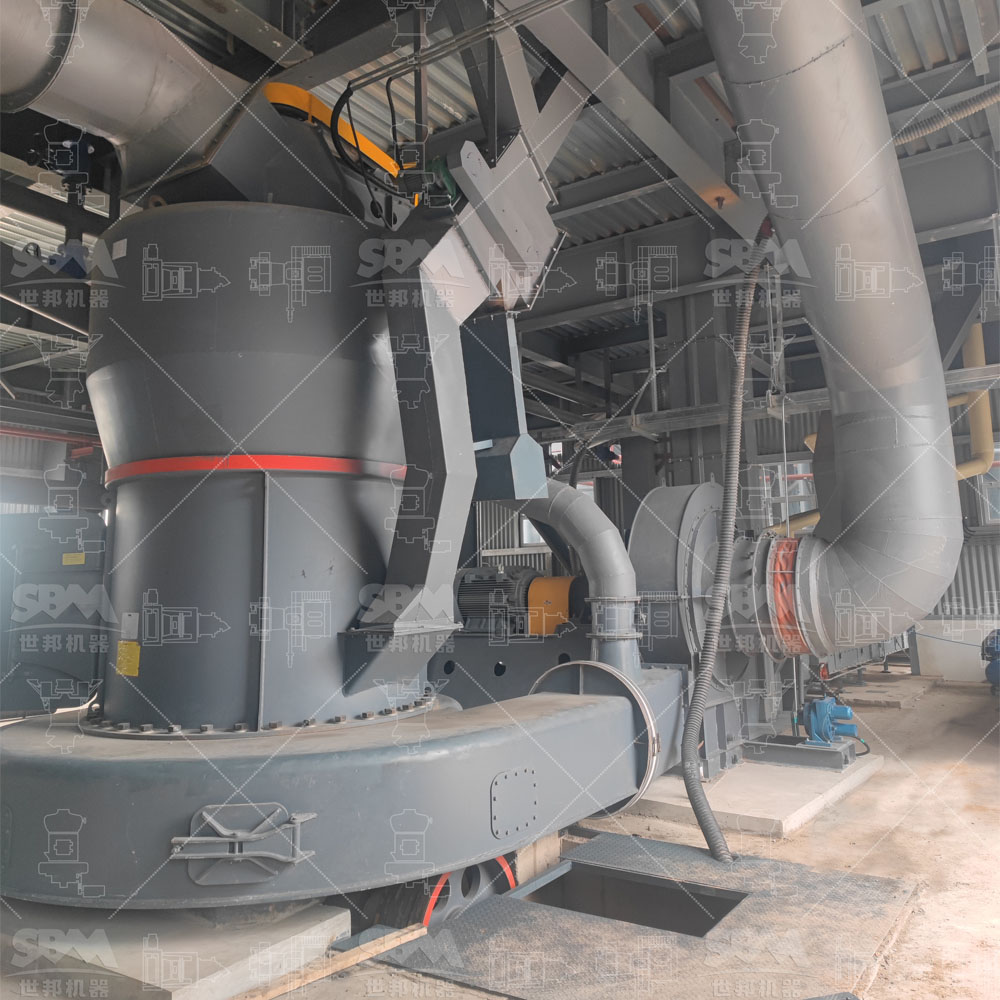
European Trapezium Mill (MTW Series)
The MTW Series represents a significant leap over traditional Raymond mills. Its cone gear whole transmission eliminates the need for separate transmission components, reducing space requirements and improving efficiency. The arc air duct design ensures minimal air energy loss, while the combined-type shovel blade reduces maintenance costs by allowing replacement of only the blade rather than the entire assembly. With input sizes up to 50mm and output fineness ranging from 30 to 400 mesh, this mill is ideal for medium-scale limestone powder production in the 3-40 tph range. It is particularly suited for desulfurization limestone preparation where consistent fineness and reliability are critical.
LM Vertical Roller Mill
For large-scale operations, the LM Vertical Roller Mill offers unmatched advantages. It integrates crushing, drying, grinding, and powder separation into one unit, reducing floor space by approximately 50% compared to ball mill systems. The grinding rollers and grinding plate do not make direct contact, significantly extending service life. Energy savings of 30-40% over ball mills make this technology compelling for power plants and cement producers. The automatic control system enables remote operation, reducing labor costs. With capacity ranging from 3 to 400 tph, it is the preferred choice for bulk limestone processing in building materials and metallurgy.
SCM Ultrafine Mill
When the application demands exceptional fineness, the SCM Ultrafine Mill delivers. Capable of achieving D97≤5μm with a single pass, this mill supports adjustable fineness from 325 to 2500 mesh. The vertical turbine powder classifier ensures precise particle size distribution without coarse powder spillover. With energy consumption 30% lower than jet mills but capacity more than double, this technology is essential for high-value applications such as PVC filler production, artificial stone, and high-grade paper coating. The double pulse dust collection system ensures compliance with stringent environmental standards.
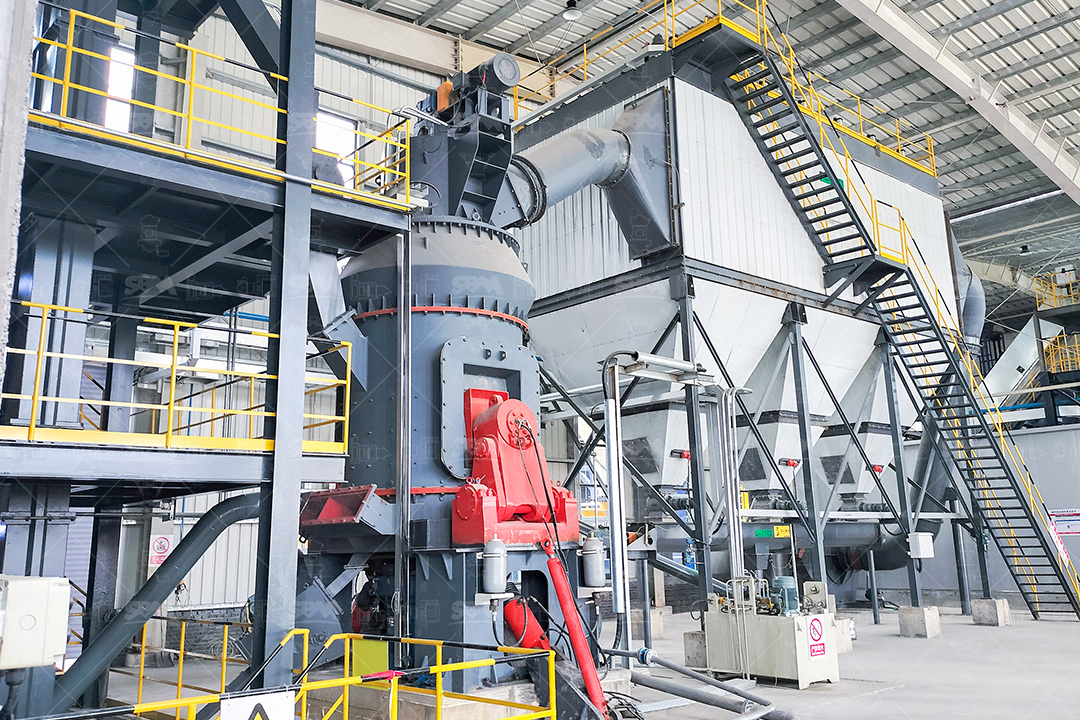
LUM Ultrafine Vertical Mill
Combining Taiwan grinding roller technology with German classification technology, the LUM series represents the pinnacle of ultrafine grinding efficiency. It is specifically designed for non-metallic minerals like calcite, marble, and limestone in industries requiring ultra-high purity and consistent particle morphology. The multi-rotor classifier enables customized fineness selection, while the PLC/DCS control system ensures stable operation with minimal vibration. This mill is the go-to solution for plastic masterbatch and new energy material processing.
Industry Application Prospects
The demand for finely processed limestone continues to expand across diverse sectors. In environmental desulfurization, limestone powder with a fineness of 250 mesh or finer is essential for efficient SO2 removal in coal-fired power plants. The growing emphasis on emission reduction globally directly drives investment in high-capacity grinding systems. For the construction industry, GCC (ground calcium carbonate) production requires consistent quality and high brightness, achievable only with advanced classification technology. The rise of new energy materials, including lithium battery separators and photovoltaic components, creates new demand for ultrafine limestone with particle sizes below 5 microns. Additionally, the plastics and rubber industries increasingly rely on limestone as a functional filler rather than just an extender, requiring surface treatment and precise particle engineering.
Addressing Customer Pain Points
Clients frequently report concerns about unpredictable wear parts replacement schedules and high energy bills. Modern mills address these through intelligent monitoring and the use of high-durability materials such as special alloy rollers and rings. Another common issue is the inability to maintain product quality consistency over long production runs; advanced classifiers with frequency-conversion control solve this by maintaining precise rotor speeds regardless of feed variations. For clients operating in remote locations, the integrated control systems that enable remote monitoring and troubleshooting are a significant advantage, reducing the need for on-site technical staff. Lastly, environmental compliance remains a top priority; sealed systems operating under negative pressure with efficient dust collection ensure emission levels meet international standards.
Conclusion
Deep processing of limestone is no longer a commodity operation but a strategic capability that defines competitive advantage in multiple industries. The shift toward integrated, intelligent, and energy-efficient grinding solutions is irreversible. Equipment suppliers who combine robust mechanical design with advanced automation and material science will lead the market. For investors and operators, selecting the right technology based on specific capacity requirements, target fineness, and material characteristics is the foundation of a successful project.
FAQ
1. How can I reduce energy consumption in my existing limestone grinding operation?
Upgrading to a vertical roller mill or a modern trapezium mill can reduce energy consumption by 30-40% compared to traditional ball mills. Additionally, incorporating an arc air duct design and a cone gear transmission system minimizes mechanical and aerodynamic energy losses.
2. What causes inconsistent fineness in my limestone powder and how to fix it?
Inconsistent fineness is often due to wear on the classifier rotor blades or fluctuations in feed rate. Retrofitting a vertical turbine classifier with frequency-conversion control allows you to maintain constant rotor speed and particle cut size. Regular inspection and replacement of blade tips also help maintain consistency.
3. How do I handle frequent downtime caused by worn grinding rollers and rings?
Consider switching to equipment with combined-type shovel blades that allow replacement of only the blade portion rather than the entire assembly. Mills with non-contact roller and grinding plate designs, such as vertical roller mills, experience significantly less wear. Using high-durability materials for rollers and rings can extend service life several times over standard components.
4. What is the best grinding solution for producing ultrafine limestone for new energy applications?
For ultrafine requirements, the LUM Ultrafine Vertical Mill or SCM Ultrafine Mill are top choices. They achieve D97≤5μm with high efficiency and feature multi-rotor classifiers for precise particle size control. These mills also provide the low contamination levels needed for battery-grade materials.
5. Can I automate my limestone grinding plant to reduce labor costs?
Yes, modern grinding systems such as the LM Vertical Roller Mill and LUM series come with PLC/DCS automatic control systems that enable remote operation, real-time monitoring, and automatic adjustment of grinding pressure and classifier speed. This reduces the need for on-site operators and increases overall plant efficiency.


