

Are carbon materials and petroleum coke the same thing?
Published: May 15, 2025
Summary: Carbon materials and petroleum coke are often conflated in industrial discussions, but they are fundamentally different in origin, structure, and application. Petroleum coke (petcoke) is a specific byproduct of oil refining, while carbon materials encompass a broad family including graphite, activated carbon, carbon black, and calcined coke, each with distinct properties. This article clarifies the technical distinctions, explores how each is processed in grinding systems, and addresses common operational challenges. Drawing on expertise from powder processing solutions (such as those offered by SBM Machinery), we explain why choosing the right milling equipment—whether an MTW trapezium mill, LM vertical roller mill, or LUM ultrafine vertical mill—hinges on understanding these differences. We also provide practical answers to frequent customer concerns, from handling high volatility in petcoke to achieving ultra-fine carbon powders.
1. Introduction: The Terminology Trap in Industrial Powders
In the world of mineral processing and powder engineering, few terms cause as much confusion as “carbon materials” and “petroleum coke.” To a novice, both appear as black, carbon-rich solids used in fuel or as raw inputs for industrial processes. But to a plant manager or a procurement specialist, the distinction is a matter of cost, safety, and end-product quality. Petroleum coke is a specific feedstock derived from delayed coking or fluid coking units in refineries. Carbon materials, however, refer to a diverse category that includes graphite, carbon black, activated carbon, carbon fibers, and synthetic or natural graphitic forms. The overlap arises because petcoke, especially after calcination, becomes a precursor for carbon materials like anode-grade graphite used in aluminum smelting or lithium-ion batteries.
This article aims to untangle these concepts. We will not only define them chemically but also examine how they behave in grinding circuits—a pivotal step for downstream use. Because petcoke is notoriously abrasive and often high in sulfur and volatile matter, it demands rugged equipment like the LM vertical roller mill. Meanwhile, high-purity carbon materials, such as those used in battery applications, require ultra-fine classifiers like the SCM ultrafine mill. Our discussion will integrate these practical considerations, referencing equipment design principles that have proven effective across 180 countries.
2. What Exactly Is Petroleum Coke?
Petroleum coke is a solid carbonaceous material produced during the thermal cracking of heavy residual oils in petroleum refineries. It is essentially the “end of the barrel” product after lighter fractions like gasoline, diesel, and jet fuel have been distilled. There are two main types: fuel-grade petcoke (high sulfur, used for power generation and cement kilns) and calcined petcoke (heated to remove moisture and volatiles, yielding nearly pure carbon, used for anodes in aluminum production and as a carbon raiser in steelmaking).
Typical characteristics include low ash content (0.1–0.5%), high fixed carbon (80–99%), and variable volatility depending on the coking process. Raw petcoke can have a spongy, needle-like, or shot-like morphology, which directly affects its grindability. For instance, needle coke, prized for its high electrical conductivity and low thermal expansion, requires careful milling to preserve its anisotropic structure. Grinding petcoke is challenging because of its abrasiveness (Hardgrove Grindability Index often between 30 and 70) and its tendency to generate heat and fines that can lead to dust explosions. The MTW European Trapezium Mill, with its cone gear whole transmission and wear-resistant components, is frequently selected for such tasks because it minimizes operational wear and energy consumption, as demonstrated in SBM’s technical specifications.
3. Carbon Materials: A Broader Family
When we say “carbon materials,” we are referring to any substance primarily composed of carbon in a non-molecular, solid form. This includes:
- Graphite – a crystalline form with layered hexagonal structure, used in lubricants, refractories, and battery anodes.
- Carbon Black – a finely divided amorphous carbon produced by incomplete combustion of hydrocarbons, used in rubber reinforcement and pigments.
- Activated Carbon – highly porous carbon with a massive surface area for adsorption in water treatment and air purification.
- Calcined Coke – a carbon material derived from green petroleum coke after thermal treatment, but distinct from raw coke.
- Carbon Fibers and Carbon Nanotubes – advanced materials with exceptional strength-to-weight ratios.
The key point is that while all petroleum coke is a carbon material, not all carbon materials are petroleum coke. Natural graphite, for example, is mined from metamorphic rocks and requires a completely different beneficiation approach (often involving flotation and acid leaching). Synthetic graphite is produced by heating carbon precursors to temperatures above 2500°C, which is an energy-intensive process. Understanding these distinctions helps engineers decide on grinding parameters. For instance, graphite is soft and platy, so a ball mill might cause over-grinding and destroy its crystal structure; instead, an air-swept mill with a classifier is preferable. SBM’s SCM ultrafine mill, capable of achieving fineness down to D97≤5μm, is often used for high-purity graphite powders in the lithium-ion battery industry, as noted in their product documentation.
4. Processing Differences: From Raw Feed to Functional Powder
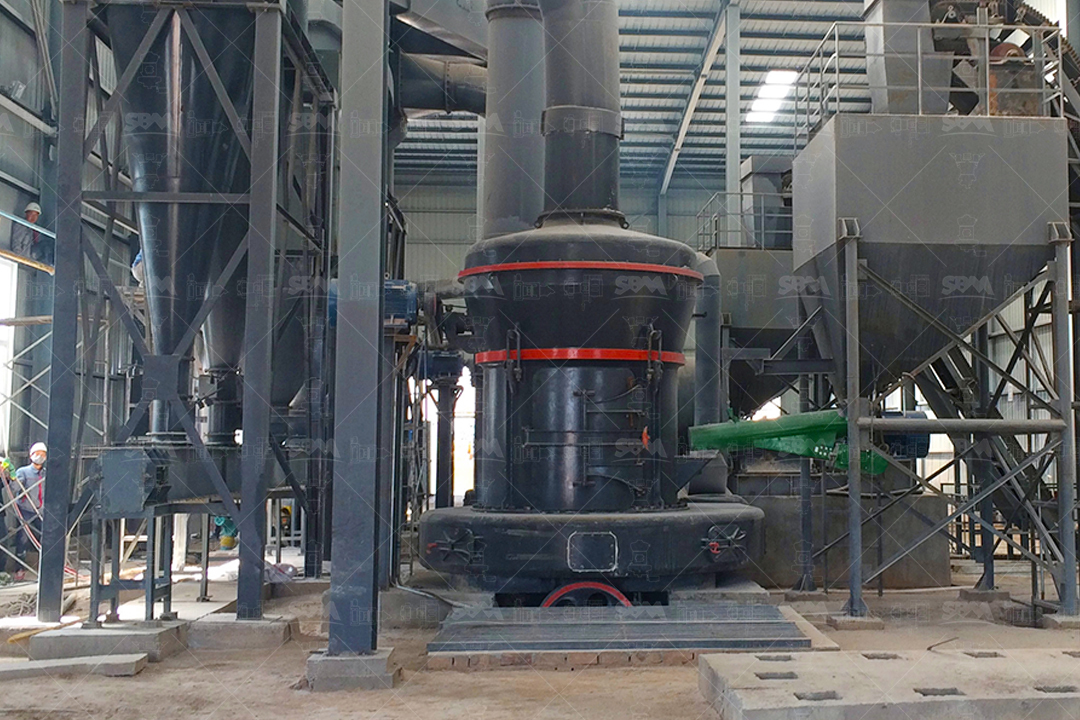
The processing pathway separates these materials further. Petroleum coke typically undergoes three stages: crushing (to <50mm), grinding (to a target mesh size, often 200–325 for fuel injection or 400 for anode paste), and sometimes calcination (at 1200–1350°C) if high-purity carbon is required. In the grinding stage, the challenge is to minimize fines generation that can lead to handling issues and to control temperature rise. The LM vertical roller mill integrates drying, grinding, and classification in one unit, making it ideal for petcoke with high moisture (up to 15%) or high volatility. Its grinding rollers do not contact the grinding disc directly, reducing wear and energy consumption by 30–40% compared to ball mills, as highlighted in SBM’s technical advantages.
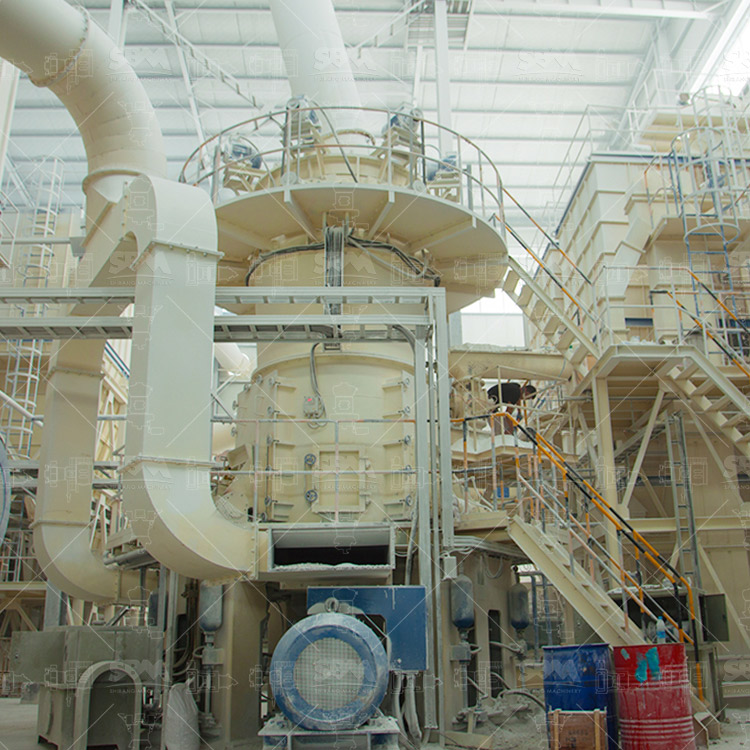
Carbon materials, on the other hand, often need ultra-fine grinding to achieve particle sizes below 10 microns for applications like conductive inks or advanced ceramics. This is where the LUM Ultrafine Vertical Mill and SCM Ultrafine Mill come into play. LUM, for example, incorporates multi-rotor classifiers capable of cut points between 325 and 4000 mesh, ensuring no coarse particles contaminate the final product. For activated carbon, which is porous and brittle, gentle milling is required to preserve pore structure—a task where the European Trapezium Mill’s curved shovel blades and arc air ducts provide a more stable material bed, preventing crushing.
5. The Core Problem: Are They Interchangeable?
In practice, some industrial users mistakenly substitute petroleum coke for other carbon materials. For example, a cement plant might grind petcoke as fuel, but if they attempt to use that same powder as a carbon additive for concrete (a common use of carbon black), the product will fail due to insufficient surface area and purity. Similarly, in aluminum production, only calcined petcoke with strict vanadium and sulfur limits can serve as an anode. Using fuel-grade petcoke would poison the electrolysis bath. Conversely, expecting graphite to serve as a fuel in a rotary kiln would be economically disastrous—graphite’s high ignition temperature makes it inefficient for combustion.
Therefore, the term “interchangeable” is misleading. They are related only in that both are carbon-rich and can be processed in similar milling equipment. The selection of a grinding system must be based on the material’s specific physical and chemical properties. For instance, if you process raw petcoke for off-gas systems, you need an explosion-proof mill with inert gas blanketing. SBM’s vertical roller mill can be equipped with such safety features, but the same configuration is unnecessary for dry, non-explosive minerals like calcite. This is why a one-size-fits-all approach to powder processing always fails.
6. Equipment Selection: A Practical Guide Based on Feed Material
| Material | Typical Fineness | Recommended Mill | Key Consideration |
|---|---|---|---|
| Raw Petcoke (fuel) | 250–400 mesh | LM vertical roller mill (3–400 tph) | Abrasion resistance, explosion venting |
| Calcined Petcoke (anode) | 200–325 mesh | MTW European trapezium mill (3–40 tph) | Low wear of grinding ring/roller |
| Natural Graphite | 325–2500 mesh | SCM ultrafine mill (0.5–25 tph) | Preserve flaky shape, avoid over-grind |
| Carbon Black | D97≤5μm | LUM ultrafine vertical mill (10–70 tph) | Sticky, poor flow; need classifier with high precision |
| Activated Carbon | 100–325 mesh | Ball mill (wet or dry) | Maintain porosity; use low-impact milling |
The table above summarizes typical matching based on SBM’s field data. Note that the LM mill’s capacity range (3–400 tph) is the broadest, making it versatile for high-throughput petcoke grinding in power plants. In contrast, the SCM mill’s 25 tph ceiling is sufficient for specialty carbon materials with high value per ton.
7. Customer Pain Points: How to Avoid Costly Mistakes
From working with clients across 180 countries, we’ve identified recurring issues. The most common is underestimated wear from petcoke. Its abrasive ash content can erode standard mill liners within months. Solution: use mills with tungsten carbide or ceramic coatings, as offered in the MTW series. Second is the difficulty in achieving consistent fineness. Petroleum coke has a wide PSD (particle size distribution) that changes with coker operating conditions. An advanced classifier with frequency-conversion control, like in the LUM mill, is essential. Third is the fire risk—petcoke dust in air creates explosive mixtures. All SBM mills have optional nitrogen-purge and CO2 suppression systems. Fourth is the mistaken assumption that dried material is safer; actually, dry fine carbon dust is more volatile. So proper ventilation and dust collection (SBM’s pulse and bag dust collectors) are non-negotiable.
For carbon materials like graphite, the complaint often revolves around contamination. Stainless steel contact surfaces are required to prevent iron contamination that degrades battery-grade anodes. SBM’s ultrafine vertical mill can be custom-built with ceramic or polymer liners to eliminate this risk, albeit at a higher capital cost. Finally, the trade-off between throughput and fineness: in carbon black production, jet mills can achieve sub-micron sizes but with high energy costs (up to 3x of a vertical mill). LUM’s grinding pressure control and multi-rotor classifier offer a balanced compromise.
8. Conclusion: Distinguishing for Better Process Design
In summary, petroleum coke and carbon materials are not the same, though they intersect in certain value chains. Petcoke is a refinery residue; carbon materials are an engineered or naturally occurring class of substances. When planning a powder processing line, start by clearly defining the end-use—fuel, reductant, anode, or adsorbent. That will dictate the required purity, surface area, and particle shape, which in turn tells you which mill technology is appropriate. Whether you need the robust LM for high-tonnage petcoke or the precision SCM for battery-grade graphite, the investment in proper equipment pays off through lower operating costs, higher product uniformity, and reduced safety risks. Always consult with process engineers who can test your specific feedstock, as SBM does in its application centers, to avoid the costly guesswork.
Frequently Asked Questions (FAQ)
Q1: Can I use my existing coal mill to grind petroleum coke?
Technically yes, but not recommended. Coal mills are designed for softer, less abrasive materials. Petcoke’s hardness and low grindability (HGI 30-70) will accelerate wear on grinding table and rollers. The LM vertical roller mill, with its high-pressure hydraulic system and wear-protected surfaces, is more suitable. If you must use a coal mill, expect a 20-30% capacity loss and shorten maintenance intervals.
Q2: How do I prevent fire and explosion when grinding carbon materials?
Three controls: first, maintain oxygen concentration below 10% using inert gas (N2 or CO2) injection. Second, ensure the mill is grounded to prevent static electricity buildup. Third, install rapid-response temperature sensors and automatic water or steam suppression. SBM’s grinding systems are available with fully sealed housings and negative-pressure operation, but you must integrate flame detectors in the cyclones and bag filters.
Q3: What is the difference in powder surface area between petcoke and activated carbon after grinding?
Even after grinding to the same mesh size, activated carbon retains a highly porous structure with specific surface area (SSA) of 800-1500 m²/g, whereas ground petcoke has a non-porous surface with SSA below 10 m²/g. Grinding does not create new porosity; it only reduces particle size. So the two materials serve completely different roles even if they look similar under a microscope.
Q4: Why does my mill struggle to produce ultra-fine graphite below 45 microns?
Graphite has a lubricious, layered structure that causes particles to slide past each other, resisting comminution. Additionally, over-grinding can cause particle agglomeration. Use a mill with classification installed inside the grinding chamber, like the SCM ultrafine mill, which separates fine particles immediately and returns coarse ones. Also, consider adding a grinding aid like triethanolamine to reduce agglomeration.
Q5: What is the max. moisture content allowed in petcoke before grinding?
The LM vertical roller mill can handle feed moisture up to 15% because hot air is used for drying during grinding. However, for the MTW trapezium mill, we recommend a pre-drying step to below 2% moisture. High moisture in petcoke causes clumping and coating on the grinding ring, leading to mill vibration and reduced output. Always consult your mill’s manual or SBM engineers for moisture thresholds.


