

Raymond mill enables deep processing of bauxite
Published on: 2025-03-21
Bauxite, as the primary source of aluminum, demands rigorous processing to meet the stringent specifications of metallurgical, refractory, and chemical industries. The deep processing of bauxite—transforming raw ore into fine, uniform powders—requires grinding equipment that combines high efficiency, low energy consumption, and exceptional product fineness. Raymond mills, particularly modern evolutions like the MTW European Trapezium Mill and SCM Ultrafine Mill, have emerged as indispensable tools in this domain. These systems offer not only superior grinding capabilities but also integrate drying, classification, and transport functions, thereby simplifying the entire process flow. This article delves into how advanced Raymond mill technology, as offered by Shanghai SBM Machinery Equipment Co., Ltd., enables the deep processing of bauxite, addressing common operational pain points such as high wear rates, low throughput, and environmental compliance. By leveraging decades of engineering expertise and global deployment across 180+ countries, SBM's grinding solutions ensure that bauxite processors achieve optimal particle size distribution, enhanced productivity, and sustainable operations. The following sections explore the technical specifications, comparative advantages, and practical applications of these mills, culminating in a FAQ section that proactively resolves typical customer concerns.
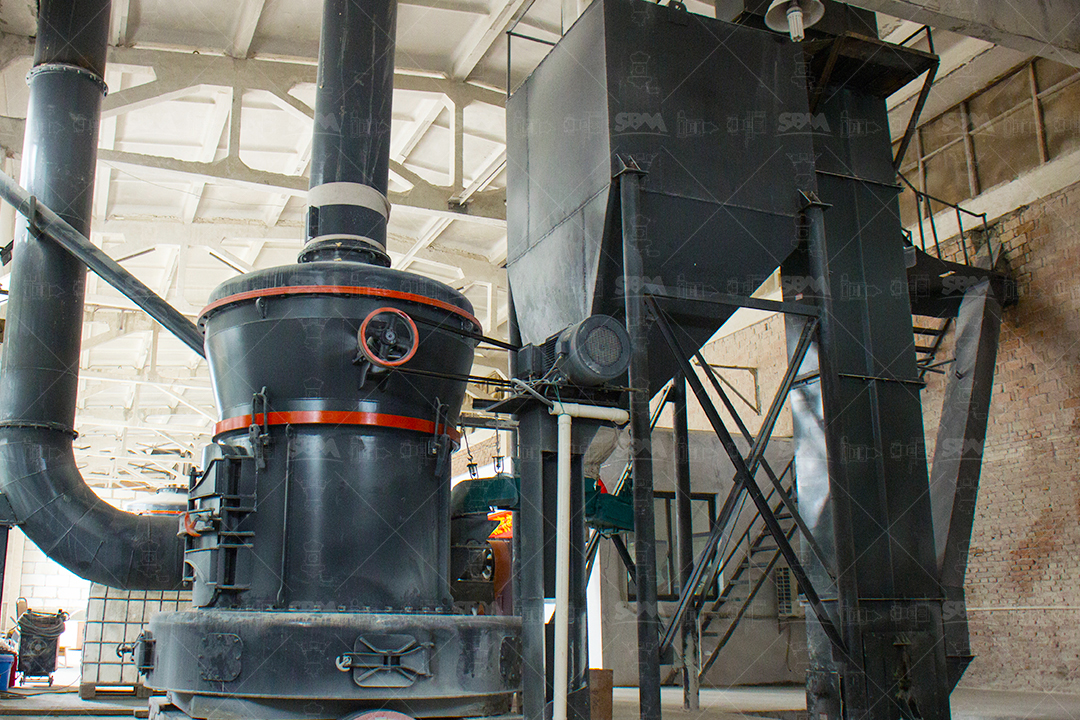
Bauxite processing begins with the liberation of alumina-bearing minerals from impurities. This is typically achieved through crushing followed by grinding. The choice of grinding mill profoundly influences the efficiency of subsequent Bayer process extraction or the quality of calcined bauxite for refractory applications. Traditional ball mills, while reliable, suffer from high energy consumption and significant metal ball wear. To overcome these limitations, SBM developed its MTW Series European Trapezium Grinding Mill (commonly referred to as MTW Raymond Mill). This next-generation mill is the culmination of extensive R&D, incorporating feedback from over 9,500 customers. Its innovative design includes a cone gear whole transmission, which ensures higher transmission efficiency and reduces space requirements compared to conventional gearboxes. Additionally, the internal oil absorption lubrication system minimizes maintenance downtime, while the arc air flue design prevents air energy loss, guaranteeing efficient material transport.
One of the standout features of the MTW Raymond Mill is its unique wear-proof perching knife design. The combined-type shovel blade reduces the cost of wearing parts—only the blade needs replacement during maintenance. Furthermore, the curved shovel blades alter the feeding angle, which prolongs the service life of the grinding roller and ring. This innovative geometry addresses a frequent customer pain point: excessive wear costs. For bauxite, which is abrasive due to its high aluminum and iron oxide content, this feature translates into substantial operational savings. The arc air duct, reinforced with high-strength guard plates, protects the working face and ensures consistent pneumatic conveying of fine powder. The volute design enhances the wind-driven transmission efficiency within the mill, further optimizing energy use and reducing upkeep costs. With an input size of 0–50mm and output fineness ranging from 30 to 400 mesh, the MTW mill offers a capacity of 3–40tph, making it ideal for medium-scale bauxite grinding operations.
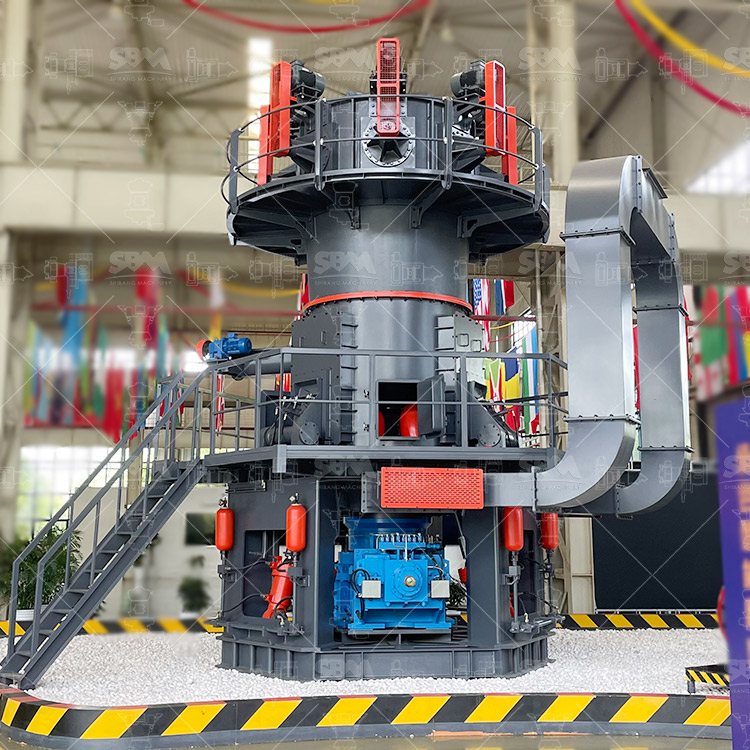
For large-scale industrial bauxite processing, the LM Vertical Roller Mill presents a robust solution. This mill is designed to address common technical issues like low output and high energy consumption found in ordinary grinding systems. The LM mill integrates drying, grinding, and powder selection into a single unit, dramatically simplifying the process flow. The compact layout occupies about 50% of the floor space used by a ball mill system, and it can be installed outdoors, which significantly reduces civil engineering investment costs. The grinding rollers do not directly contact the grinding disc, resulting in less wear and an extended equipment lifespan. The high-quality materials used for both components further enhance durability. In terms of energy efficiency, the LM mill consumes 30–40% less energy than traditional ball mills, directly addressing the pain point of high operational expenses. Its automatic control system allows seamless remote or local operation, cutting labor costs and improving process consistency. Environmentally, the mill operates under negative pressure with a fully sealed system, minimizing dust spillage and meeting stringent national emission standards. With a capacity range of 3–400tph and fineness of 30–400 mesh, the LM vertical roller mill is the preferred choice for bauxite processing plants requiring high throughput.
As the demand for finer bauxite powders grows, especially for high-value applications like calcined bauxite for refractories or as a proppant for oil and gas extraction, the SCM Series Ultrafine Grinding Mill becomes relevant. This mill is engineered to produce powders with a fineness adjustable between 325 and 2500 mesh, and in a single pass, it can achieve D97≤5μm, a leading standard in the industry. The SCM mill is designed with a high-efficiency vertical turbine powder classifier that ensures accurate particle size cut and prevents coarse powder spillover. This translates to exceptional product quality and consistency—a critical requirement for customers who face penalties for off-spec material. In terms of energy consumption, the SCM mill offers capacities more than double those of jet mills while consuming 30% less energy, a significant advantage for deep processing where energy costs are a major concern. The heavy rotor design, using specially treated roller and ring materials, delivers several times higher durability, reducing frequency of replacements. The grinding chamber has no bearing screws, ensuring stable vibration-free operation even after prolonged service. Environmentally, the dual dust collection system (using powder collectors and pulse dust collectors) achieves dust removal efficiency far above international standards. Additionally, the optimized sound insulation room and muffler effectively contain noise. This mill is ideal for processing bauxite into ultra-fine powders for specialized markets where enhanced surface area and reactivity are required.
For even higher ultrafine capacity with integrated drying and classification, the LUM Ultrafine Vertical Mill stands out. Incorporating Taiwan's grinding roller technology and Germany’s powder separating technology, this mill is specifically designed for medium-to-high-end processing of non-metallic minerals, including bauxite. The unique grinding curve design of the roller shell and lining facilitates the formation of a material bed, which boosts grinding efficiency and increases the proportion of finished products from the first pass. The multi-rotor powder classifier system enables customizing fineness within a selected range, ensuring there are no low-grade particles in the final output. This precision is vital for applications like high-grade refractories and ceramics where consistency is non-negotiable. The LUM mill uses a PLC/DCS automatic control system to precisely manage grinding pressure, disc rotation speed, and classifier speed, ensuring stable operation and minimal human intervention. The design also minimizes vibration and noise while maintaining a negative pressure, sealed system to prevent dust leakage. With capacity of 10–70tph and fineness up to 4000 mesh, this mill addresses the pain point of limited production in high-fineness grinding. For bauxite processors aiming to diversify into premium product lines, the LUM mill is a strategic investment.
While Raymond mills have evolved significantly, the traditional ball mill still finds relevance in certain bauxite processing contexts, particularly where simpler, coarse grinding is acceptable. SBM has optimized its ball mill to overcome historical drawbacks. For instance, the improved structural design and adoption of new wear-resistant materials have reduced spare part costs. Both dry and wet ball mills are offered to meet varied requirements, such as wet grinding in mineral dressing circuits. However, for the deep processing of bauxite—where fineness, energy efficiency, and environmental control are paramount—modern Raymond mills (MTW, LM, SCM, LUM) are unequivocally superior. They offer a lower total cost of ownership due to reduced wear, lower energy consumption, and higher automation. Moreover, their compact designs and integrated drying capabilities simplify plant layout and improve logistics.
In conclusion, the deep processing of bauxite is significantly enhanced by adopting contemporary Raymond mill technology from SBM. Each mill type—MTW, LM, SCM, and LUM—offers specific advantages that cater to varying production scales and fineness requirements. From energy and wear cost reductions to environmental compliance and intelligent control, these machines are built to resolve the most pressing operational pain points. By selecting the right mill configuration based on raw material characteristics and target product specifications, bauxite processors can achieve higher profitability, stable product quality, and a smaller environmental footprint. SBM's global service network and extensive experience across 180+ countries ensure that customers receive not just equipment, but a complete processing solution. Whether you are a small-scale producer or a large industrial group, leveraging these advanced milling technologies is the key to unlocking the full value of bauxite resources.
Frequently Asked Questions (FAQ)
1. My bauxite is quite abrasive and causes rapid wear on grinding parts. How does SBM's Raymond mill address this?
Our MTW and LUM mills incorporate specialized wear-resistant materials for rollers, rings, and lining plates. The MTW mill features a combined-type shovel blade with only the blade requiring replacement, and its curved blade design extends the life of the grinding components. The LUM mill uses heavy rotor design and special alloy materials, offering several times higher durability than conventional mills. These features directly reduce downtime and replacement part costs.
2. What mill do you recommend for high-capacity bauxite processing (above 100tph) while keeping energy costs low?
For high-capacity operations, the LM Vertical Roller Mill is ideal. It offers capacities up to 400tph and consumes 30-40% less energy than traditional ball mills. Its integrated drying and classification system also eliminates the need for additional equipment, saving both energy and capital expenses. The automatic control further ensures optimal performance at all times.
3. I need very fine bauxite powder (D97 < 10 microns) for refractory applications. Which SBM mill can achieve this?
The SCM Ultrafine Mill is specifically designed for high fineness. It can achieve D97≤5μm in a single pass and has an adjustable fineness range of 325-2500 mesh. It offers higher capacity than jet mills but with 30% lower energy consumption, making it a cost-effective solution for ultra-fine grinding. The LUM Ultrafine Vertical Mill is also suitable, especially when higher capacity (up to 70tph) is needed at similar fineness levels.
4. How do SBM mills ensure environmental compliance, especially regarding dust and noise?
All our mills are designed with environmental protection in mind. The MTW and LM mills operate under negative pressure with fully sealed systems to eliminate dust spillage. The SCM mill features a dual dust collection system with powder collectors and pulse dust collectors, achieving dust removal efficiency far beyond international standards. Additionally, optimized sound insulation rooms and mufflers effectively control noise, ensuring compliance with strict national regulations.
5. Can I integrate SBM's grinding system with my existing crushing and conveying equipment?
Absolutely. SBM is a total solution provider. We can design the entire grinding system, including crushers, feeders, conveyors, and the mill itself, to seamlessly integrate with your existing plant infrastructure. Our engineers will evaluate your current setup and provide a customized solution that minimizes modifications and maximizes efficiency. We support projects from individual units to complete grinding plants, with proven experience worldwide.


