

Properties, uses and raymond mill processing flow of pyrophyllite
Pyrophyllite, a hydrous aluminum silicate distinguished by its exceptional lamellar structure and remarkable thermal stability, has evolved from a niche ceramic raw material into a strategically vital industrial mineral across diverse sectors including refractories, ceramics, glass fiber, and construction materials. This comprehensive guide examines the mineralogical properties that define pyrophyllite's industrial value, explores its primary application domains with technical specificity, and details the modern processing workflows enabled by advanced Raymond mill technology. Specifically, we analyze how SBM Machinery's MTW European Trapezium Mill—the latest evolution of traditional Raymond mills—addresses historical processing challenges such as high energy consumption, excessive wear, and inconsistent product fineness. Drawing on our extensive experience serving over 180 countries across three decades, we present a processing framework that integrates genuine technical innovations like cone gear whole transmission, arc air duct design, and volute engineering. For international mineral processors seeking operational excellence, this article bridges the gap between raw ore characteristics and premium powder products, ultimately demonstrating why strategic mill selection determines competitive advantage in the pyrophyllite market.
Introduction: Understanding Pyrophyllite's Unique Position
Pyrophyllite (Al₂Si₄O₁₀(OH)₂) occupies a distinctive position among industrial minerals due to its intermediate properties between talc and kaolin. Its name originates from the Greek words 'pyr' (fire) and 'phyllon' (leaf), referencing its characteristic exfoliation when heated—a property that manufacturers must fully understand before designing efficient processing solutions. From a geological perspective, pyrophyllite forms through hydrothermal metamorphism of acid volcanic rocks, creating deposits predominantly found in China, Japan, India, South Africa, and Brazil. The global demand for high-quality pyrophyllite powder continues rising, driven by applications requiring low thermal expansion, high refractory performance, and chemical inertness.
For processing engineers, the key challenge lies not merely in grinding the mineral, but in preserving its lamellar structure while achieving precise fineness specifications. Traditional grinding methods often destroy the platy morphology that endows pyrophyllite with its desirable properties, resulting in powders with inferior aspect ratios and compromised performance in end-use applications. This fundamental tension between throughput and quality has prompted leading equipment manufacturers like SBM to develop specialized milling solutions that optimize both productivity and particle integrity.
Detailed Examination of Pyrophyllite Properties
Pyrophyllite's technical utility stems from a remarkable combination of physical and chemical characteristics that make it irreplaceable in numerous high-temperature and precision applications.
Physical Properties: The mineral exhibits a hardness of 1-2 on the Mohs scale, making it one of the softest silicate minerals, while its specific gravity ranges between 2.65 and 2.90 g/cm³. Crystallographically, pyrophyllite belongs to the monoclinic system with perfect basal cleavage, producing thin, flexible, and non-elastic flakes. This morphology directly translates into the platy particle shape highly valued in refractory formulations. Crucially, pyrophyllite's thermal expansion coefficient remains exceptionally low (approximately 4×10⁻⁶/°C at 800°C), providing dimensional stability during rapid temperature cycling. Its thermal conductivity (5-6 W/m·K) and dielectric constant (6.0-6.5 at 1 MHz) further enhance its appeal in electrical insulation applications.
Chemical Properties: Chemically, pyrophyllite demonstrates outstanding resistance to acid attack (except hydrofluoric acid) and remains stable up to 1100°C before dehydroxylation transforms it into mullite and cristobalite. This transformation differs significantly from kaolin's behavior, yielding a more linear expansion curve and superior thermal shock resistance. The free silica content in natural pyrophyllite ranges from 5% to 30%, which processors must monitor carefully since elevated silica reduces refractoriness. High-grade pyrophyllite for ceramic applications typically contains less than 75% SiO₂ and requires Al₂O₃ content above 20%, with iron oxide impurities strictly limited to below 1% to prevent discoloration in whiteware production.
Primary Industrial Applications and Market Demand
The diversified applications of pyrophyllite powder create differentiated technical requirements that directly influence milling strategies and equipment selection.
Refractories and Ceramics Sector
This segment consumes approximately 60% of global pyrophyllite production. In refractory bricks for steel ladles, torpedo ladles, and glass furnace regenerators, pyrophyllite enhances thermal shock resistance and reduces spalling. Dense pyrophyllite aggregates with particle sizes from 0.5 to 8 mm require coarse grinding followed by classification, while ceramic body formulations demand finer powders (200-325 mesh) with precisely controlled particle size distribution. The low free quartz content in premium pyrophyllite reduces the risk of cristobalite formation during firing, which can cause micro-cracking in ceramic bodies.
Glass Fiber and Construction Materials
In glass fiber production, pyrophyllite serves as an alumina source replacing more expensive raw materials. The strictest requirement here is consistent chemical composition and iron oxide content below 0.3%, necessitating beneficiation before milling. For construction materials like white cement and mosaic tiles, pyrophyllite powder at 400 mesh acts as a filler improving workability and final product brightness. The plastic properties of pyrophyllite clay make it particularly valuable in extrusion processes for honeycomb ceramics, where high aspect ratio particles enhance green strength.
Emerging Applications
Recent technological developments have opened new avenues for pyrophyllite utilization. In the electric vehicle sector, pyrophyllite-based ceramic separators for lithium-ion batteries leverage the mineral's thermal stability and electrical insulation properties. The cosmetics industry increasingly uses ultra-fine pyrophyllite (D50 < 5 μm) as a high-performance filler improving formulation texture. These emerging applications demand milling equipment capable of achieving 800-1500 mesh outputs with tight tolerance, pushing processing technology boundaries.
Raymond Mill Processing Flow for Pyrophyllite
The transformation of run-of-mine pyrophyllite ore into commercial powder products requires a systematic process flow where each step directly impacts final quality and economic efficiency. SBM's extensive experience across 180+ countries has refined this workflow to its most effective form.
Stage 1: Primary Crushing and Pre-Homogenization
Raw pyrophyllite ore, typically extracted with sizes ranging from 200 to 500 mm, undergoes initial jaw crusher reduction to achieve a feed size below 50 mm. Single-toggle jaw crushers with capacities matching downstream milling throughput ensure continuous operation. Following primary crushing, vibrating screens separate undersized material (<50 mm) while oversize reverts to the crusher. Pre-homogenization stockpiling before milling minimizes chemical variability across production batches, particularly crucial for glass fiber applications requiring consistent Al₂O₃/SiO₂ ratios. This preparation stage directly determines MTW mill input stability as detailed in its 0-50mm feed specification.
Stage 2: MTW Series European Trapezium Mill Grinding
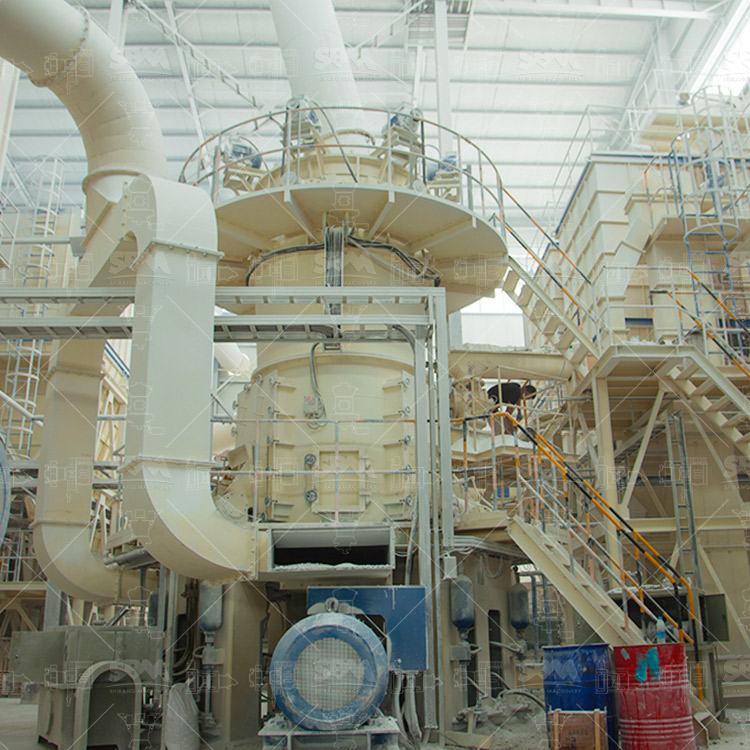
The core processing step employs SBM's MTW European Trapezium Grinding Mill, engineered explicitly for medium-hard minerals like pyrophyllite (Mohs hardness 1-2). This mill represents the culmination of feedback from over 9,500 customers and years of R&D by our engineering team. The MTW mill accepts the crushed ore with an input size of 0-50mm and produces consistent powder at 30-400 mesh with capacities ranging 3-40 tph, dependent on fineness and ore characteristics.
Inside the grinding chamber, several advanced mechanisms operate synergistically. The cone gear whole transmission system replaces traditional pinion drives, achieving higher transmission efficiency while reducing occupied space. This innovation directly addresses the historical challenge of inefficient power transfer that plagued conventional Raymond mills. The grinding rollers, equipped with unique combined-type perching knives, maintain optimal feeding angles through curved blade design—this extends roller and ring service life while lowering operational costs. Notably, only the blade requires replacement during maintenance, reducing spare parts expenses.
The arc air duct design, a patent-protected innovation, eliminates airflow energy losses that commonly compromise grinding efficiency and material conveying within the mill. High-strength guard plates protect the air duct working surfaces from abrasive pyrophyllite particles. Meanwhile, the unobstructed wear-resistant volute design enhances wind-driven transmission efficiency, a critical factor for consistent product grading and reduced maintenance intervention. For pyrophyllite with surface moisture below 6%, the MTW mill accommodates drying requirements through auxiliary hot-air introduction, eliminating separate dryer investments.
Stage 3: Classification and Collection
After grinding, the powder-gas mixture enters the rotary classifier integrated into the MTW system. The frequency-conversion control permits infinitely variable classifier speed, enabling precise regulation of final fineness to ±10% tolerance. Adjusting classifier rotation between 80-800 RPM as required allows operators to switch between 80-mesh construction filler and 325-mesh ceramic body powder without stopping production. Oversized particles return via the return hopper to the grinding zone, while qualifying powder proceeds to collection units comprising a high-efficiency cyclone separator followed by pulse bag filters.
Environmental compliance remains integrated throughout the collection stage. Higher air volume circulation effectively reduces both moisture and temperature influencing particle agglomeration. Pulse jet dust collectors achieve emission levels below 30 mg/Nm³, exceeding international standards. The negative pressure system operation prevents dust escape, directly addressing the health and safety concerns increasingly prominent in mineral processing legislation. Additionally, optimized sound insulation rooms and mufflers limit operational noise, protecting workers in proximity to the grinding facility.
Optimizing Milling Parameters for Pyrophyllite
Operational excellence requires context-specific parameter adjustment. The following technical guidance summarizes accumulated experience from SBM's global installation base, tailored specifically to pyrophyllite material properties.
Grinding pressure optimization directly influences production efficiency and wear lifespan. For pyrophyllite hardness, an average grinding pressure of 9-12 MPa proves optimal. Excessive pressure causes unnecessary ring wear without proportional throughput gains, while insufficient pressure leads to poor particle-bed formation and reduced grinding efficiency. The MTW mill's hydraulic pressure cylinder facilitates fine-tuning adjustments via PLC control, allowing operators to respond rapidly to feed variations.
Classifier speed determines final fineness and must balance capacity targets with product specification. A speed induction formula of approximately 2500/fineness(D90 μm) provides a reasonable starting point. For 325-mesh (45 μm) pyrophyllite powder, initial classifier RPM around 150-180 revs/min yields satisfactory results. Operators should maintain consistent feed moisture below 5% to prevent coating on grinding rollers, which reduces throughput and risks ring blockage.
For producers targeting ultra-fine pyrophyllite (D97 ≤ 5 μm) for high-value cosmetic or battery applications, SBM recommends pairing primary MTW milling with our SCM Ultrafine Mill or LUM Ultrafine Vertical Mill in secondary grinding configuration. The LUM mill's integration of Taiwan's grinding roller technology and Germany's powder separating technology delivers D97 of 3-5 μm at capacities reaching 70 tph, providing economies of scale for ultra-fine production. Its specialized grinding curve design promotes material bed formation, enhancing primary grinding finished product ratios—a crucial economic factor at this fineness level.
Comparative Analysis of Grinding Systems
Choosing the appropriate grinding solution depends on production objectives, initial investment constraints, and operational priorities.
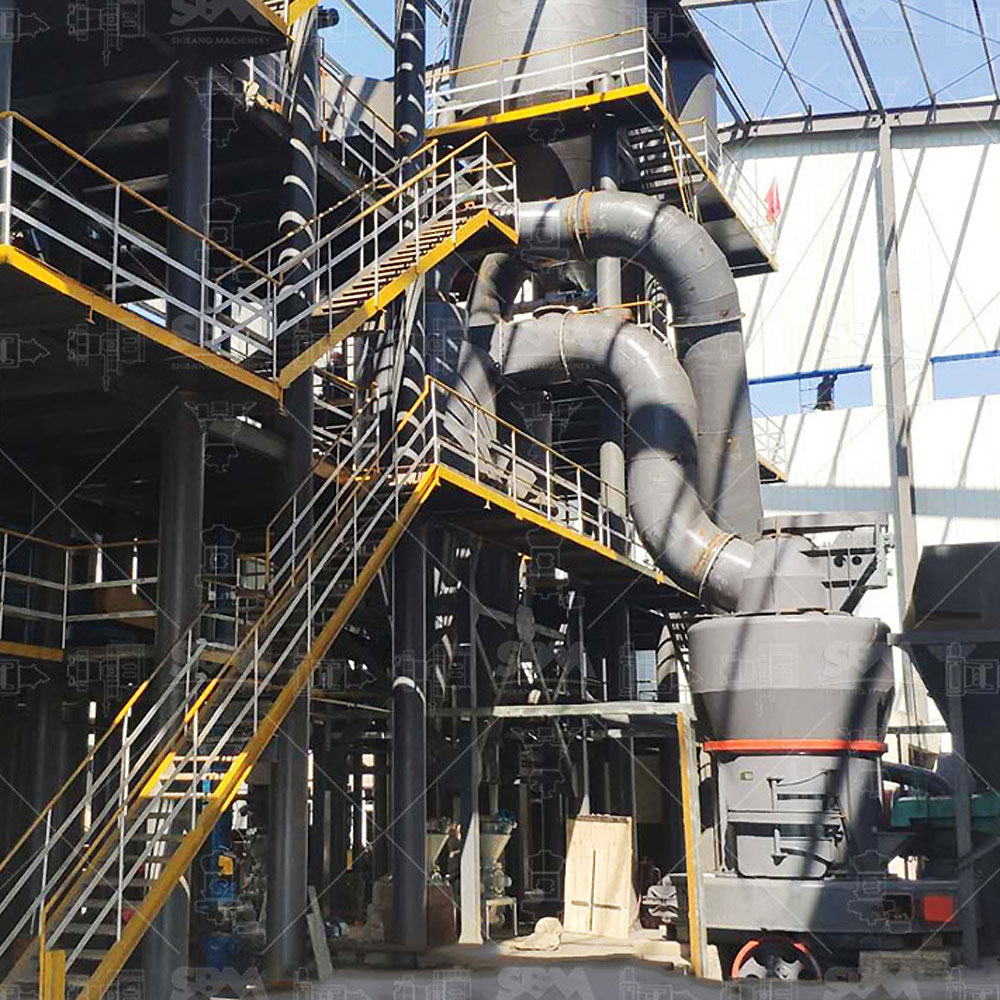
For conventional pyrophyllite processing (100-400 mesh), the MTW European Trapezium Mill offers optimal balance of technical sophistication and operational economy. The cone gear transmission reduces energy consumption approximately 20% compared to conventional gearbox mills, while the protection devices on the perching knives and lining boards reduce maintenance frequency and costs. Complete mill system includes main unit, classifier, piping system, cyclone collector, dust collector, and electric cabinet—provided as fully integrated solution by SBM.
When processing sticky materials or those with moisture exceeding 10%, the LM Vertical Roller Mill offers superior drying capacity integrated into mill operation. Air swept from below lifts dried material while concentrating particle size through efficient classification. The LM mill's 30-40% lower energy consumption and 50% reduced footprint make it attractive for large-scale cement-grade pyrophyllite production. For operations integrating multiple mineral processing lines, the LM's compact layout enables outdoor installation, minimizing civil construction costs.
Ultra-fine pyrophyllite production necessitates either the LUM Ultrafine Vertical Mill (fine to 2500 mesh) or SCM Ultrafine Grinding Mill for highest fineness (down to 4000 mesh). The LUM's high-output capability combined with low energy consumption doubles the output capacity of jet mills while consuming 30% less energy. Additionally, the adoption of PLC/DCS automatic control systems represents the industry's most advanced operational standard, allowing programmable control of grinding pressure and separator speed for reproducible quality batch after batch.
Technical Advantages and Economic Considerations
In pyrophyllite processing, the decision between alternative grinding technologies ultimately hinges on total cost of ownership—including investment, energy, wearing parts, maintenance, and product quality. The MTW mill's advanced design addresses each component of this equation.
The combined-type shovel blade reduces wear parts cost by approximately 35% compared to traditional fixed blades. Curved shovel blades alter the feeding angle, extending roller and ring service life up to 1.8 times. The detailed design of the volute and arc air duct minimize pneumatic energy losses, directly translating into lower electricity consumption per ton processed. For an operation grinding 20 tph pyrophyllite at 200-mesh fineness, these improvements can reduce operating costs by 18-22% compared to conventional Raymond mills.
Beyond direct savings, SBM's engineering support ensures rapid equipment commissioning and worker training, maximizing uptime from the first production day. Global service infrastructure in over 180 countries ensures ready availability of genuine spare parts and qualified engineers, minimizing production interruptions that can prove more costly than energy differentials.
Conclusions: Selecting the Right Partner for Pyrophyllite Processing
Pyrophyllite's unique combination of properties will continue securing its place in advanced industrial applications. Yet the effective transformation of natural ore into premium powder products demands more than just grinding equipment—it requires process expertise, continuous innovation, and absolute reliability from machinery suppliers. SBM Machinery's MTW European Trapezium Mill represents the culmination of decades of mill engineering evolution, specifically addressing pyrophyllite processing challenges with proven technical advantages. From initial single-mill procurement to complete turnkey grinding systems handling any capacity requirement, our total solution approach across individual installations and comprehensive systems supports processors in establishing profitable operations. The successes across 180 countries, particularly in developing mineral economies, demonstrate both equipment durability and the strength of long-term client partnerships we cultivate. As pyrophyllite demand continues growing—driven by refractories, ceramics, glass fiber, and emerging high-tech sectors—selecting a technology partner that combines deep mineral processing knowledge with responsive global support becomes as important as acquiring the machinery itself. Contact SBM's process engineers to discuss your specific pyrophyllite processing objectives and benefit from our equipment application references and technical expertise accumulated across three decades of global mineral processing.
Frequently Asked Questions
Q1: My current Raymond mill struggles with frequent roller wear when grinding pyrophyllite, resulting in monthly shutdowns. How does the MTW mill solve this issue?
A1: The MTW mill's patented combined-type shovel blade design allows replacement of only the blade rather than the entire shovel assembly, reducing wear part replacement cost substantially. Furthermore, the curved blade shape optimizes feeding angle, extending roller and ring service life by up to 80% compared to conventional mills. Actual wear rates will depend on pyrophyllite impurity levels; for ores with high free silica, we often recommend installing auxiliary protection liners in the air duct and using special alloy rollers available from our wear parts supply program.
Q2: We need to switch production between 200-mesh for refractories and 800-mesh for ceramics on the same mill. How long does changeover take and what production loss should we expect?
A2: Implementing variable speed drives on the MTW mill classifier makes fineness adjustment entirely controllable via frequency conversion system. The time from adjusting setpoint to stable output takes approximately 10-15 minutes, during which mill feed continues with brief transitional off-spec material (typically less than 5% of hourly output). For optimal results when moving to 800-mesh specifically for ceramics, we recommend equipping the mill with the high-efficiency volute and ensuring classifier blade configuration matches ultrafine operation. This production flexibility provides competitive advantage for multi-market pyrophyllite producers.
Q3: Environmental inspectors have flagged insufficient dust containment in our existing grinding plant. Can the MTW mill retrofit solve these compliance problems?
A3: Yes, absolutely. MTW mills operate under negative pressure throughout the system—the mill body, classifier, pipelines, and dust collector all remain sealed with specialized airlocking valves at feed and discharge points. The pulse-jet filter collects fine particles with collection efficiency exceeding 99.99%, guaranteeing emission below 30 mg/Nm³. Furthermore, the optimized sound insulation reduces operational noise below 85 dB(A) at 1-meter distance. For complete plant compliance, we provide engineering audits covering material transfer points and storage areas, supplying additional dust extraction systems where needed.
Q4: What total investment is required for a complete MTW pyrophyllite grinding plant producing 20 tph at 325 mesh? And what energy consumption should we budget?
A4: Investment magnitude depends on raw material characteristics and finished product specifications, but typical systems range from the main MTW138 or MTW175 mill, ancillary cyclone, baghouse, and electrical infrastructure. For accurate costing, our engineers recommend and perform sample testing at our laboratory to establish ore grindability characteristics—this ensures correct mill sizing. Energy consumption typically ranges from 22-28 kWh per ton at 325-mesh 90% passing, representing a significant efficiency improvement over conventional vertical mills. To receive a firm quotation with specific performance guarantees, please provide your ore analysis through our consultation channel.
Q5: After milling pyrophyllite, our powder shows inconsistent brightness in ceramic applications. Can processing solutions remedy this quality variability?
A5: Brightness inconsistencies typically stem from iron contamination introduced from grinding media and mill lining wear. The MTW mill's cone gear whole transmission eliminates the high-friction gear systems contributing to metal wear. Additionally, our wear-protection design minimizes contact between moving structural parts and material flow—the arc air duct with high-strength guard plates prevents particle impingement abrasion on casing surfaces. If raw ore contains elevated iron impurities beyond acceptable levels, we recommend incorporating a high-intensity magnetic separator following milling to reduce Fe₂O₃ to below 0.5%. For ceramic applications, our LUM ultrafine mill with ceramic-coated grinding rollers provides the strictest purity and brightness standards up to 2500-mesh fineness—please define your target ISO brightness and we'll troubleshoot accordingly.


