

Daily maintenance and fault inspection of raymond mill
Published on: October 26, 2023
Operating a Raymond mill reliably and efficiently demands more than just pressing the start button. As a core piece of equipment in mineral processing, power generation, and building materials industries, its continuous performance directly impacts your overall productivity and operating costs. Drawing from our extensive experience serving over 180 countries and collaborating with more than 9,500 customers worldwide, we understand that proactive daily maintenance and systematic fault inspection are the cornerstones of maximizing uptime and extending equipment lifespan. This guide provides a practical, operator-focused walkthrough of essential daily checks, common fault diagnosis, and preventive strategies. We will cover everything from the critical lubrication system to the wear patterns on grinding rollers and rings, helping you identify minor issues before they escalate into costly downtime. By adopting a structured maintenance routine based on these insights, you not only protect your investment but also ensure consistent product fineness and throughput, making your Raymond mill a reliable workhorse for years to come.
Establishing Your Daily Inspection Routine
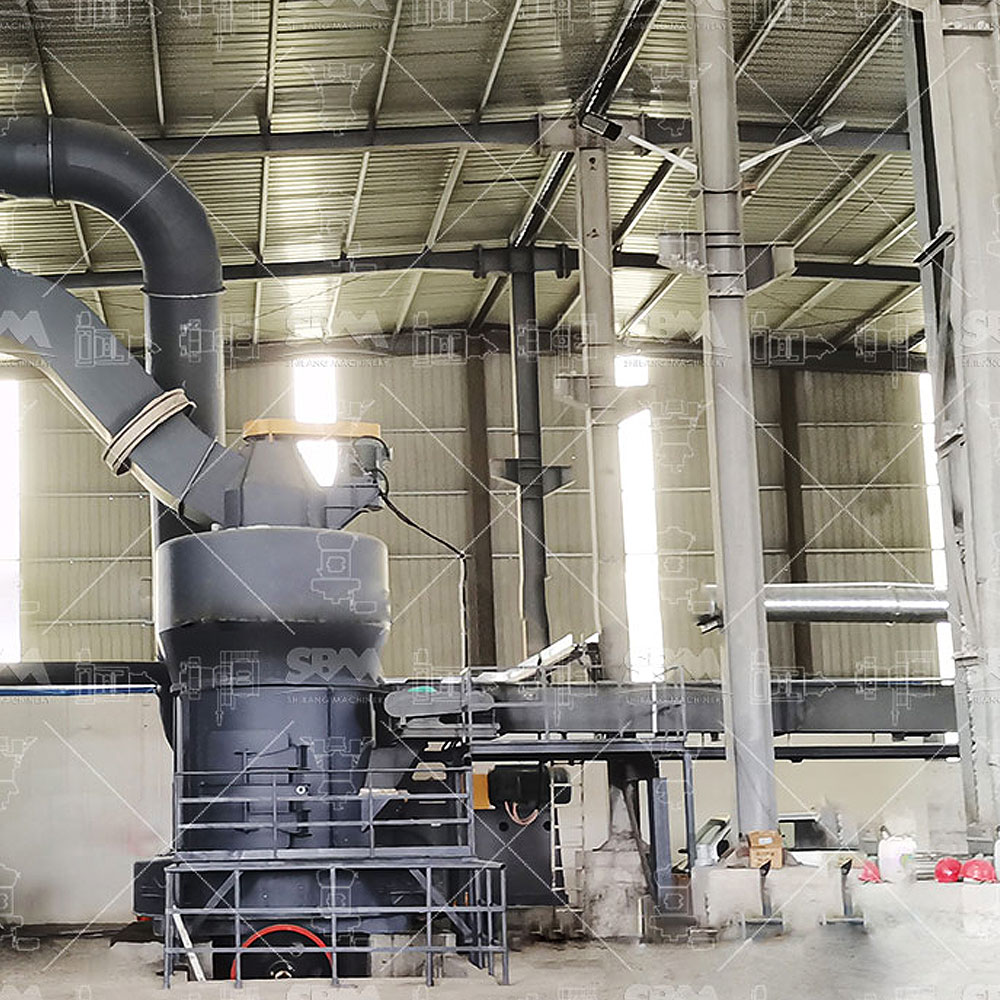
Daily inspections are the first line of defense against mechanical failure. While modern Raymond mills, like our MTW European Trapezium Mill, are designed with advanced features like cone gear whole transmission and internal oil absorption lubrication systems, machinery still requires attention. Begin each shift with a visual walk-around, listening for unusual noises or vibrations. Check for any loose bolts, particularly on the grinding roller, shovel blade, and base frame. Ensure that the access doors are properly sealed to prevent dust leakage, which not only wastes material but also indicates wear on seals or gaskets. A quick check of the oil level in the main gearbox and the analysis of oil pressure are crucial. The oil should be clean and at the correct level; if it appears milky or contains metal particles, it signals water contamination or internal wear in the bevel gears or bearings. Also, verify that the air duct and volute are clear of any material build-up, as this can disrupt the arc air flow and reduce the mill's conveying efficiency, a key advantage of our modern design to avoid energy loss and ensure transport efficiency.
Key Components and Their Daily Checks
Lubrication System
Proper lubrication is the lifeblood of your Raymond mill. The main engine, reducer, and analysis machine all require specific attention. For the main engine, check the oil pump and filter. A sudden drop in oil pressure often points to a clogged filter or a failing pump. In traditional mills, oil contamination is a common problem. This is why our MTW mill features an inner oil absorption lubrication system, which reduces the risk of contamination. However, for daily checks, always verify that the oil return line is flowing freely. If you notice the temperature of the gearbox rising above the normal operating range (typically 60°C-70°C), inspect for oil starvation or overloading.
Grinding Roller and Ring
These are the primary wear parts. Daily observation of their condition is difficult without stoppage, but you can infer wear from the mill's performance. If the output fineness becomes coarser or the mill's current draw increases, it often means the grinding roller and ring have worn flat and are no longer maintaining proper grinding pressure. Our unique wear-proof perching knife design features a combined-type shovel blade, where only the blade itself needs replacement, reducing downtime. The curved shovel blade design helps maintain a consistent feeding angle, which prolongs the life of the roller and ring. During a quick internal check (if required), look for spalling, grooving, or excessive hardening. Address any distortion to the shovel blade immediately, as this will prevent material from being fed effectively to the grinding zone, leading to lower productivity.
Fault Diagnosis and Solutions
1. Reduced Output with No Power Increase
This is often a result of material build-up on the shovel blade or a blockage in the air duct. Check the material feed. Is it too wet or too large? Raymond mills are designed for a specific input size (e.g., 0-50mm). Fines that are too sticky can compact around the shovel, preventing it from tossing material onto the grinding ring. Solution: Shut down the mill, clean the shovel blades and clear any debris from the air duct. Ensure the raw material's moisture content is within acceptable limits, which is why our LM Vertical Roller Mill offers superior drying capabilities if you are processing slightly moist materials.
2. Vibration and Excessive Noise
Excessive vibration usually indicates a non-uniform feed. If material isn't fed evenly, the grinding rollers will have an uneven surface to work on, causing the mill to bounce. Check the feed control device. Another culprit could be worn or damaged bearings in the main shaft. For mills with a volute design, a build-up inside the volute can also cause imbalance. If vibration persists after clearing build-up and ensuring even feed, inspect the foundation bolts—they may have loosened. Also, examine the analysis machine impeller for wear, as an unbalanced impeller can cause significant vibration.
3. Overheating of the Main Bearing
This is a critical fault. Immediately check the lubrication system. Is the oil pump working? Is there enough oil? Overheating can also be caused by excessive material temperature entering the mill, or an over-load condition where the feed rate exceeds the mill's capacity. If the temperature rises sharply, stop the mill to prevent serious damage. Allow it to cool and investigate the root cause. In our LUM Ultrafine Vertical Mill, the grinding roller pressure is automatically adjusted via PLC, which helps in preventing over-load situations, a feature not always present on standard Raymond mills.
4. Inferior Powder Fineness
When the fineness of the finished product does not meet the required 30-400 mesh range, the first component to inspect is the analysis machine (classifier). Over time, the blades on the classifier wear down, reducing the classification efficiency. This allows coarse particles to pass through, resulting in a product that is too coarse. Adjust the classifier speed or replace the worn blades. For precise fineness requirements up to 2500 mesh, our SCM Ultrafine Mill features a frequency-conversion control and an efficient vertical turbine powder classifier, which provides accurate cutting size and prevents overflow of coarse powder. If you are using a standard mill and demanding finer products, this might be a limitation of the equipment itself.
Weekly and Monthly Strategies for Long-Term Reliability
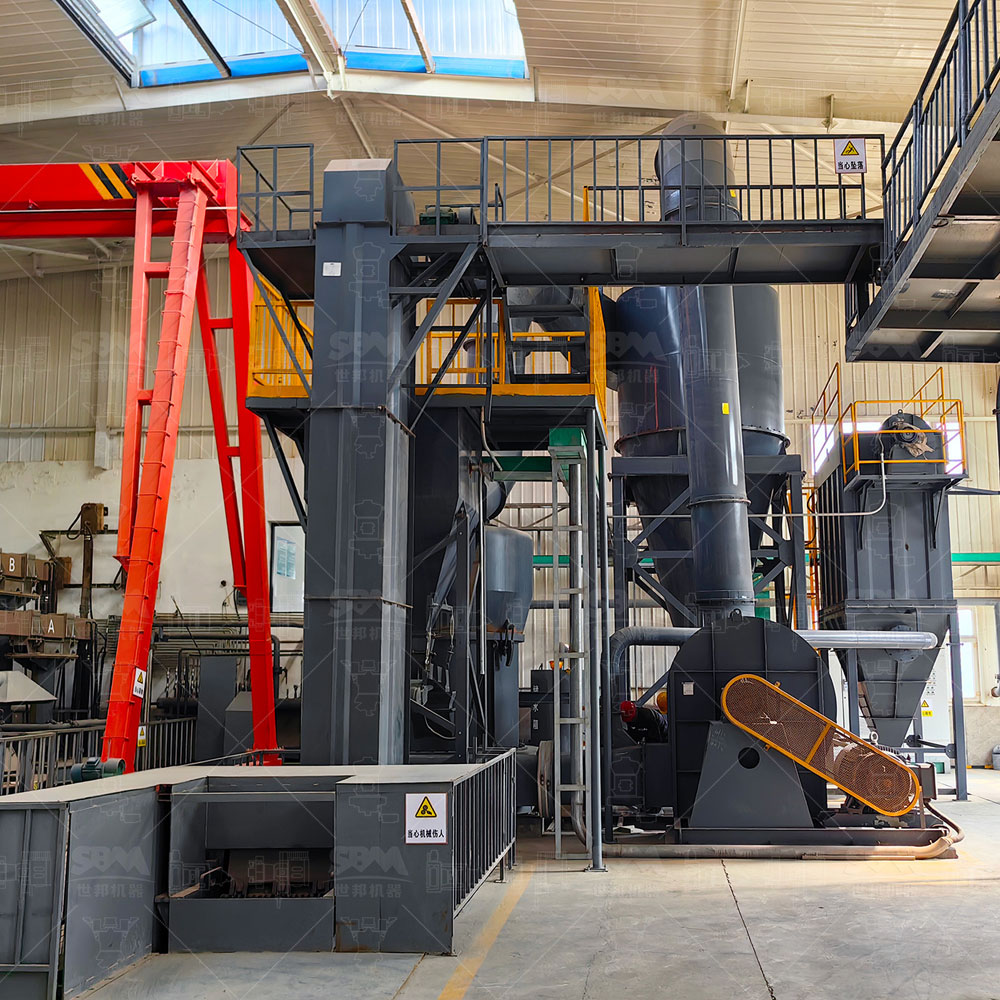
While daily checks focus on immediate issues, long-term reliability comes from a scheduled maintenance plan. Weekly, inspect the guard plates in the air duct. Our arc air duct design includes high-strength guard plates to protect the working face. If these are worn through, the duct itself can be damaged, leading to costly repairs. Monthly, or after every 500 hours of operation, replace the lubricating grease in the grinding roller bearings. This is where a combined-type shovel blade simplifies life. Considering the entire grinding system, elements like the pulse dust collector bag filters should be checked for blockages and the fan impeller should be inspected for abrasion. The fan is the source of the air flow that transports the finished powder, and an unbalanced or damaged impeller will drastically reduce performance. For operations requiring extremely high throughput and energy efficiency, moving to a Vertical Roller Mill with its integrated grinding, drying, and separation functions can significantly reduce the need for the complex ductwork and volutes found in traditional Raymond mills, lowering both capital and maintenance complexity in the long run. However, for many operations, the Raymond mill remains a cost-effective workhorse.
In conclusion, the key to effective maintenance is observation and consistency. By checking lubrication, monitoring performance metrics like output and power draw, and listening to the machine's acoustic signature, you can preempt most failures. Standardizing these checks and combining them with a robust inventory of critical wear parts like the shovel blade and grinding roller will minimize unplanned downtime, ensuring your pulverizing system operates at peak efficiency. As a total solution provider, we emphasize not just selling equipment but ensuring your operational success through effective maintenance practices.
Expert Tips for Common Pain Points
Many operators struggle with the trade-off between production efficiency and maintenance. To directly address these pain points: 1) Invest in an automated control system if possible, as it can feedback warning signs early, reducing the risk of catastrophic failure. 2) Use high-quality original replacement parts. Non-genuine parts often have a shorter lifespan and may not fit perfectly, leading to increased wear on other components. 3) Train your operators to understand the baseline sounds and vibrations of a healthy machine. They are the first to notice changes. 4) Keep a spare set of the most critical wear parts (rollers, rings, and shovel blades) on site to reduce downtime waiting for parts. Finally, routinely review your maintenance log to identify recurring issues which may point to an underlying operational problem rather than just a worn part.
FAQ
Q1: What is the most common cause of low output in a Raymond mill, and how can I quickly test it?
The most common cause is often a dulled grinding roller or ring, or a damaged shovel blade preventing proper material feeding. A quick test is to check the current draw of the main motor. If consumption has decreased compared to normal operation for the same feed rate, the grinding power is being lost, likely to worn parts. A visual inspection of the shovel blade for wear or distortion is also recommended.
Q2: I see oil leaking from the main gearbox. Can I continue operating until the weekend?
No, you should not. A leak can lead to inadequate lubrication of the critical cone gears and bearings, causing severe and costly damage. Immediately shut down the machine, identify the source of the leak (seal or gasket failure), check for any signs of bearing wear, and fix it before resuming operations. This is a critical reliability issue, not just a housekeeping annoyance.
Q3: The fineness of the final powder has become inconsistent despite checking the classifier. What could be wrong?
If the classifier speed is stable but fineness is inconsistent, it could be due to an unstable feed rate causing surges in material volume inside the grinding chamber. Also, check the air duct for any blockages or leaks. A leak in the system can disturb the airflow and classification efficiency. Ensure the feed system delivers a constant and even flow, and maintain stable negative pressure in the mill.
Q4: How do I know when it's time to replace the grinding ring and roller instead of just adjusting them?
You should replace them when the grinding profile has worn flat, losing its waveform. At this stage, adjusting will not restore efficiency, and productivity will continue to decrease while energy consumption increases. Measure the remaining thickness of the ring and roller. If it has worn down to half of its original thickness, it is time for a replacement to avoid breakage and damage to other components.
Q5: Our mill is vibrating heavily. We have checked the foundation bolts and they are snug. What next?
Next, inspect the analysis machine impeller. High levels of abrasion from the powder can create an imbalance, causing vibration at high shaft speeds. Also, perform a thorough check for material build-up inside the volute or duct work. If the build-up is uneven, it will cause a rotational imbalance. Improving the dust collection system's efficiency to reduce internal air pressure fluctuations can also help minimize vibration.


