

Non-metallic mineral grinding with vertical roller mill: talc
Published on: March 15, 2025
In the field of non-metallic mineral processing, talc presents unique challenges due to its softness, high oil absorption, and layered structure, making conventional grinding equipment prone to wear, low efficiency, and inconsistent product fineness. Vertical roller mills (VRMs) have emerged as the preferred solution for talc powder production, offering integrated drying, grinding, classification, and conveying in a single system. This article provides a comprehensive overview of applying vertical roller mill technology to talc grinding, drawing on decades of engineering experience and thousands of customer installations worldwide. We will discuss equipment selection, technical advantages, common operational pitfalls, and best practices for achieving high-capacity, energy-efficient, and environmentally compliant talc powder processing—typically targeting fineness ranges from 30 to 400 mesh (for standard grades) up to 325–4000 mesh for ultrafine applications, with throughput capacities reaching 70 tph in large-scale operations.
Why Vertical Roller Mills Are Ideal for Talc
Talc is a hydrated magnesium silicate mineral, famous for its softness (Mohs hardness of 1) and perfect cleavage. However, its lamellar structure means that during grinding, particles tend to slide and flake rather than fracture, leading to high recirculation loads and potential over-grinding in conventional ball mills or Raymond mills. Vertical roller mills handle talc remarkably well due to their unique grinding mechanism: material is crushed between a rotating grinding table and hydraulically loaded grinding rollers, creating a material bed that promotes controlled shear and compression—ideal for preserving talc's platelet morphology while achieving the desired particle size distribution.
Besides that, talc often contains moisture and impurities, which must be removed or separated during processing. A VRM's integrated hot air drying system can handle feed materials with up to 10-15% moisture, simultaneously drying and grinding in one pass. This eliminates the need for separate drying equipment, reducing both capital expenditure and footprint—especially valuable in space-constrained plants or when upgrading existing talc production lines.
From an economic standpoint, the energy savings are significant. Compared to traditional ball milling systems, vertical roller mills consume 30-40% less energy for the same throughput. For a 200,000-ton-per-year talc plant, this could translate into substantial annual electricity cost reductions—a key factor in an industry where margins are tight.
Equipment Selection: Matching the Right VRM to Your Talc Application
Not all vertical roller mills are created equal. For talc, the selection should be based on feed size, target fineness, capacity, and moisture removal requirements. Based on our extensive product portfolio, we recommend the following configurations:
1. Standard Talc Grinding (30-400 Mesh)
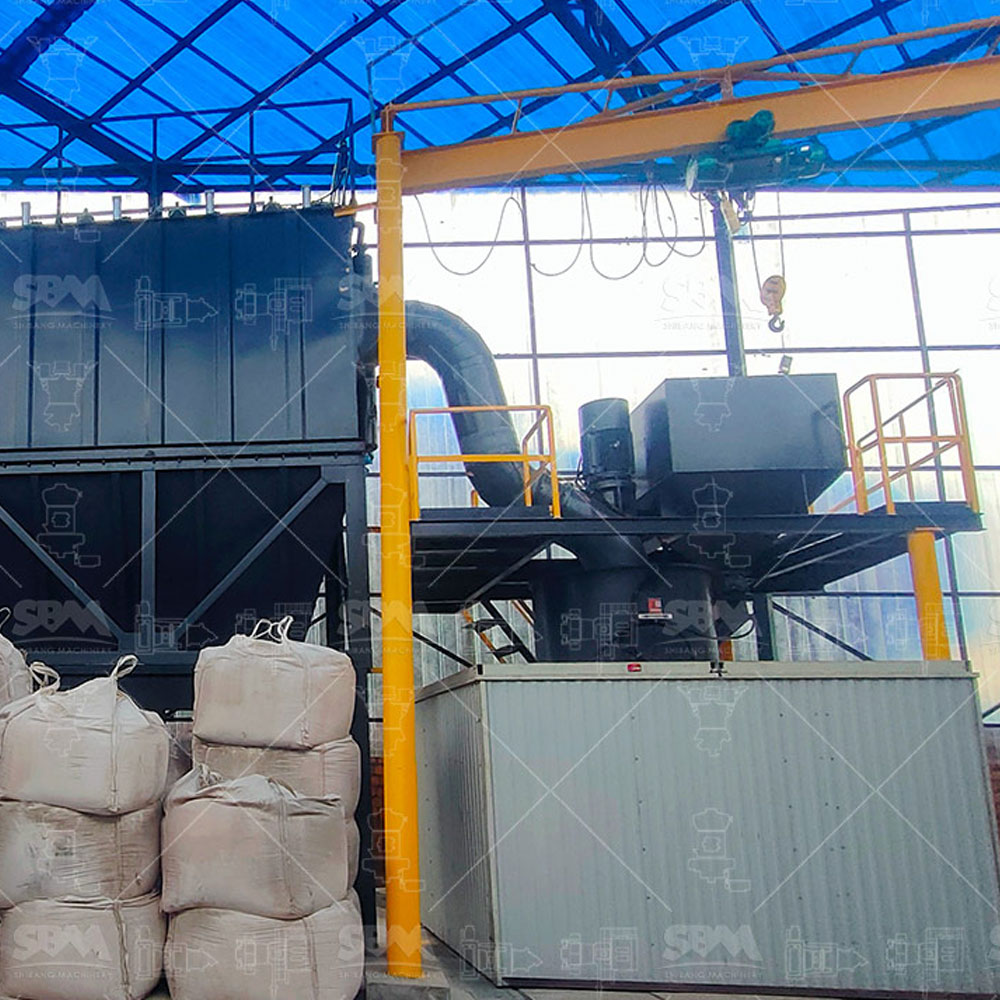
For general industrial grades (e.g., paint, ceramics, paper filler), the LM Vertical Roller Mill is the workhorse. With an input size of 0-50 mm and capacity ranging from 3 to 400 tph, it easily handles both fine and coarse talc. The LM mill's grinding rollers never contact the table directly, which minimizes wear—critical when processing talc, which, despite its softness, contains abrasive silica impurities. The machine also features an automatic control system that adjusts grinding pressure and classifier speed, ensuring consistent product quality even with varying feed characteristics. Its negative-pressure, fully sealed operation ensures dust-free performance, meeting EPA standards.
For medium-capacity plants (30-100 tph), the MTW European Trapezium Mill is an equally robust alternative. Its cone gear whole transmission offers high efficiency, and the unique curved shovel blades optimize material feeding, reducing roller/ring wear by up to 30% compared to older Raymond designs. The MTW mill also incorporates an arc air duct, which prevents air energy losses—a subtle but vital factor when handling fibrous or platy talc.
2. Ultrafine Talc (325-4000 Mesh)
For high-value applications such as plastics, masterbatch, cosmetics, and pharmaceuticals, ultrafine talc (d97<5-25 μm) commands premium prices. Here, the LUM Ultrafine Vertical Roller Mill is the best-in-class solution. It combines the energy efficiency of a VRM with cutting-edge classification technology, featuring multi-rotor classifiers (German design) that guarantee sharp cut points and no coarse oversize. The LUM mill can produce talc powders in the range of 325-4000 mesh (0.5-25 tph for SCM series, 10-70 tph for larger LUM units).
For smaller capacities (0.5-25 tph), the SCM Ultrafine Mill offers similar fineness control but with a more compact footprint. It uses a heavy-duty rotor design with wear-resistant roller and ring materials, extending service life several-fold. The frequency-conversion control system allows operators to tweak fineness on-the-fly, which is essential when batch-to-batch consistency is critical.
Both LUM and SCM mills incorporate double-collection systems (cyclone + pulse dust collector), achieving dust collection efficiencies far above international standards. This is particularly important for talc, as fine respirable dust poses health risks—a modern legal requirement across many countries.
Key Technical Advantages for Talc Grinding
Our vertical roller mills are engineered with talc-specific operational challenges in mind. Here are the top advantages:
A. Low Wear Cost on Grinding Elements
Traditional Raymond mills for talc suffer from rapid roller and ring wear due to the mineral's layered structure, which causes abrasive micro-platelets to act like sandpaper. In VRMs, the grinding rollers are made of high-chrome alloy or composite materials, and since the roller and table are not in direct contact (there is always a material bed between them), wear is dramatically reduced. In field applications, customers report a 50-70% reduction in grinding element replacement frequency, translating into significant savings on consumables and maintenance labor.
B. Integrated Drying Capability
Talc mines often produce run-of-mine ore with moisture content up to 8-12%, especially in rainy seasons or when using wet processing. A VRM's hot air system can dry feed material inside the mill, using either a hot gas generator or waste heat from a kiln. This eliminates the need for a separate rotary dryer, reducing the overall plant footprint by up to 50% compared with conventional systems. The residence time is short (2-3 min), which prevents over-drying and preserves the talc's natural whiteness.
C. Superior Particle Shape and Brightness
Because VRM grinding occurs on a pressure bed with controlled shear stress, the resulting talc particles retain a perfect lamellar morphology, which is essential for reinforcing properties in plastics, surface smoothness in paints, and improve slip in paper coatings. Our classifiers also ensure that the coarse tailings are recirculated and re-ground, minimizing the generation of needle-shaped fines that degrade product quality.
D. Fully Automatic, Labor-Saving Operation
Modern VRMs from our range are equipped with PLC/DCS control systems. This means that grinding pressure, table speed, classifier rotor speed, gas temperature, and negative pressure are all adjusted automatically to compensate for variability in feed hardness or moisture. Operators only need to monitor the central screen. Many installations have been running unmanned for unattended shifts, drastically cutting labor costs. For talc processors facing skilled labor shortages this is a major advantage.
E. Environmental and Safety Compliance
Sustainability is no longer optional. Talc grinding is subject to stringent airborne dust and noise limits. Our mills are fully sealed, operate under negative pressure, and feature advanced pulse dust collectors that capture sub-micron particles. The average noise level is below 80 dB(A), much quieter than ball mills (which often exceed 100 dB). This ensures compliance with OSHA or EU directives, and protects workers from occupational hazards.
Customer Pain Points & Mitigation Strategies
Despite the inherent advantages, talc VRM users sometimes face operational issues. Based on field service data from over 180 countries, the most common pain points are:
- Classifier plugging: fine talc tends to agglomerate and adhere to the rotating classifier blades, causing vibration and blockage. Our solution is the dynamic multi-rotor classifier with a purging air system and special anti-stick coating, which reduces downtime by 90%.
- Material bed instability: because talc is soft, the grinding bed can become too thin, causing grinding rollers to vibrate. Our hydraulic pressure control system with a minimum bed height sensor automatically adjusts pressure to avoid catastrophic vibration, a feature proven on dozens of installations worldwide.
- High energy consumption for ultrafine grinding: achieving 2000 mesh talc is energy-intensive. Our LUM/SCM mills are optimized for this, using energy-efficient rotors and a one-pass grinding classification system. Compared to jet mills, our ultrafine VRMs consume 30% less energy for the same d97.
- Feed segregation: when blending multiple talc grades, lumps and fines can separate. Our patented feeding inlet with guide vanes ensures uniform distribution across the grinding table, eliminating segregation.
- Moisture spikes: sudden increases in feed moisture can cause mill overload. The integrated hot air drying system with automatic moisture overload protection—coupled with temperature sensors—allows the system to reduce feed rate to maintain stable operation.
Installation Best Practices to Maximize ROI
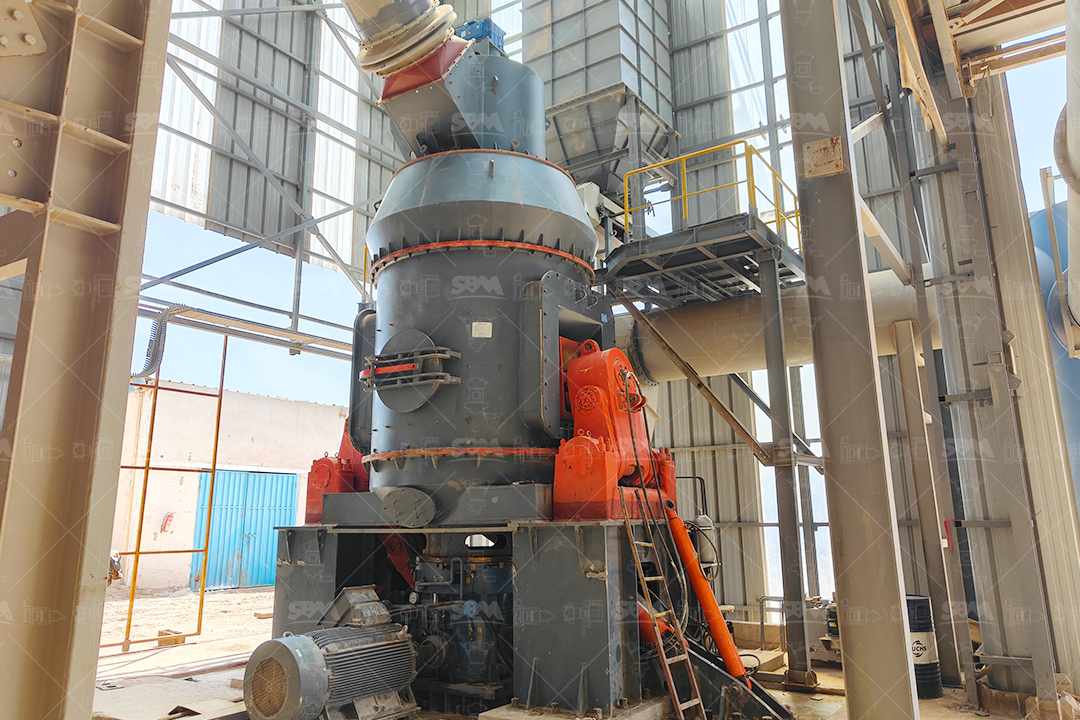
To fully realize the benefits of a vertical roller mill for talc, proper installation and commissioning are crucial. We recommend pouring concrete foundations with vibration isolation to minimize plant structure-borne noise. The mill should be installed on the ground level, with the product collector placed above—leading to a compact layout. A typical 40 tph talc VRM line occupies roughly 2000 square meters, including a raw material hopper, feed conveyor, hot gas generator, mill, collector, and product silo. This is half the footprint of a traditional ball mill system.
Also, ensure that the compressed air supply for the air sweep and sealing system has a dedicated dryer to prevent moisture in the instrument air, which can clog the classifier purge nozzles. We also advise installing a magnetic separator before the mill to capture ferrous contaminants that are common in talc mines—protecting both wear parts and final product purity.
Total Solution Provider: From Consultation to After-Sales
At Shanghai SBM Machinery Equipment Co., Ltd., we do not just sell grinding equipment; we provide total system solutions. From feed characterization and pilot tests to complete system design, supply, installation, and commissioning, our engineers, who have developed grinding equipment for over 30 years, are ready to support your talc project. Our portfolio includes MTW European Trapezium Mill, LM Vertical Roller Mill, LUM Ultrafine Vertical Mill, SCM Ultrafine Mill, ball mills, and complete powder processing plants. We have delivered over 10,000 grinding installations worldwide, serving customers in the power generation, building materials, mining, metallurgy, chemical, and non-metallic mineral sectors.
Our after-sales team provides on-site training, remote diagnostic help, and a full range of wear parts from local warehouses in all major mining hubs. We also offer a performance guarantee—typically achieving 95% availability or higher—and we continuously refine our mill designs based on new customer feedback. For talc plant expansion or new projects, our engineers will work with you to select the optimal equipment for your specific ore type and product requirements, always ensuring that the supply chain meets your schedule.
Conclusion
The non-metallic mineral industry today demands energy-efficient, high-yield, and environmentally friendly grinding solutions, and vertical roller mills are unequivocally the answer, especially for talc. With their low wear, integrated drying, fine particle control, and automation capabilities, they address almost all the typical pain points faced by talc processors. Whether you need coarse 100 mesh powder for ceramics or superfine 2000 mesh for cosmetics, the right VRM will reduce your operating cost per ton, improve product quality, and ensure regulatory compliance. After all, choosing the right equipment is a balance between initial investment, running cost, and product marketability—something that our entire product line is designed to optimize.
FAQ: Common Customer Questions & Answers
1. I currently use a ball mill system to grind talc to 325 mesh, but energy cost is too high. How much can I save switching to an LM vertical roller mill?
Most customers see a 30-40% reduction in specific electrical energy consumption for the same product fineness. For example, a ball mill consuming 40 kWh/t can often be replaced by an LM VRM consuming 25-28 kWh/t, plus you save additional energy on pneumatic conveying because the VRM system does not need an external blower as often used in closed circuit ball mills. With rising electricity prices, the payback period is typically under 2 years.
2. My talc has up to 12% moisture. Do I need to pre-dry it before using an ultrafine vertical mill?
No, you do not need separate pre-drying. Both LM and LUM mills are equipped with integrated hot air drying, capable of reducing feed moisture from 12% to below 0.5% during grinding. The hot gas is supplied from a gas generator or waste heat source. The dwell time inside the mill is short, but the high gas velocity ensure efficient moisture evaporation. We always run a moisture test at our testing facility to confirm before final equipment sizing.
3. What causes classifier vibration when grinding ultra-fine talc, and how can I prevent it?
Classifier vibration is usually caused by accumulation of talc powder on the rotor blades, leading to imbalance. This often occurs when the purge air pressure is too low or when the classifier is operated outside its approved speed range. Our mills come with a differential pressure control system that automatically adjusts purge air and rotor speed to keep the blades clean. Additionally, we coat the classifier with anti-stick material, which reduces adhesion. Regular maintenance checks, including cleaning every 500 hours, help prevent prolonged vibration issues.
4. Can I use the same vertical roller mill for both talc and other minerals like calcium carbonate?
Yes, the same mill can process different non-metallic minerals, provided that the feed size and moisture are within spec. However, you will need to adjust the grinding pressure and classifier speed according to the material hardness and target fineness. Our control system stores multiple recipes (e.g., talc, GCC, barite). However, be aware that after grinding talc, the mill internals may retain some residual dust, which could taint the whiteness of calcium carbonate if purity is critical. We recommend performing a thorough purge (grinding with coarse sand) between product switches.
5. Ball mill's production capacity is 20 tph for talc at 200 mesh. Can a small vertical roller mill match this capacity and still produce stable quality?
Absolutely. An LM vertical roller mill with a capacity of 20-40 tph for 200 mesh talc is a common configuration. It can easily match or even surpass the ball mill's capacity with less energy and tight particle size distribution. The key is to ensure you select the correct model and classifier speed. We offer free test runs using your talc sample to guarantee that product quality (e.g., d97, top cut, and moisture) meets your exact specification before you finalize the order.


